Day 1: Chiang Mai
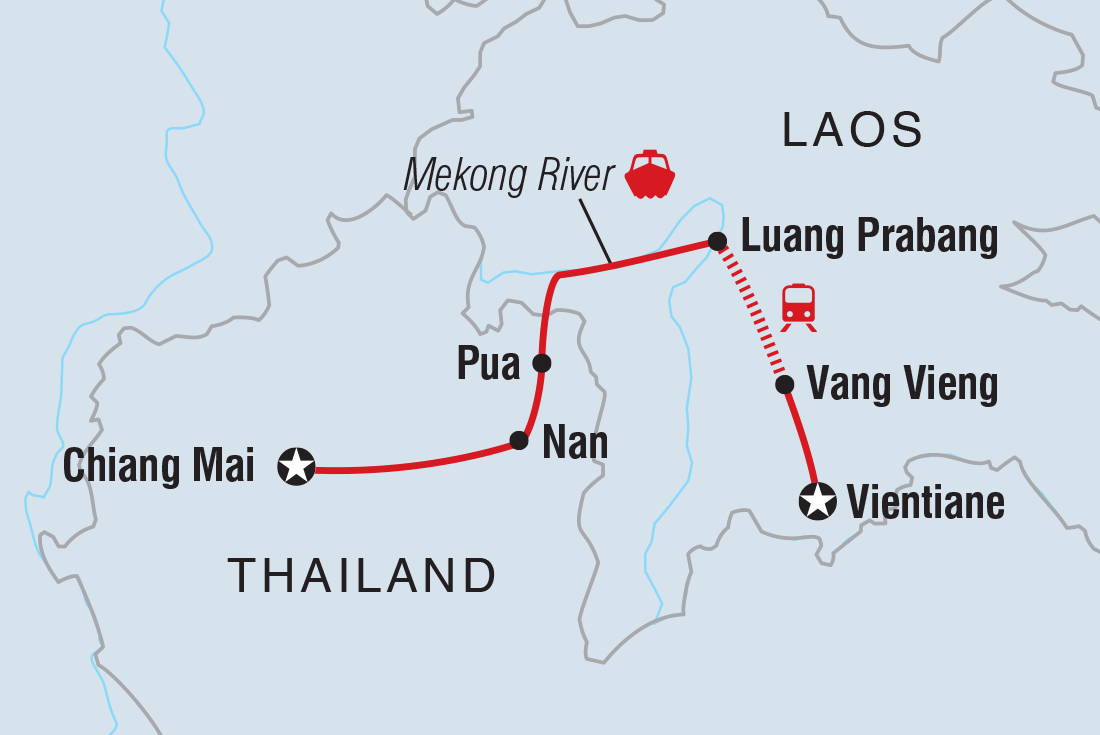
Sawasdee! Welcome to Thailand. Your adventure begins in Chiang Mai with a welcome meeting at 6 pm tonight. This UNESCO World Heritage-listed city was founded by King Mangrai in AD1296 as the capital of the independent Lanna Kingdom and is scattered with fortresses and temples, including Doi Suthep temple – one of Thailand’s most popular pilgrimage sites. If you arrive with time to spare, it's highly recommended you pay Doi Suthep a visit – you have to climb about 300 steps to reach the top of the mountain where the temple is perched, but the panoramic views of Chiang Mai stretching out below you are well worth it. Or, for the thrill seekers, you could go whitewater rafting or ziplining! After tonight's meeting, maybe gather your group and get to know each other over dinner – ask your local leader for the best recommendations on where to eat.
Day 2: Nan
This morning after breakfast, take a local bus to Nan. When you
arrive, take the chance to refresh at your hotel before heading out
to explore the town. Along the way, visit Wat Phumin – Nan’s most
famous wat (a sacred Buddhist precinct, home to a temple, a
Buddha and an educational facility). This wat was constructed in
1596 and was restored during the reign of Chao Ananta Vora Ritthi
Det. The rest of the evening is free to explore at your own pace.
Day 3: Pua
This morning is free to explore Nan how you like. Maybe wander
through a gallery by the Nan River, where you can have a coffee and
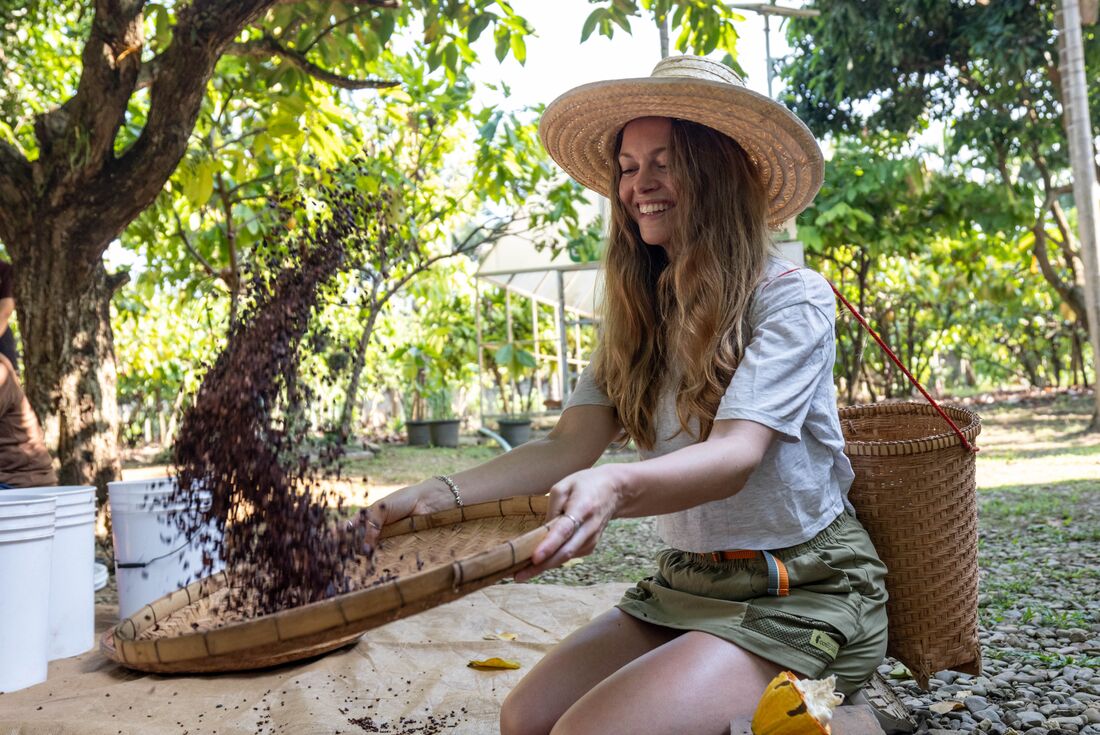
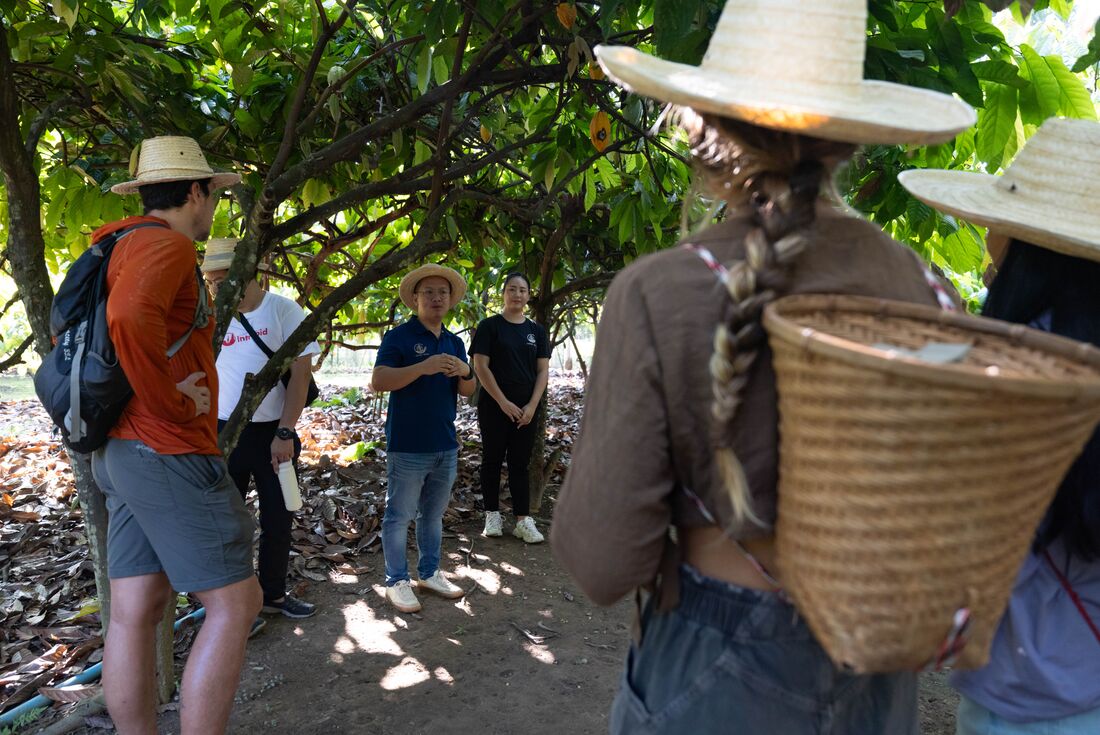
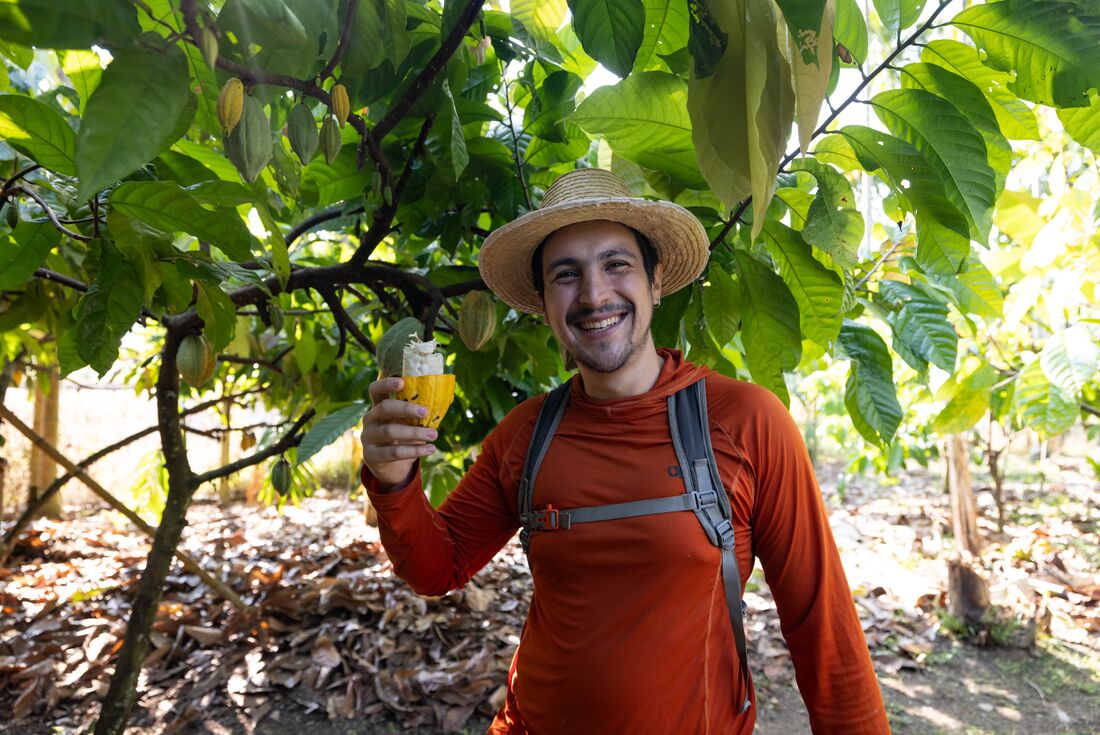
view modern art by local Thai artists. Then, visit a chocolate farm at
Cocoa Valley! Take a tour of the farm, then join a workshop to hear
how using the bark of the cocoa helps with waste management. You’
ll also learn how to make an aroma bag (potpourri, made from bark
of cocoa, dried flowers and volcano stone), lip balm or a candle from
the bark of the cocoa plant. Later, travel to the Pua District and visit
a hand-weaving centre and the local woman who started this
enterprise. Learn how she has stayed true to her Tai Lue roots and
helps to provide employment opportunities for the women in the
community. See their beautiful craft of handwoven textiles and then
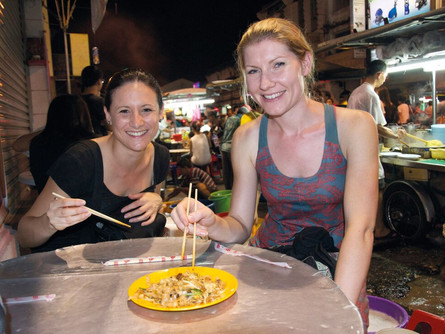
explore the village of Pua. Tonight, you’ll head to the evening
market with your leader, with the option to go out for dinner at a
local restaurant.
Day 4: Luang Prabang
Travel through the rural countryside this morning to the border into
Laos. After border formalities, you’ll stop at the local village of
Muang Ngeun – a small district in Xayaburi Province. The Tai-Lue
and Nan people make most of their income through cotton weaving
here as well, but in a different style to Thailand. Explore the local
Buddhist temple and see the outskirts of Laos before continuing to
Luang Prabang. When you arrive, head out on a leader-led
orientation walk of ‘the best-preserved city in Southeast Asia’ (the
local government started using this phrase, but it caught on for a
reason). Tonight, you’ll hike up to Wat Phu Si for sunset. As the sun
goes down, witness some epic views over Phu Si Mountain and then
head to the Talad Mued Night Market for dinner. Enjoy a local BBQ
feast (Sindad is the art of grilling meat on a hot pan – a type of
traditional BBQ set on a charcoal stove that has a surrounding rim
full of boiling water for blanching vegetables) and toast to a great
night.
Day 5: Luang Prabang
This morning is free for you to explore Luang Prabang at your own
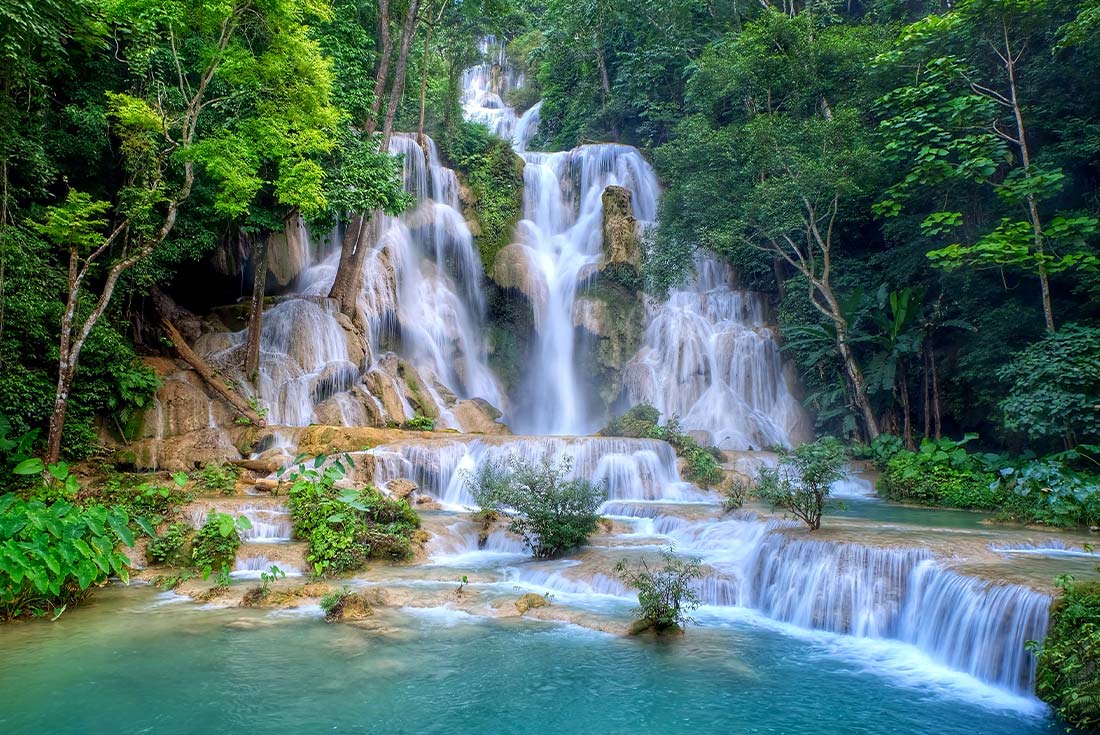
pace. Maybe head to Kuang Si – a beautiful three-tiered waterfall
surrounded by brightly coloured tropical foliage and flowers. Here,
you might want to set off on the round-trip hike or take a dip in the
refreshing water at the base of the waterfall. Later, board a boat and
watch the sun set as you cruise down the Mekong – Asia’s longest
river.
Day 6: Luang Prabang
Today is a free day in Luang Prabang. Maybe take a tuk-tuk to visit
Wat Xieng Thong – this temple was built in the 16th century under
the patronage of the royal family, and the Laotian kings were
crowned here. The main viharn (assembly hall) and buildings have
carved gilded wooden doors depicting scenes from Buddha's life.
Otherwise, just wander the streets and take photos of the lush
greenery and beautiful buildings. You can also take a hike on Mt Phu
Si or take on a cooking class and meet some new friends as you gain
some skills.
Day 7: Vang Vieng
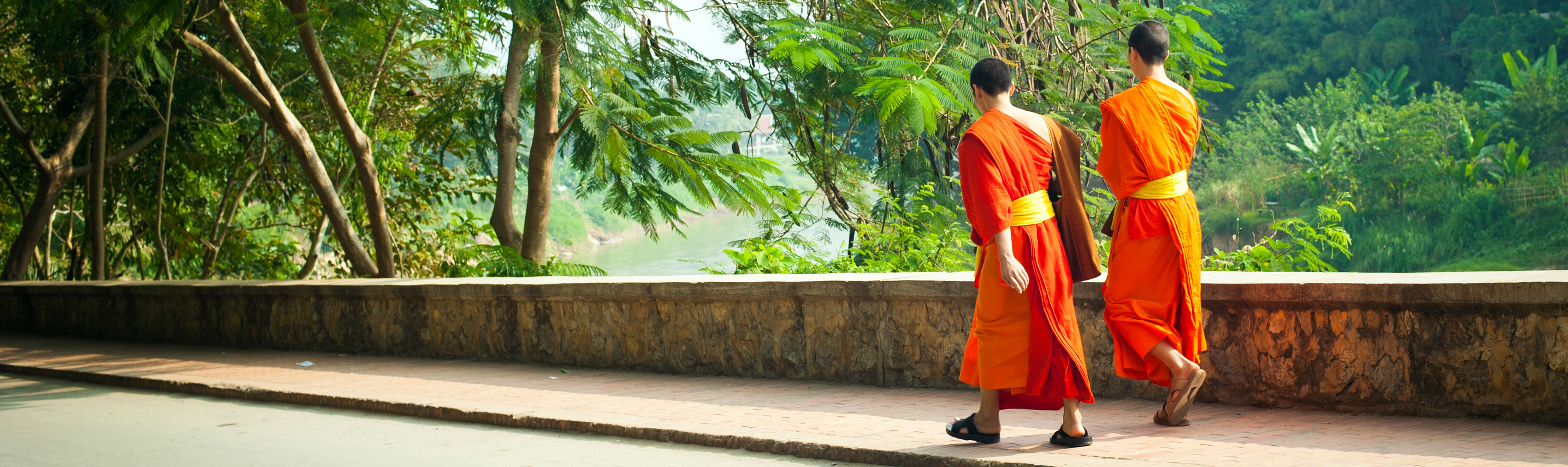
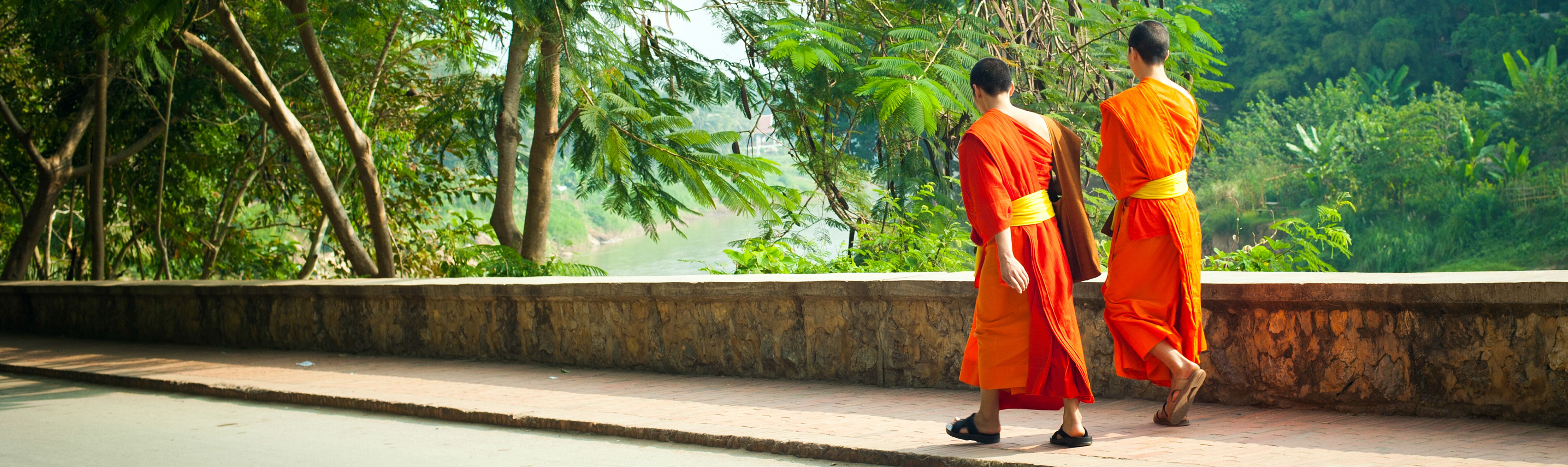
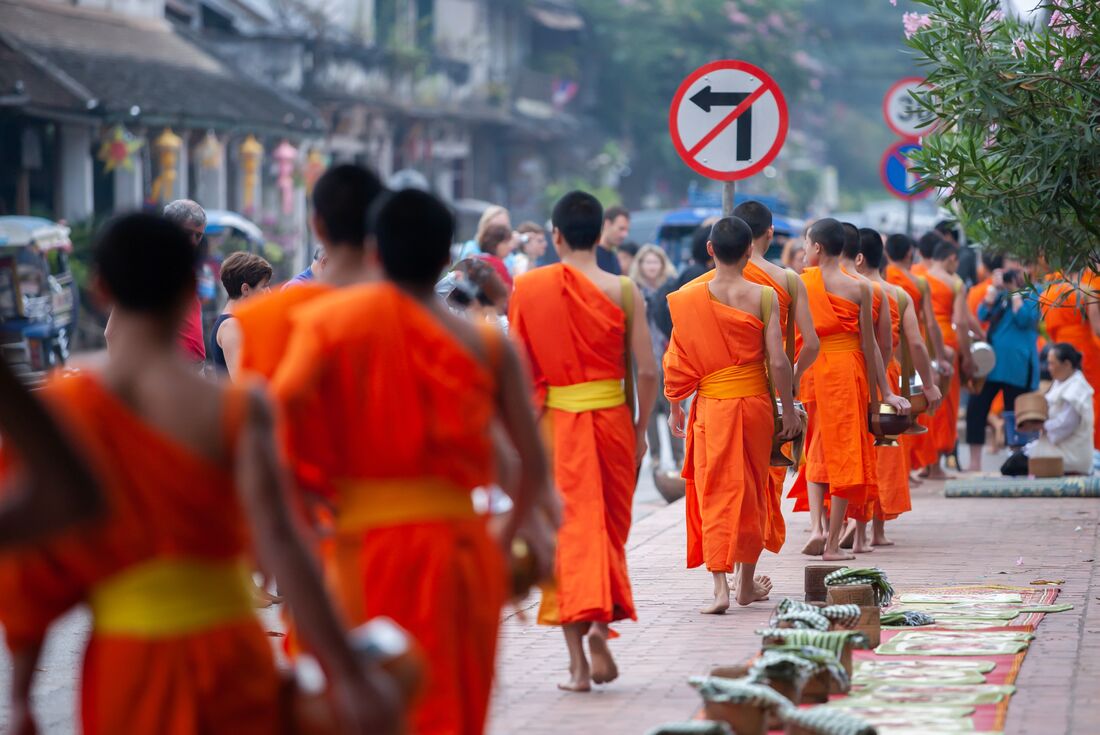
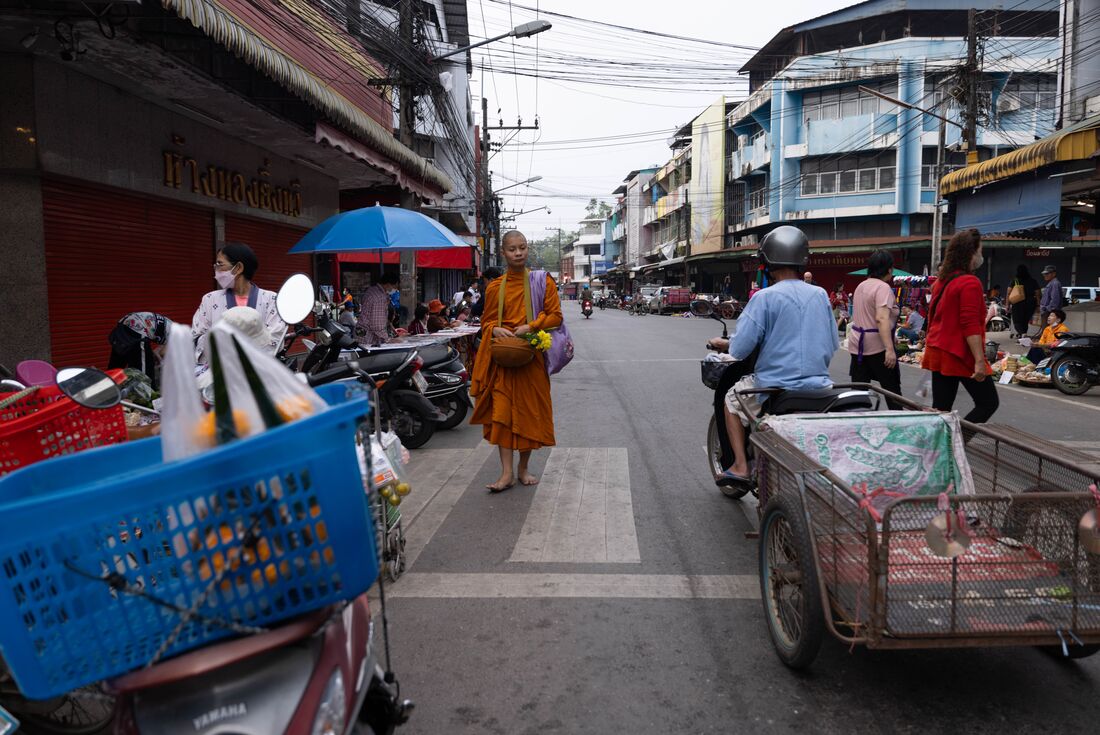
It’s worth getting up early this morning to view the procession of
saffron-robed monks on their daily outing collecting alms – a
practice that dates back centuries. The people of the town wait out
in front of their houses with food for the monks to collect and take
back to the temple. This is done early in the morning as the monks
cannot eat anything after midday. The rest of the day is free until
your late afternoon train to Vang Vieng. Maybe cruise around town
or mingle with the locals at the markets. For lunch, you might want
to try some delicious noodle soup at one of the top-notch French
cafes along the main drag. Later, you’ll take a transfer to the train
station and then jump on a high-speed train to your destination. This
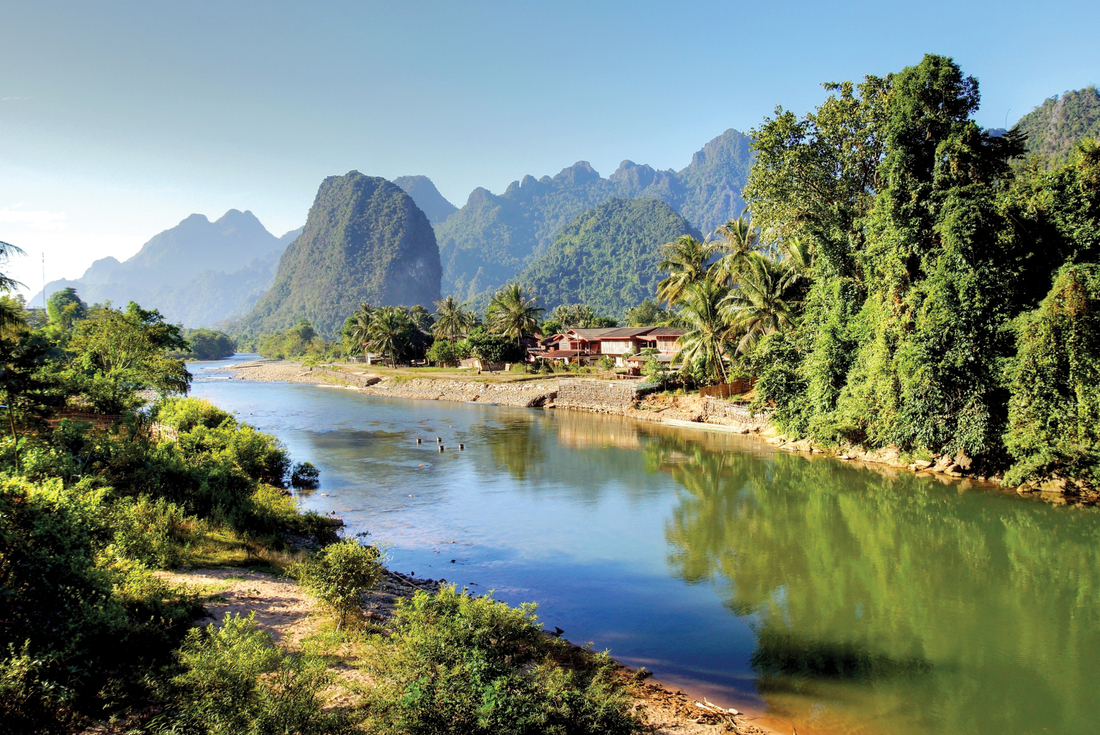
beautifully located adventure gateway lies on a bend in the Nam
Song. Take in the views of mountains, rivers and big limestone cliffs
that are so close you'll feel like you could reach out and touch them.
Day 8: Vang Vieng
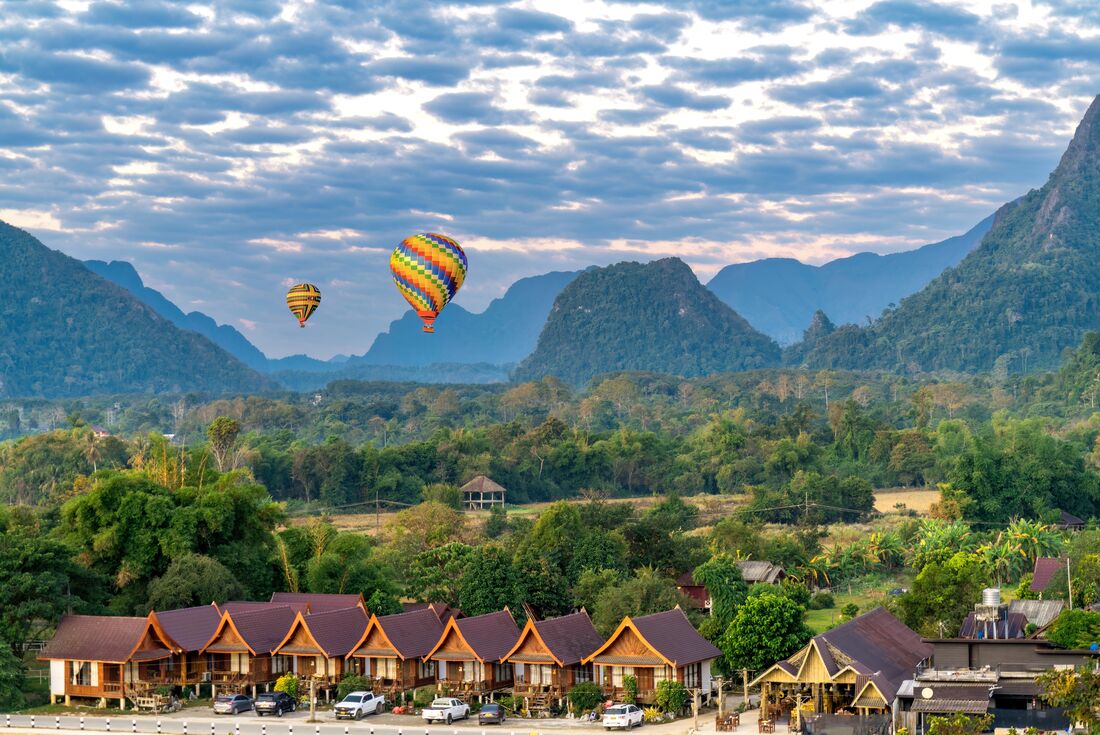
Today is a free day to explore Vang Vieng however you like – this
natural paradise has no shortage of fun activities! Maybe cross the
river and explore the huge caves that line the West Bank – Tham
Poukham cave has a blue-green lagoon and a reclining Buddha
statue that’s well worth a look – or take a cycling tour of the town.
You can also go kayaking on the Nam Song River or explore the
nearby 16th and 17th century monasteries. With hiking and boating
options in this gorgeous area, the day is your oyster.
Day 9: Vientiane
After breakfast this morning, you’ll take a private bus to Vientiane
Laos’ classy capital. Swap your instant coffee and white rice for a
latte and a baguette before snapping a few pics at Wat Si Saket
the oldest temple still standing in Vientiane and home to almost
7000 Buddha images. Your trip leader will show you around this chic,
French-influenced city and take you to COPE – an organisation
dedicated to assisting those who have been injured or affected by
the shocking number of unexploded ordnances (UXOs) in the
countryside. UXOs are explosive weapons, such as bombs and
grenades that still pose a risk after they were used. About 30% of
Laos remains contaminated with UXOs from the Vietnam War and
poses a serious risk to residents. COPE provides prosthetics and
other assistance to people affected by this devastating war history.
Grab some dinner with your travel mates tonight, and explore what
Vientiane has to offer on Quai Fa Ngum Road.
Day 10: Vientiane
As there are no more activities planned for today, your adventure
comes to an end this morning. Say goodbye to your new friends and
head off whenever you’re ready. If you’d like to stay in Laos longer,
just get in touch with your booking agent ahead of time.