Day 1: Havana
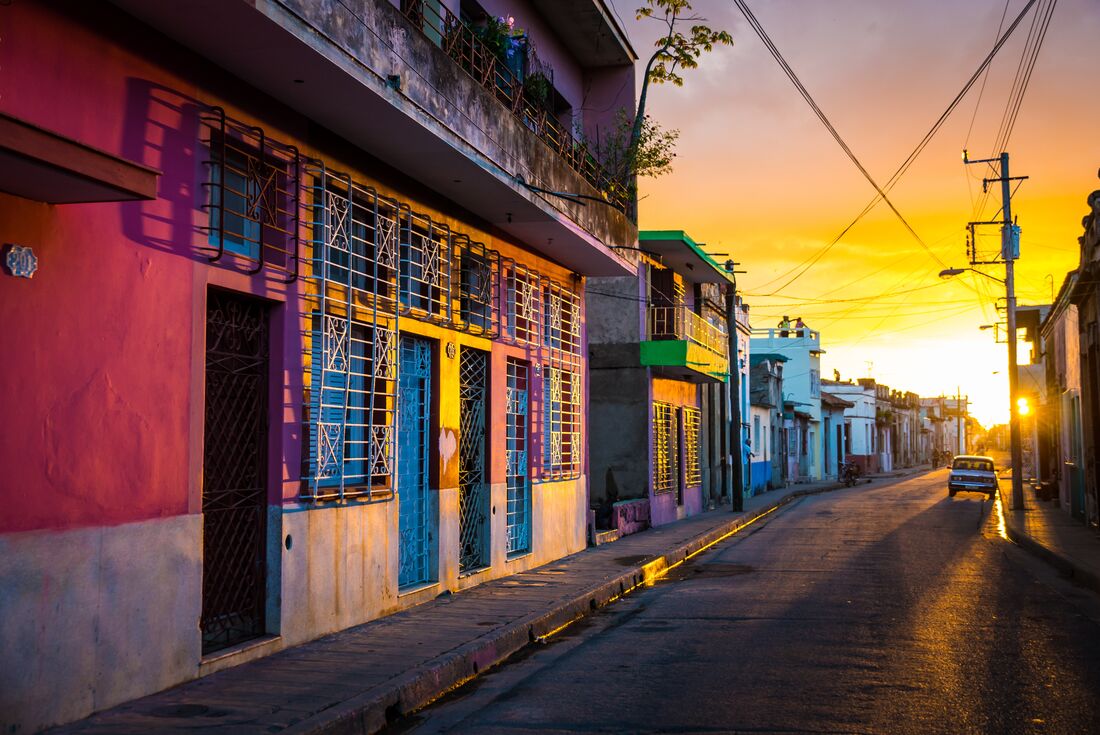
Bienvenidos! Welcome to Cuba. Your adventure begins in Havana with a welcome meeting at 6 pm tonight. If you arrive early, consider a stroll through Old Havana to acquaint yourself with its colourful mix of 1950s Americana, and range of architectural styles from Spanish-influenced to Cuban Baroque and Neoclassical. There are plenty of good museums to check out, like the Museo Nacional de Bellas Artes (National Museum of Fine Arts). Maybe line up with the locals for a taste of Coppelia ice cream or wander along the Malecon – the sea wall that skirts the coastline.
Day 2: Havana
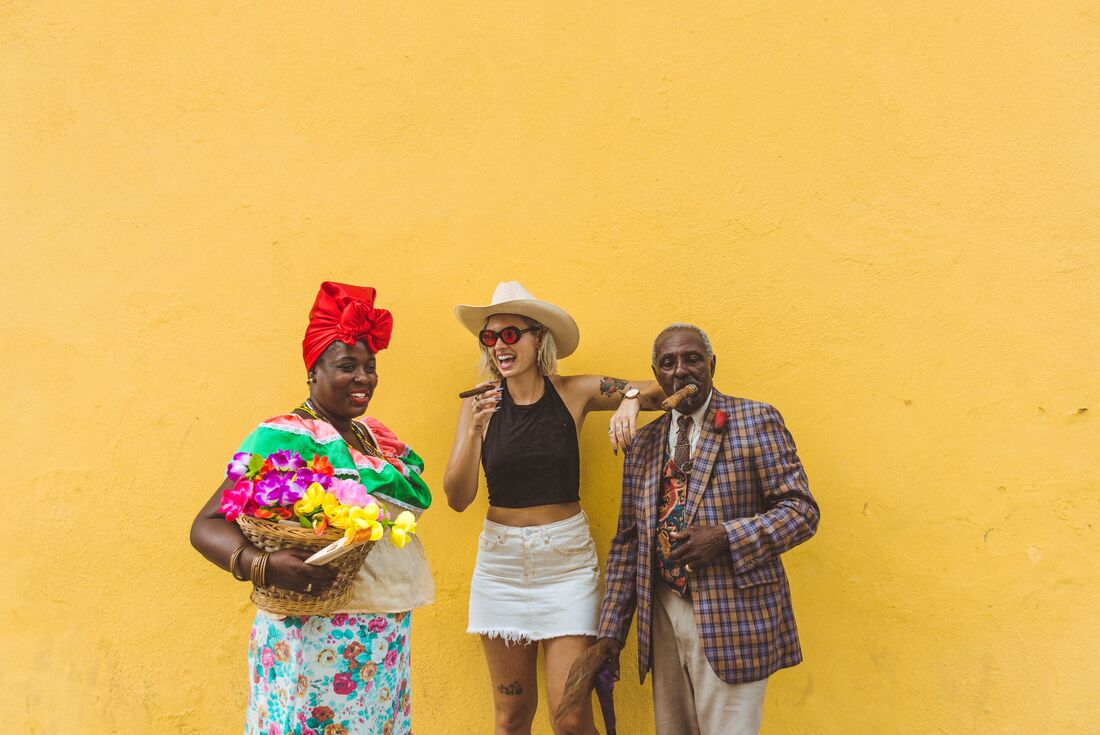
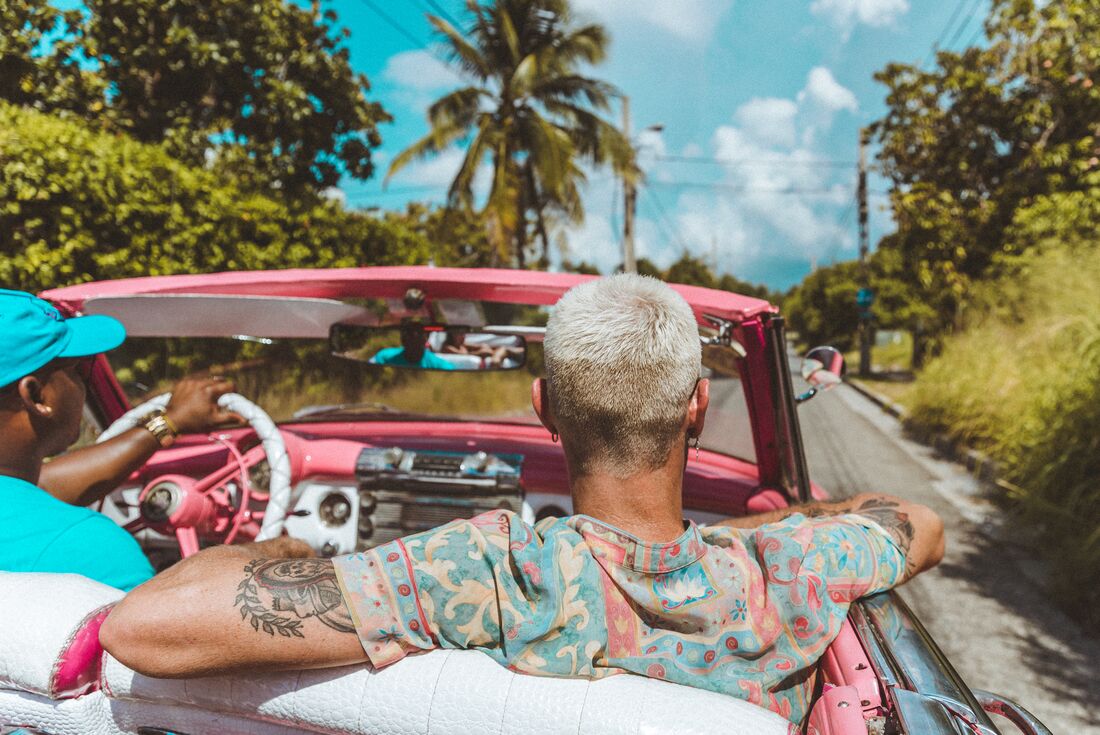
Havana's history is as colourful as its cars and buildings, and today you’ll get to experience the magic of Old Havana on a walking tour with your local leader. Designated a UNESCO World Heritage site in 1982, this well-preserved area remains virtually unchanged, making it one of the Caribbean’s most impressive historical cities. An air of faded glory comes through in the peeling paint of the grand old buildings, and the narrow streets, spacious plazas and Spanish architecture make it a charm to explore on foot. Visit La Catedral San Cristobal de la Habana, the Palacio de los Marqueses de Aguas Claras and the Plaza de Armas, and pop into the Museo de la Revolucion to learn about the history of the Cuban Revolution. Then, have some free time to explore on your own. Perhaps check out a cigar factory or cruise around outer Havana in a vintage American car.
Day 3: Santa Clara
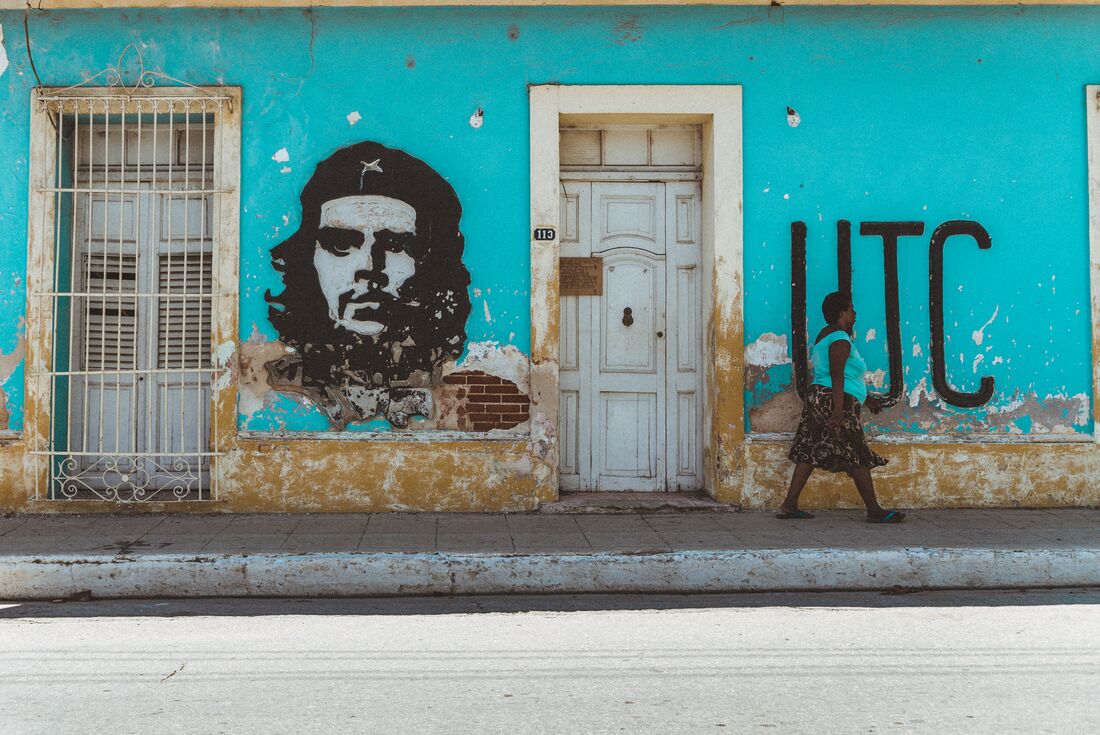
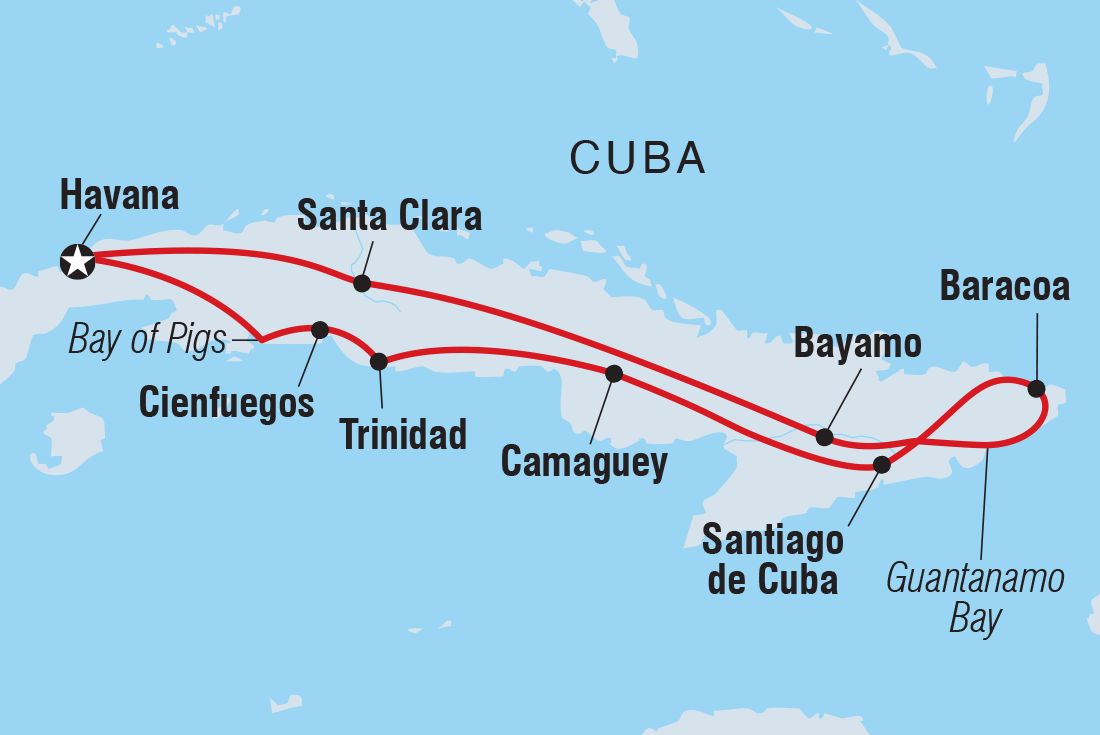
Say goodbye to Havana and head towards Santa Clara – the final resting place of Cuba’s most famous son, Che Guevara. Visit his mausoleum and memorial – Che's remains were brought here after they were found in a remote corner of Bolivia in 1997, where he was assassinated by the CIA-backed Bolivian army. Check out the impressive bronze statue of Che bearing his rifle and learn about his life. After, check into your guesthouse, join your leader for an orientation walk, then enjoy the rest of the afternoon free.
Day 4: Bayamo
Today, continue your journey to Bayamo. On the way, stop at Ciego de Avila to visit a local jewellery workshop that sprung from a community-based project that provides training to young people and the unemployed. Much of the work on display here is from local artisans, made from discarded silverware that’s repurposed and recycled. After checking it out, continue to Bayamo, one of the original Spanish settlements – you’re more likely to see locals travelling on horses than in cars here. Take a walk through the slow-paced city, then settle in for a restful night.
Day 5: Baracoa
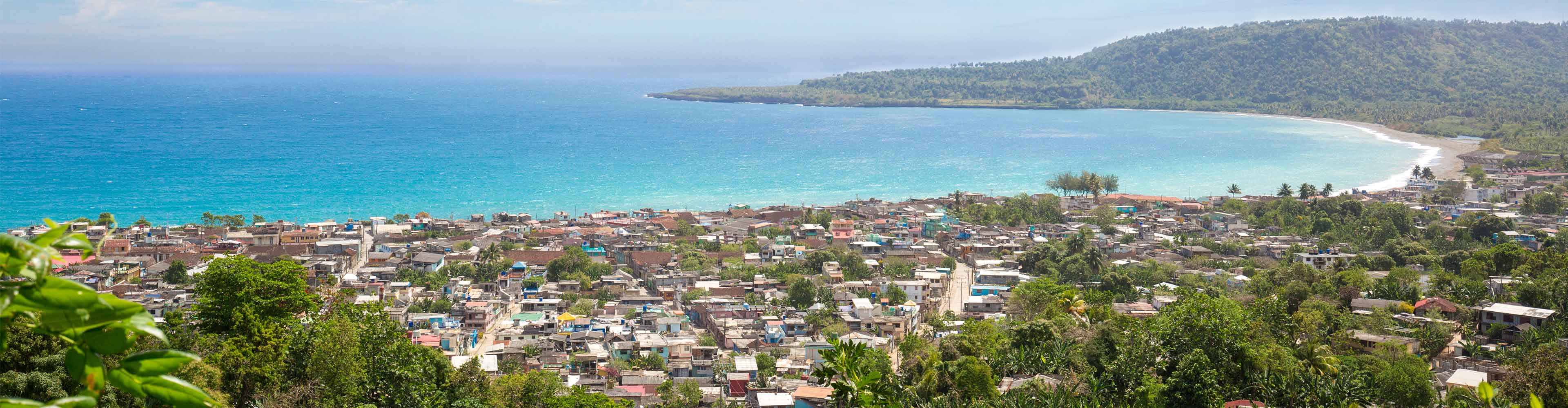
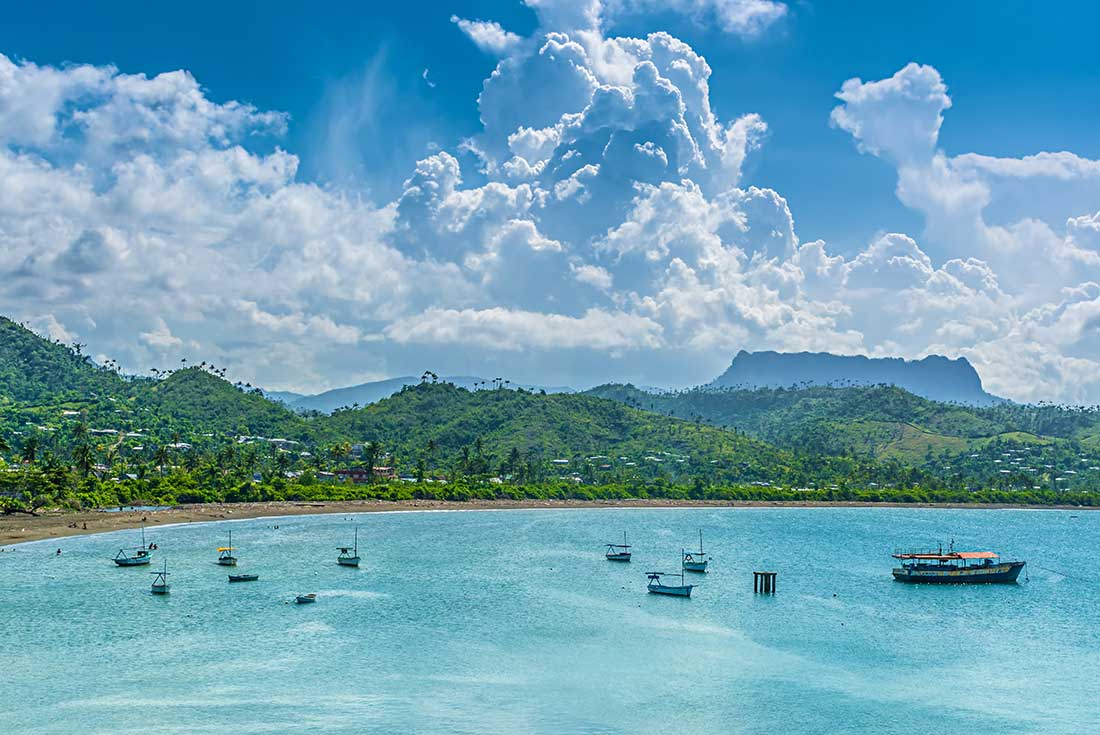
This morning, hop back on the bus and travel through central Cuba to Baracoa, tucked between forests and the Caribbean Sea. On the way, stop at Guantanamo Bay and, if time permits, visit a lookout over the Guantanamo Naval Base and surrounding bay. When you arrive in Baracoa, get your bearings on a walk with your leader. The town was only accessible by sea until 1960, and even after a road linking Baracoa to Guantanamo was built, the settlement maintains a small-town feel. Then, have some free time, maybe to wander along the beautiful Malecon, chill at the beach or explore the forts that were built to withstand pirate attacks. Or, perhaps you’d like to visit the Catedral de Nuestra Senora de la Asuncion to see the bust of the Indigenous leader Hatuey.
Day 6: Baracoa
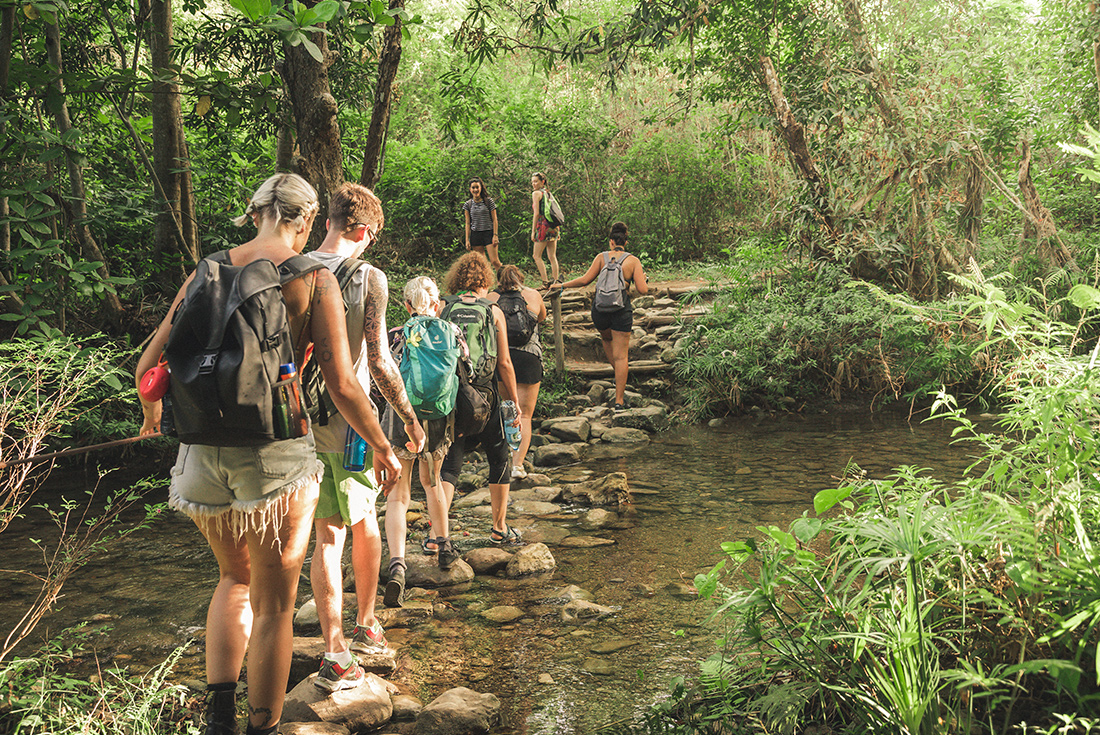
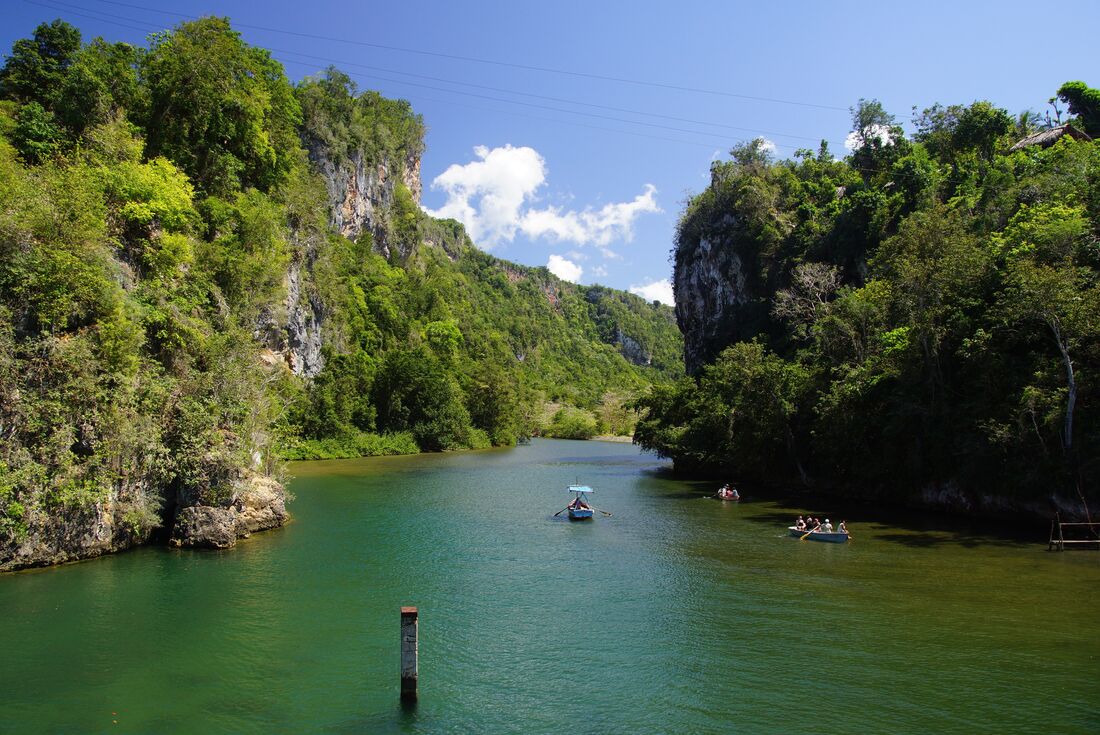
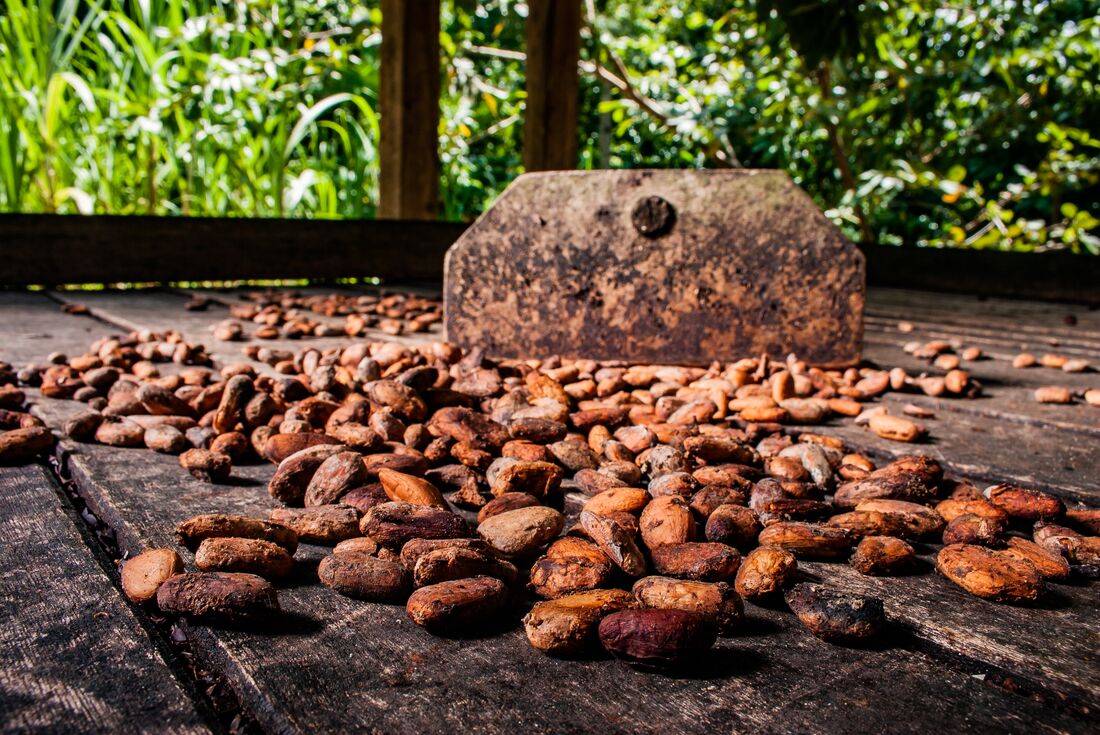
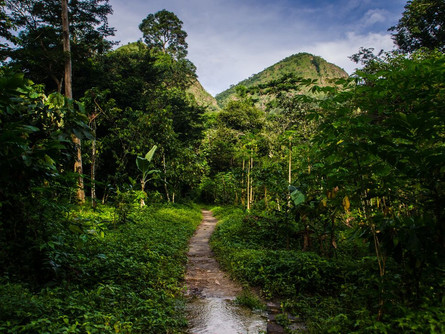
After breakfast today, it’s on to Boca de Yumuri Canyon. On the way, visit a local cocoa plantation and learn about these magic beans. When you arrive in Baracoa, take a walk through the lush natural landscapes and hop in a cayuca (traditional boat) for a cruise through the canyon, formed by the Yumuri River. From the boat, maybe cool off with a swim in the river. Then, return to Baracoa for a free evening. As one of Cuba’s major agricultural zones, Baracoa is a great place to try local foods like chocolate, prawns in coconut sauce and banana-stuffed tamales. Don’t miss the cucurucho (a sweet treat of coconut, sugar and fruit wrapped in dried, cone-shaped palm leaves).
Day 7: Santiago de Cuba
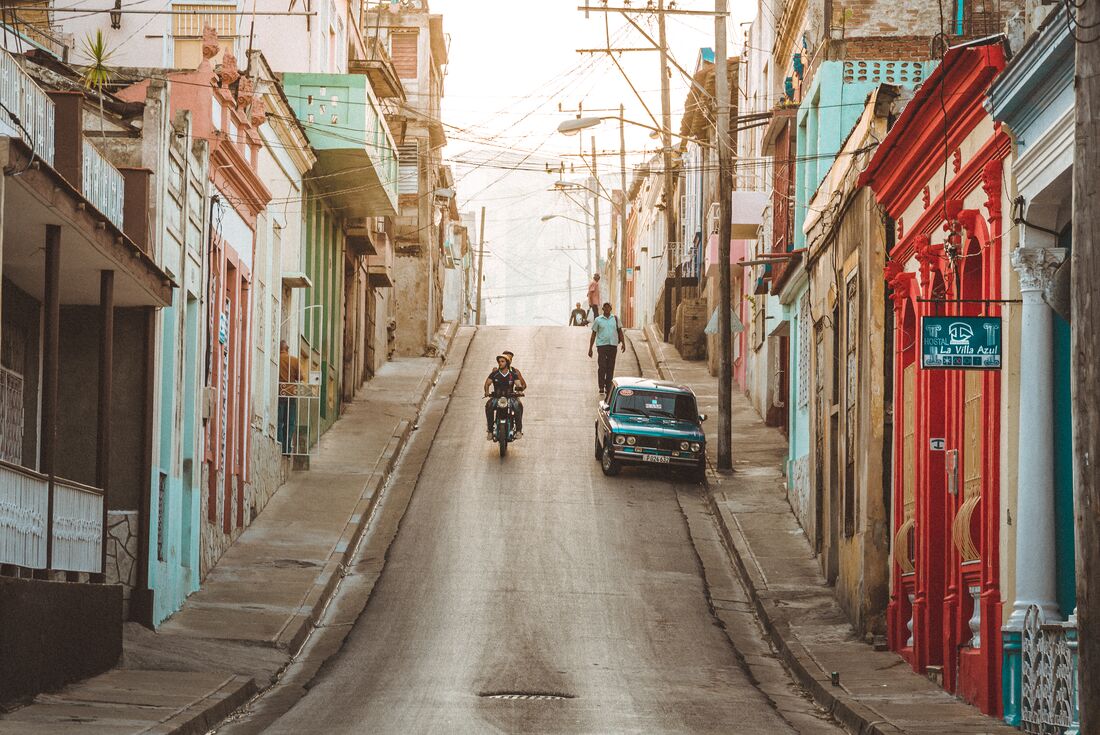
Today’s spectacular journey to Santiago de Cuba will take you through the mountains and along the Atlantic coastline to the arid region surrounding Guantanamo. Arrive in the hottest place in Cuba – both in temperature and atmosphere – in the mid-afternoon. Set between the Sierra Maestra Mountain Range and the Caribbean, Santiago de Cuba’s historical centre retains a timeworn atmosphere, making for some great photo opportunities. After an orientation walk with your leader, perhaps join with some of your travel buddies and head out for a group dinner. Or, get a good night’s rest before a day of exploration tomorrow.
Day 8: Santiago de Cuba
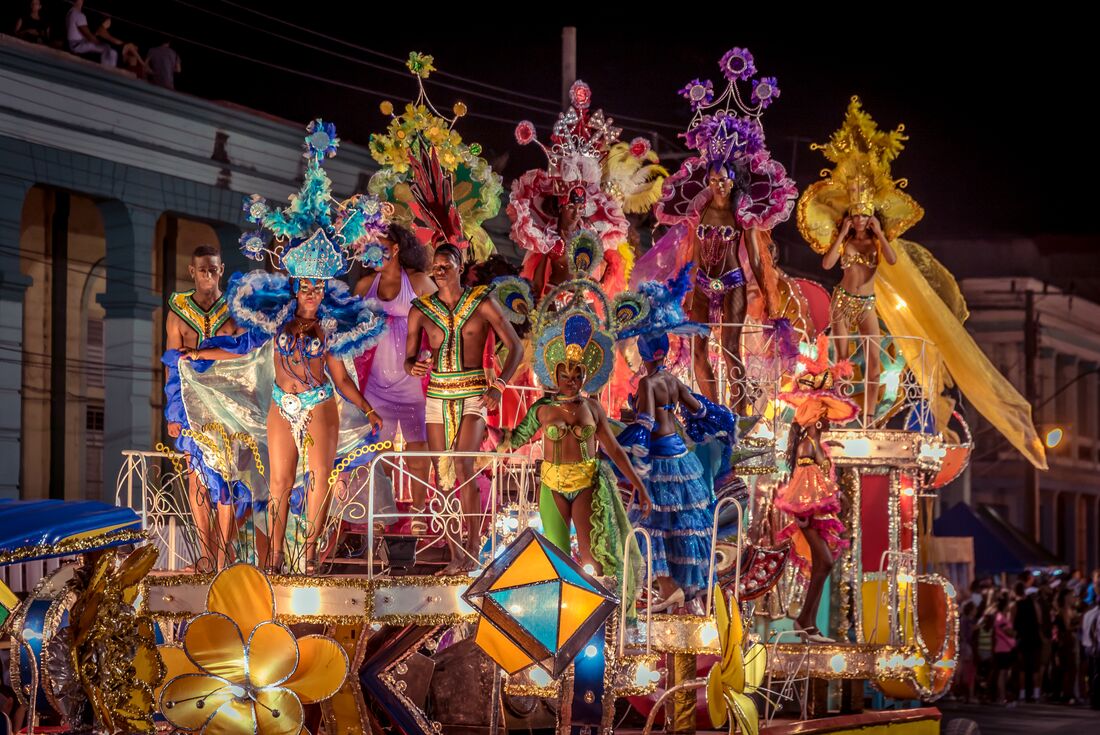
Set off on a half-day city tour this morning to learn more about Santiago’s backstory. Trace its revolutionary history at El Morro Castle, Ifigenia Cemetery and the Moncada Barracks. Learn how the city served as Cuba’s seat of power for nearly a century and became a key centre of resistance – it was here that Fidel Castro declared the triumph of the Revolution. This afternoon is yours, so maybe enjoy some downtime if you plan to head out in search of live music and some dancing tonight. With a strong Afro-Cuban heritage, Santiago is considered Cuba’s capital of music and is home to a mix of Spanish guitar and African percussion.
Day 9: Camaguey
Head east along the Carretera Central to Camaguey today. When you arrive, explore the winding streets on a leader-led walk – the city was planned in a deliberately confusing pattern to disorient any would-be assailants – and look out for tinajones (large clay pots used for collecting water). Stop by the Iglesia de Nuestra Senora de la Soledad to see its Baroque frescoes, then the rest of the day is free to uncover more of the city’s history at your own pace.
Day 10: Camaguey
If you found Camaguey’s labyrinth of streets confusing yesterday, you’ll look forward to today’s locally guided bicycle taxi tour. Cycling is a popular form of transport in Cuba and you'll see plenty of other ‘bici-taxis’ as you visit a local market, an art gallery and some of the local parks and plazas. Later, your leader will take you to a local bar where you'll get to compare white rum to aged rum – Cuba is known as the origin of some of the world's smoothest and most sought-after rums.
Day 11: Trinidad
Today, you’ll travel through the centre of the country to Trinidad on the scenic Caribbean coast. This incredibly well-preserved city is steeped in religion, including the Afro-Cuban religion of Santeria. When you arrive, head out on an orientation walk and get a feel for the former wealth generated by the sugar industry through the town's once-grand mansions, colourful public buildings, wrought-iron grill work and cobblestoned streets. This evening, you might like to head out to dinner and to hear some live music with your fellow travellers – maybe try Trinidad’s signature local cocktail, La Canchanchara, made with rum, honey and lemon and usually served in a pottery cup.
Day 12: Trinidad
Today, you'll have plenty of free time in Trinidad. Maybe choose to step into Cuba’s rich musical traditions with an informal salsa class. Many African and French-influenced music styles that have left a mark on the world originated here, like the mambo, cha-cha-cha, son and rumba. Or, perhaps you’d like to explore by bike – this is a great way to see the local area, but like its cars, Cuba's bicycles are vintage, which means a little bit of practicality may be sacrificed for the romance. If you’re craving beach time, maybe head to Playa Ancon and relax on the sand, take a swim in the clear waters or head to one of the beachside restaurants. If you’re up for it, spend the evening at one of the town’s live music venues or attend an open-air folklore show.
Day 13: Cienfuegos
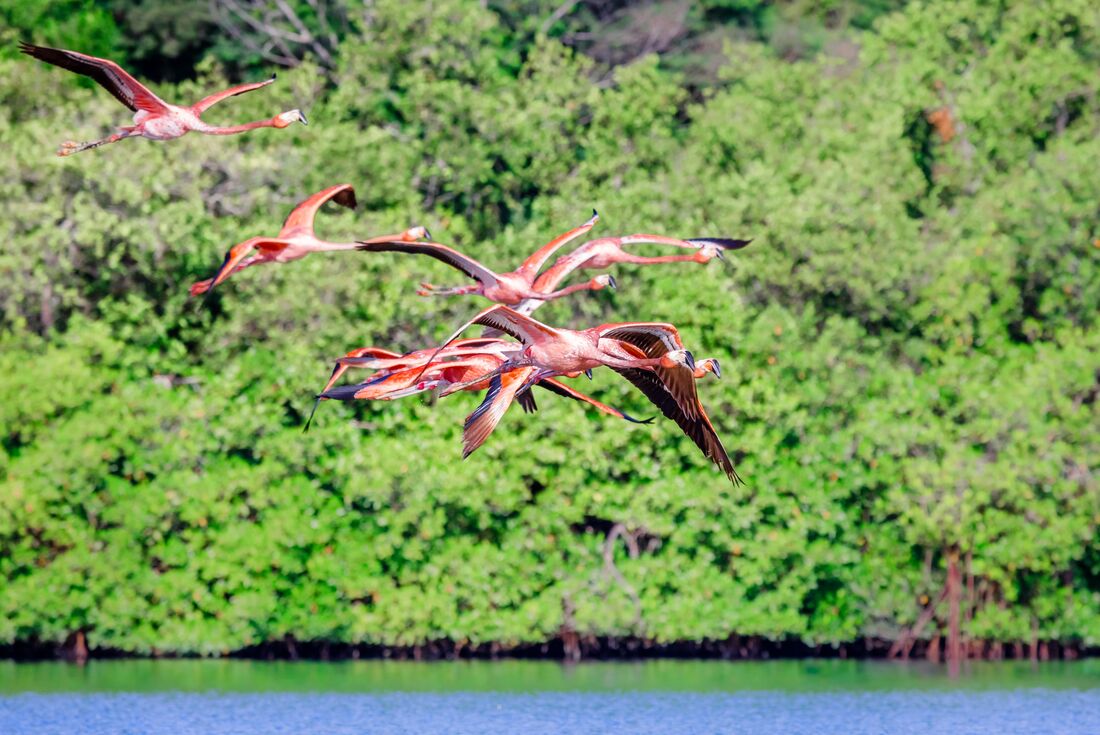
Travel on to Cienfuegos today, known affectionately as 'The Pearl of the South.’ Part of the city's appeal lies in its historic centre, which features wide Parisian-style boulevards and elegant colonnades. On the way, stop at Guanaroca Lagoon, one of the most unique ecosystems in Cuba. Hop in a boat for a lagoon tour and maybe glimpse pink flamingos, sea coruas, gannets and Florida ducks in their natural habitat. Then, continue to Cienfuegos, arriving along the peninsula in view of the renowned, Moroccan-influenced Palacio del Valle. Settle in, then join your leader on an orientation walk to admire the city’s Neoclassical architecture and glittering bay. Then, enjoy an afternoon for your own discoveries, perhaps finding a spot for a local cup of coffee. Maybe visit the Jardin Botanico de Cienfuegos, or head to Club Cienfuegos for a sunset cocktail.
Day 14: Havana
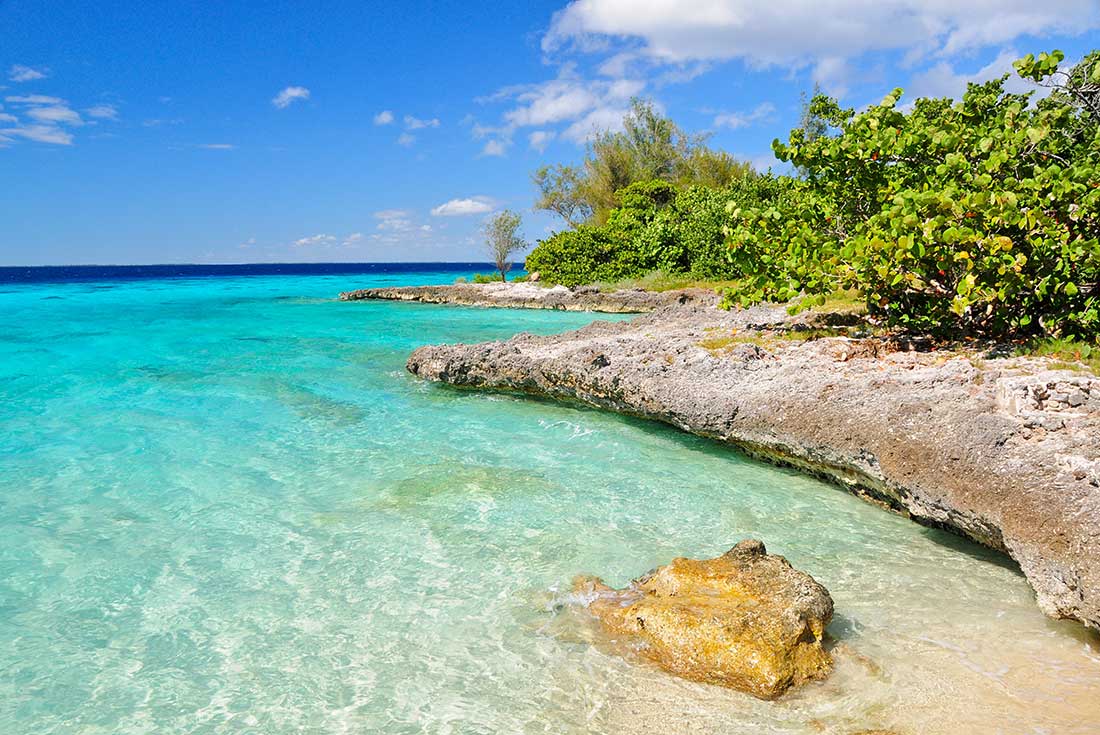
Return to Havana today, stopping at a local cigar factory along the way, where you’ll learn the process of manufacturing the popular Cuban cigar. Then, carry on to the Playa Giro, which sits on the eastern side of the Bahia de Cochinos (the Bay of Pigs). If there’s time, you may have the chance to swim or snorkel in the crystal-clear Caribbean waters, with a deep underwater wall and a huge variety of coral and fish. After, continue your journey to Havana. At the end of a long day, it's time for a mojito and one final night of salsa in Habana Vieja's bars. Why not hit the streets and celebrate the end of a fantastic adventure!
Day 15: Havana
With no further activities planned, your adventure comes to an end after breakfast this morning. If you’d like to extend your stay, just get in touch with your booking agent.