
Day 1: Baku
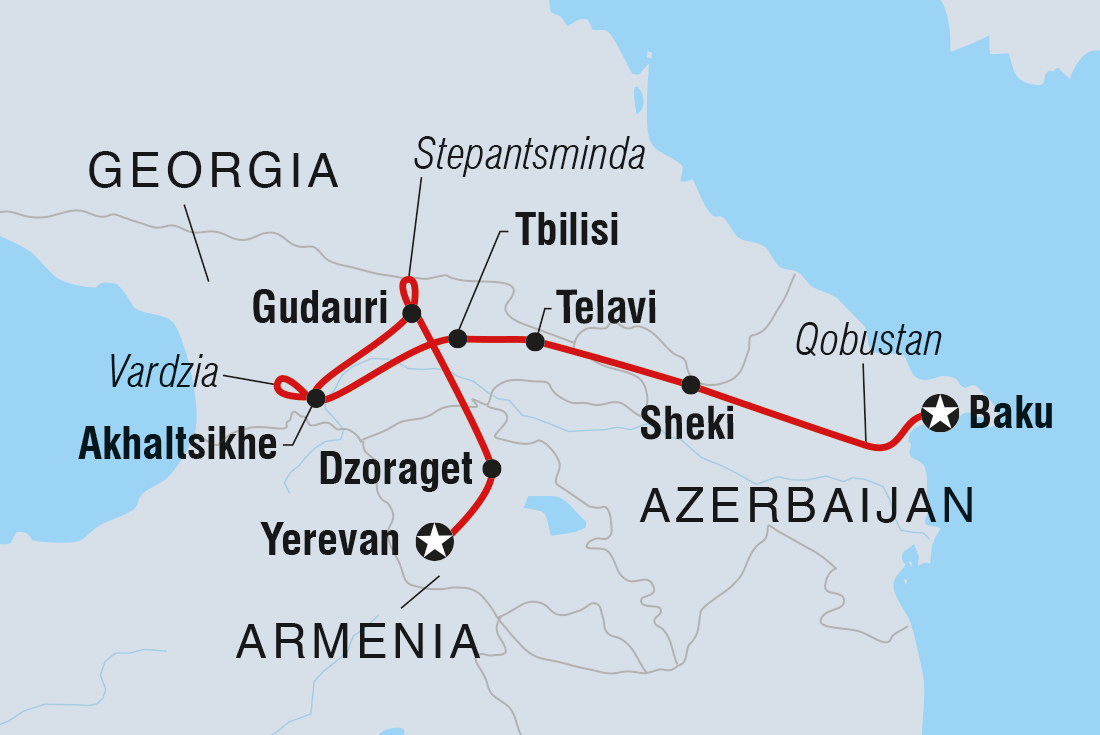
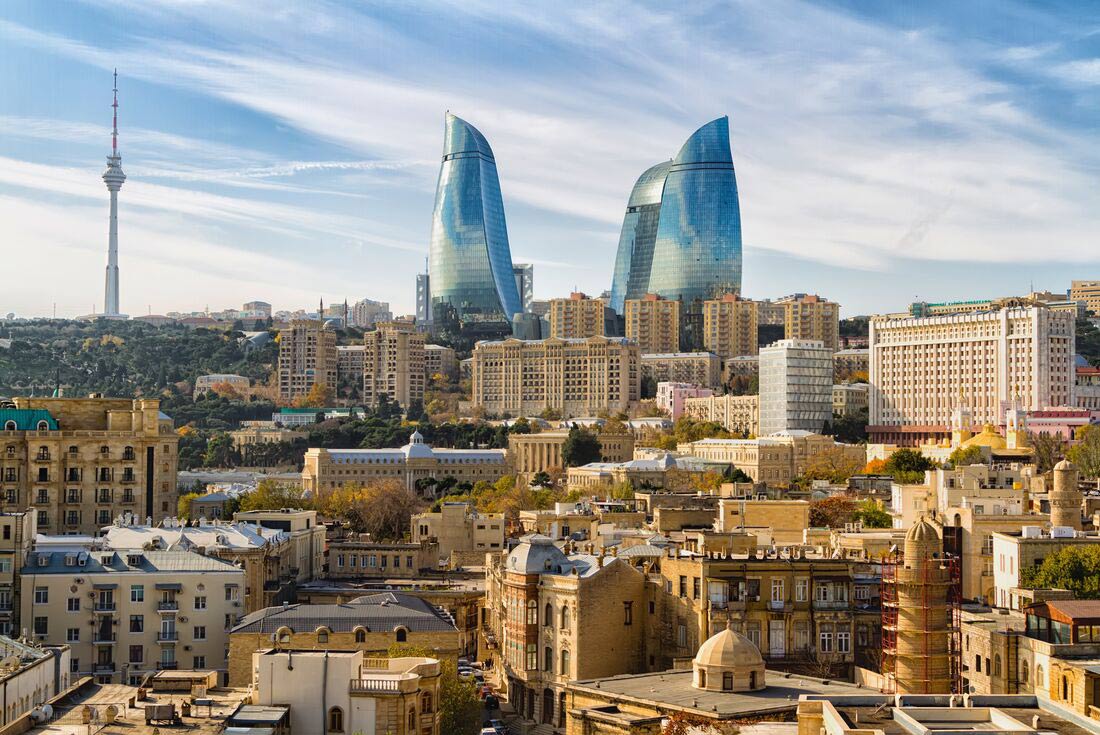
Salam aleykum! Welcome to Azerbaijan. When you arrive at Baku Airport, you’ll be met by a representative and transferred to your hotel. Look around and see Baku’s ancient fortified buildings standing next to Russian imperial–style squares and ultra-modern architectural wonders. Your adventure begins with a welcome meeting at 6 pm, where you’ll meet your local leader and fellow travellers. If you arrive with time to spare, maybe walk down Nizami Street and observe its Baroque, Neo-Gothic and Neo-Renaissance architecture. After your meeting, head out for a local dinner with your new companions.
Day 2: Baku
This morning, embark on a tour of the city with a local guide. Visit the fortified Old City, once the medieval capital, where your guide will weave together the history of Baku, from the rule of the Shirvanshahs to the cosmopolitan city you see today. If you like, stop by the Shemakha Gate, the Maiden Tower and Old Market Square, ending with a guided tour of the Palace of the Shirvanshahs. Make sure to take plenty of photos of the panoramic views of the skyline. The rest of the day is free to explore at your own pace.
Day 3: Baku
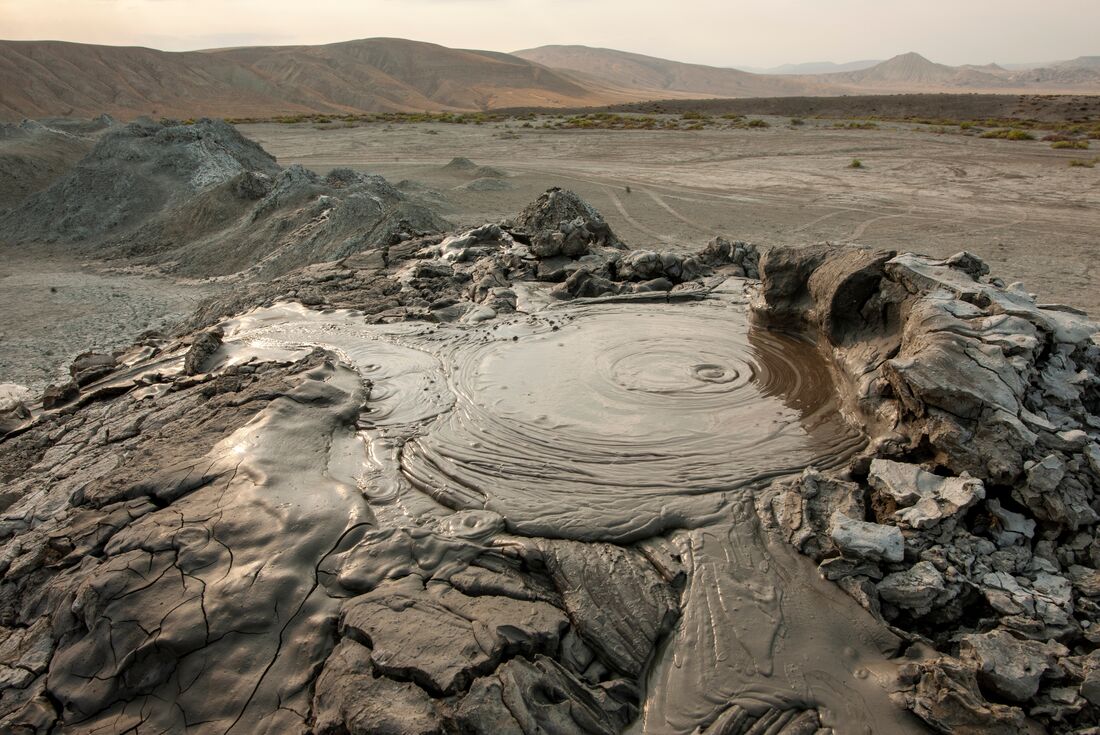
This morning, head out of the city on a half-day trip to Qobustan, about 60 km (37.2 mi) south of Baku. Stop along the way to view old oil rigs and learn how Azerbaijan was one of the birthplaces of the oil industry. Visit Qobustan National Park and one of the world’s largest open-air archaeological museums, where a local guide will share the stories of ancient rock art dating back some 40,000 years. The prehistoric carvings depict scenes of hunting, fishing and gathering. While here, visit the impressive mud volcanoes that create the surreal lunar landscape. Return to Baku in the afternoon for free time. Maybe visit one of Baku’s most significant modern landmarks – the Heydar Aliyev Center, designed by Zaha Hadid. This evening, you might like to take a walk along the waterfront to find a restaurant for dinner, keeping an eye out for the Baku Eye and Flame Towers that light up the city skyline at night.
Day 4: Sheki
Leave Baku and head for the Caucasus Mountains in the northwest of Azerbaijan. Watch arid landscapes slowly give way to densely forested mountains. Along the way, you’ll stop at the Yeddi Gumbaz Mausoleum and the Juma Mosque in Shamakhi. When you arrive in Sheki, visit a local craft workshop where the famous shebeke (stained-glass windows with intricately carved frames) are made by hand. You’ll also visit the acclaimed Palace of Sheki Khans to see its magnificent frescoes and stained glass. Enjoy a final evening of Azerbaijani cuisine during dinner at a local restaurant.
Day 5: Telavi
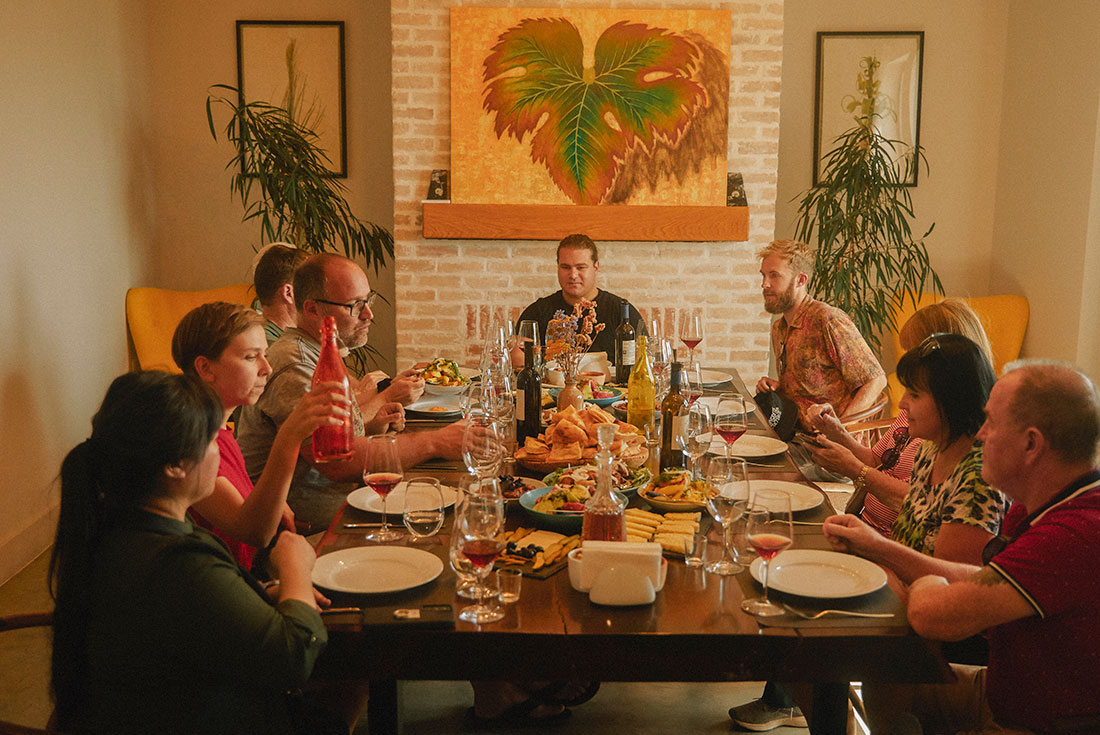
After breakfast, drive to Lagodekhi – a town at the Azerbaijan–Georgia border where you’ll change transportation. From here, travel to Georgia’s Kakheti region, known for its winemaking. Stop in Sighnaghi, one of Georgia’s most stunning towns, overlooking the Alazani Valley and the Caucasus Mountains. After, travel to your accommodation in Telavi. Your hotel has an outdoor swimming pool, as well as its own cellar showcasing wines produced by female winemakers. Have dinner (outdoors if the weather’s nice) with a local winemaking family. This private culinary experience is a great time to try specialty orange and red wines, as well as chacha (a local brandy). Soak up the celebratory feel of a traditional supra feast, with plenty of delicious homemade cuisine, toasts and Georgian polyphonic music, prevalent in the Kakheti region.
Day 6: Telavi
Enjoy a relaxing start to your morning, then get a taste of local life at the Telavi Food Market. Wander the stalls and feast your senses on the region’s delicacies – there are specialty cheeses, wines and sweets to try! Next visit Batonistsikhe Castle, a remarkable and superbly preserved 17th-century fortress in the centre of Telavi, which was once the most important residence for the royal family of the Kakheti Kingdom. After, drive to the remote and beautiful Pankisi Valley, inhabited mainly by the Muslim Kist community. You’ll take a cultural walking tour of the valley, led by local Kists and designed to support young people in building skills and earning an income. Enjoy a traditional lunch in the valley, then return to your accommodation for a free evening.
Day 7: Tbilisi
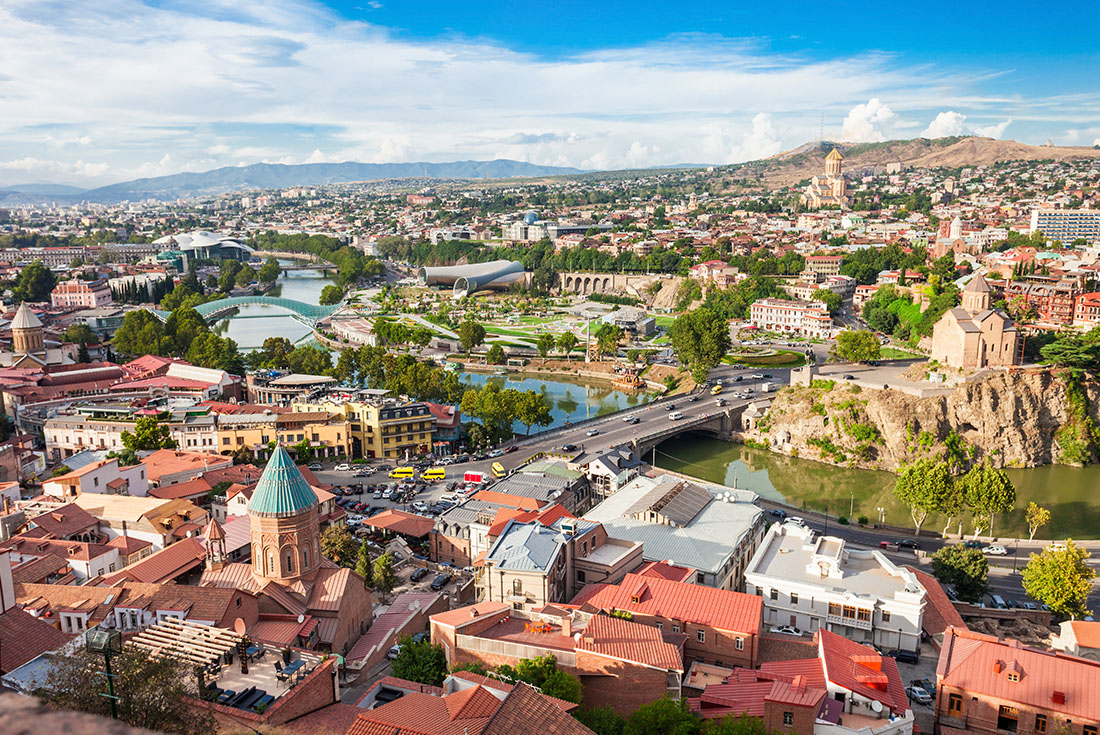
Following breakfast, drive to Tbilisi. Check into your hotel, a historical building once owned by a noble family and overlooking Georgia’s presidential palace. The hotel has played host to aristocrats, famous writers and public figures. You’re free to explore Tbilisi at your own pace when you arrive, so you might like to wander the old districts of Georgia’s capital to see the colourful houses, patterned balconies and revamped modern architecture. Your leader will always have some great restaurant recommendations ready for dinner.
Day 8: Tbilisi
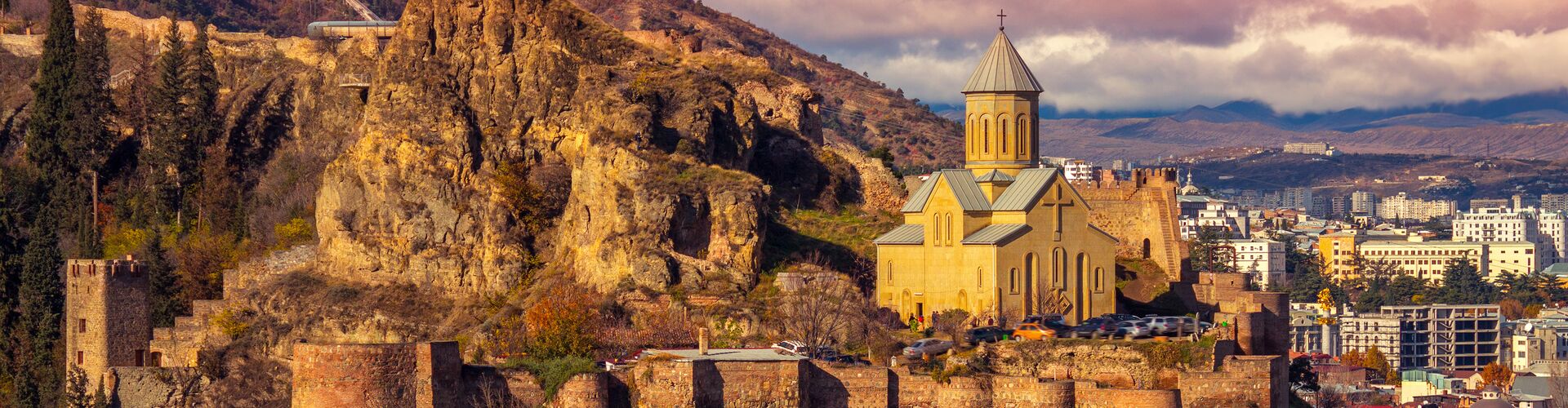
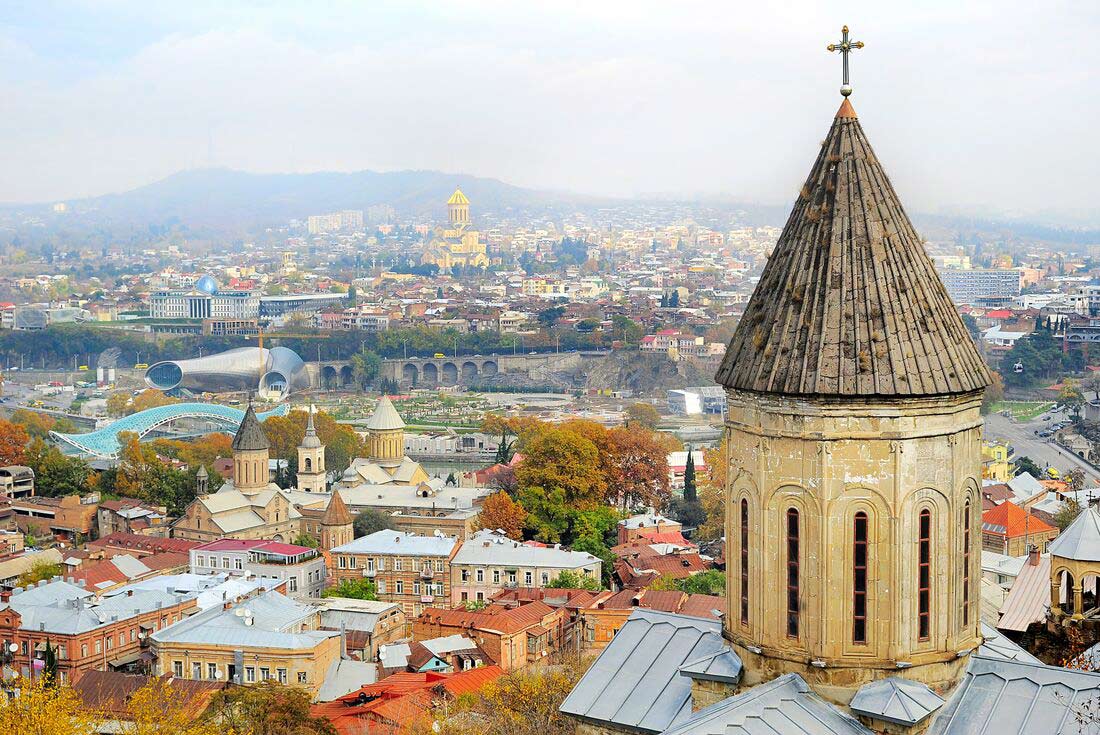
This morning, set out on a walking tour with a local guide to explore Tbilisi’s Old Town and uncover more about the city’s past. Visit the 6th-century Anchiskhati Basilica, take the cable car up to the ancient Narikala Fortress – a former Persian citadel dating back to the 4th century. Enjoy sweeping view of the city as your guide shares the layered history of the fortress. The name Tbilisi translates to ‘warm place’, a reference to the bubbling hot springs around which the city was founded. In the afternoon, you may wish to continue the theme with a visit to one of Tbilisi’s traditional bathhouses for a rejuvenating dip.
Day 9: Akhaltsikhe
Today, you’ll visit Mtskheta – the ancient capital and religious centre of Georgia. Visit World Heritage–listed sites with your local guide as they share fascinating histories. After, visit the Tserovani Refugee Settlement – home to 8000 people displaced by the 2008 conflict between the Russian Federation and the Republic of Georgia over South Ossetia. While here you’ll visit an enamel jewellery workshop run by social enterprise Ikorta (an Intrepid Foundation partner), offering training and employment to displaced youth and women within the settlement. Meet the artists whose pieces tell the story of Georgia, and with their guidance, maybe even design a piece for yourself. Have a light lunch, then tour the settlement to learn about the issues surrounding long-term displacement faced by thousands of Georgia’s citizens. In the afternoon, drive to Akhaltsikhe, a multicultural town in the southwest known for its architectural variety. Check into your Feature Stay – Hotel Gino Wellness Rabati, on the grounds on Rabati Fortress, the city’s main attraction. Feel the living history from your balcony overlooking the courtyard, which backs up to the fortress towers.
Day 10: Akhaltsikhe
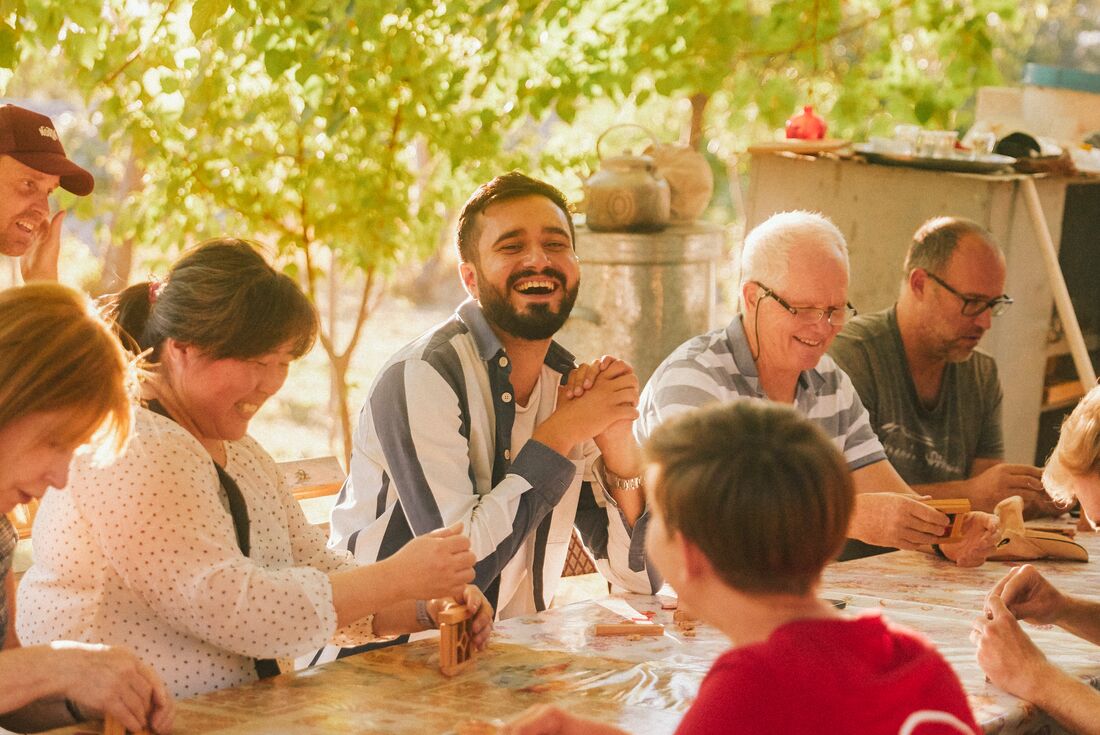
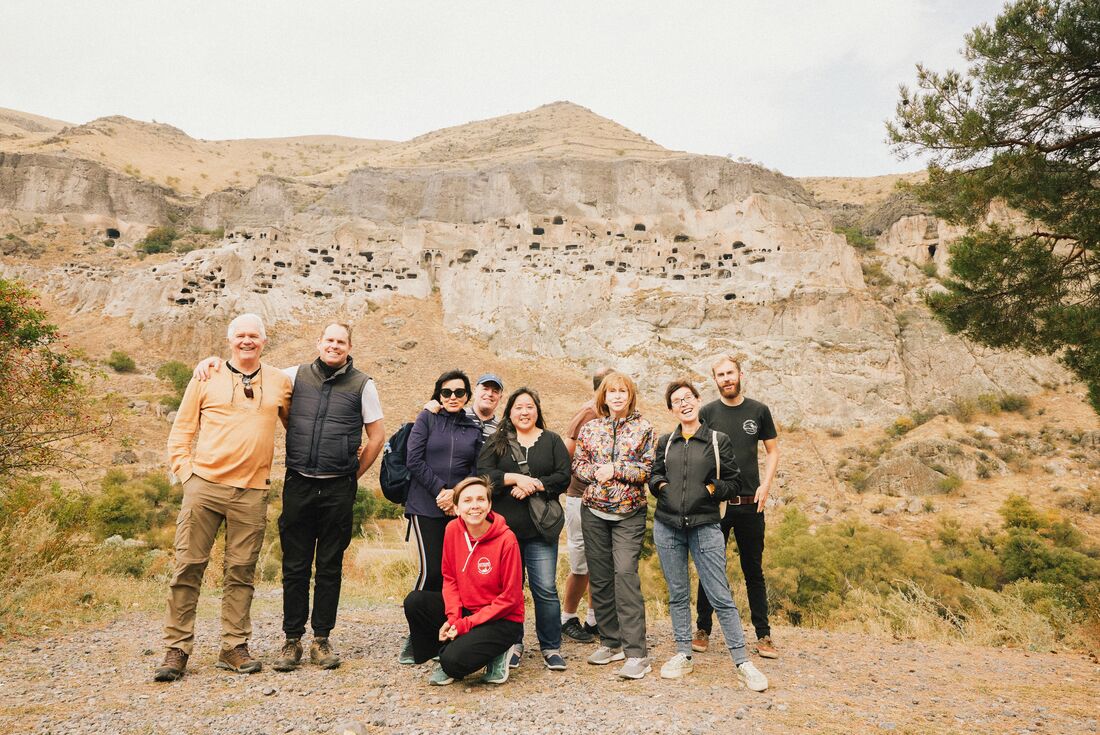
Today, drive to the once-mighty cave city of Vardzia, with a stop along the way at the 10th-century Khertvisi Fortress. Vardzia stretches over half a kilometre along the river Mtkvari and has 19 tiers of winding cobbled streets. Check out a church hewn out in rock with 12th-century frescos and a complex with dwelling quarters, small hall-type churches, refectories and wine cellars. A local guide will provide historical context and explain the rise and fall of the city, which now serves as a working monastery. On the way back to Akhaltsikhe, stop for a Signature Experience – making traditional ‘string’ cheese, or tenili. With a local family, you’ll learn the ancient technique of stretching softened curds into fine strands. This type of cheese is only produced by a few households today, usually with traditional Meskhetian feasts. You’ll work within two traditional oda houses, one over 300 years old and one with a Meskhuri oven. While you’re pulling your cheese, enjoy some traditional Georgian dishes like khachapuri and khinkali. Return to your accommodation for a restful evening.
Day 11: Gudauri
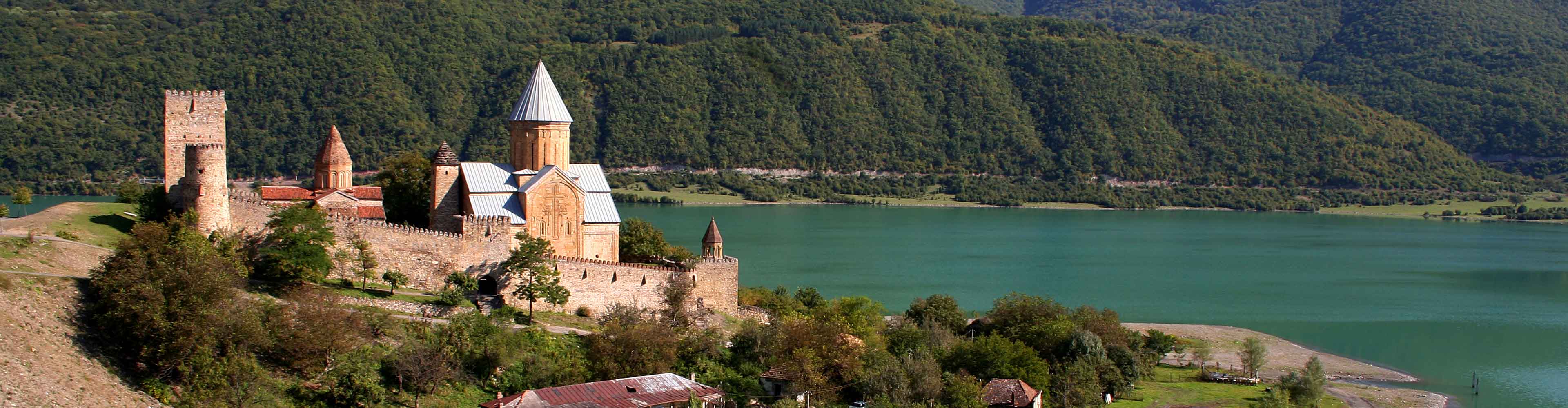
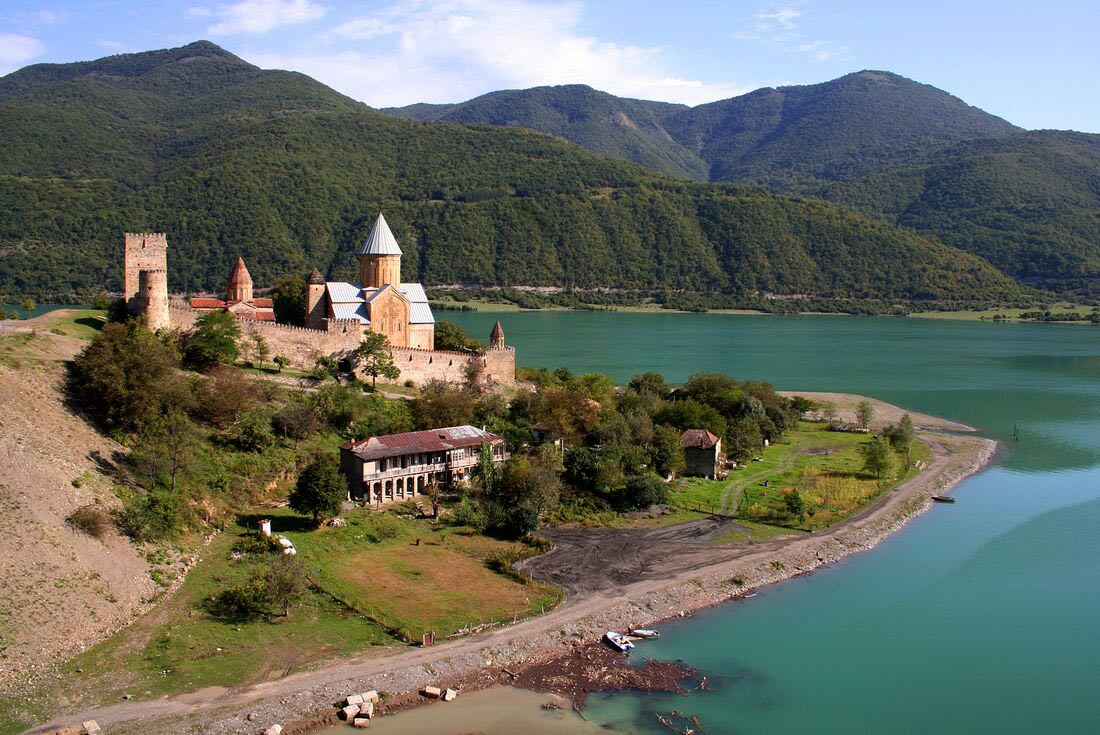
This morning you’ll visit Gori – the birthplace of Joseph Stalin. Your trip leader will take you on a city tour before you visit the Stalin Museum. See the sites of Gori, including The Memorial of Georgian War Heroes and Gori Fortress, and delve into its artistic side to see traditional ornamental mosaics. After, drive the renowned Georgian Military Highway, which eventually leads to the Georgia – Russia border. On the way, you’ll visit the Ananuri architectural complex – two churches and a fortress that overlook the Zhinvali water reservoir. Your leader will share the history of this site and explain the importance of similar fortifications in the region. Take a scenic drive through the Caucasus Mountains and arrive at your hotel in Gudauri, where you’ll have dinner with the group.
Day 12: Gudauri
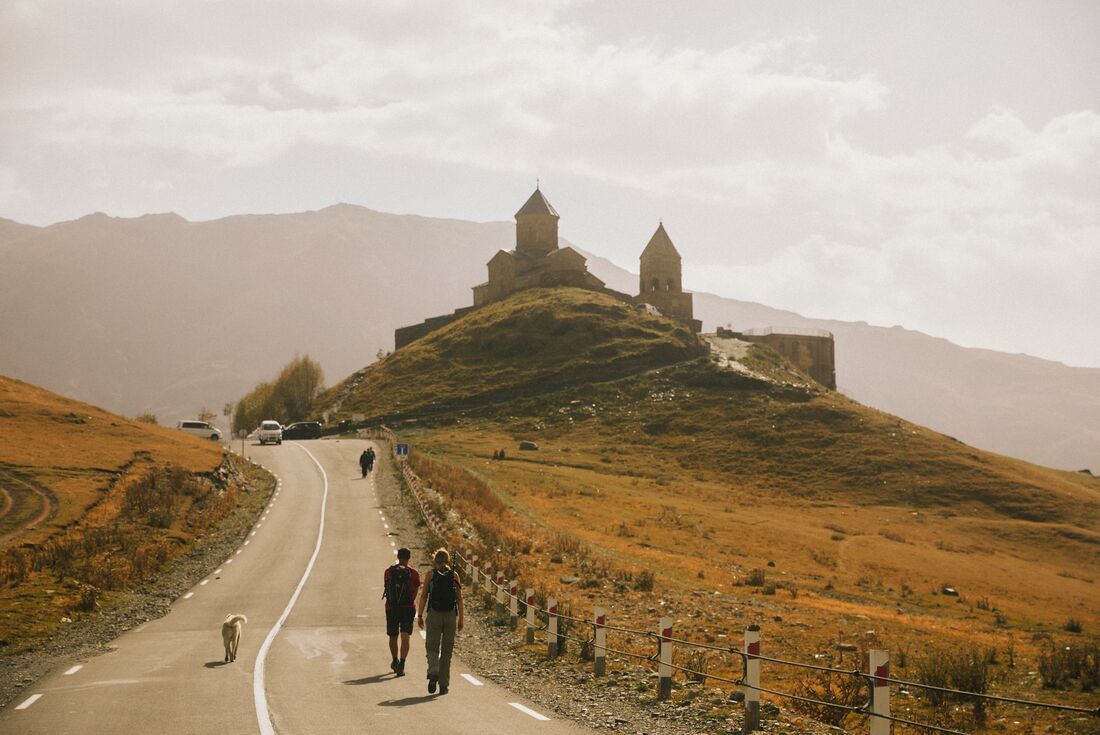
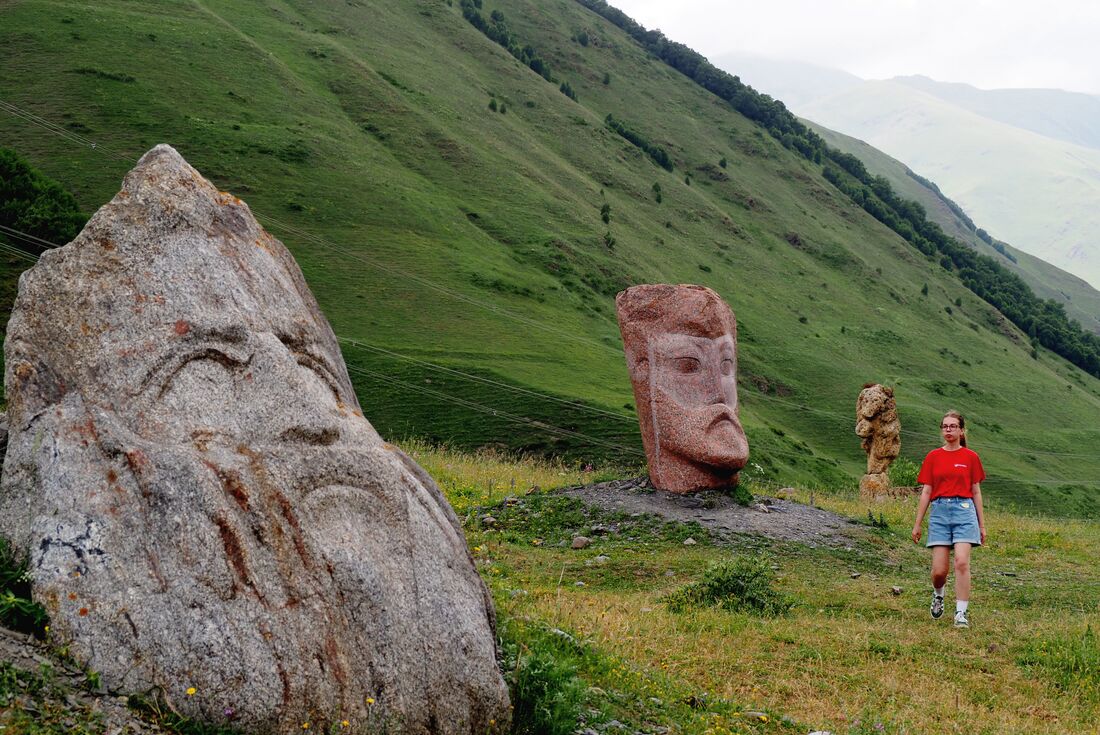
Enjoy a scenic drive from Gudauri along the Tergi River before arriving in Stepantsminda. From here, head into the heart of the Caucasus Mountains, hop in 4WDs and take the mountain road to Gergeti Trinity Church, 2170 m above sea level. Weather depending, you may catch a glimpse of Mt Kazbegi. On the way back to Gudauri, stop at the small village of Sno to explore the local version of Easter Island – a park with half a dozen massive stone heads representing famous figures of Georgian history. Return to Gudauri this afternoon for some free time – the perfect opportunity to enjoy the mountain air and views. Maybe check out your hotel facilities, including a wellness centre.
Day 13: Dzoraget
Have breakfast in Gudauri before driving to Sadakhlo – a village at the Georgia–Armenia border. On the way to the border, stop in Tbilisi to break the journey and have lunch. Continue to Armenia and after completing all the formalities, begin the Armenian leg of your adventure with a visit to Haghpat Monastery, listed as a UNESCO World Cultural Heritage site. Haghpat stands as an example of one of the most outstanding works of medieval Armenian architecture. Your leader will give you an introduction to the country’s history and design. Continue to Dzoraget, where you’ll spend the night surrounded by views of the Debed River.
Day 14: Yerevan
After breakfast, meet your Armenian driver and local guide and drive to the reflective waters of Lake Sevan, nicknamed ‘The Pearl of Armenia.’ Sevan is one of the world’s largest freshwater, high-altitude lakes. Visit Sevanavank Monastery, which overlooks the water on the peninsula. Move on to the village of Garni to visit the 1st-century Garni Temple, where your guide will explain how it was built by the Armenian King Tiridates and dedicated to Mithra, the God of the Sun. Be treated to a special local performance in the temple and hear the sounds of the Duduk – a flute-like instrument originating in Armenia and currently listed on the UNESCO Intangible Cultural Heritage List. Travel northeast of Garni, higher up the gorge of the Azat River, to the magnificent Geghard Monastery. This UNESCO World Heritage site is partly carved out of a mountain and surrounded by cliffs. In the afternoon, drive to Armenia’s capital, Yerevan, where you’ll spend the next two evenings.
Day 15: Yerevan
This morning, take a tour of Yerevan with your local guide, who will introduce you to the sights and sounds of the city. Established in 782 BC, Armenia’s capital is one of the world’s oldest cities. Nowadays, the city’s liveliness comes from its ancient culture mixed with a modern lifestyle. Visit the Armenian Genocide Museum to learn the tragic history of this region, then the afternoon is free for reflection or further exploration. Tonight, join your group for a final dinner at a local restaurant. Armenian cuisine is built on a foundation of fresh local produce and meat. Maybe try some khorovats (a barbecued kebab) or spas (a refreshing yoghurt soup).
Day 16: Yerevan
Your adventure comes to an end after breakfast this morning. If you would like to spend some more time in Yerevan, just speak to your booking agent ahead of time to organise additional accommodation.