
Day 1: Baku
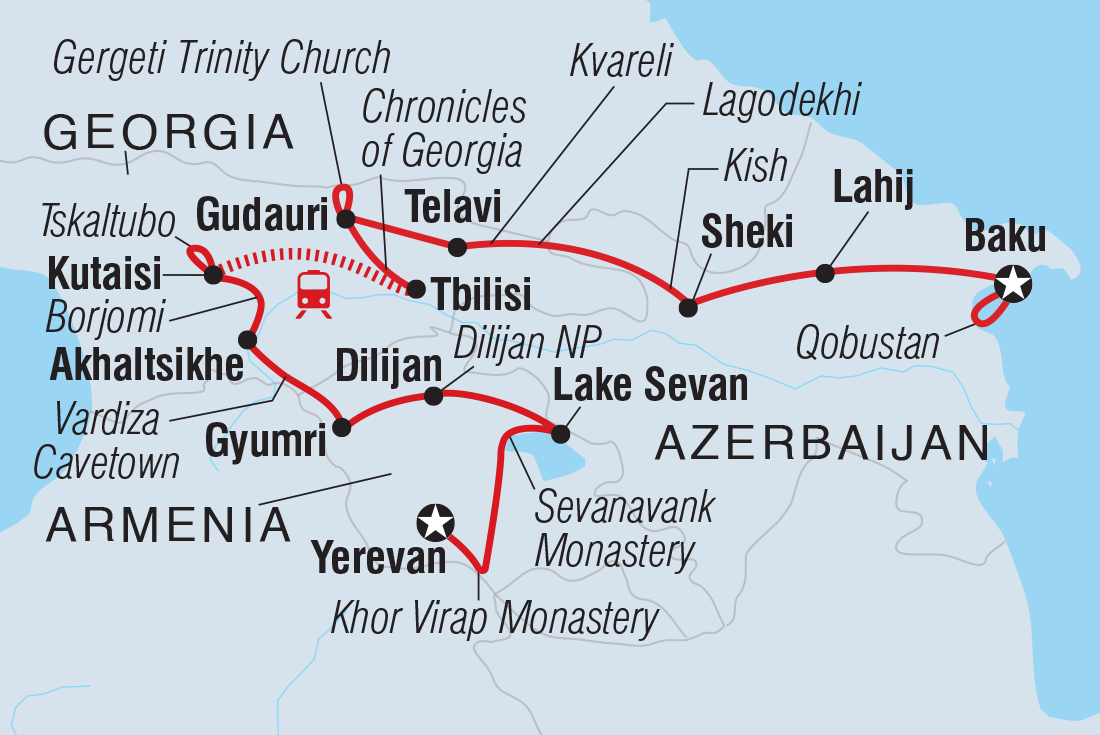
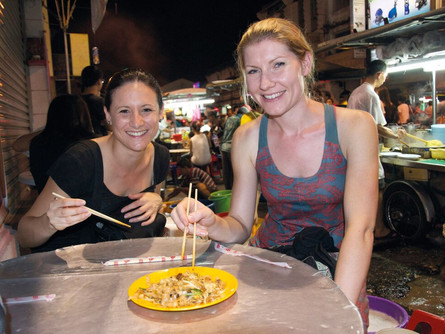
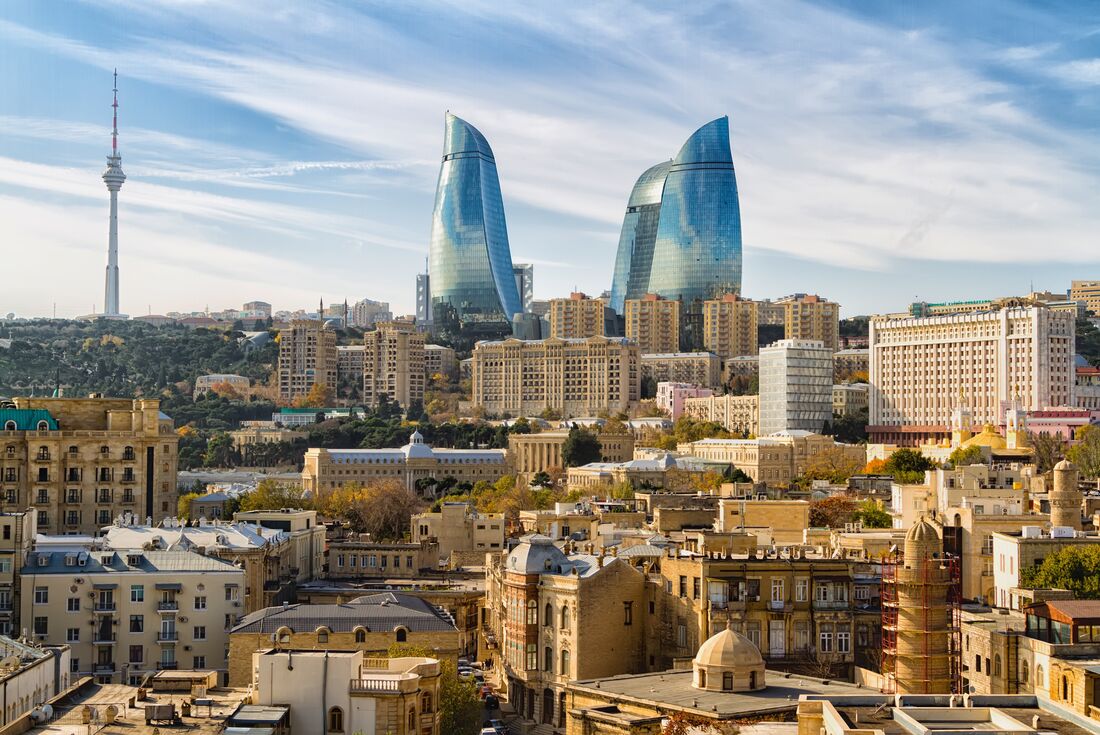
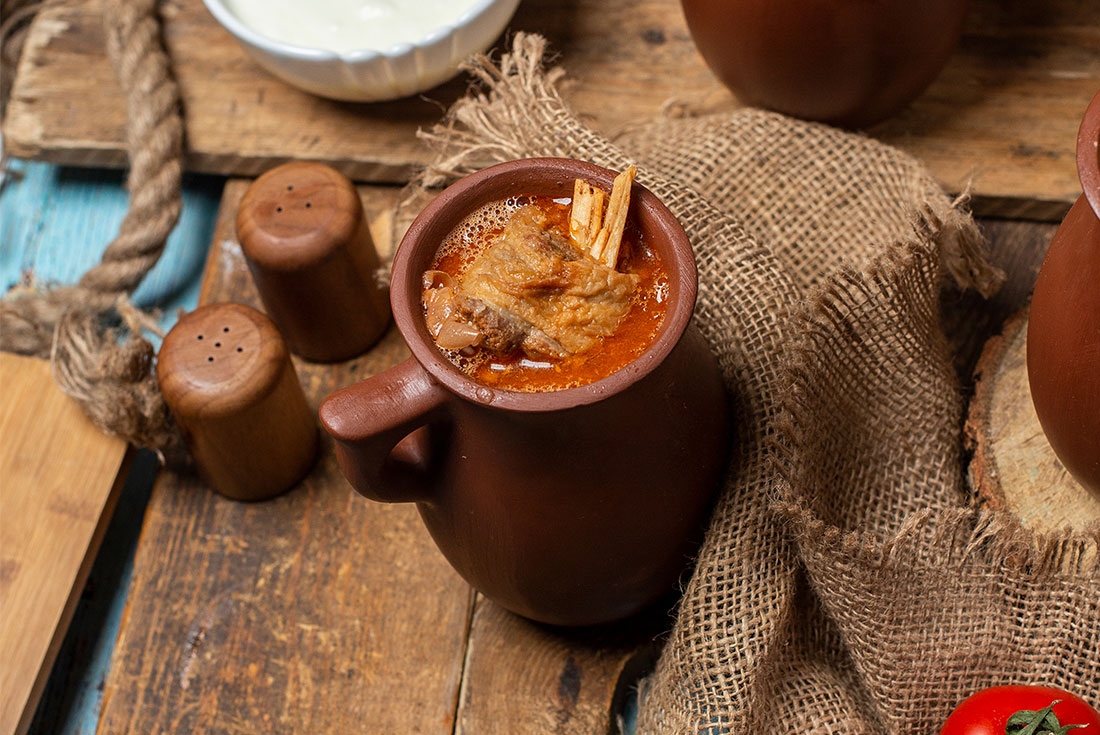
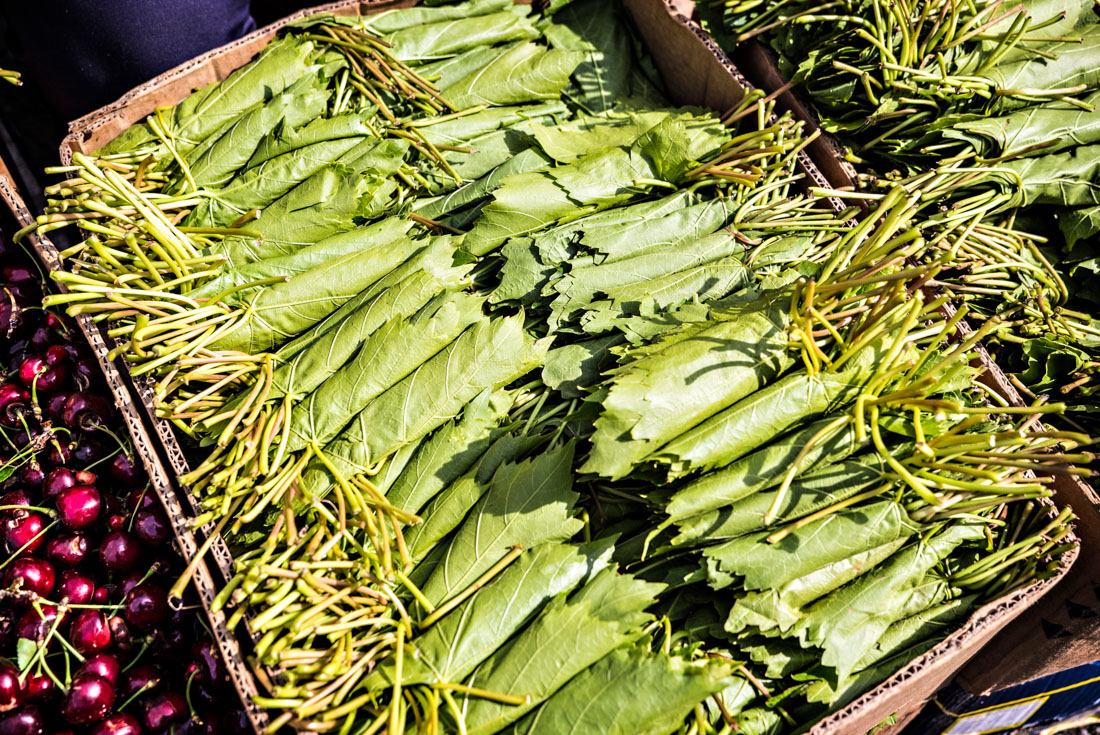
Salam! Welcome to Azerbaijan. Your adventure begins in Baku with a welcome meeting at 6 pm this evening. If you arrive early, maybe walk along Baku Boulevard, a promenade that stretches along the Caspian Sea – the world’s largest inland body of water. After the meeting, join your leader for an evening walk around Azerbaijan’s capital, where they’ll point out the best spots for dinner. Maybe get your group together for some traditional Azerbaijani dishes, like plov (spiced rice with meat, chestnuts and dried fruits, cooked in layers) or dolma (vine leaves stuffed with rice and vegetables).
Day 2: Qobustan/ Baku
This morning, drive to Qobustan – also known as Gobustan National Park – a UNESCO World Heritage site that’s famous for its ancient rock carvings and mud volcanoes. Make a stop along the way to check out these geological formations as they spew mud and gas. Azerbaijan has more mud volcanoes than anywhere else in the world, so you’re in the right place for spotting them! The rock carvings in Qobustan date back to the Stone Age, giving humans today an insight into daily life all those years ago. With more than 6000 petroglyphs on display, Qobustan is often referred to as one of the largest open-air museums in the world. Return to Baku in the afternoon and visit the walled Old Town with your leader, who’ll bring its legends and history to life. Enjoy a free evening to explore the city at your own pace. Maybe eat at a restaurant on Nizami Street – a busy boulevard with lots of authentic Azerbaijani cuisine.
Day 3: Caucasus Mountains / Lahij
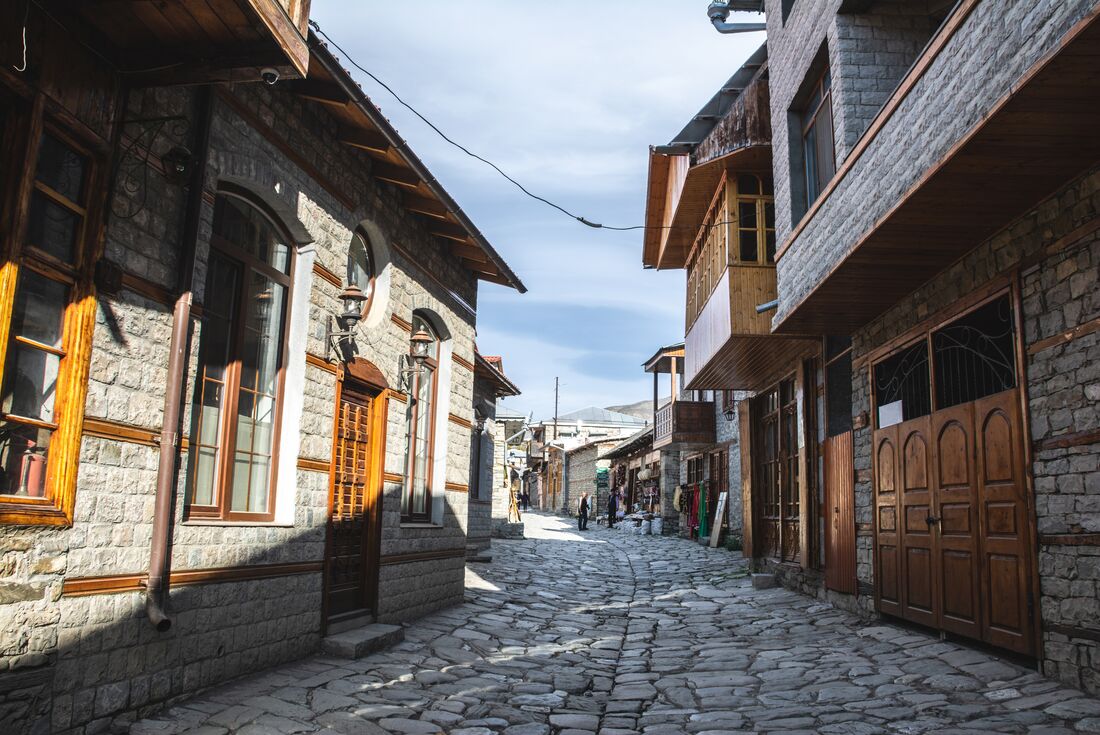
Leave Baku this morning and enjoy the change of scenery as the dry landscape gives way to densely forested mountains. Stop in Shamakhi and check out one of the oldest mosques in Azerbaijan – Juma (Friday) Mosque. Continue to your final destination for today – the traditional village of Lahij, home to the Tat people. Explore the cobbled streets and stone houses, visit a coppersmith workshop and get to know some local folk over a cup of tea. Then, try your hand at making yogurt the traditional way – an important part of Azerbaijani cuisine.
Day 4: Sheki
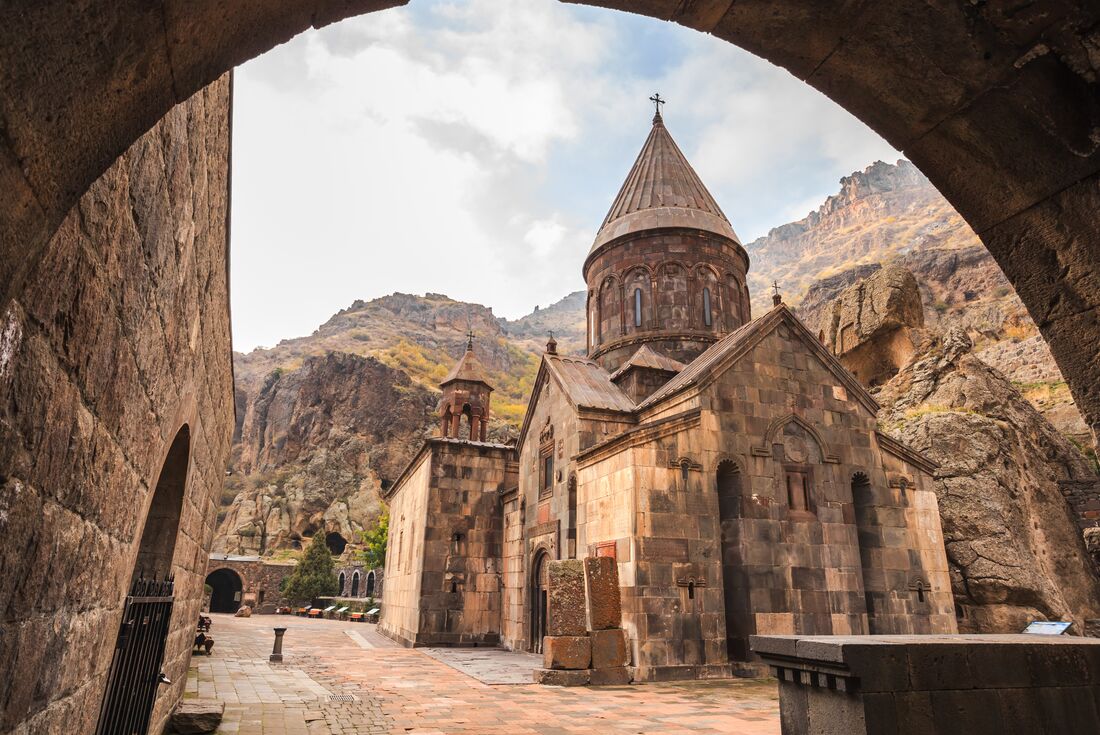
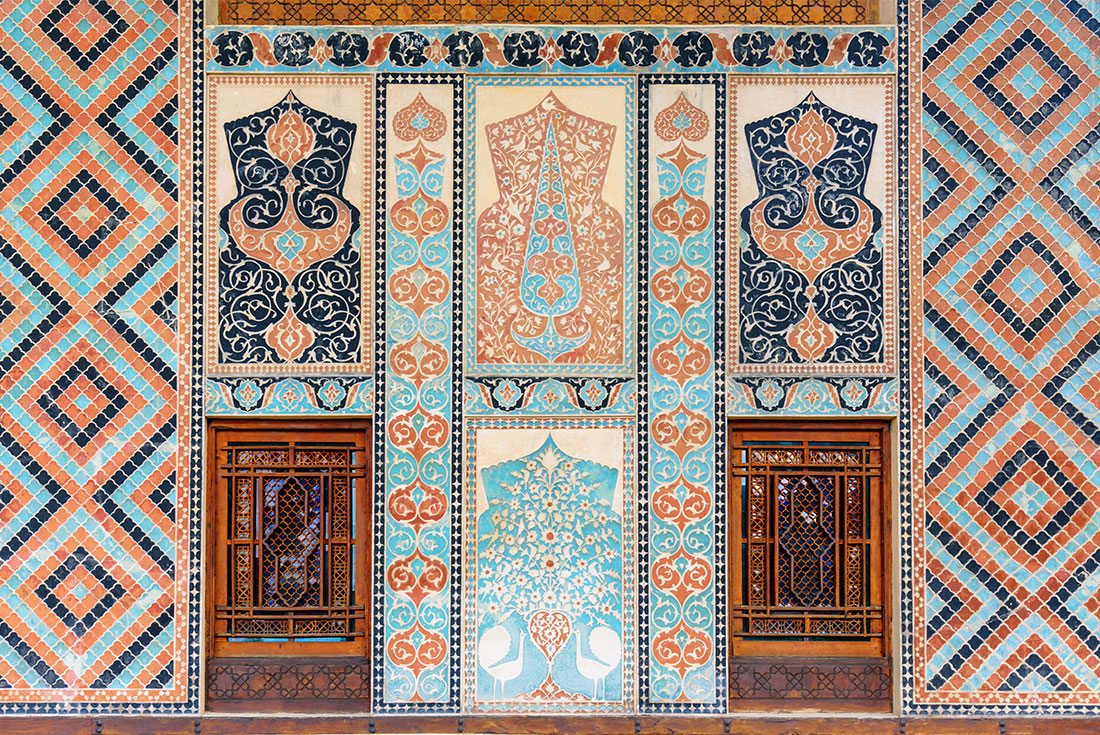
After breakfast, head to Sheki and stop on the way to visit Kish village. When you arrive, you’ll see the pointed spires of the 12th-century Church of Kish, a stunning monument to the ancient state of Caucasian Albania, Then continue to Sheki and visit the Palace of Sheki Khans. The walls of the palace are painted with scenes of hunting and war and feature impressive stained glass. After, check out a workshop where shebeke – stained-glass windows made with no glue or nails – are produced by local masters with skills passed down through generations. Settle into your hotel afterwards and enjoy a relaxed evening.
Day 5: Telavi
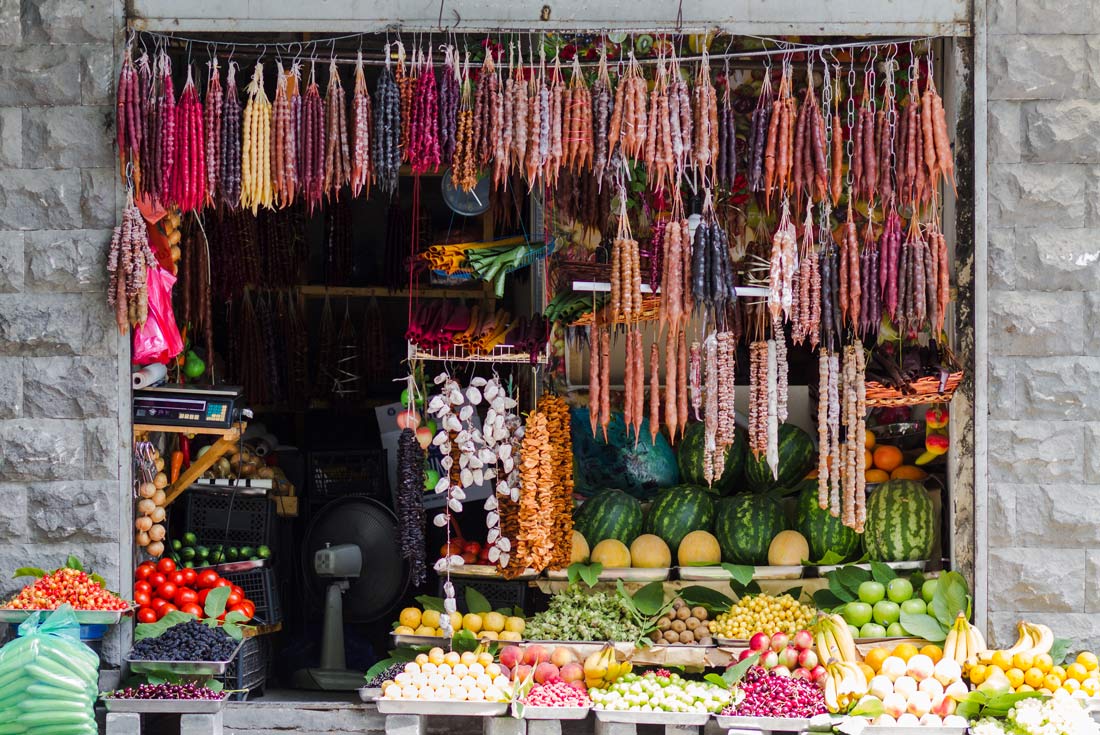
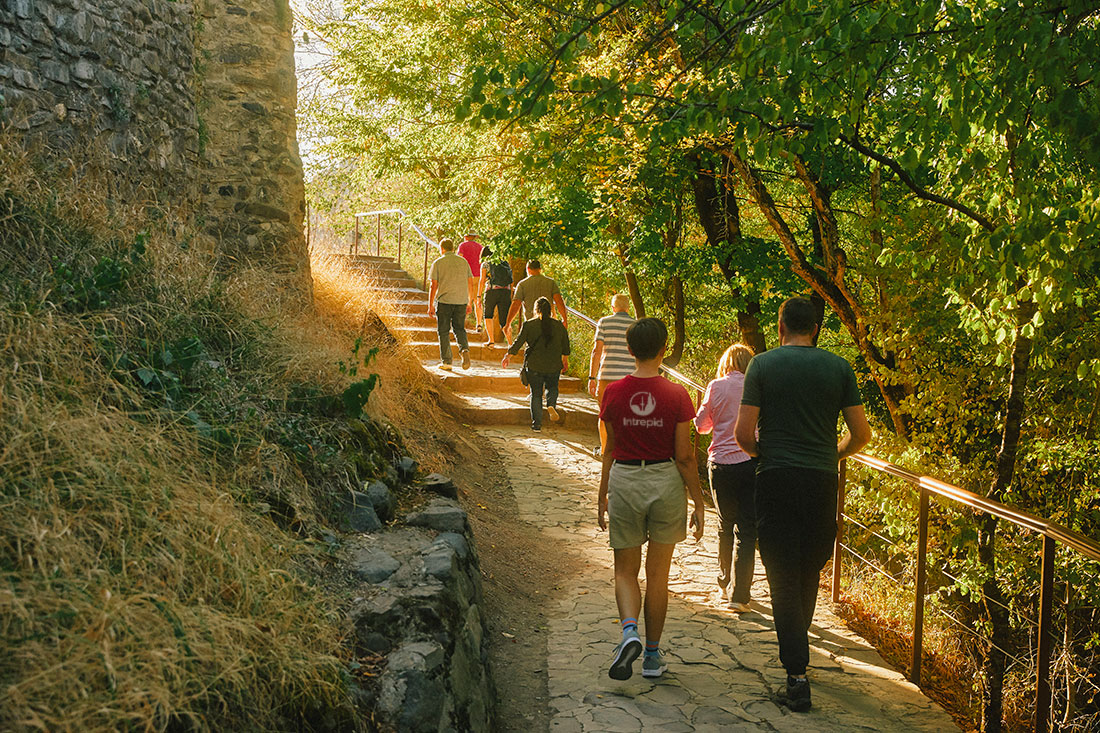
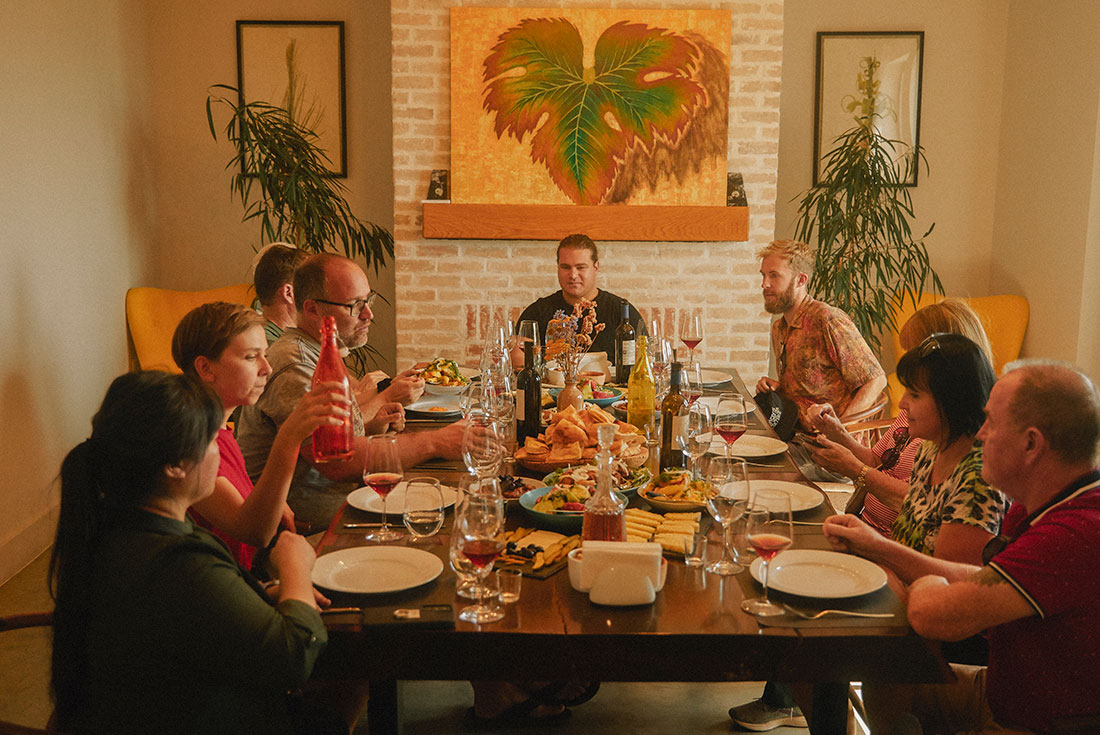
After breakfast, take a walk with your leader through the Sheki market. This is a great opportunity to stock up on snacks for the journey ahead, so maybe grab some halva, nuts and dried fruit. Continue to the town of Lagodekhi, located on the Azerbaijan-Georgia border. Travel through the beautiful green valleys of the Kakheti region to Gremi – a complex that includes a castle and church from the 16th century. Spend some time here before hitting the road again, stopping at a traditional Georgian wine producer that still employs the ancient, UNESCO-listed qvevri method. Enjoy lunch here and then travel on to Telavi, where you’ll stay in a local hotel for the evening.
Day 6: Gudauri
Spend this morning wandering through the vibrant local farmers market in Telavi, where butchers carve up fresh meat and vendors offload piles of spices. Then, visit Tsinandali – a historic estate and winery once owned by Georgian poet Alexander Chavchavadze. In 1814, aristocrat Chavchavadze was the first to bottle wine produced using the qvevri method. Tour the complex, which consists of a memorial house, European-style landscaped garden, a traditional winery, wine cellar, hotel and cafe. Continue to UNESCO World Heritage-listed Alaverdi Monastery, which dates back to the 6th century. After, drive into the mountains up the renowned Georgian Military Highway. Tonight, have dinner with your group and spend the night in lofty Gudauri.
Day 7: Gudauri / Stepantsminda
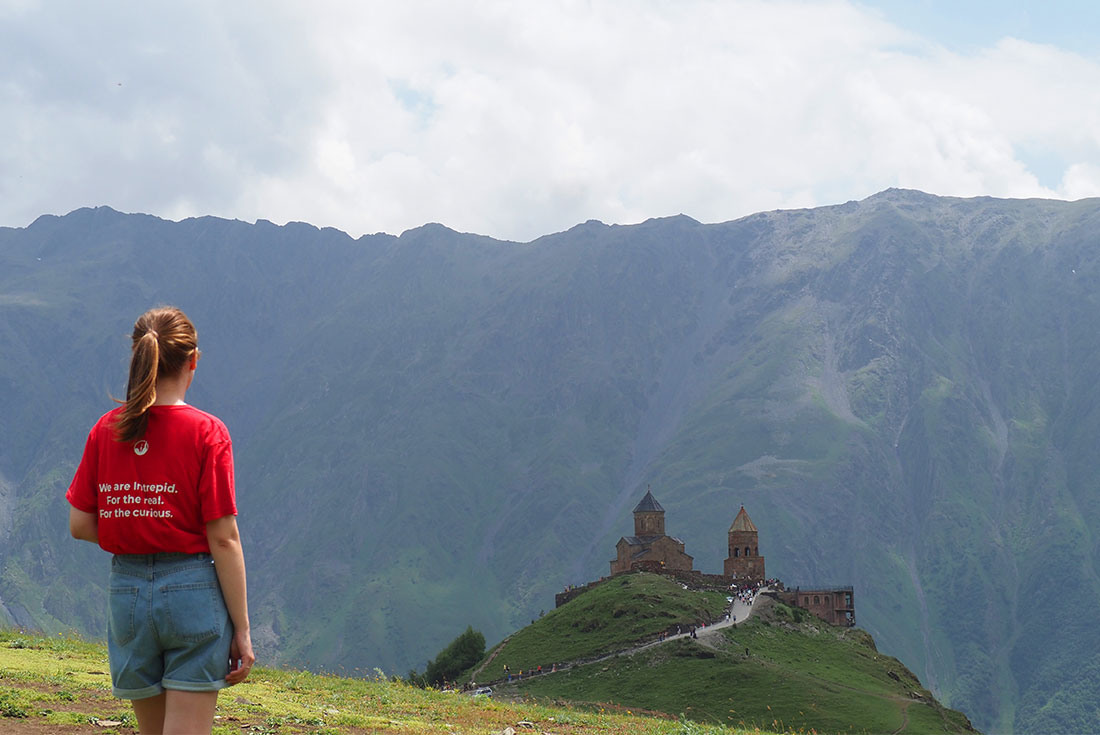
Follow the Tergi River on a drive to Stepantsminda, formerly known as Kazbegi. Explore this mountain village, then hike through beautiful valleys and woodlands to the iconic Gergeti Trinity Church. This 14th-century church sits at the base of the second-highest volcanic summit in the Caucasus – Mt Kazbegi – which you might catch a glimpse of if weather permits. The view of the pointed spires of the isolated church against the mountains is truly striking and is a great place for a photo. Drive back to Gudauri for dinner with your group.
Day 8: Tbilisi
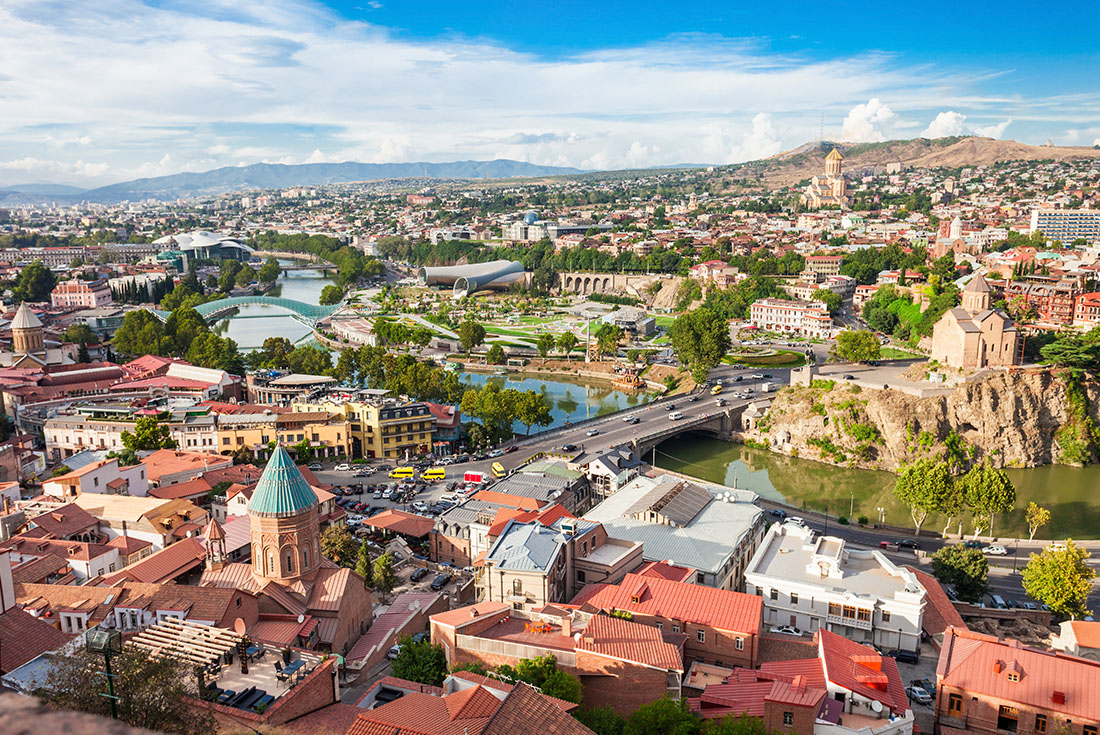
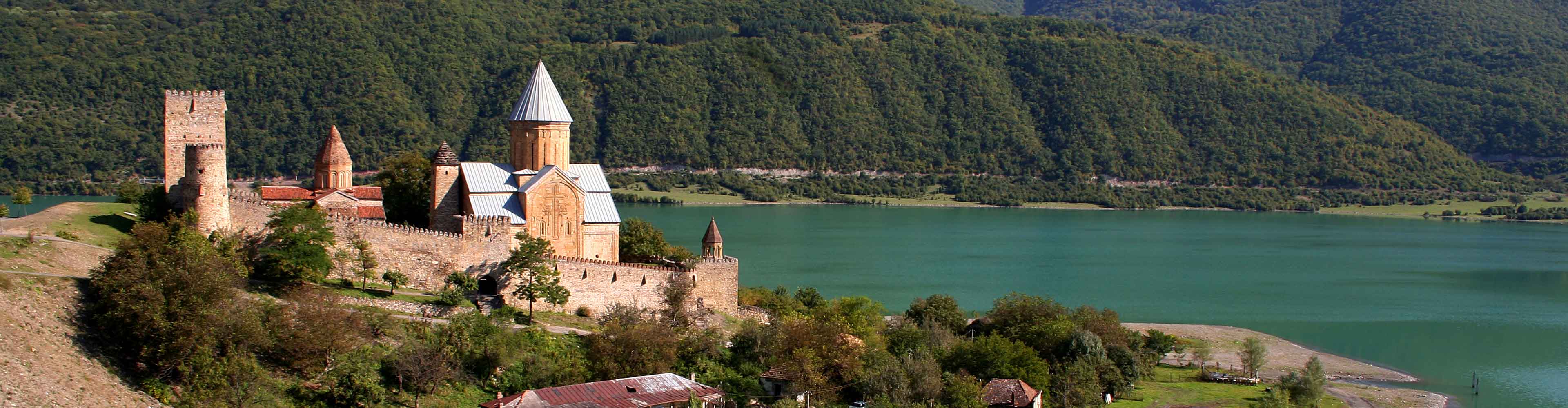
Leave for Tbilisi today, the capital of Georgia. Stop first at Ananuri Fortress Complex. This fortress complex dates back to the 17th century and was originally the seat of the Dukes of Aragvi. Overlooking the Aragvi River, it has survived many battles in the history. Then before reaching Tbilisi, stop to visit the magnificent sculpture on Keeni Hill near the Tbilisi Sea - The Chronicles of Georgia. Sculpted in the Soviet Era, this monument was never finished but now has become one of the most popular spots near Tbilisi. Arrive in Tbilisi mid-afternoon, and follow your leader on a short orientation walk. Maybe regroup in the evening and head out for dinner with your fellow travellers and leader. This is a good chance to sample some khinkali (Georgia’s famous soup-filled dumplings). Make sure to ask your leader about the polite way to eat them – it involves sipping the broth and leaving the pinched bit of dough where the edges of the delicious parcel have joined on the plate.
Day 9: Tbilisi
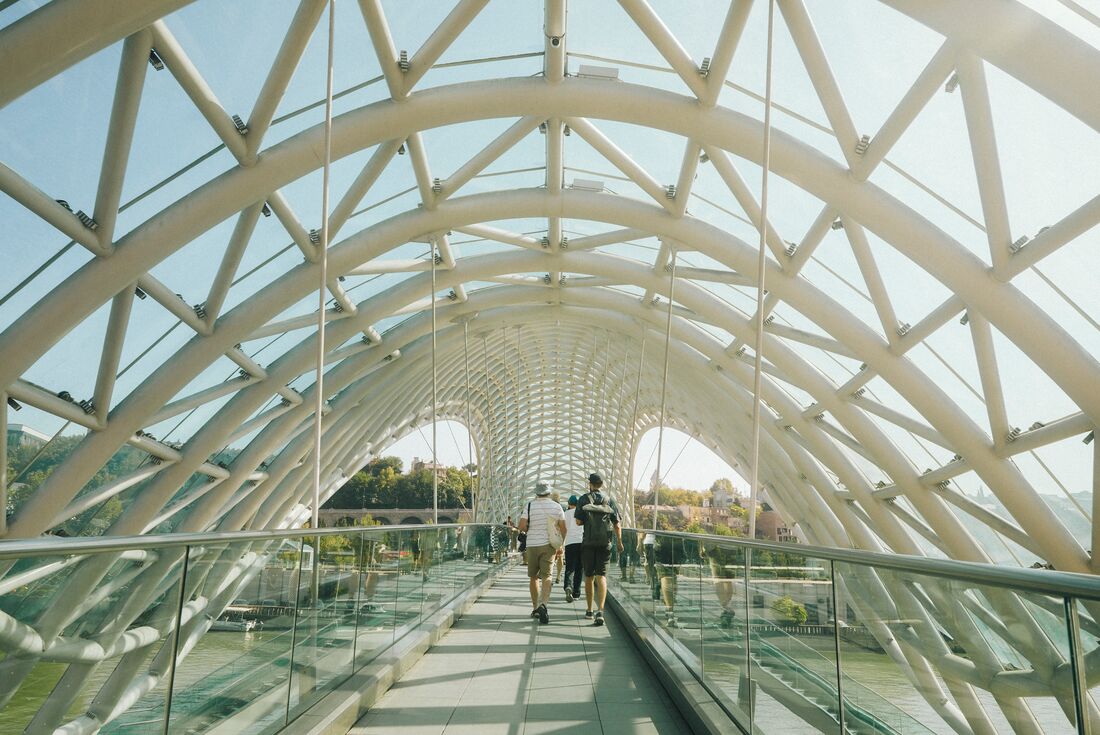
After breakfast, head out on a sightseeing walking tour of Tbilisi. Explore the Old Town and pass by the Baratashvili Bridge, Gabriadze Leaning Tower, the Peace Bridge and the Sioni Cathedral. After your tour, you have free time to further explore the capital city at your own pace. Maybe visit the Narikala Fortress or the Sulphur Baths or learn about Tbilisi's lively theater scene at the Tbilisi Opera or take a visit to the Open Air Museum of Ethnography. In the evening, why not find a local restaurant and head out to dinner with your group to celebrate the last night of your trip.
Day 10: Tbilisi
Today is a free day in Tsibili to explore at your own pace. Maybe head to one of the local cafes or wine bars around the downtown area or just take the chance to rest and recharge. You’ll have another welcome meeting tonight at 6 pm to meet the new leader joining your group. After your meeting, why not head out for dinner – your leader will always have some great recommendations.
Day 11: Kutaisi
Today, you’ll head to Kutaisi by train. The third largest city in the country, Kutaisi is more than 3000 years old and connected to the legend of Jason and the Argonauts, with his mythical Golden Fleece. When you arrive, follow your leader for an orientation walk around the city, passing City Hall, the Opera House, Mon Plesier Arch and Mtsvane Bazari (a local market) known for its fresh vegetables, fruits, natural dairy products and variety of spices. Later, jump on the Soviet Aerial tramway for some great views of the city. Your dinner tonight will be at your family-owned hotel to enjoy some fantastic local flavors.
Day 12: Tskhaltubo/ Kutaisi
This morning, you’ll travel to Tskhaltubo – the Soviet ghost town home to some abandoned sanatoriums. Wander some of the empty halls and rooms that seem straight out of an apocalyptic movie, featuring decorated ceilings, grand pillars, huge staircases and lots of graffiti. This atmosphere also makes for some great photos. After, you’ll visit a family winery to learn about the traditional way of making Georgian wine (this is one of the oldest wine-making countries in the world) and enjoy a wine tasting. Return to Kutaisi afterwards and you'll have a free afternoon and evening to maybe visit another significant historical site – the Gelati Cathedral. Or, explore the cobbled streets as you make your way up to the ruins of Bagrati Palace and Citadel.
Day 13: Borjomi/ Akhaltsikhe
Drive to Akhaltsikhe today, stopping along the way in Borjomi – famous for its naturally fizzy mineral water. Take a short walk with your leader to the mineral springs and maybe grab some lunch while you’re here. Continue the journey to Akhaltsikhe, arriving in the mid-afternoon. When you arrive, you’ll get your bearings on a leader-led orientation walk and visit Rabati Fortress and Castle – the massive 9th-century fortification gives the surrounding settlement (‘New Castle’ in Georgian) its name.
Day 14: Vardzia/ Gyumri (border crossing from Georgia to Armenia)
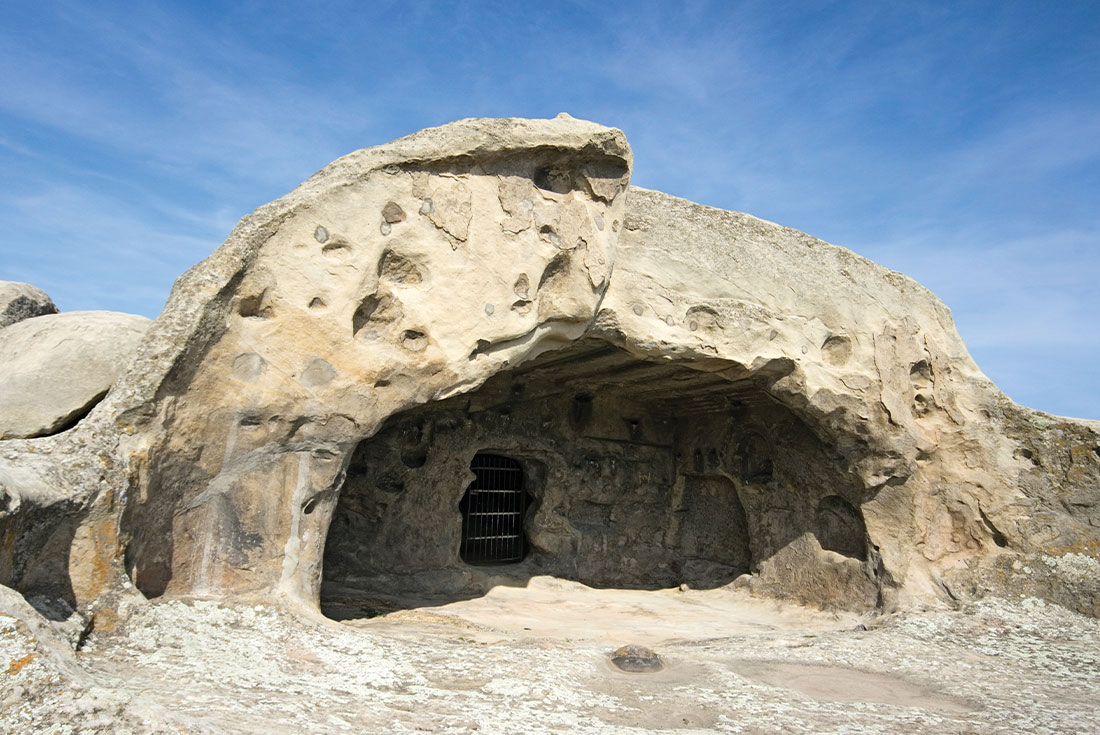
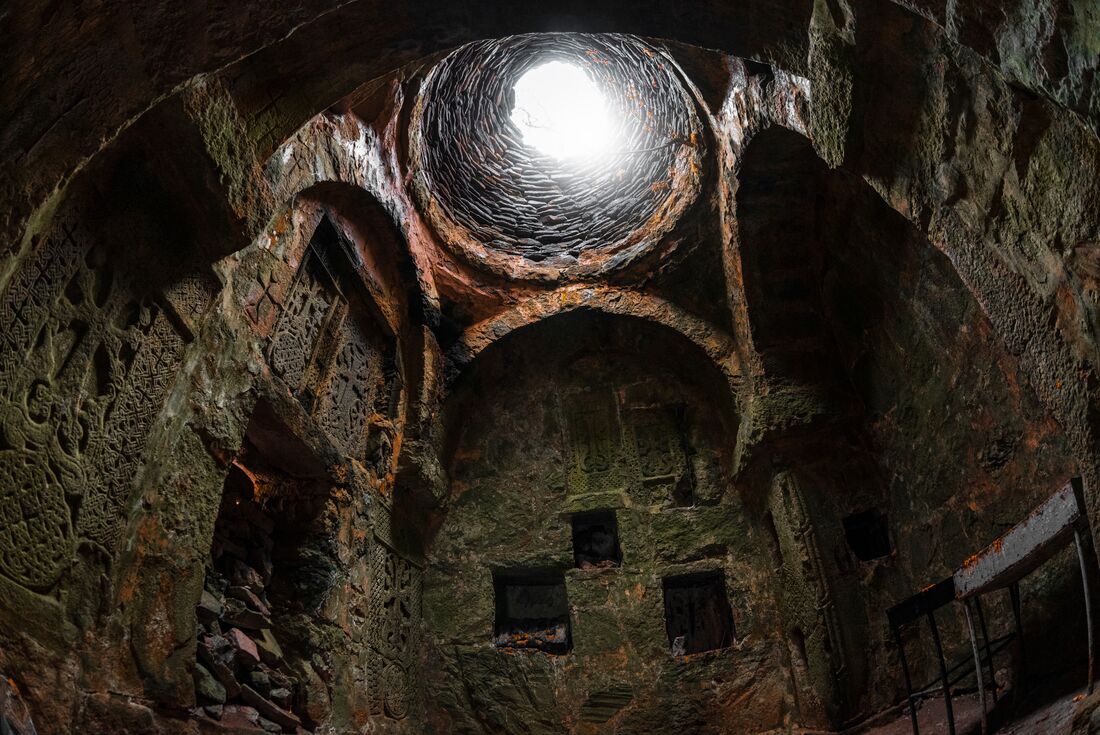
This morning, set off for the once mighty cave city of Vardzia, which stretches over half a kilometre along the Mtkvari River and has 19 tiers of winding cobbled streets. Within the complex, there’s a rock-hewn church with 12th-century frescos, dwelling quarters, small, hall-type churches, refectories and wine cellars. You’ll explore the site with your leader who will give some historical context and explain the rise and fall of the city, which now serves as a working monastery. Then, continue across the border into Armenia, arriving in Gyumri around lunchtime. Head out in the afternoon and explore this charming town with your leader on an orientation walk.
Day 15: Gyumri
Enjoy a relaxed morning and visit a local bakery in Gyumri – the first inclusive café in Armenia to employ young adults living with disabilities and mothers with special needs children. Then take a guided walk through Gyumri and learn about its layered history. Once known as one of Armenia’s most beautiful cities (now the second-largest city), it was profoundly affected by the devastating 1988 Spitak Earthquake, which reshaped much of its identity. The rest of the day is free to explore Gyumri.
Day 16: Dilijan
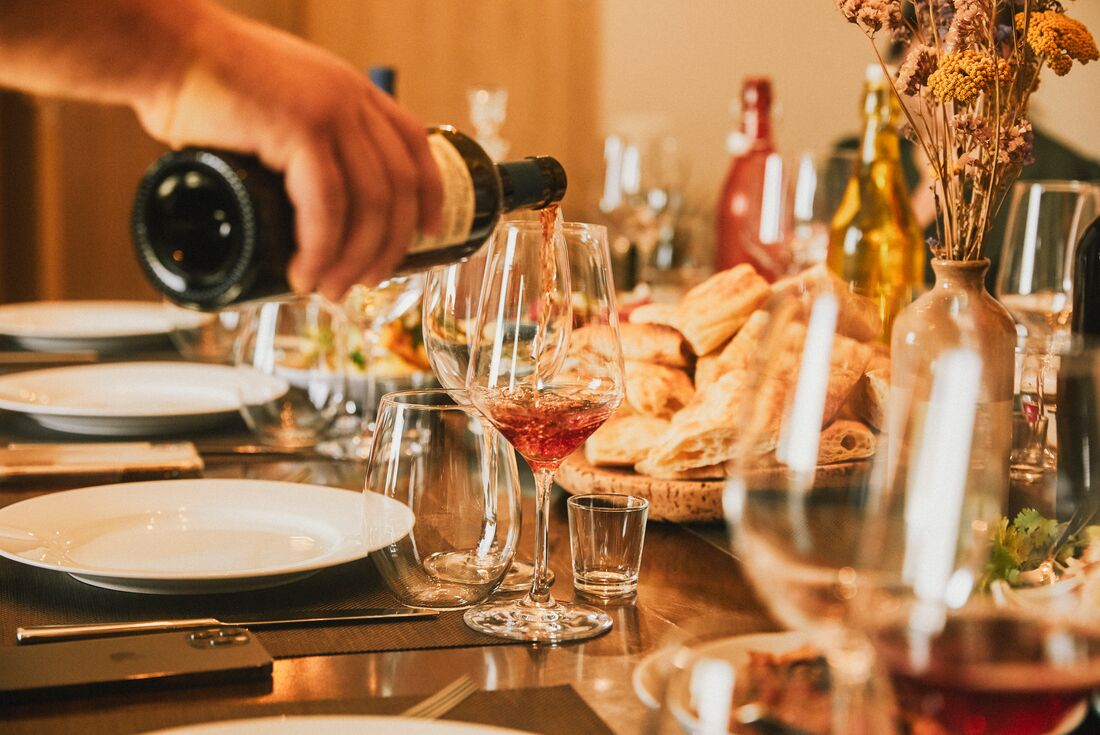
Continue to Fioletovo – a village home to the Molokan religious sect. Join a Molokan family for lunch to learn about their beliefs and traditions, then enjoy their Russian-influenced cuisine of hearty borscht (soup), freshly baked pirozhki (fried buns) and tea served from a samovar (kettle). Next, travel to Dilijan, where you’ll spend the night. When you arrive, join your leader for an orientation walk to explore the town’s architecture and traditional craft workshops. In the evening, visit a modern wine bar to discover the Armenian approach to winemaking and learn how it differs from its Georgian counterpart.
Day 17: Lake Sevan
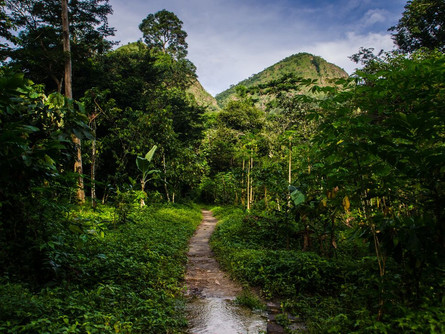
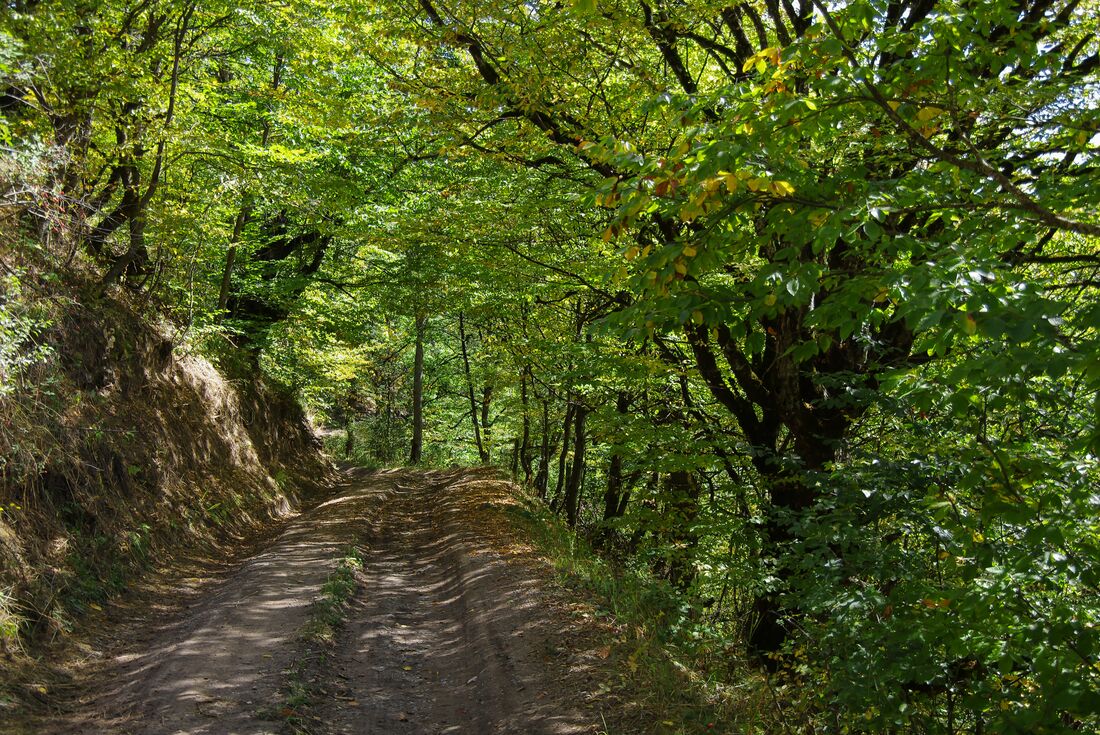
Start your day with a hike in Dilijan National Park – one of Armenia’s four national parks, known for its rugged mountains, dense forests and alpine meadows. Follow the trail that connects two 13th-century monasteries and see how this vibrant cultural centre is slowly being reclaimed by nature. After the hike, continue to Lake Sevan – one of the largest high-altitude freshwater lakes in the world. Surrounded by mountains and known for its striking turquoise waters, Lake Sevan is a popular summer retreat for locals. Your accommodation is a lodge set up by a local NGO, whose mission is to encourage inclusivity and accessibility for people living with disabilities to experience and enjoy nature. When you arrive, maybe take a swim in the scenic lake or simply relax outside and enjoy the view.
Day 18: Yerevan
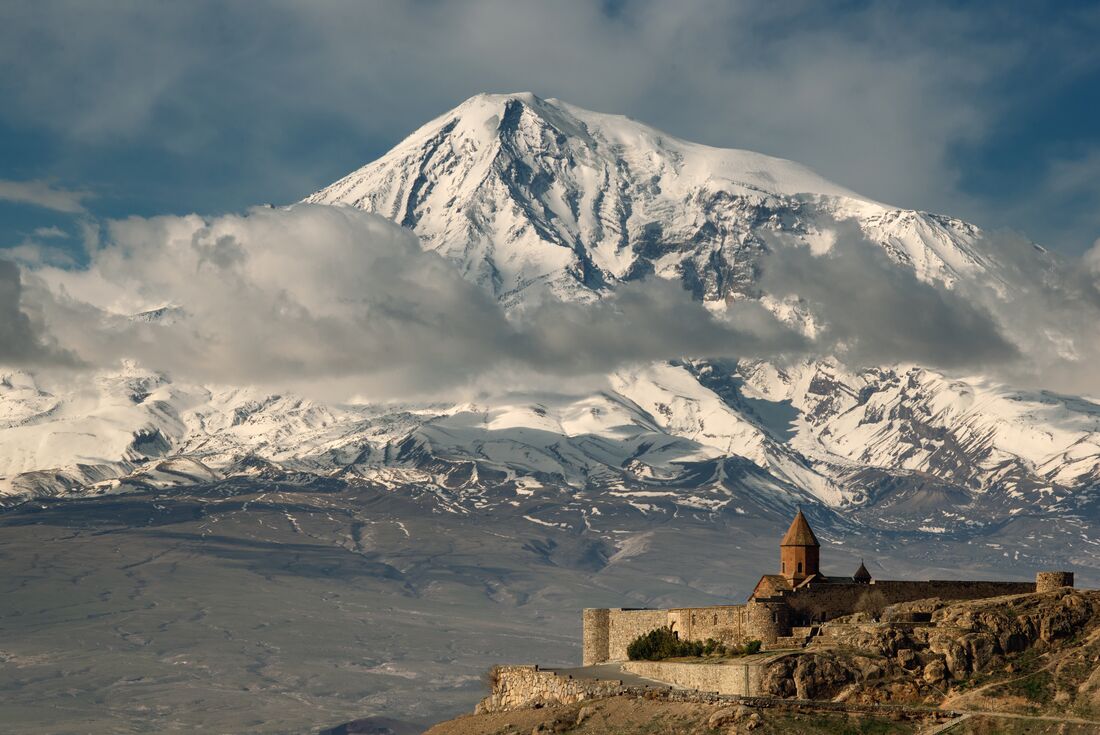
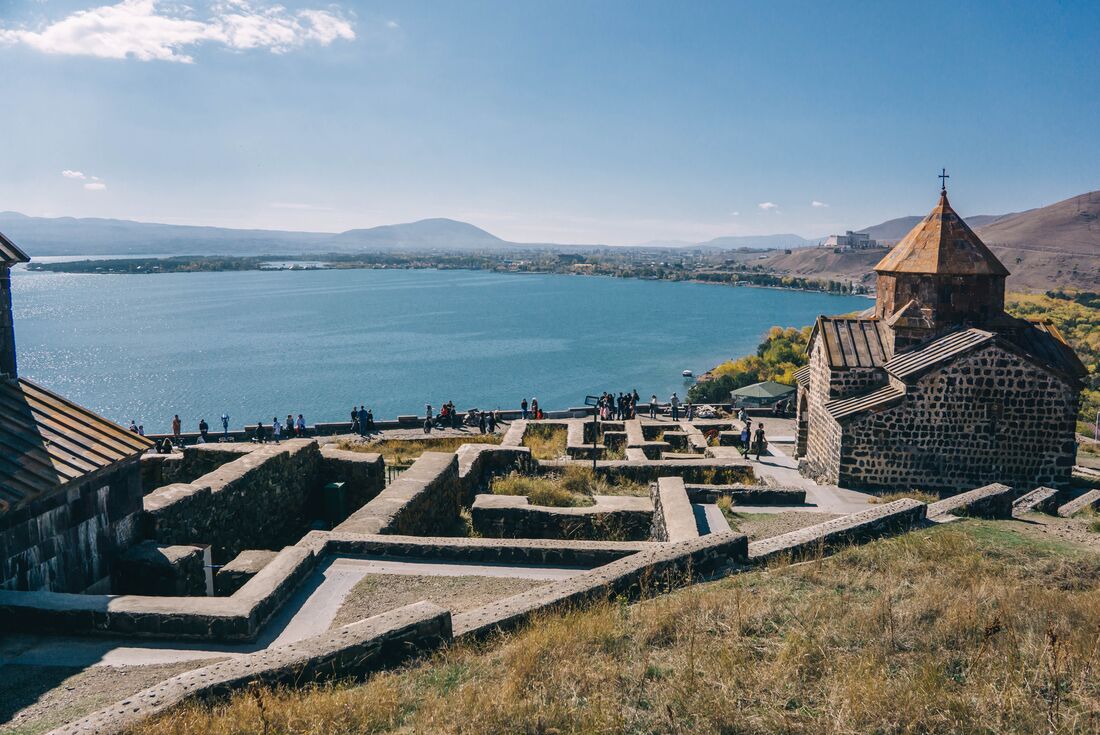
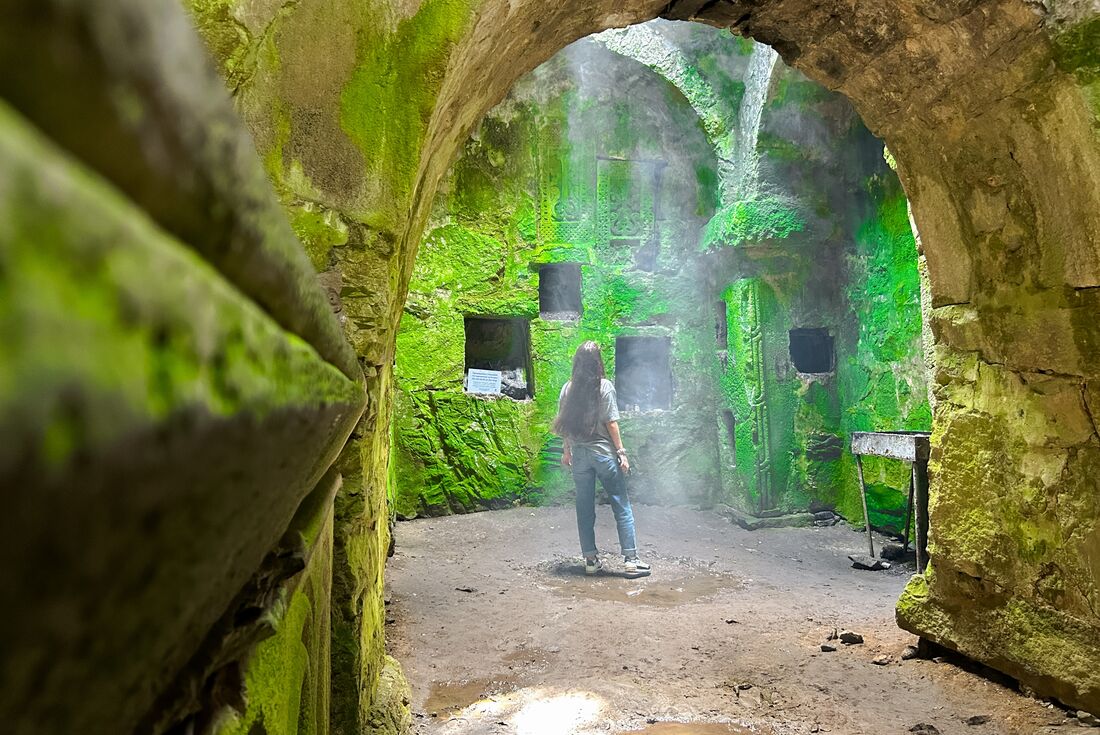
Say goodbye to the glittering blue of Lake Sevan and take your private transfer to Yerevan, stopping to visit the Sevanavank Monastery along the way. Explore the monastery with your leader and learn about how this ancient monastery complex was transformed from an island to a peninsula, when the lake was partially drained. Hear about the local legends tied to this site, then carry on to another iconic monastery - Khor Virap Monastery. Over 1000 years old, this is the most sacred monastery in Armenia and makes for a stunning view, backdropped by the towering Mt Ararat. Wander the monastery that’s been repeatedly rebuilt since the 5th century with your leader. Legend says King Trdat III imprisoned St Gregory the Illuminator here for 12 years and these days, pilgrims climb down a metal ladder into the well where the saint was incarcerated. Then continue to Yerevan and arrive mid-afternoon. Take a short orientation walk with your leader and enjoy the rest of the day free.
Day 19: Yerevan
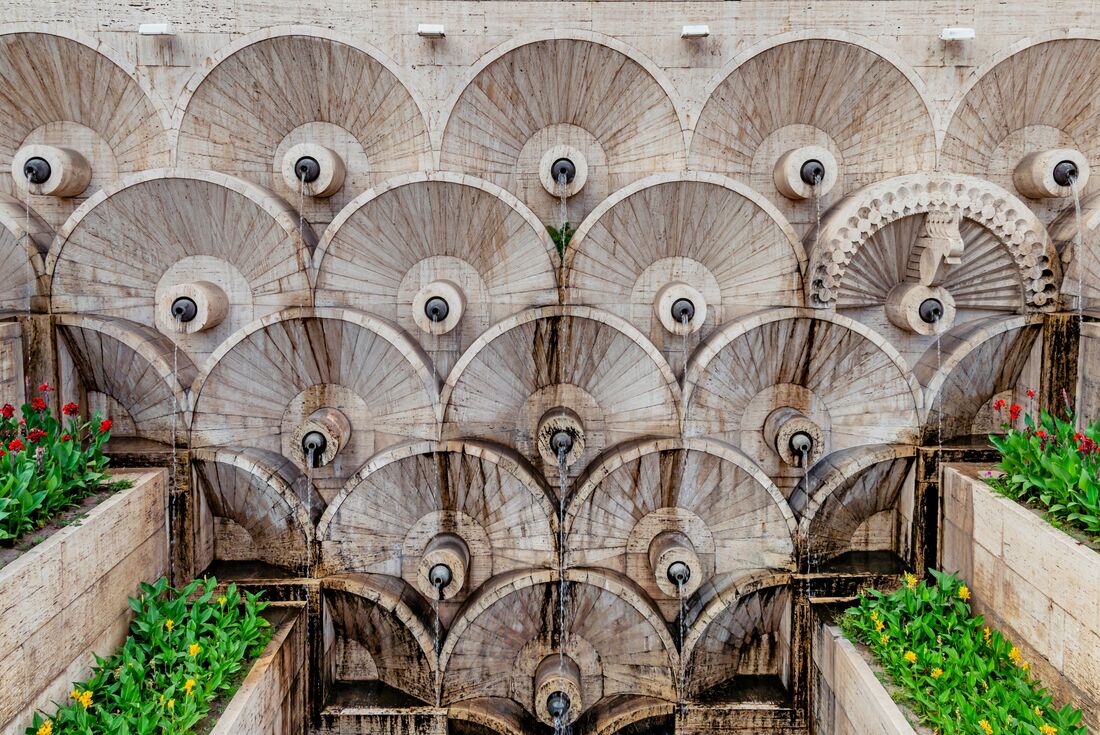
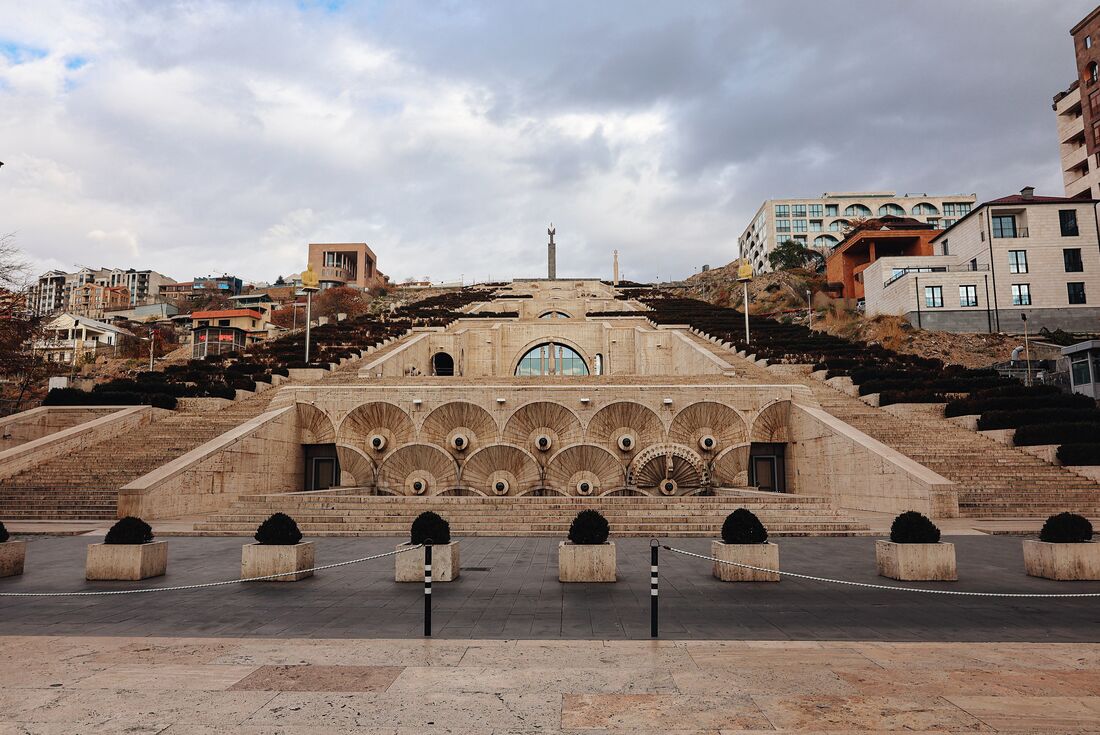
This morning, meet with a local guide who will introduce you to the sights and sounds of Yerevan on a tour of the city. Established in 782 BC, Armenia’s capital is one of the oldest cities in the world. Nowadays, the city’s liveliness comes from its ancient culture mixed with a modern lifestyle. Later, visit the ethnographic house that showcases Armenian traditions and culture, founded by local women who aim to preserve and educate. Meet your hosts and take part in a cooking demonstration to learn how the signature dish of dolma (stuffed vegetables) is made, with the Armenian twist! After learning the tricks of the trade from local masters, you’ll sit down to enjoy the dish for lunch. Soak up the local flavours, get to know the local women and toast to a great adventure! The rest of the day is free. Maybe visit Matenadaran (The Museum of Ancient Manuscripts) or wander around Vernissage Market.
Day 20: Yerevan
With no further activities planned, your trip comes to an end this morning after breakfast. If you’d like to extend your adventure, just speak to your booking agent ahead of time.