Day 1: Reykjavik, Iceland
Welcome to Iceland! When you arrive in Reykjavik, Iceland’s capital, make your way to your hotel for a free afternoon and evening. You can arrive at any time, as you have the full day at leisure to settle in and explore the city at your own pace.
Day 2: Embark in Reykjavik
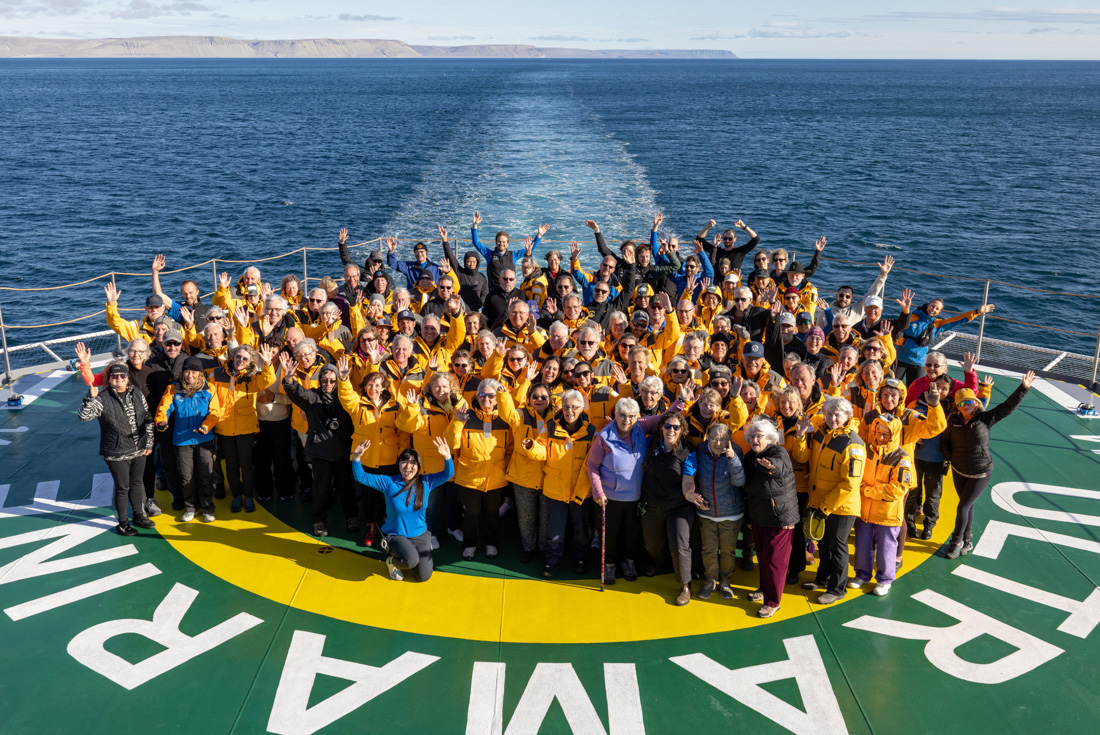
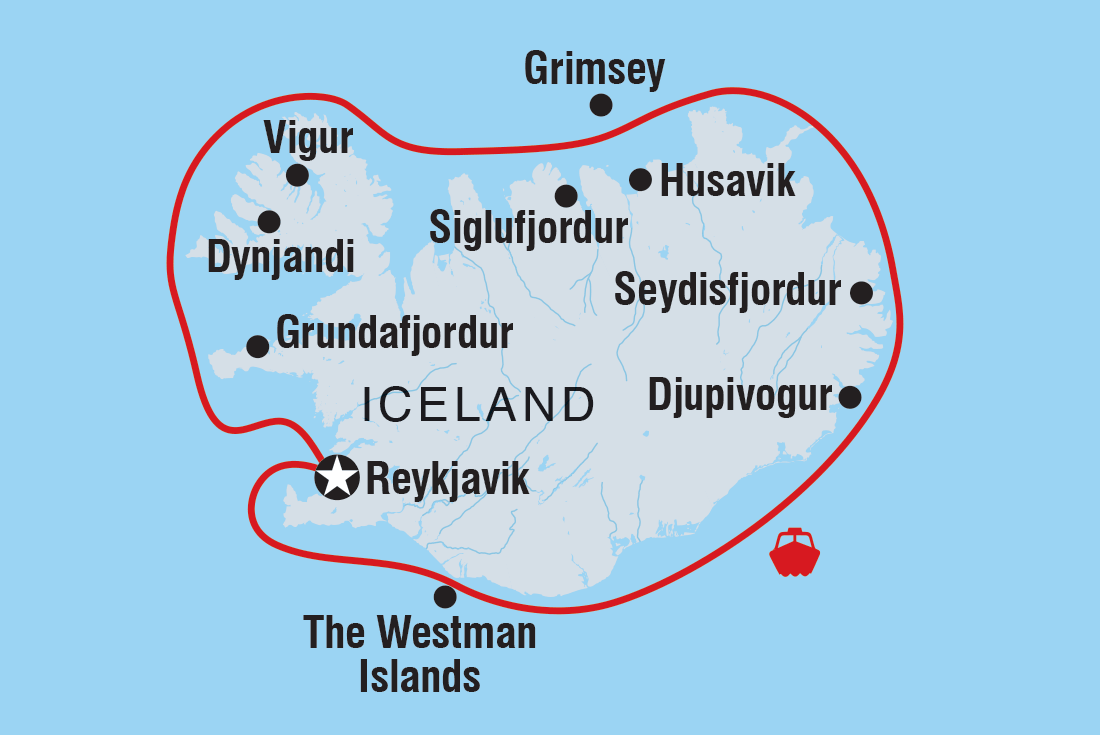
After breakfast at your hotel, enjoy a free morning in Reykjavik before your transfer to the ship this afternoon. When you arrive at the port, you’ll embark and be introduced to your Expedition Team, the onboard amenities and your upcoming journey. Get ready for a great adventure ahead on your technologically advanced ship – the Ultramarine, equipped with two twin-engine helicopters and a fleet of 20 quick-launching Zodiacs to deliver unique off-ship experiences.
Day 3: The West-Snaefellsnes Peninsula
Today, disembark and hop in a coach bus to explore the scenic Snaefellsnes Peninsula in West Iceland – renowned for its diverse landscapes, including glaciers, mountains, lava fields, geothermal areas and rugged coastlines. Often referred to as ‘miniature Iceland,’ the Snaefellsnes Peninsula is a microcosm of all the natural wonders you’ll see throughout Iceland. Visit the lonely Kirkjufell (Church Mountain), which rises from the sea as a dramatic backdrop for Kirkjufellsfoss waterfall—undoubtedly the most photographed location in all of Iceland. Kirkjufell may be familiar to fans of Game of Thrones (the mountain appears as one of the landmarks beyond The Wall). You may also visit some of the tiny villages that dot the peninsula. These small settlements, the most notable of which include Arnarstapi, Grundarfjorour and Stykkisholmur, are located on the northern side of the peninsula, where communities rely on the rich fishing grounds of Breioafjorour Bay. Take a short walk along coastal cliffs for views of the Arnarstapi rock arch – also known as Gatklettur, formed from massive basalt columns. A section of this trail passes through a lava field – a signature Icelandic experience. End the day with a visit to the Bjarnarhofn Shark Museum and an Icelandic food tasting experience that inclues hakarl (fermented shark).
Day 4: The Westfjords
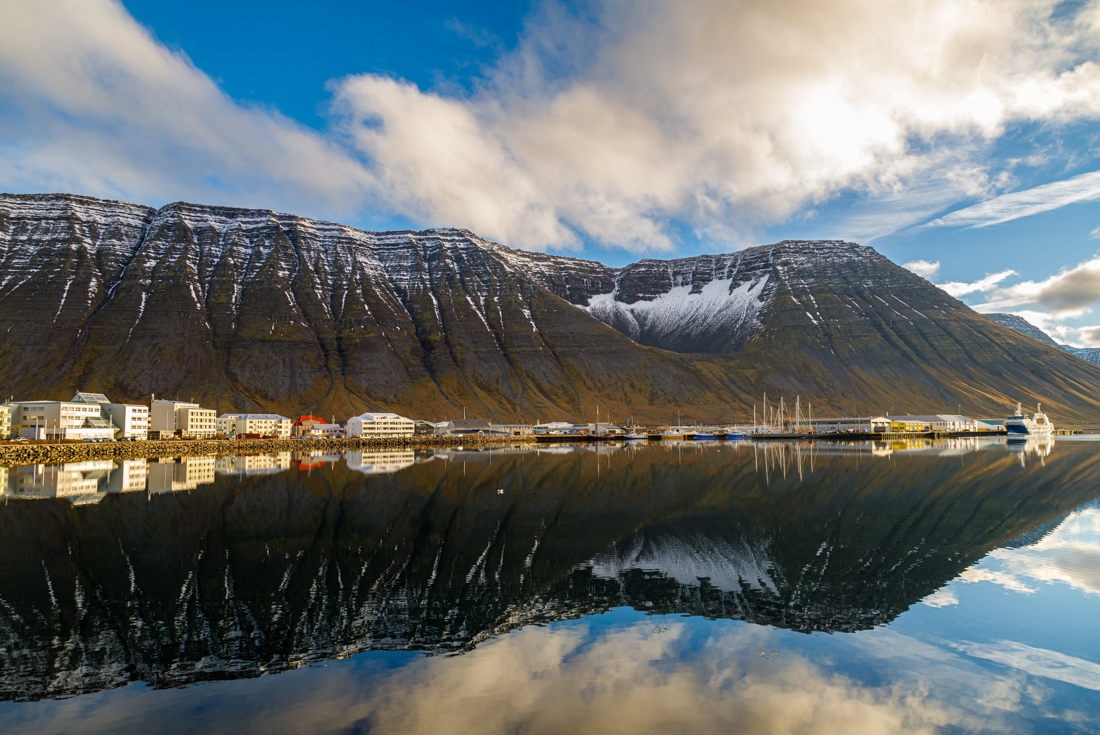
Each region of Iceland has its own appeal for nature seekers, birding enthusiasts and history-lovers. The seldom-visited Westfjords, where the land meets the sea, is no exception. Often referred to as ‘Iceland’s best-kept secret,’ this rugged peninsula at the country’s remote northwestern tip is rife with fjords, and mountains. Over the next few days, you’ll explore the fjords and shores of Iceland’s oldest region.
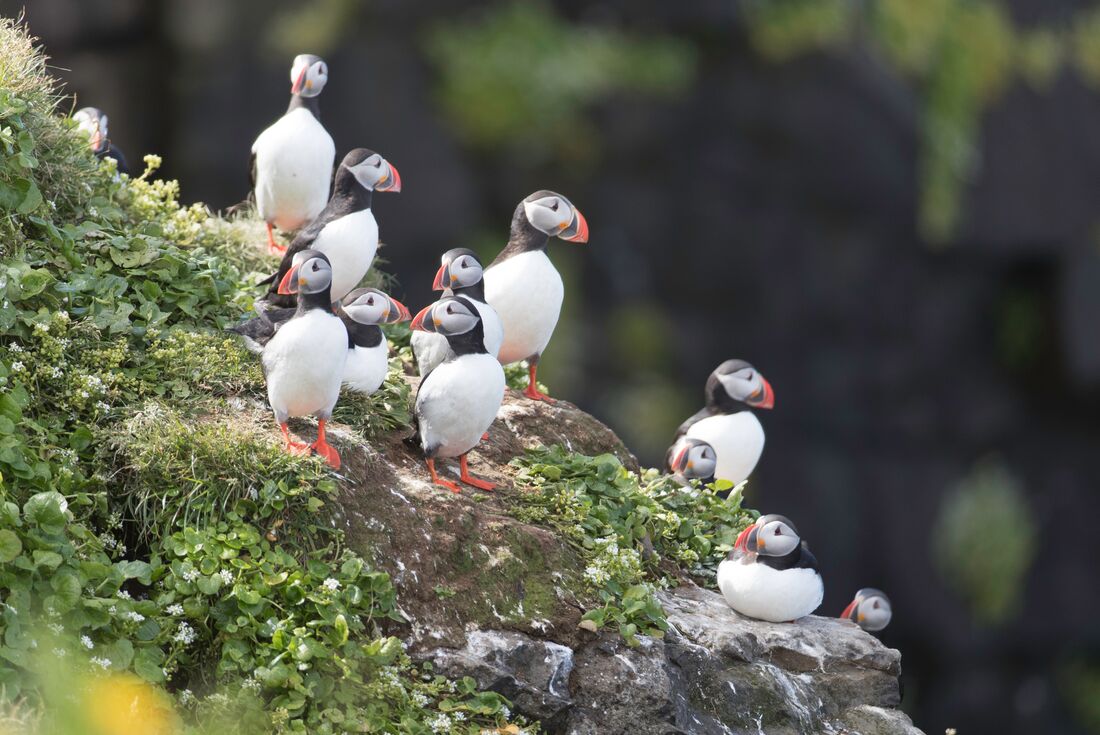
The Westfjords are the least developed parts of Iceland's coastal areas and you’ll explore the rugged landscapes and small towns via Zodiac cruises and during guided shore landings at wilderness areas. Walk, hike and visit remote settlements like the island farm at Vigur, where you can see thousands of seabirds including puffins, guillemots, fulmars and razorbills at Latrabjarg – one of the largest bird cliffs in Europe. This is a much sought-after destination for birders and ornithologists from around the world. Visit the Heritage Museum at Hnjotur, which showcases the history of everyday life in the Westfjords. If weather conditions allow, you’ll also go heli flightseeing during your time here.
Day 5: Westfjords
Day 6: Westfjords
Day 7: Northern Iceland (Norourland)
Over the next two days, you’ll see how Iceland is a land of contrasts. As your coach bus follows the iconic Diamond Circle route, you’ll see the north of Iceland, with its long valleys and peninsulas, is interspersed with mountains, lava fields and smooth hills carved out over time. As you approach the Arctic Circle, get ready for the captivating midnight sun.
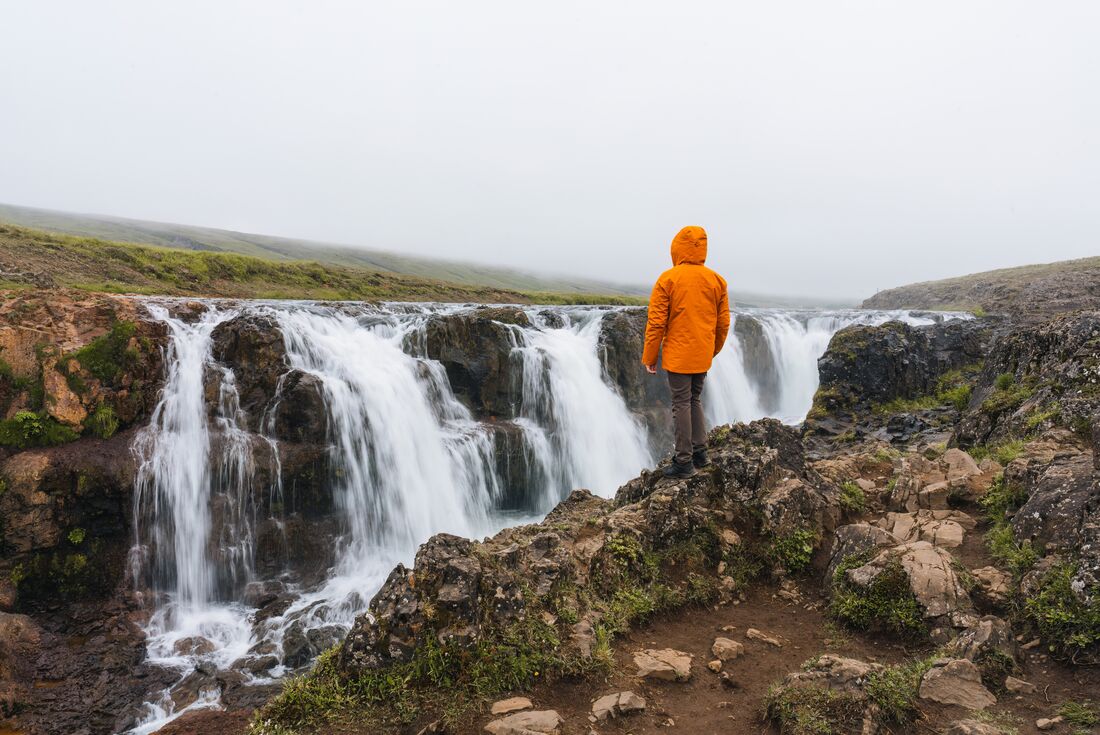
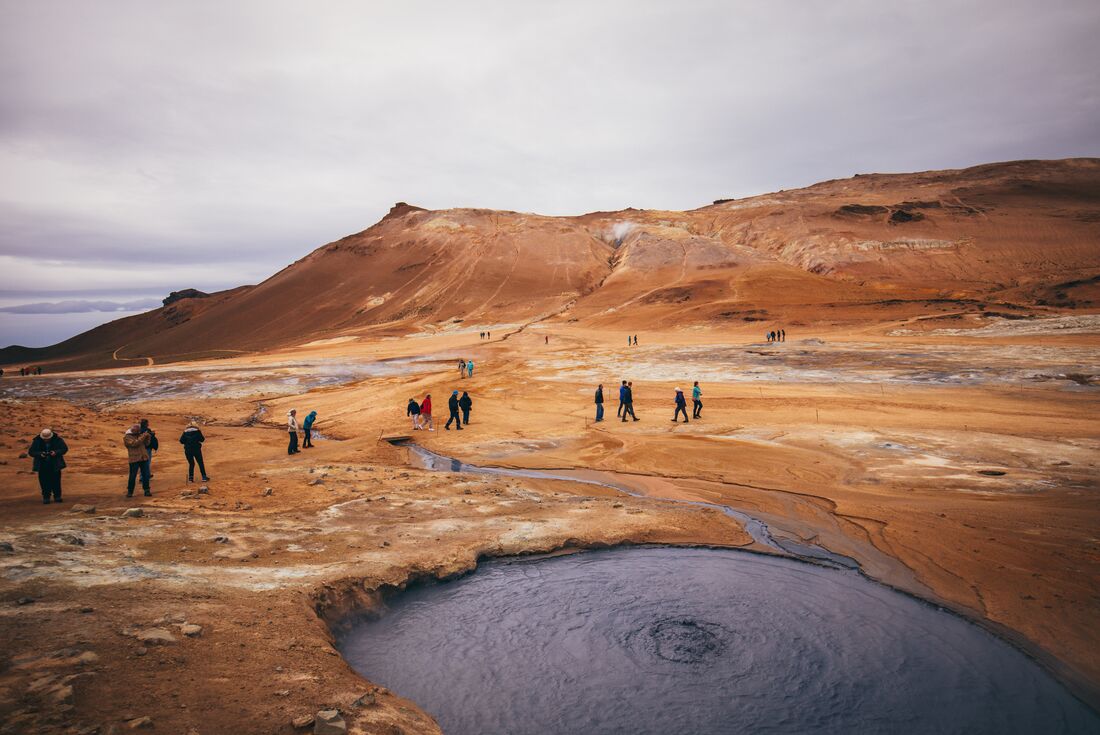
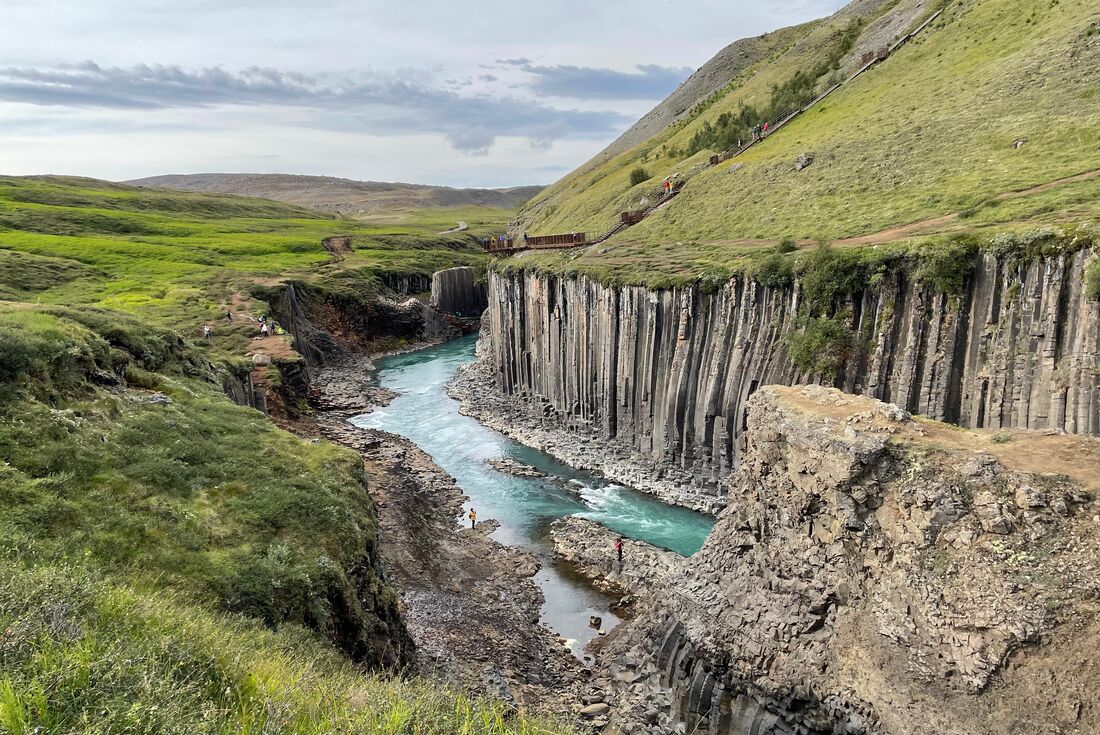
You’ll also see some of the most impressive waterfalls in Europe – Dettifoss, Godafoss (the Waterfall of the Gods) and Aldeyjarfoss (which cascades 20 m over a wall of hexagonal basalt columns). See the spectacular Kolugljufur and Jokulsargljufur gorges, the rocky sea stacks of Hvitserk and Storakarl, the horseshoe-shaped Asbyrgi Canyon, the geological wonders of Myvatn and the lava fields of Dimmuborgir, which also appeared in Game of Thrones. At Hverir, you’ll see bubbling mud pots and geothermal vents. At Skutustadir, you’ll encounter pseudocraters – volcanic features formed not by eruptions but by steam from underground.
Fulfill a polar milestone on this voyage by crossing the Arctic Circle. You’ll visit the small island of Grimsey (population of 70), which is the only part of Iceland that lies within the Arctic Circle. Expect to see large populations of puffins and some gorgeous scenery.
Day 8: Northern Iceland
Day 9: East Iceland (Austurland)
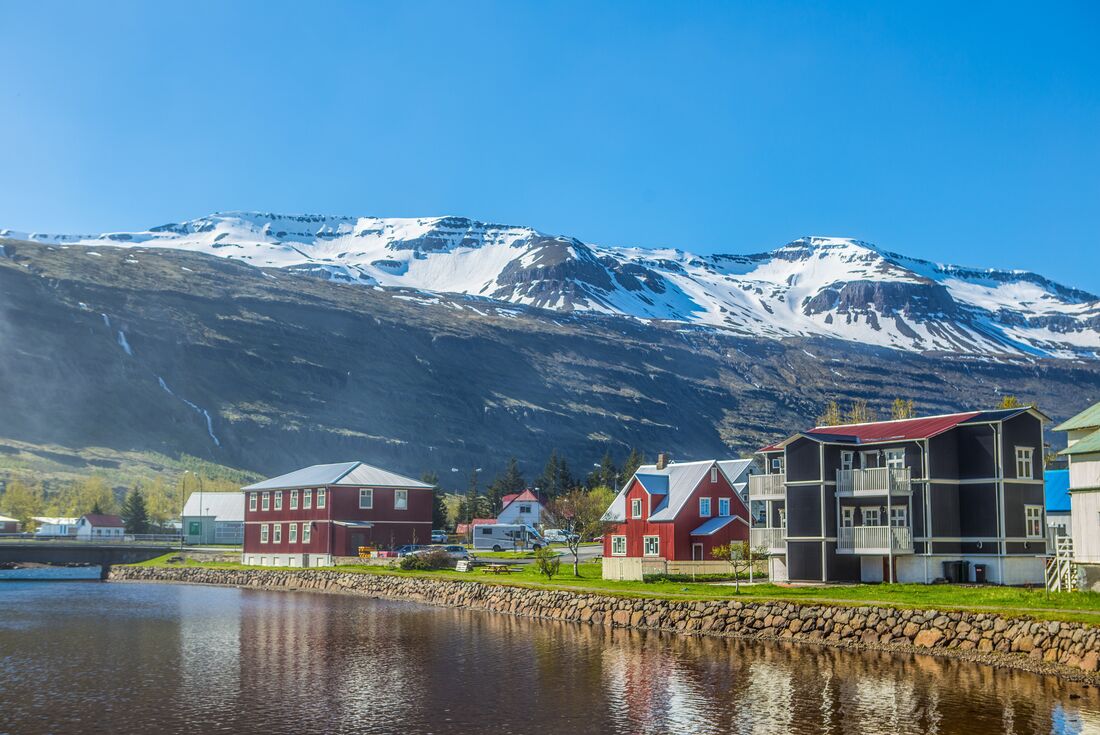
East Iceland is characterised by deep narrow fjords and tall mountains. The region is home to the country's largest forest (Hallormsstadaskogur), farmlands and plenty of streams and mountains. Thanks to the abundant fjords and their natural harbours, fishing villages also line the coast. Iceland's biggest rhyolite (volcanic) formations are found around the village of Borgarfjordur Eystri, while impressive magma chambers filled with colourful mineral deposits can be visited along the eastern coast. In the summer months, the east of Iceland becomes a creative hub for artists and young people from Iceland and abroad.
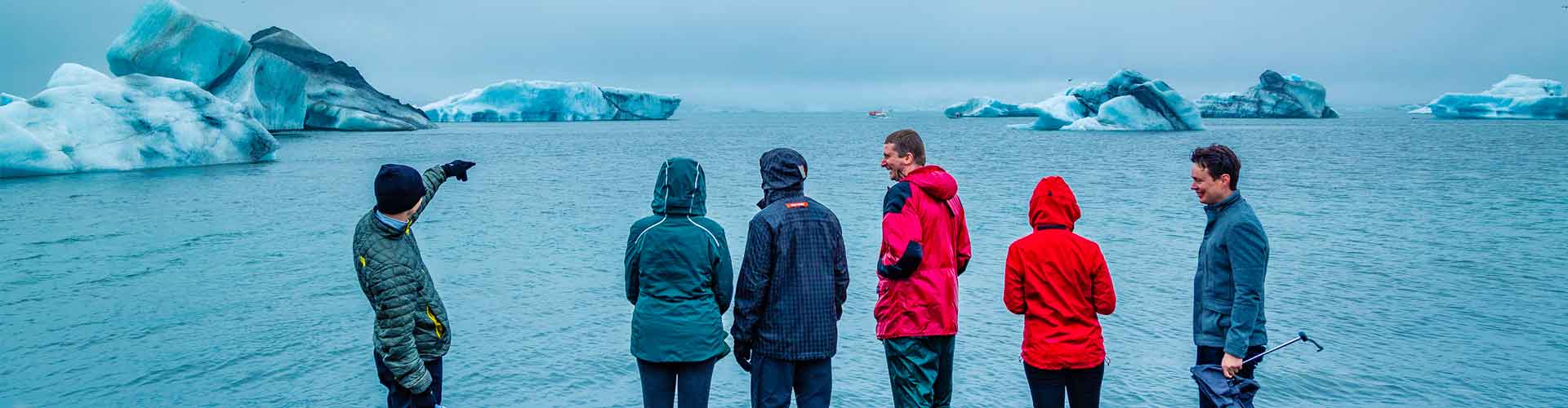
You’ll have opportunities over the next two days to go on a heli flightseeing adventure, and you’ll take a coach excursion to Vatnajokull National Park – with its abundance of glaciers (notably Vatnajokull), volcanoes, waterfalls and geothermal springs. While in the park, you’ll travel to Jokulsarlon Glacier Lagoon – a stunning glacial lake – and explore the spectacular icebergs. Spend time at black sand Diamond Beach and take a guided glacier hike in Skaftafell area.
Day 10: East Iceland (Austurland)
Day 11: The Westman Islands (Vestmannaeyjar)
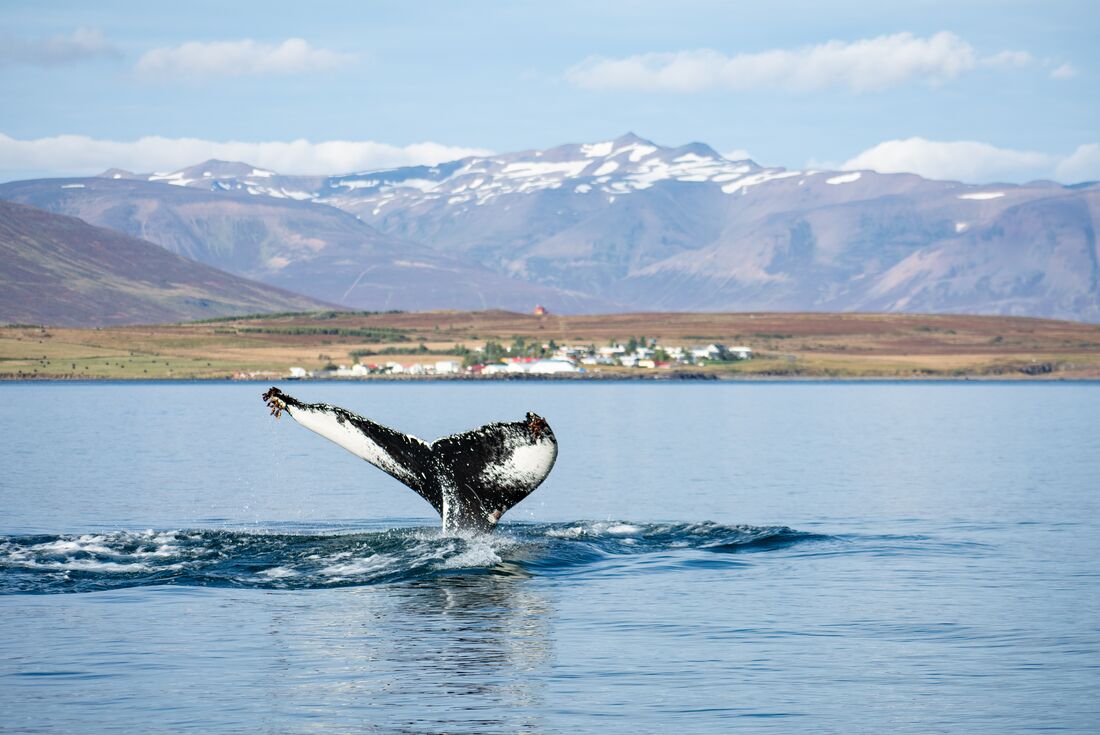
Today you'll journey to The Westman Islands by ship and Zodiac. The archipelago of 15 islands, and surrounding sea cliffs, are teeming with birdlife. In fact, The Westman Islands group is home to one of the largest puffin colonies in the world and is also renowned for its rich fishing grounds and whale population. Formed by below sea-level eruptions, the islands’ soil is shallow and not suitable for agriculture. You’ll see large stretches of rocky soil and lava. However, some rare plants grow in Herjólfsdalur valley. you'll also visit Heimaey, the only inhabited island, to see the puffins at Stórhöfði. There’s also a beluga sanctuary and an oceanarium.
Day 12: Reykjavik, Iceland
Today, you’ll disembark the Ultramarine in Reykjavik, marking the end of your spectacular journey. If you’ve booked post-trip accommodation, you’ll take an included transfer to a central downtown location. If you’d like to spend more time here, just make sure to contact your booking agent ahead of time.