Day 1: Arrive in Quito
Arrival in Quito and transfer to your hotel.
Sitting at 2,850 metres above sea level high in the Andean foothills lies Quito, the capital of Ecuador. The city, a short distance from the Equator and with an amazing backdrop of snow-capped mountains, is known for its stunning colonial architecture and art-work. Founded in the 16th century on the ruins of an Inca city, Quito has one of the largest, least-altered and best-preserved historic centres in the Americas. It was declared a UNESCO World Cultural Heritage Site in 1978.
This evening we will enjoy a welcome dinner as a group.
Overnight in Quito
Day 2: Explore Quito - Six Senses Tour
Today you will embark on an experiential tour that has been designed to evoke all of the senses.
The experience will allow participants to touch, taste the culinary delights, smell the aroma of the coffee beans, see the beautiful cobblestone lined streets and historical buildings and hear the bells of the church ringing. We also include the sixth sense of love; you will be able to experience the love that local artisans put into their craft and participate in a demonstration.
The tour will start with an exploration of the bustling streets and squares of the charming and colonial city of Quito. You will walk the street of the seven crosses, see the main Independence Square and Government Palace, as well as admire the domes of the many churches in the old town. Walk to the busy street of La Ronda which is packed with bars, people and character.
Depending on the day and availability you may visit artisans, a local family that makes traditional sweets (and of course you will be able to do a taste test!) or perhaps paint with the Escuela Quiteña, who are the artists responsible for restoring colonial art at many of the historical chapels in the city. You may have the chance to make traditional ice cream or quesadillas or try your hand at weaving the famous toquilla straw hat. We can also include visits to local markets where you be able to try the local cuisine. The itinerary is flexible based on what is happening on the day.
Return to the neighbourhood of San Marcos, home to many galleries, coffee shops and local family run stores, as well as beautiful Neo-Classical architecture, painted in muted pastels. End the tour with a drink at a rooftop bar, that has a breathtaking view of the Panecillo hill surrounded by the old city.
Day 3: Visit Cotopaxi National Park
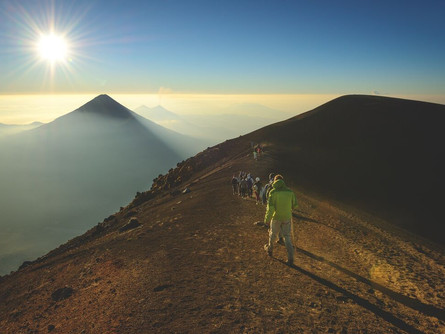
Depart south from Quito to visit Cotopaxi National Park. Cotopaxi (5,943 m)is the highest active volcano in the world. Despite the altitude, the Park is home to numerous birds and varied plant life. Northeast lies Rumiñahui(4,557 m) and between the two mountains the plain and lagoon of Limpiopungo (3800m approx.). If weather permits, from the north face we may have spectacular views of the mountain. The surrounding scenery also includes volcanoes like Pasochoa, Ruminahui and Sincholagua, Lunch is included at a restaurant at the base of the mountain. The tour also includes a visit to an indigenous market nearby.
You will be returned to your hotel in Quito at the end of the tour.
Overnight in Quito
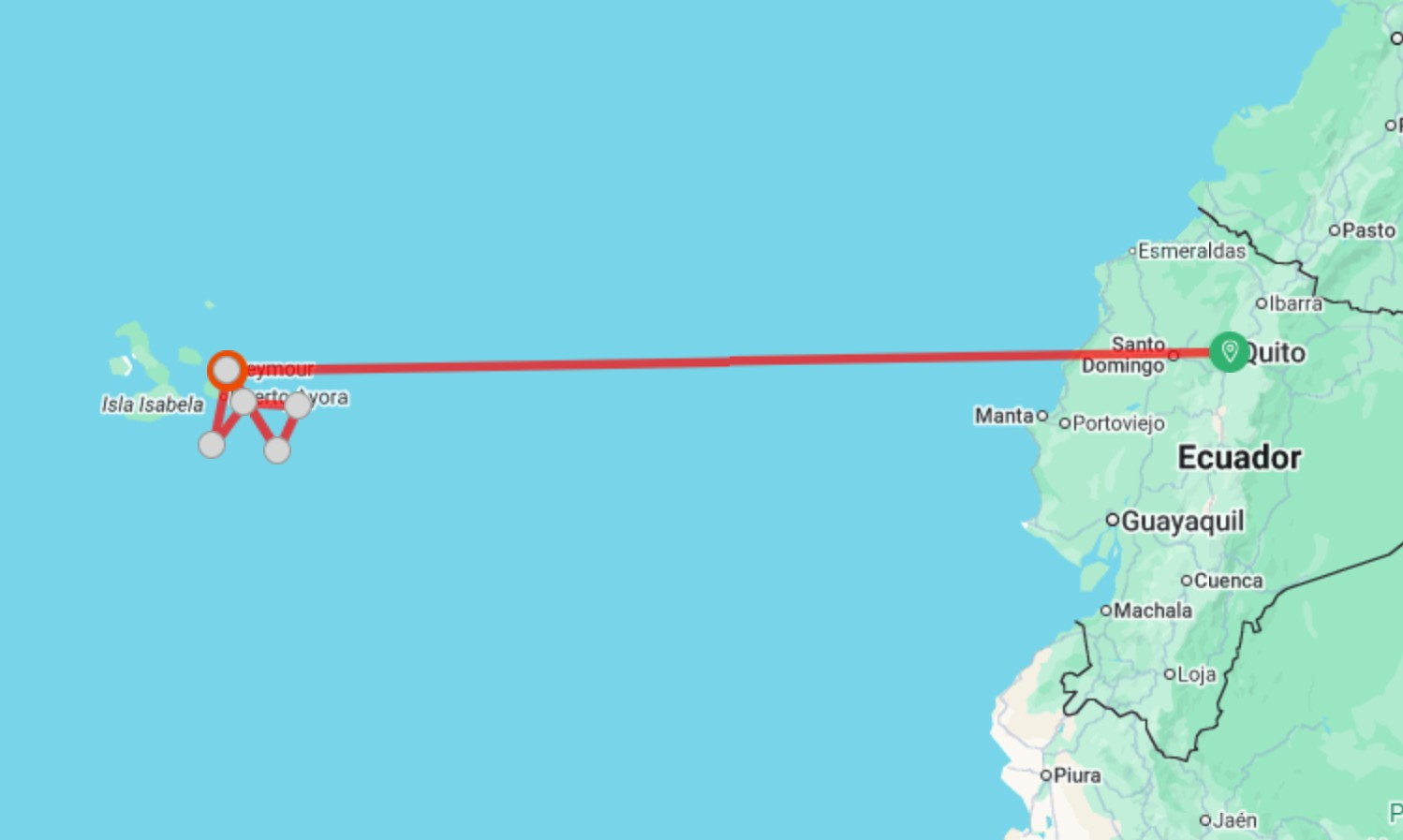
Day 4: Fly to the Galapagos Galapagos Cruise
Early morning transfer to Quito airport to fly to the Galapagos Islands!
Flight from Quito via Guayaquil to Baltra, Galapagos Islands. After passing through immigration and baggage claim, you will be met by a Horizon staff member and brought into a private bus to start your adventure in Galapagos.
Please note: Your first excursion in the Galapagos will be after being picked up at the airport upon arrival to the islands, before boarding the cruise. It is essential for you to arrive in the Galapagos wearing comfortable clothes, good closed-toe shoes suitable for an excursion, a long-brimmed hat, sun lotion, sunglasses, and to ensure you have your camera handy.
AFTERNOON: Twin Craters & Highlands
You will visit the Twin Craters located opposite to each other on both sides of the road leading from Puerto Ayora to Baltra. The name is only figurative; not real craters, these formations were created by the collapse of surface material in underground fissures and chambers. The view is breathtaking.
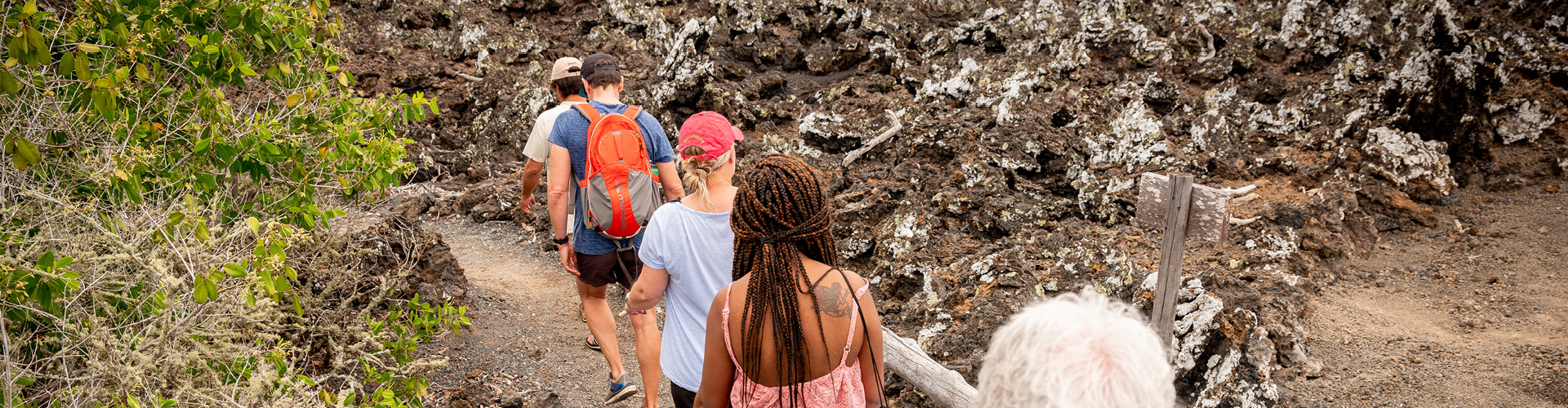
Accessible by bus from Puerto Ayora, the highlands of Santa Cruz are a deep green which contrast beautifully with the dry, lower part of the islands. The predominant vegetation in the highlands are Scalesia trees which create a lush green forest. The lava tunnels, over half a mile long, are underground and walking through them is a unique, surreal experience. At this place you’ll have lunch.
Day 5: Floreana Island
MORNING: Post Office Bay & Devil’s Crown
You will land on a beach and head to a spot where 18th century whalers placed a wooden barrel used as an unofficial mail box. The custom continues to this day with Galapagos visitors. So, don’t forget your postcards, and don’t be surprised if the post card arrives to its destination before you even get home!
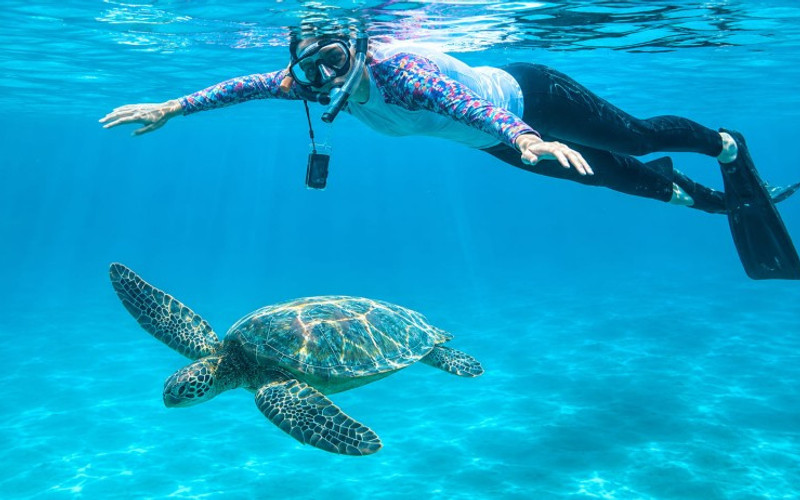
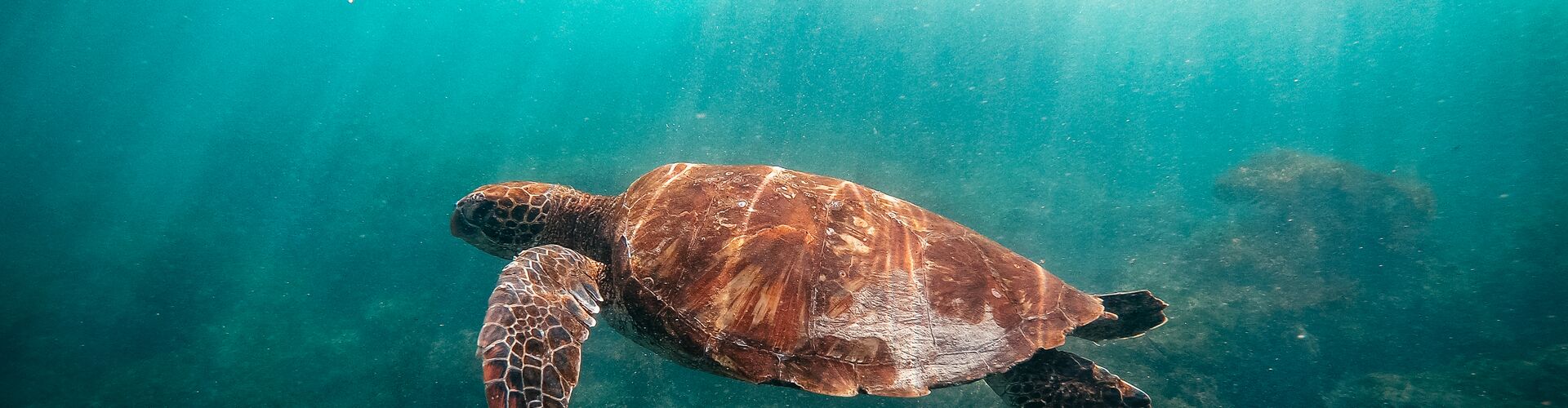
You will have a chance to snorkel around Devil’s Crown which is the rocky remains of an offshore volcano sticking out of the water. This is a great location to spot a wide range of marine creatures.
AFTERNOON: Cormorant Point
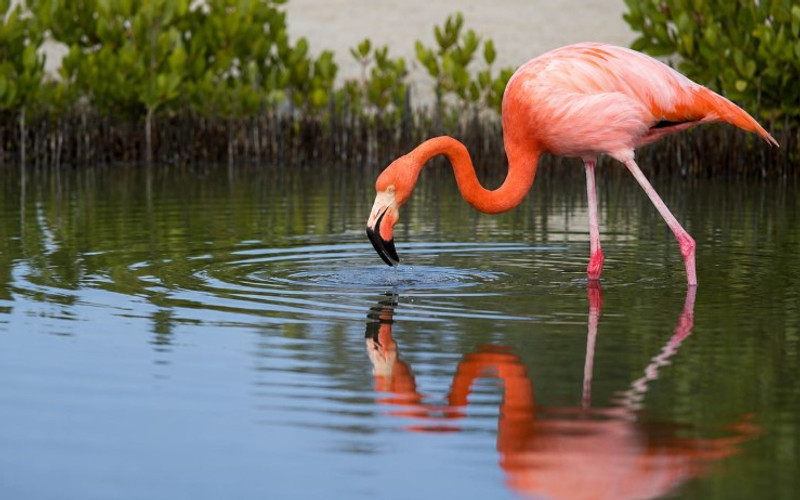
Cormorant Point hosts a large flamingo lagoon where other birds such as common stilts and white-cheeked pintails can also be seen. The beaches on this island are distinct: The Green Beach is named so due to its green color, which comes from a high percentage of olivine crystals in the sand, and the Flour Sand Beach is composed of white coral.
Day 6: Santa Fe Island San Cristobal Island
MORNING: Santa Fé Island
Santa Fe Island (Barrington) is home to the small picturesque bay and anchorage on the island’s northeast coast. The bay has two visitor trails: one leading to a scenic viewpoint atop a cliff, and the other spanning from a small beach to a tall prickly pear cactus forest.
AFTERNOON: Lobos Island
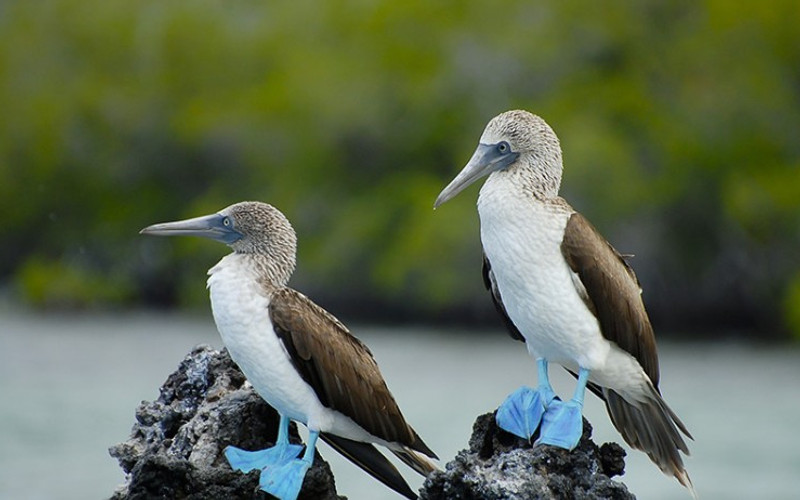
You will take an excursion to Lobos Island which means “Sea Lion Island.” This appropriately named island is ripe with noisy, playful, jolly sea lions who will welcome you to their home with open, well, fins. This island also offers great snorkeling opportunities as well as the chance to see blue-footed and Nazca boobies.
Day 7: San Cristobal Island
MORNING: Gianni Arismendy Interpretation Center
This site is part of an environment project. The tour of this center will explore the natural history of the islands including human interaction and conservation efforts. The Museum of Natural History explains the volcanic origin of the archipelago, ocean currents, climate, and the arrival of endemic species. The Human History exhibit chronologically describes significant events such as discovery and colonization of the islands.
AFTERNOON: David Rodriguez Breeding Center “La Galapaguera”
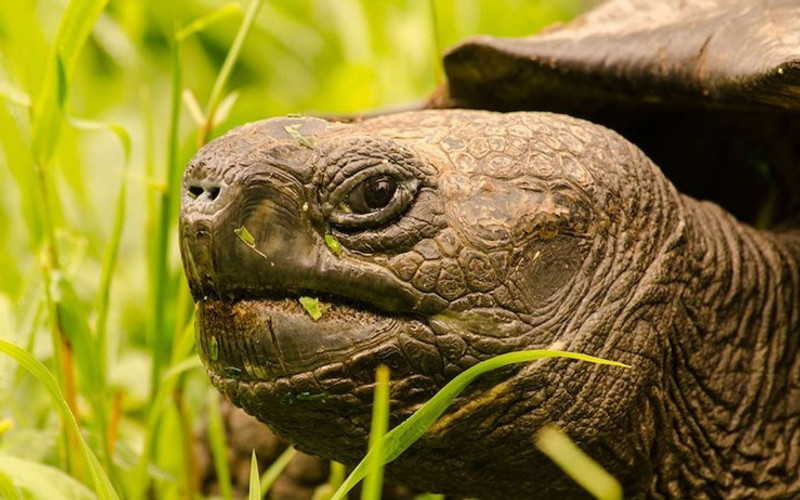
Breeding Center David Rodriguez - “La Galapaguera”, in Cerro Colorado, is a new visitor site in the southeast part of San Cristobal Island and can now be reached in roughly one hour by road from Puerto Baquerizo Moreno. On the trees and shrubs surrounding the site, you may see land birds like warblers, finches and mockingbirds. Giant tortoises can be observed on the trails. They live there wild but in a protected area to ensure their survival by sealing them off from introduced predators like pigs and goats.
Day 8: San Cristobal Island
MORNING: Pitt Point
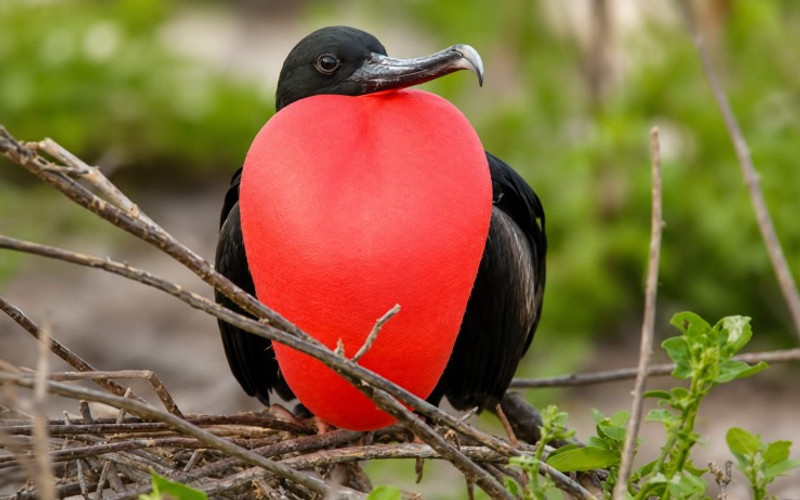
Pitt Point, situated on the north-eastern tip of the San Cristobal island, hosts frigate birds, storm petrels, and all three types of booby birds: the Nazca, blue-footed and red-footed boobies. A steep trail goes up a cliff and through a ravine leading visitors to an area with an abundance of birds.
AFTERNOON: Witch Hill & Kicker Rock
This striking rock formation is located a couple hours off the western shore of San Cristobal. Jutting out of the water, the rocks stand vertically at hundreds of feet above the ocean divided by a small channel. Although there are no landing areas, circumnavigation allow visitors to spot a variety of marine life.
Day 9: Española Island
MORNING: Suarez Point
On the trail to Suarez Point you will have the chance to spot blue-footed boobies, albatrosses, and Nazca boobies. This island is the breeding site of nearly all of the world’s 12,000 pairs of waved albatrosses. You will also visit a beautiful site on the ocean front where there is a cliff that the large albatrosses use as a launching pad! You will have the chance to see the famous blowhole that spurts sea water into the air. The landscape is great for photography.
AFTERNOON: Gardner Bay, Gardner Islet & Osborn Islet
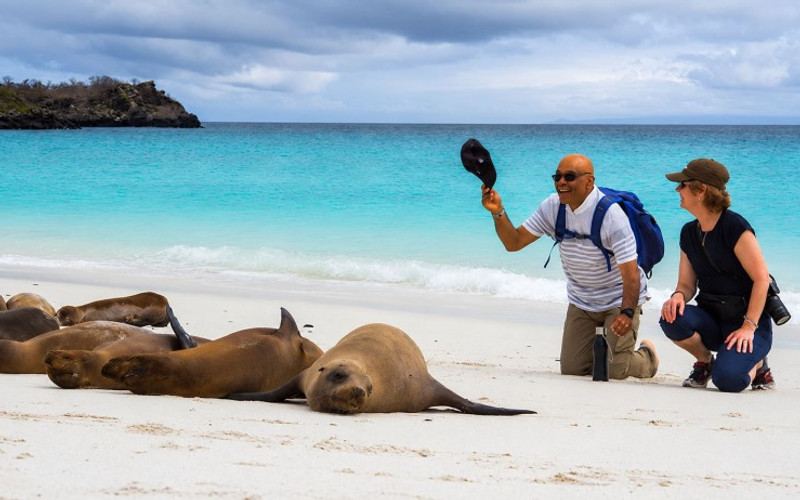
This excursion takes you to the spectacular Gardner Bay. After landing, you can walk across a lovely white-sand beach amongst a busy sea lion colony or dive into the water to swim with sea lion pups. You may also see curious mockingbirds on the beach.
Day 10: Santa Cruz Island Quito
MORNING: Bachas Beach
Bachas Beach is located on the north shore of Santa Cruz and is a beach for swimming. One of the few remnants of the U.S. World War II presence in the Galapagos, a floating pier, can be seen here. You may see flamingos, Sally Lightfoot crabs, hermit crabs, black-necked stilts, and whimbrels. Sea turtles also nest on the beach.
AFTERNOON; Baltra Airport Departure
After this final visit, you will be transferred to the Baltra airport in time for your flight back to the mainland.
Overnight at Quito airport hotel
Day 11: Depart Quito
Our tour ends in Quito today.
You make depart at any time.
Eager to explore more? Ask us about adding on an Amazon jungle experience, or a trip to Machu Picchu.