Day 1: Victoria Falls
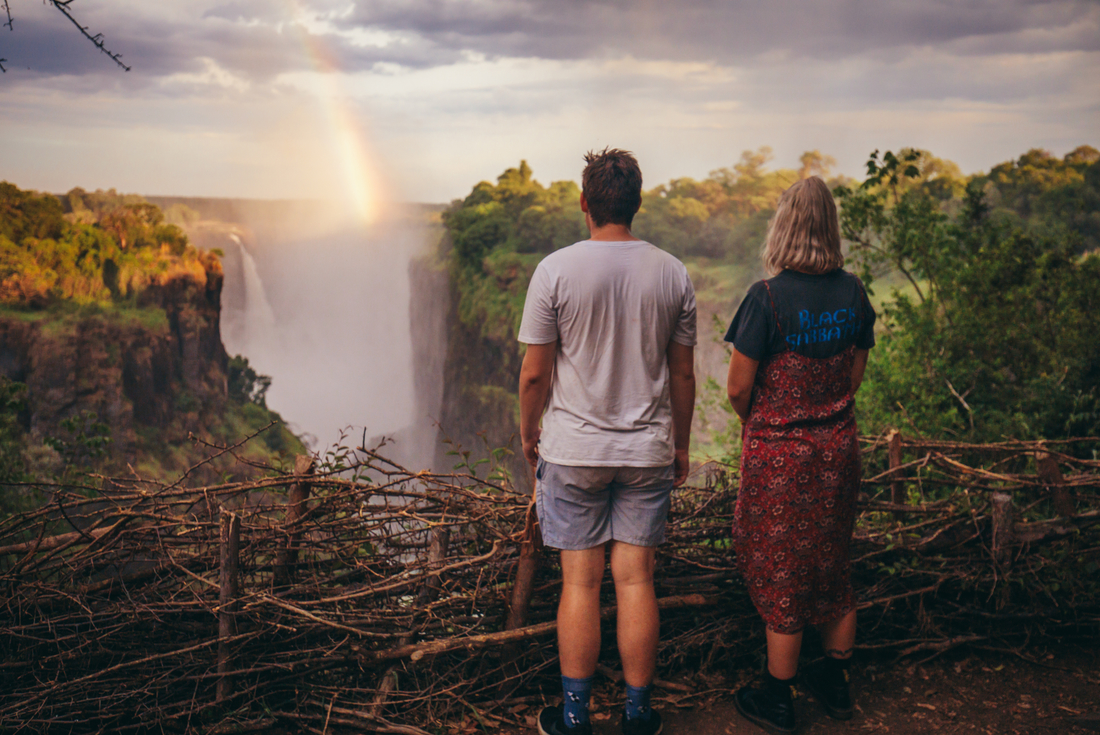
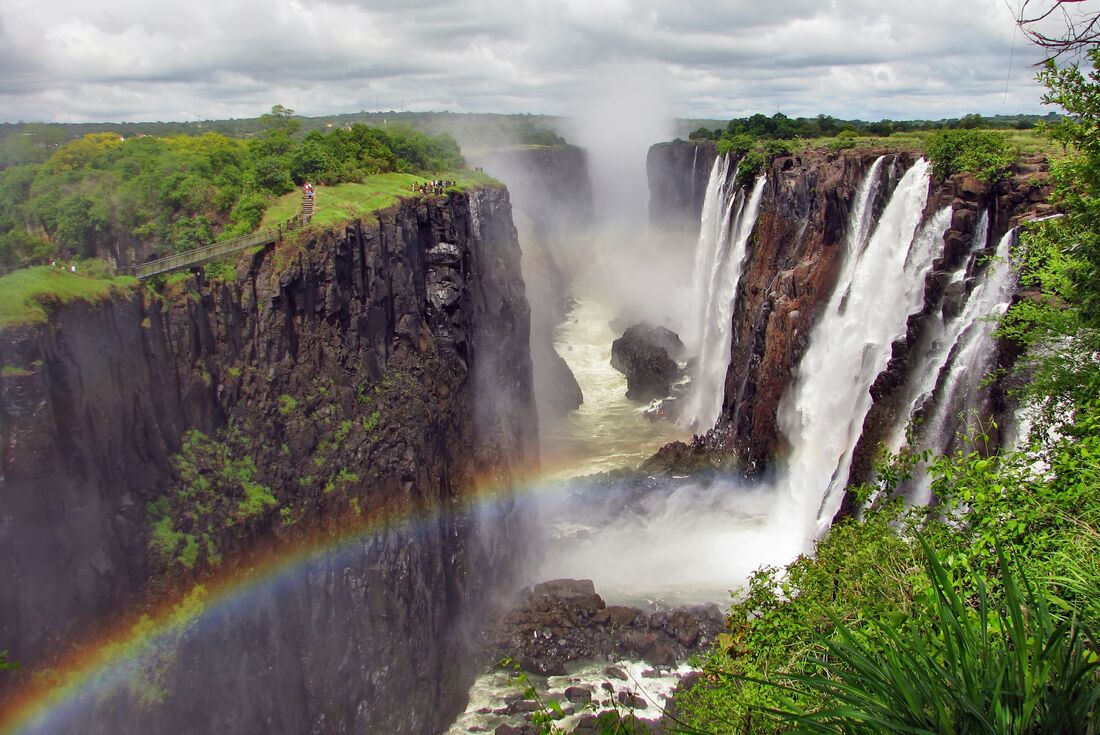
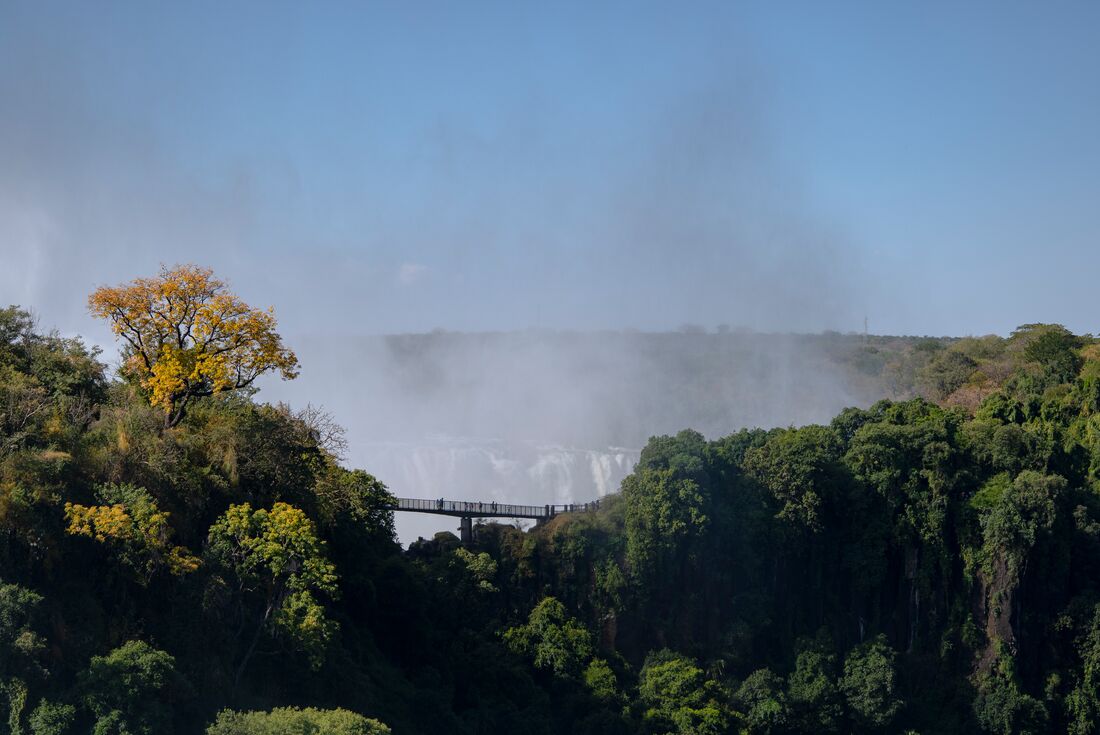
Mhoro! Welcome to Zimbabwe. Your adventure begins in Victoria Falls with welcome meeting at 6 pm tonight. If you arrive early, why not check out some of the optional activities around Victoria Falls. The Zimbabwe side of the falls offers the broadest view of this colossal natural wonder. Scenic helicopter flights are incredible and take you over the thundering cascades. After your meeting, maybe get to know your fellow travel mates over dinner at a local restaurant.
Day 2: Victoria Falls
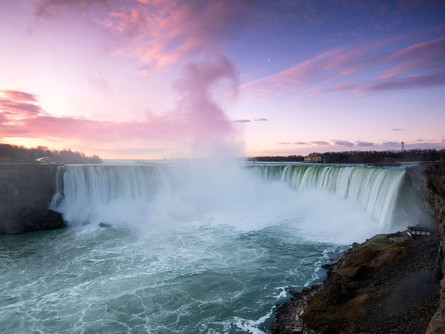
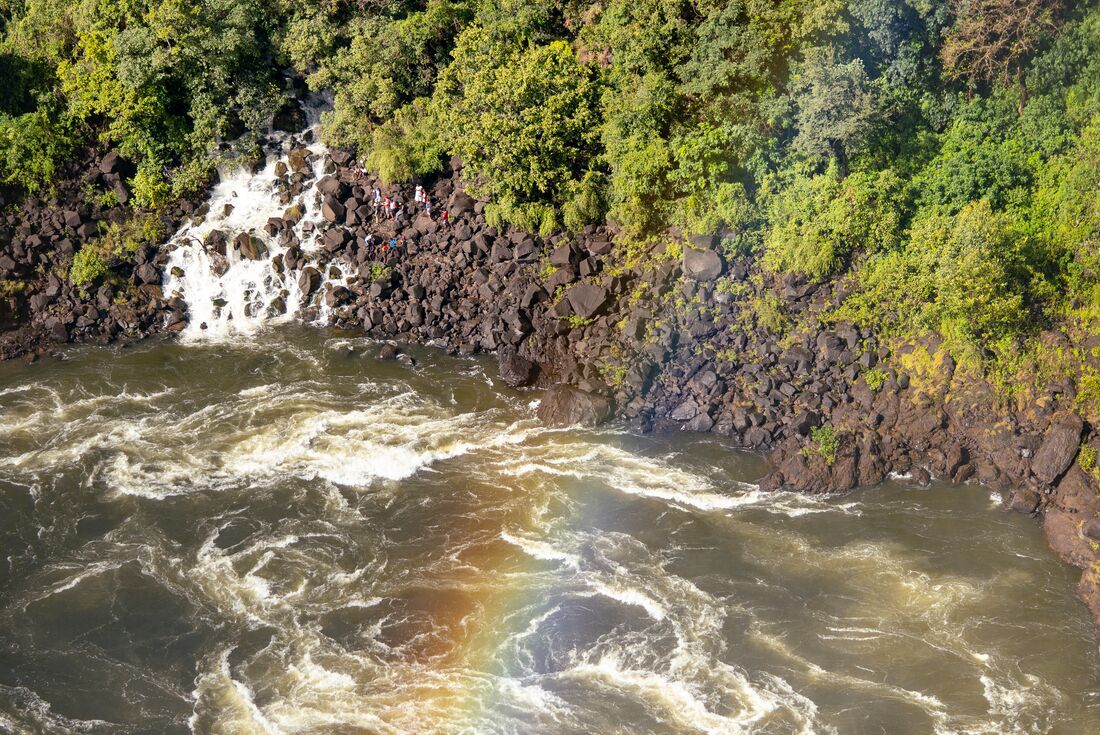
Guess what? You’re at the edge of the greatest curtain of falling water in the world. After a leader-led orientation walk of the town, enjoy a day of free time to take up one of many activities on offer in the area, including a gorge swing or whitewater rafting! There are many ways to take in the thundering sight and sound of the falls. These staggering cascades are about a mile wide, falling 108 m into a narrow gorge below. In the wet season, the spray rises high and the falls become a torrent; in the dry season, the lack of spray gives way to a nice view of the islets in the river below. Tonight, sit down to a traditional Zimbabwean dinner and cultural performance by White Star, who celebrate and preserve African stories and values through movement, while their profits go to supporting vulnerable groups and providing free dance lessons to local youth. Dinner will feature local Zimbabwean dishes, including village-style goat stew and peanut butter rice.
Day 3: Hwange National Park
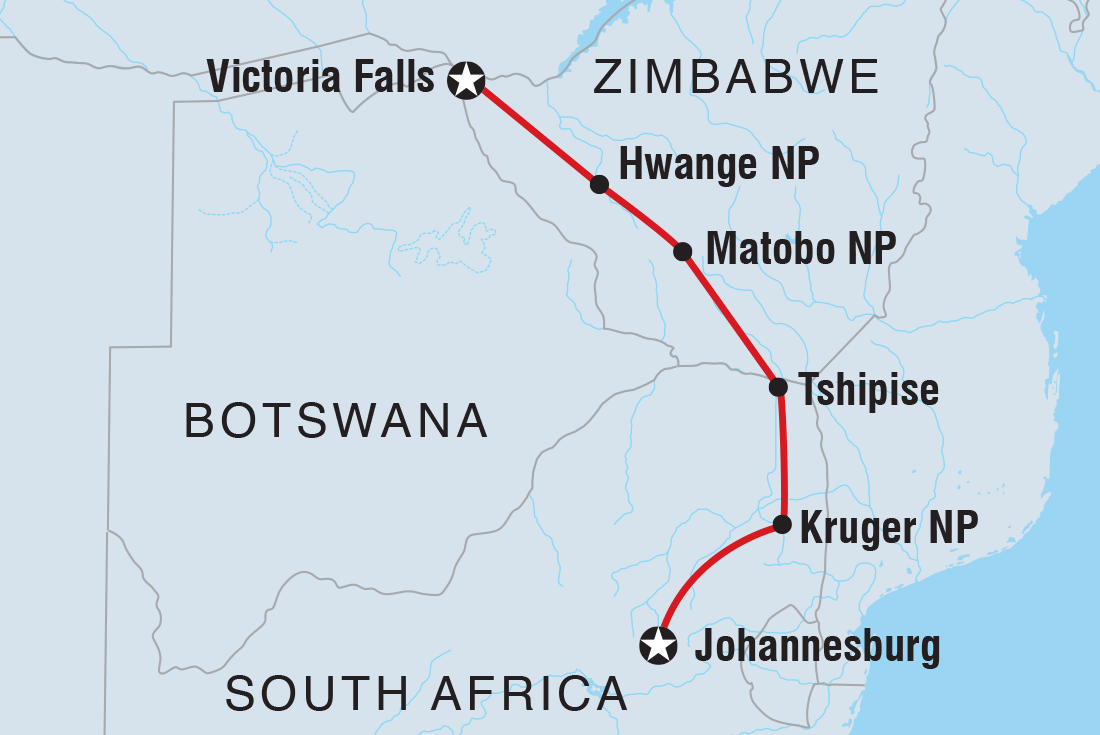
Leave Victoria Falls behind and head to Hwange National Park. En route, stop via the Victoria Falls Wildlife Trust – one of the Intrepid Foundation’s projects - where you can learn about the rescue and rehabilitation of wildlife, human-wildlife conflict and their role in anti-poaching. There may also be a chance to meet any rescued or orphaned wildlife currently in their care. After, explore the stunning arena of Hwange in an open 4x4 vehicle. This national park became the royal hunting grounds of the Ndebele warrior-king Mzilikazi in the early 19th century and was set aside as a national park in 1929. Today, Hwange boasts a massive selection of wildlife, with over 100 species of mammals and nearly 400 bird species. But it's the elephants this place is famous for – here you'll find one of the largest elephant populations in Africa.
Day 4: Matobo National Park
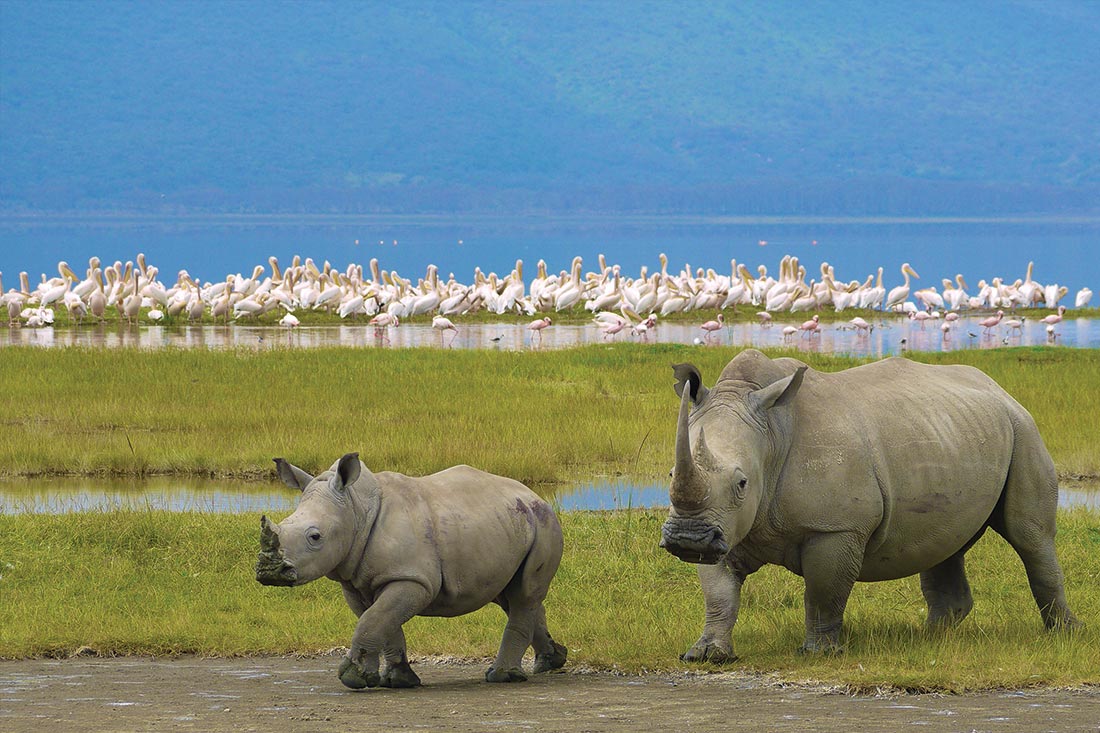
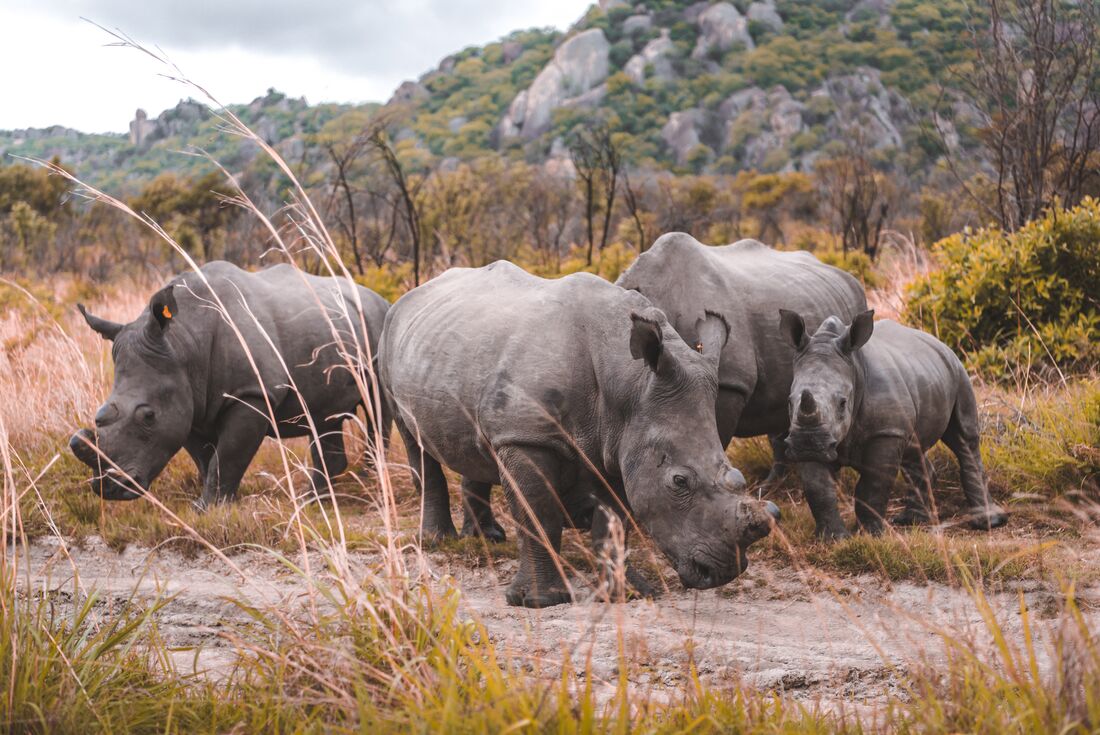
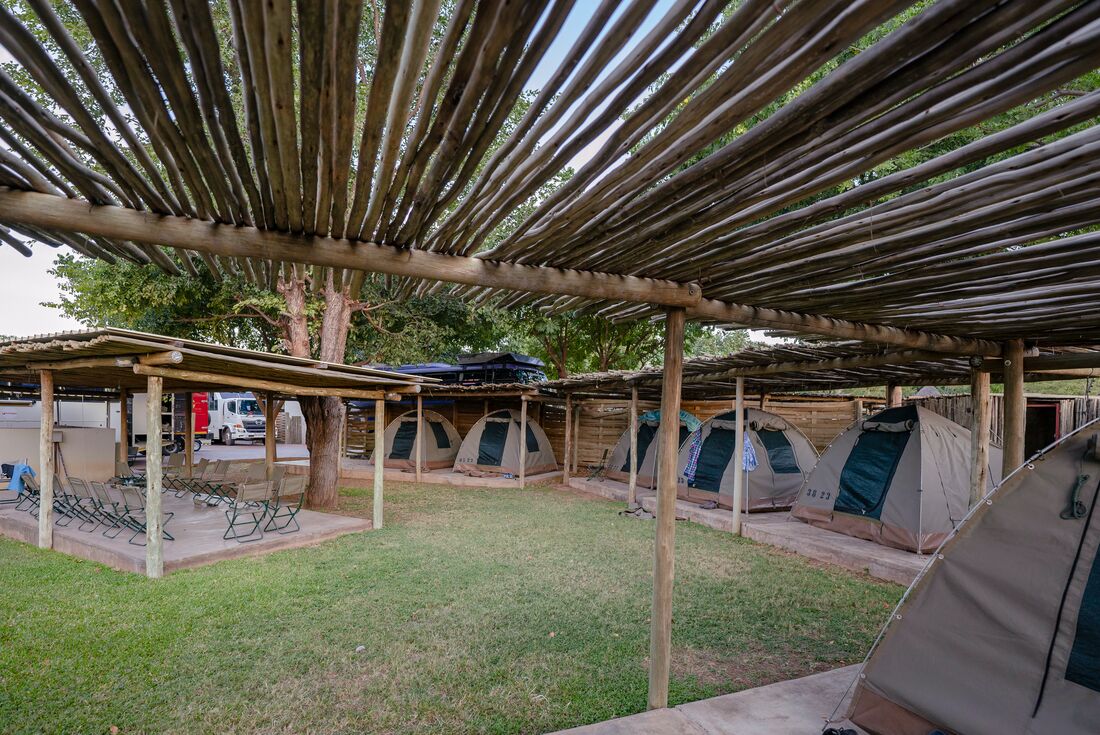
Make tracks for Matobos with a short detour through Bulawayo, checking out its Victorian-style buildings, before heading to your camp for the next two nights. Home to a large population of black and white rhinoceros that can be tracked on foot. Matobo National Park is also the site of the grave of Cecil John Rhodes, the founder of Rhodesia and the De Beers diamond company. The Matobos area has great spiritual and cultural significance to the local people and there are many sites within the park where important ceremonies still take place. For those interested in the culinary side of southern African food, tonight your cook can provide a cooking class while you help prepare this evening’s delicious meal.
Day 5: Matobo National Park
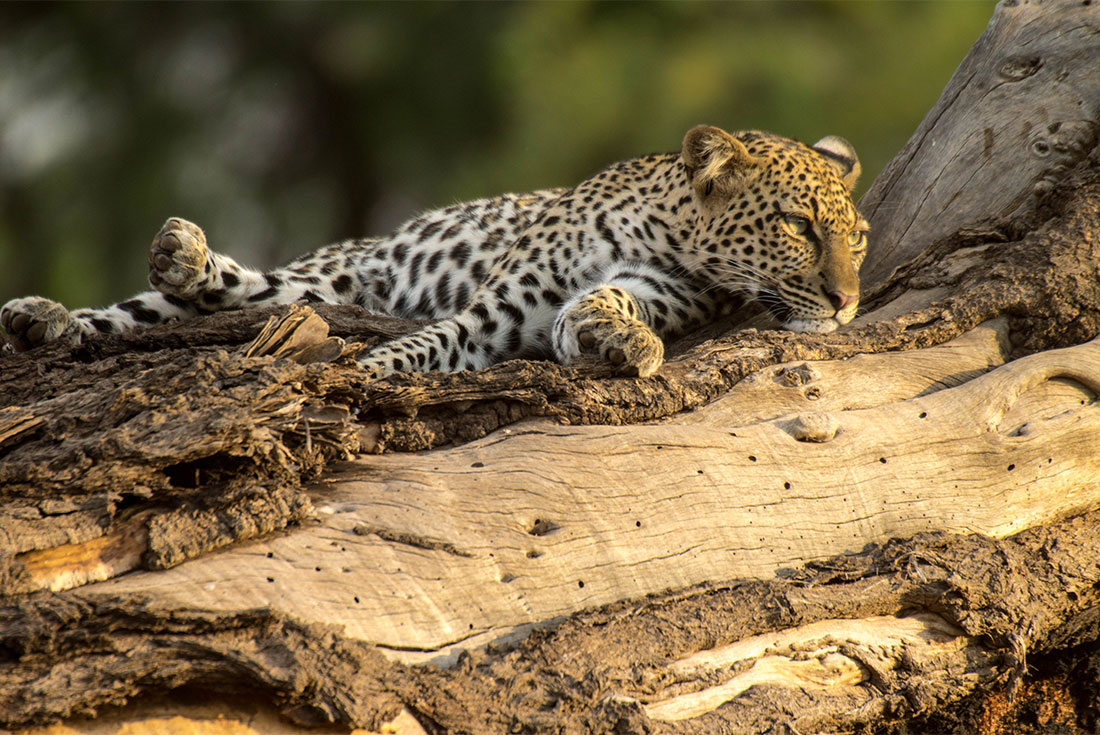
Good morning from mighty Matobos. You’re free to do as you please, but what is highly recommended is heading to Matobo Hills and spending the day tracking rhinos and other game animals with the help of your guide on an optional tour. The park is home to a wide variety of wildlife, including klipspringers, leopards, warthogs and springhares. Along the way, learn about the flora in the area and find old bushman paintings, see rock formations and learn the history of the area. Then it's off to nearby villages to meet some of the local community. It’s definitely a day you won’t want to miss.
Day 6: Tshipise
This morning, you will depart Zimbabwe and cross the bustling border post, the only direct crossing between Zimbabwe and South Africa. You’re expected to arrive at your campsite on the edge of Honnet Nature Reserve by late afternoon. Once there, unwind and take advantage of the extensive facilities, including both indoor and outdoor pools, a putt-putt course and a nature trail.
Day 7: Kruger National Park
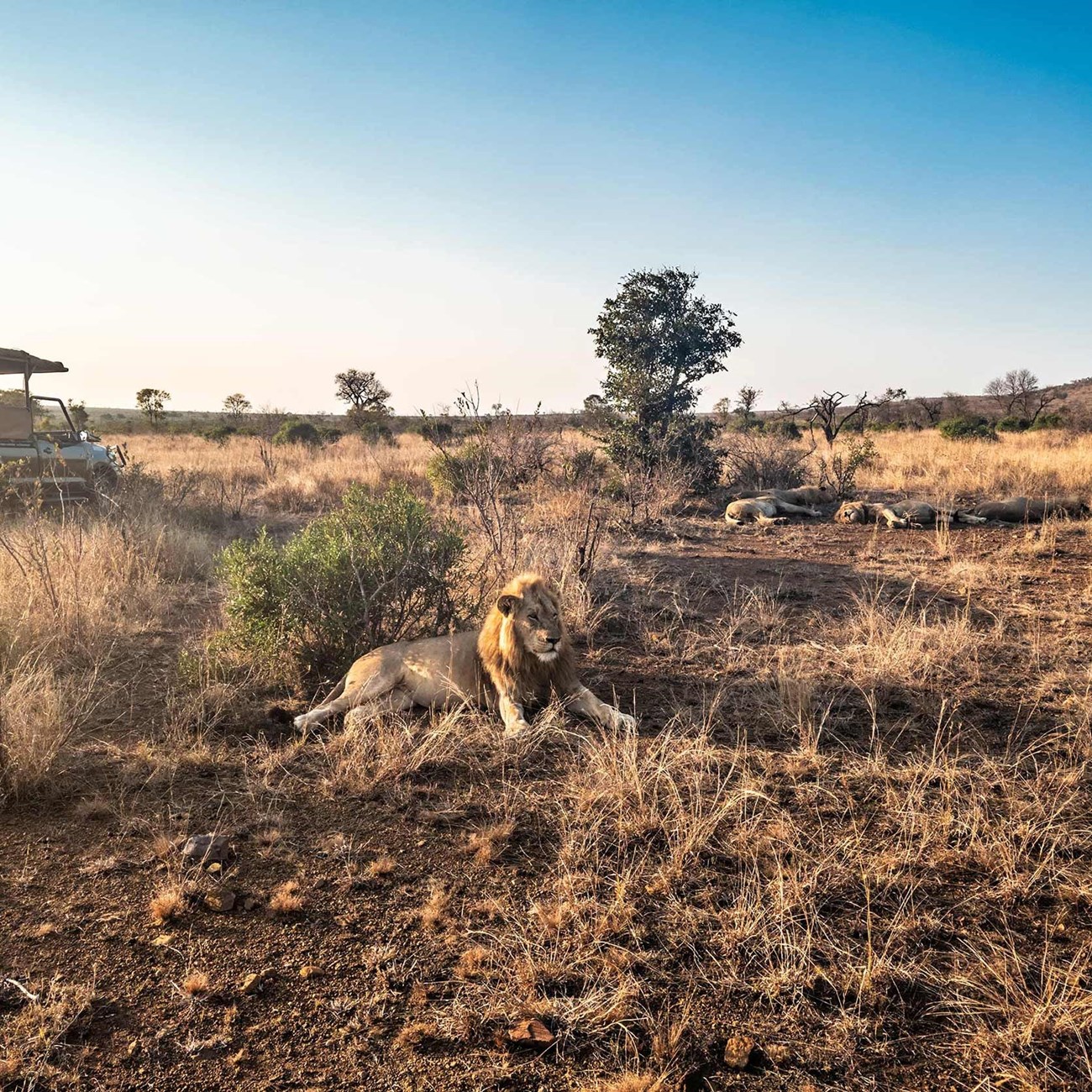
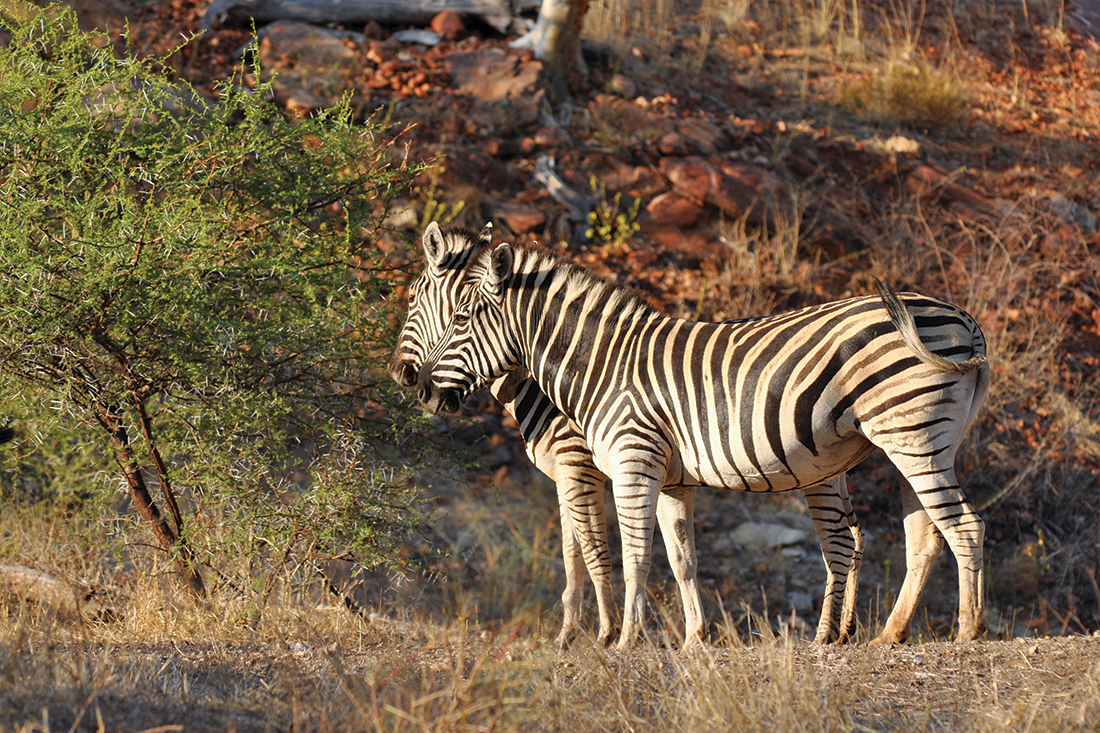
After breakfast, set off for renowned Kruger National Park. This world-famous park is known for Africa's iconic wildlife – lion, elephant, buffalo, leopard and rhino. On top of that, it's home to some 336 kinds of trees, 49 fish species and over 500 species of bird. See how many of these you can spot on your way to your campsite for the night.
Day 8: Kruger National Park
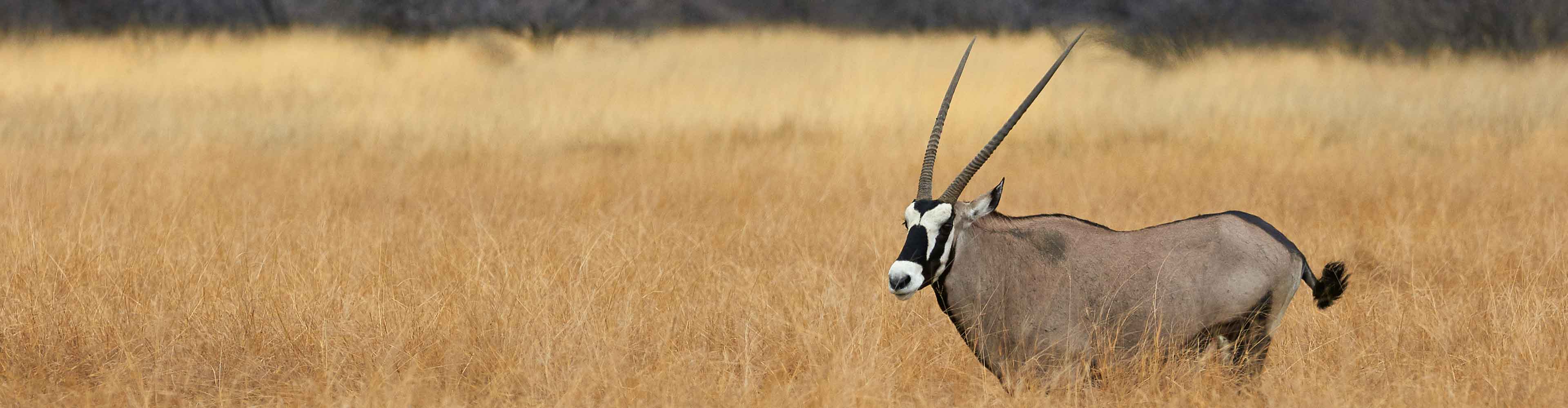
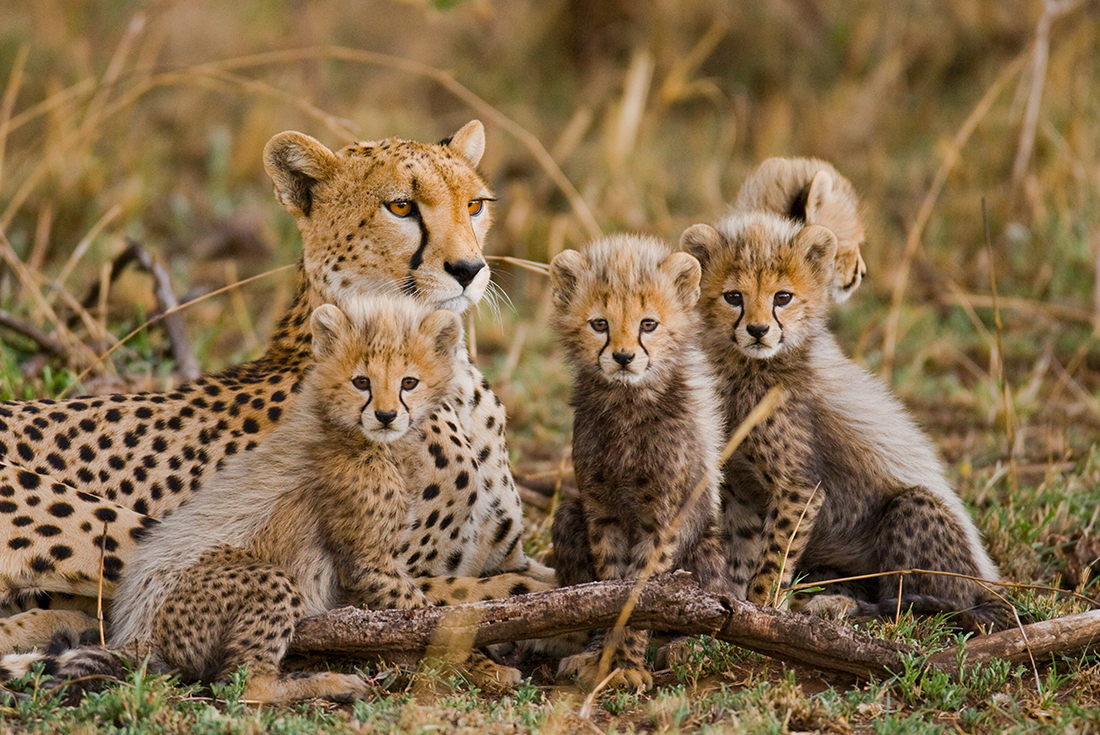
Today, you will set off on an exhilarating full-day 4WD safari through Kruger National Park. This remarkable reserve, comparable in size to Belgium or Wales, offers an incredible opportunity to see Africa's iconic animals in their natural habitat, surrounded by savannas, forests, and expansive landscapes. Kruger is home to a diverse array of wildlife, including elephants, lions, leopards and buffalo, along with the endangered African wild dog. You’ll venture into prime areas for wildlife observation, keeping an eye out for various species ranging from antelopes and springbok to cheetahs and rhinos.
Day 9: Johannesburg
Venture out this morning for one last safari in your overland truck and soak up all Kruger has to offer. Keep your eyes peeled, ‘cause you never know what will pop out from behind the shrubs! Continue back to Johannesburg, where your trip finishes on arrival at a designated hotel drop-off point.