Day 1: Chobe National Park
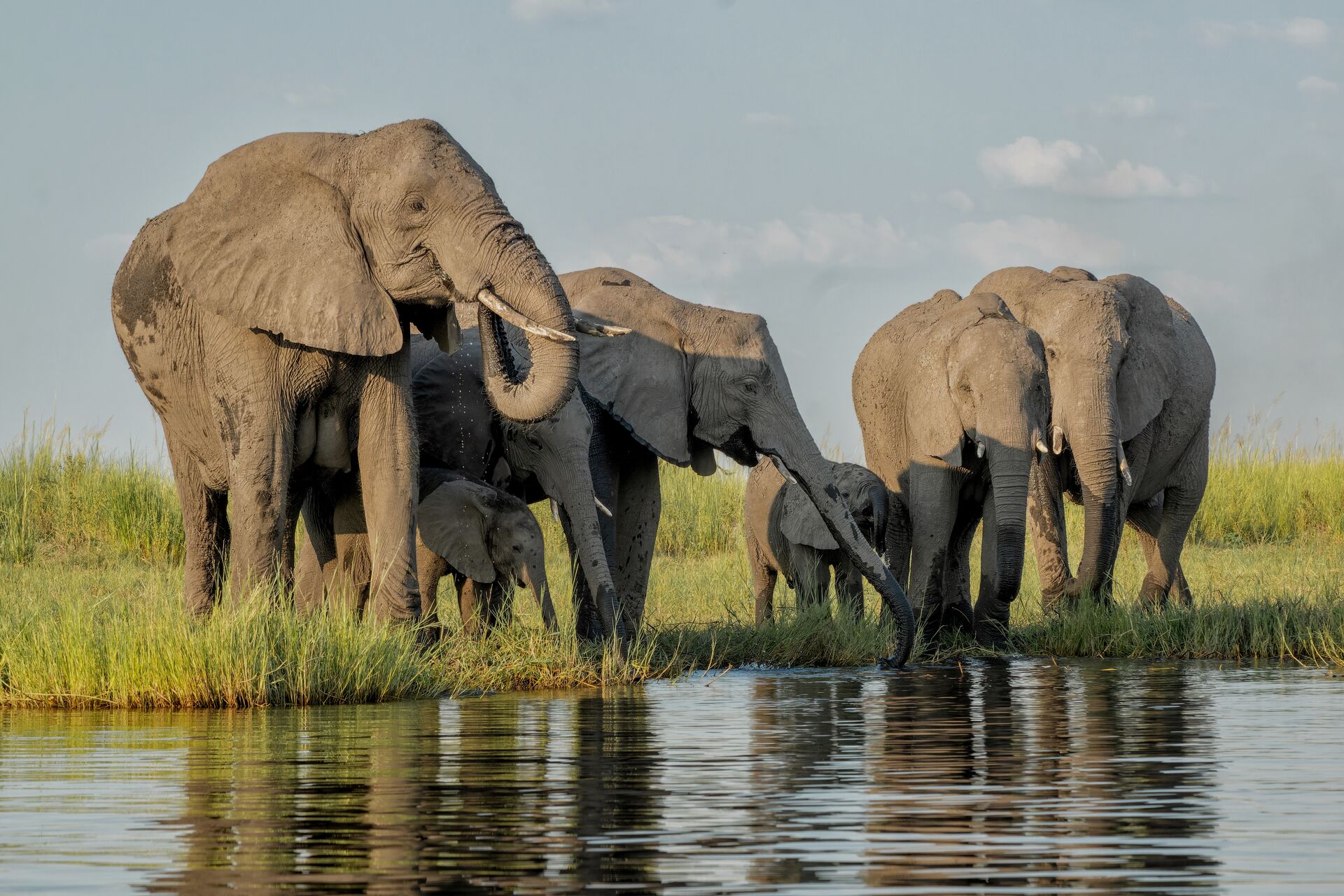
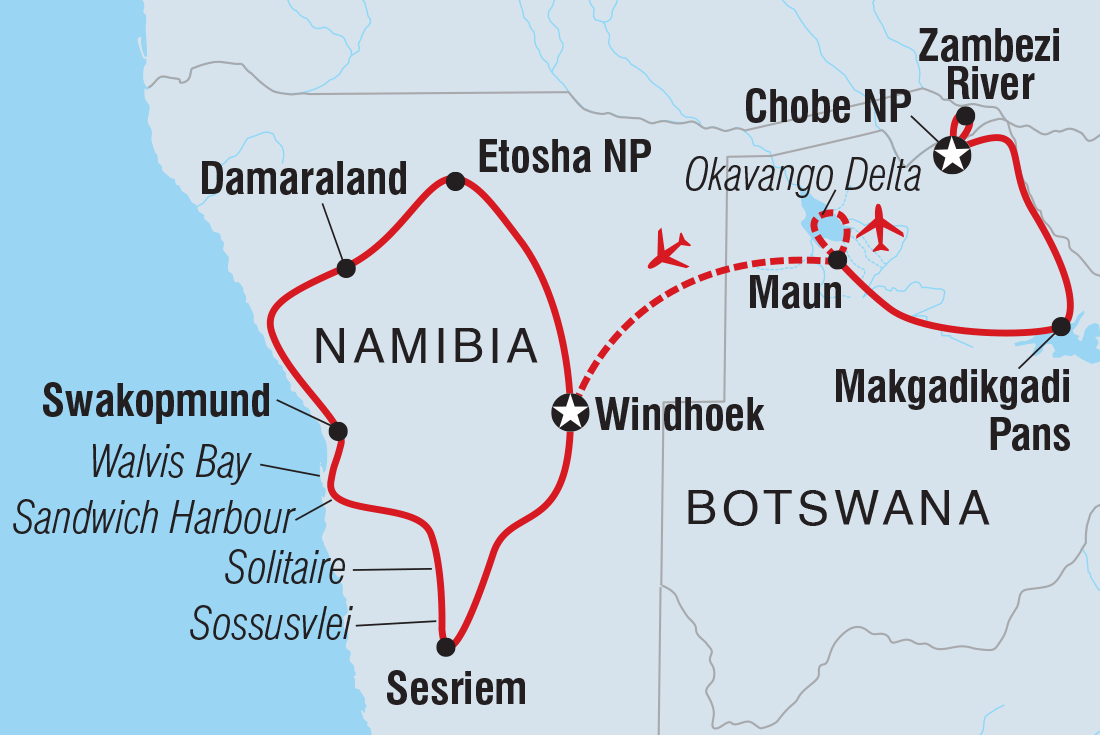
O Amogelesegile! Welcome to Botswana. Your adventure begins at Chobe National Park – one of Africa’s premier wildlife destinations and home to the largest population of elephants in the world. When you arrive at the airport, you’ll be met by a Chobe Safari Lodge representative and transferred to your accommodation on the banks of the Chobe River, at the fringe of the park. Meet your local leader and fellow travellers at a welcome meeting at 6 pm. After, head out for dinner at the lodge. Enjoy a celebration of Indigenous food and the rich flavours of Africa as you dine alongside the scenic Chobe River.
Day 2: Zambezi River
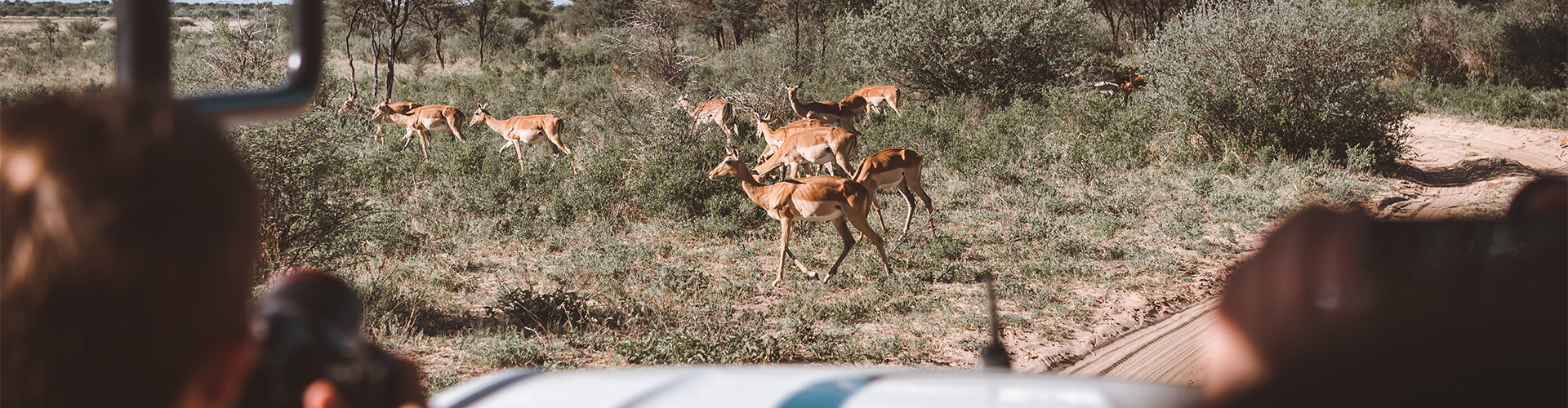
Rise early for a morning safari in Chobe National Park. You might see elephants drinking at the water's edge, large herds of cape buffalo and many impalas within the park. Head back to the lodge for breakfast, then journey to the Ngoma Border Post before continuing to the Namibian side of the Zambezi River. Tonight you’ll stay in your Feature Stay accommodation – the Zambezi Mubala Lodge, a river hideaway where you can find hippos, vervet monkeys and more than 450 species of birds. Arrive in time for a hearty lunch at the lodge, then enjoy some downtime to relax by the pool, spot wildlife from the bar or soak up the wild surroundings on the banks of the Zambezi River. Speak to your leader about the optional seasonal activities for the afternoon, including a canoe trip, guided walking trail or a birding drive.
Day 3: Zambezi River
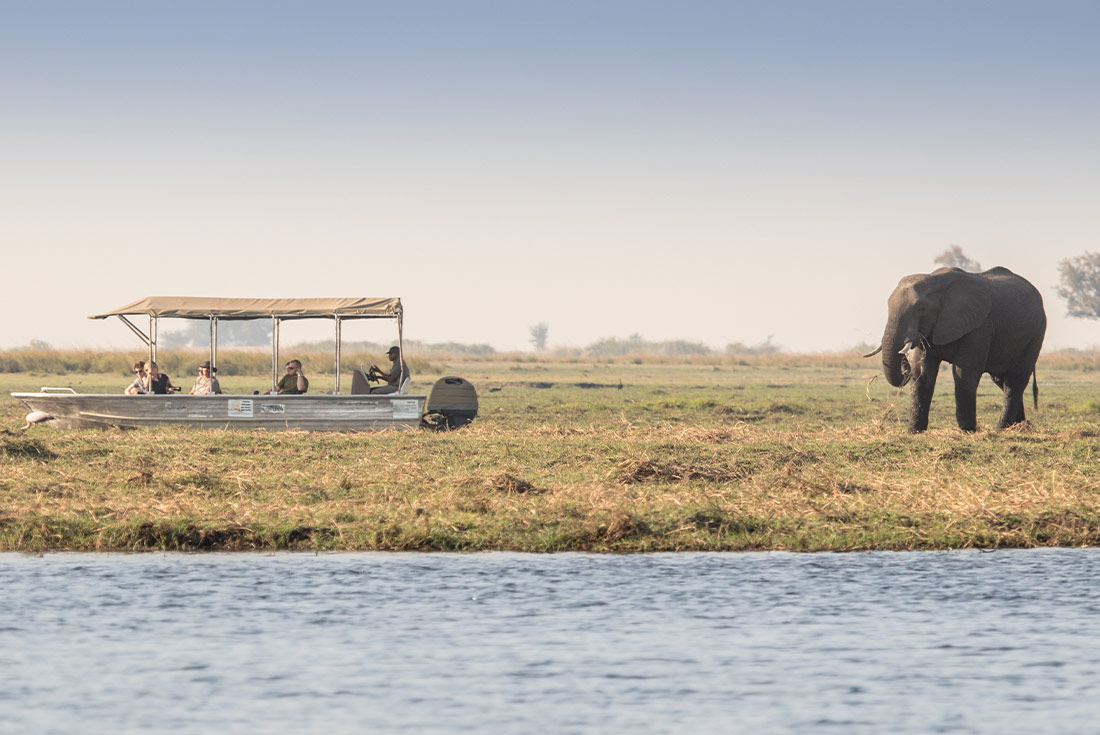
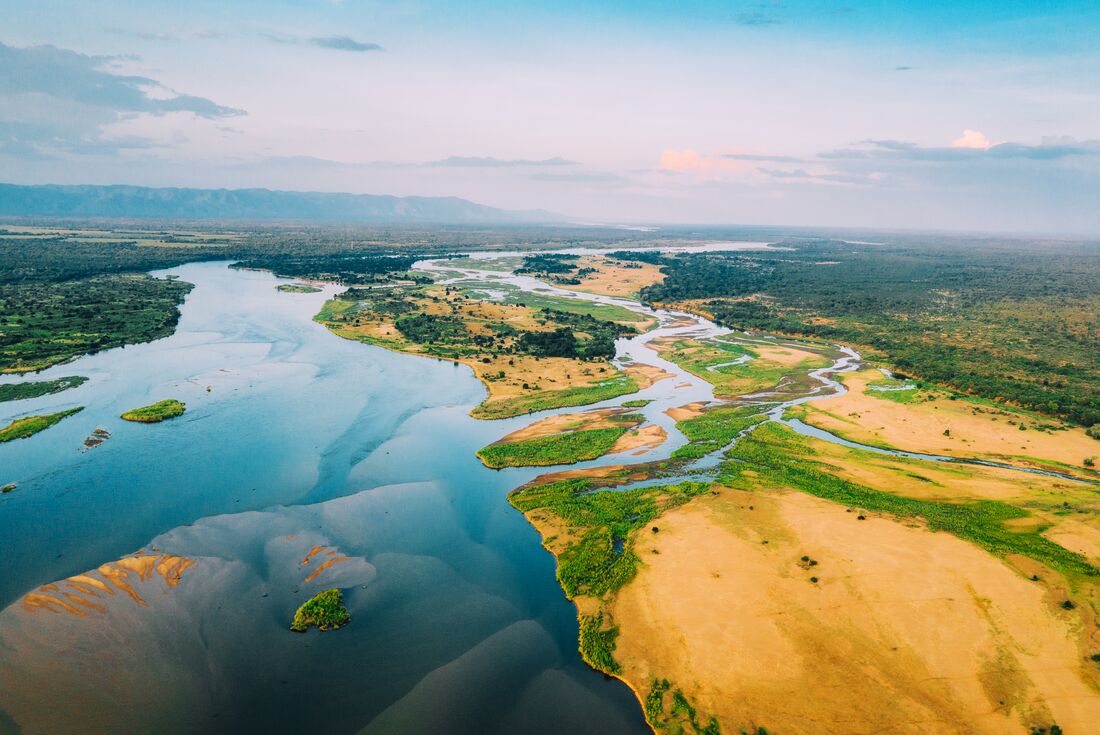
Today, enjoy a restful morning at your Feature Stay. This afternoon, you’ll take a cruise down the Zambezi River. The privileged position of your camp allows you to access a part of the river that most visitors don’t get to see, which means you can view the abundant wildlife without the crowds – look out for large herds of elephants, buffalo and antelope. After, head back to the lodge for dinner and watch the sunset change the colours of the landscape.
Day 4: Makgadikgadi Pans
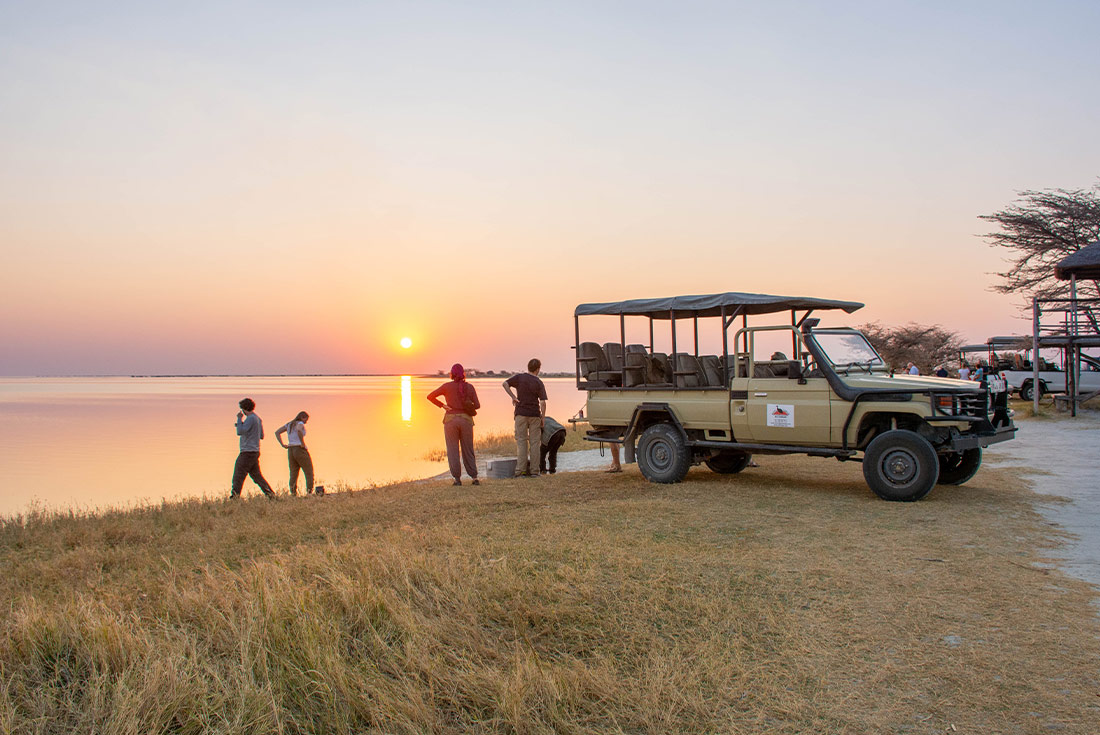
Heading south, cross the Ngoma border back into Botswana and continue your journey to the vast salt flats and grassy plains of the Makgadikgadi Pans. Located in the north-east of Botswana, the Makgadikgadi Pans sit in the middle of a dry savanna and are all that remain of the former Lake Makgadikgadi. This afternoon, you’ll head out on a 4WD excursion. The immense, sprawling salt flat will unfold in front of you as you look out for birds and animals, some who are seasonal visitors and some who call the area home all year. Sit out on the pans and enjoy drinks and snacks as the sun sets, then return to the lodge for dinner.
Day 5: Maun
Travel to the edge of the Ntwetwe Salt Pans, home to a family of meerkats. With the aid of trackers, you'll observe their morning rituals – watch the meerkats bask in the morning sun before heading out to forage. When you’ve had your fill of watching these magnificent creatures, you’ll stop at a lodge for lunch, then continue to Maun – the gateway to the Okavango Delta, one of the world's most complex ecosystems.
Day 6: Maun (Okavango Delta)
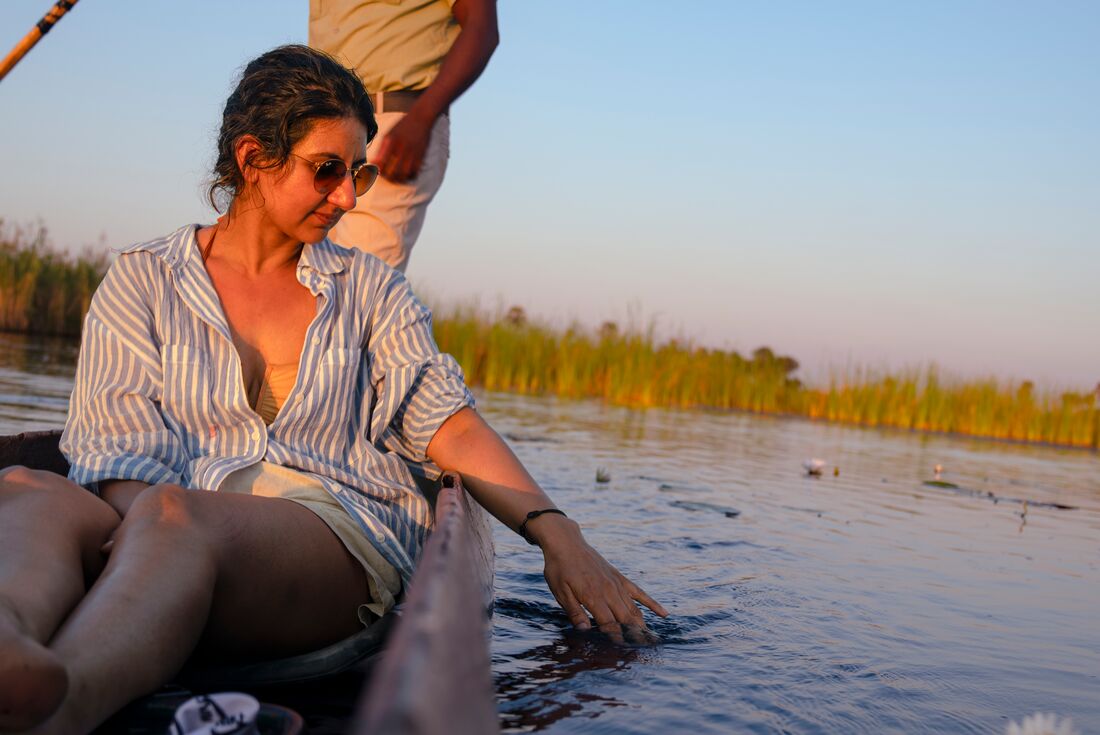
Today, you'll fly into the Okavango Delta for a safari, giving you a chance to see the delta’s diverse wildlife from a fresh angle and get a sense of the vast scale of the landscape from up above. After you land, you’ll head out on a safari in the Moremi Game Reserve, accompanied by expert guides and wildlife spotters. This is a prime area for viewing elephants, lions, leopards, wild dogs and buffalo roaming the savannas, lagoons and forests. After, have lunch at a safari lodge, then hop into a traditional mokoro (a dugout canoe steered by friendly local 'polers') for an Okavango waterways experience. With some luck, you might spot some more of the delta's wildlife or birdlife. Spend some time exploring the maze of lagoons, lakes and streams by mokoro before exploring on foot with a local guide. View plants, trees and animals from a different perspective and observe close-up details often missed on safaris. Your guide will provide expert knowledge and help you gain a deeper understanding of the environment. After, fly back to Maun.
Day 7: Windhoek
Check out of your lodge this morning and transfer to the airport for an unaccompanied flight to Windhoek, the capital of Namibia, known for its German architecture and relaxed atmosphere. When you arrive, you'll be met by another transfer driver who will take you to your hotel. Perhaps head out for a stroll around town to admire the architecture of the Tintenpalast and Christuskirche buildings or stop by a local market to peruse handmade crafts.
Day 8: Windhoek
Today is free for you to explore Windhoek, or perhaps just relax and take it easy at your hotel. You'll meet your new group and leader for a welcome meeting at 6 pm tonight. After your meeting, get to know your new travel companions over dinner at a local restaurant.
Day 9: Sesriem
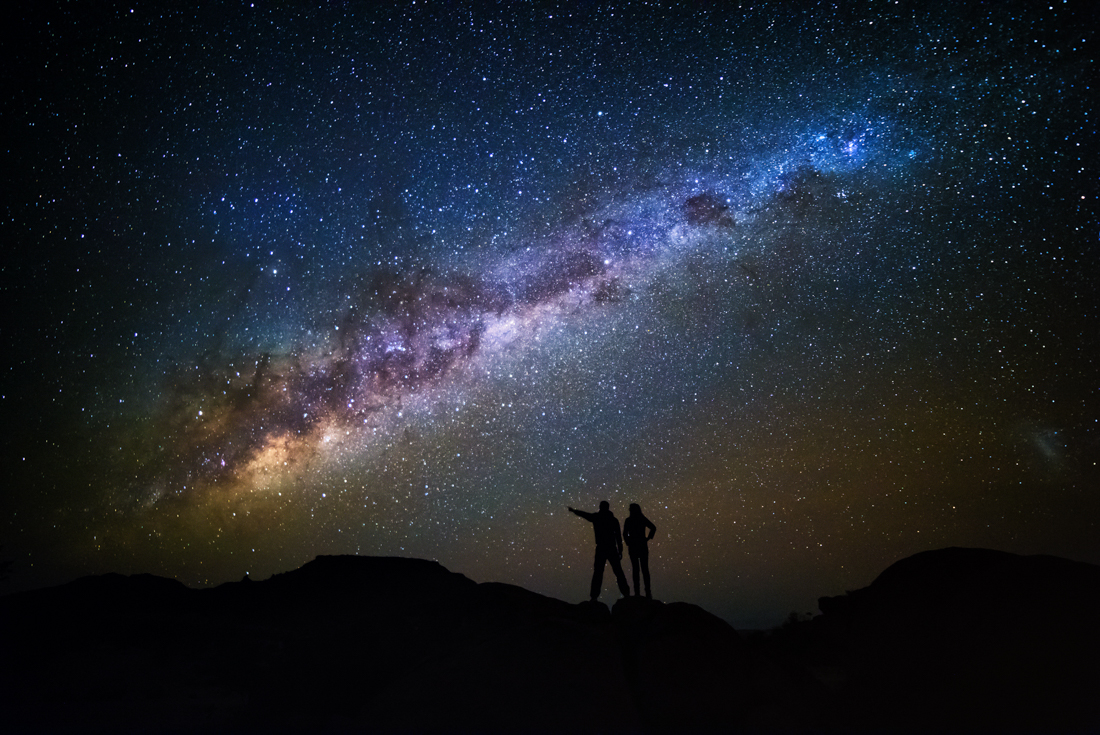
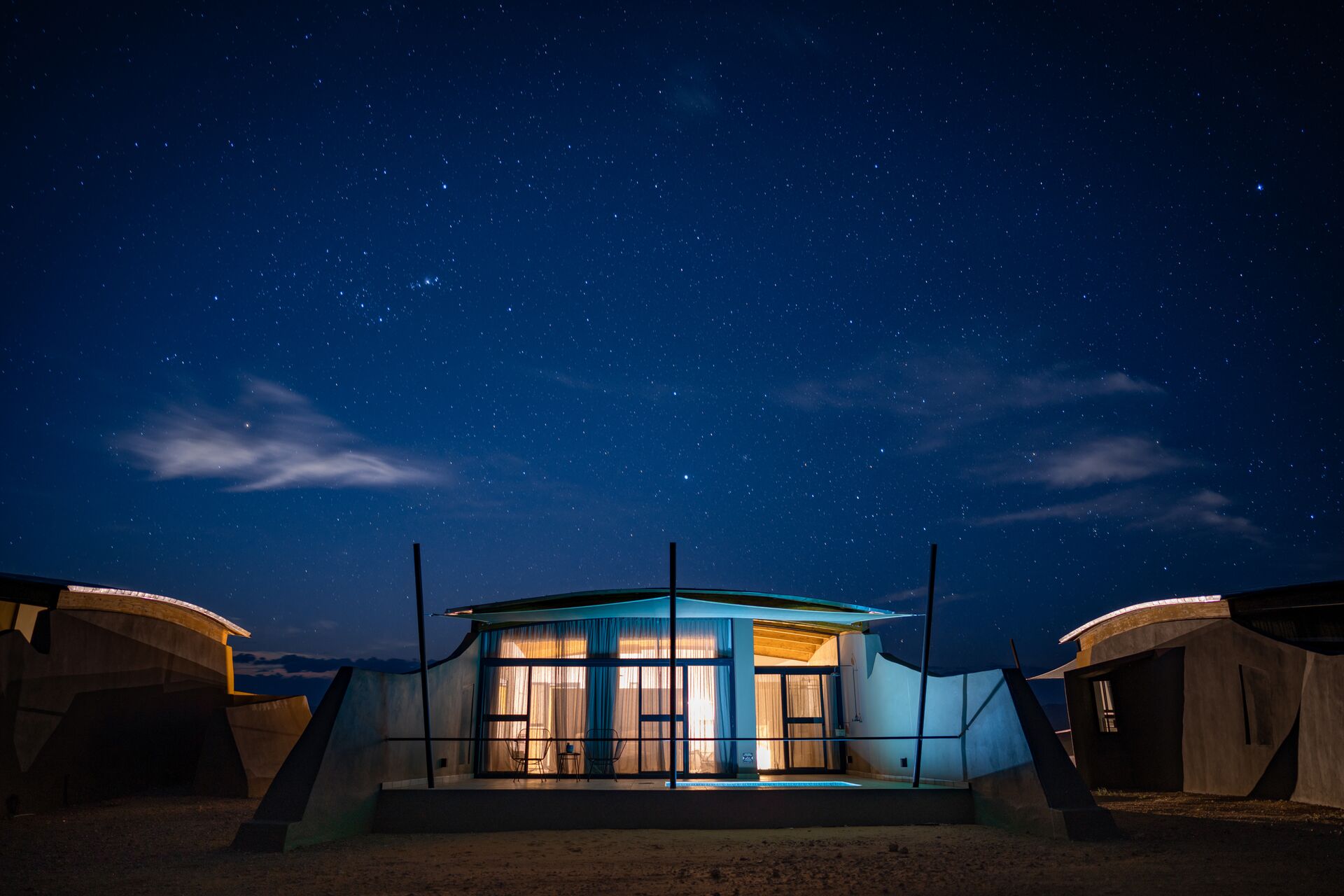
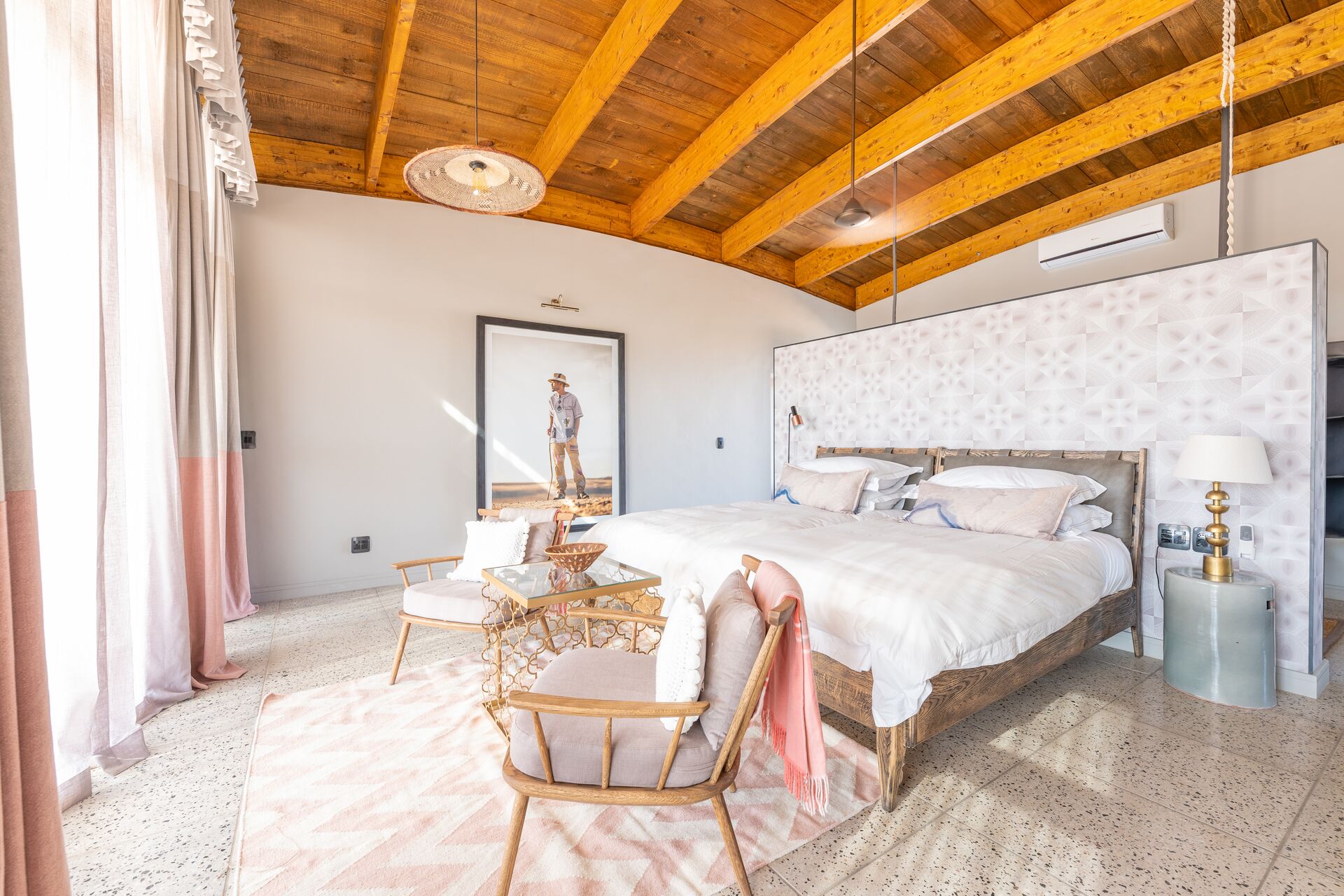
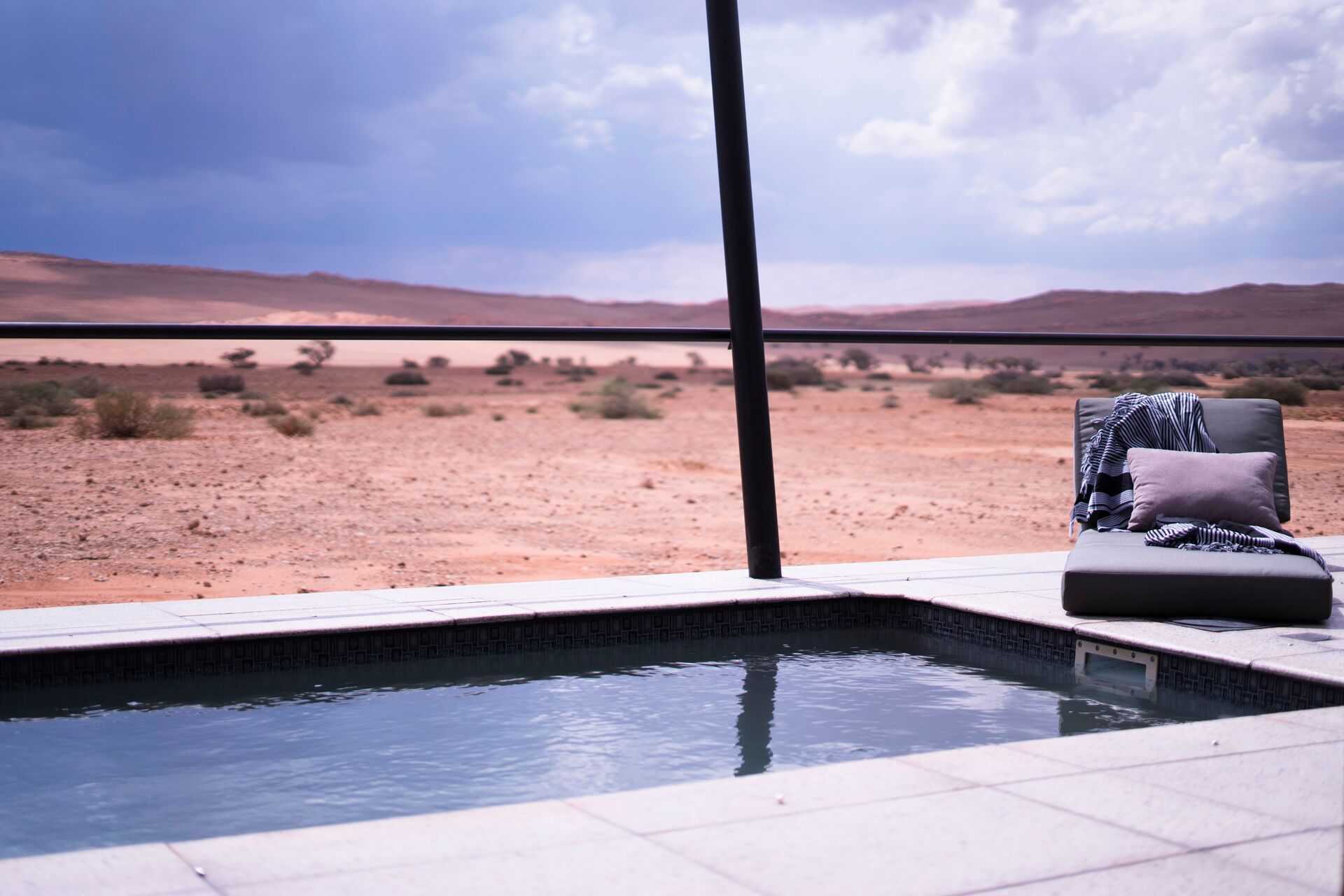
This morning, drive south to Sesriem – your gateway to the Sossusvlei Dunes, Deadvlei and Sesriem Canyon. Arrive at your Feature Stay accommodation for the next two nights – a collection of sustainably operated lodges constructed entirely of sandbags instead of bricks to keep them cool. Take in the magnificent views, maybe followed by a dip in your private plunge pool, take a trail walk to get a closer look at the Namib or spend the afternoon relaxing at the bar. Then, gather with your group for a special dinner under the desert sky After, settle in for an expert-led stargazing experience, learning about the constellations that map the dark expanse above.
Day 10: Sesriem
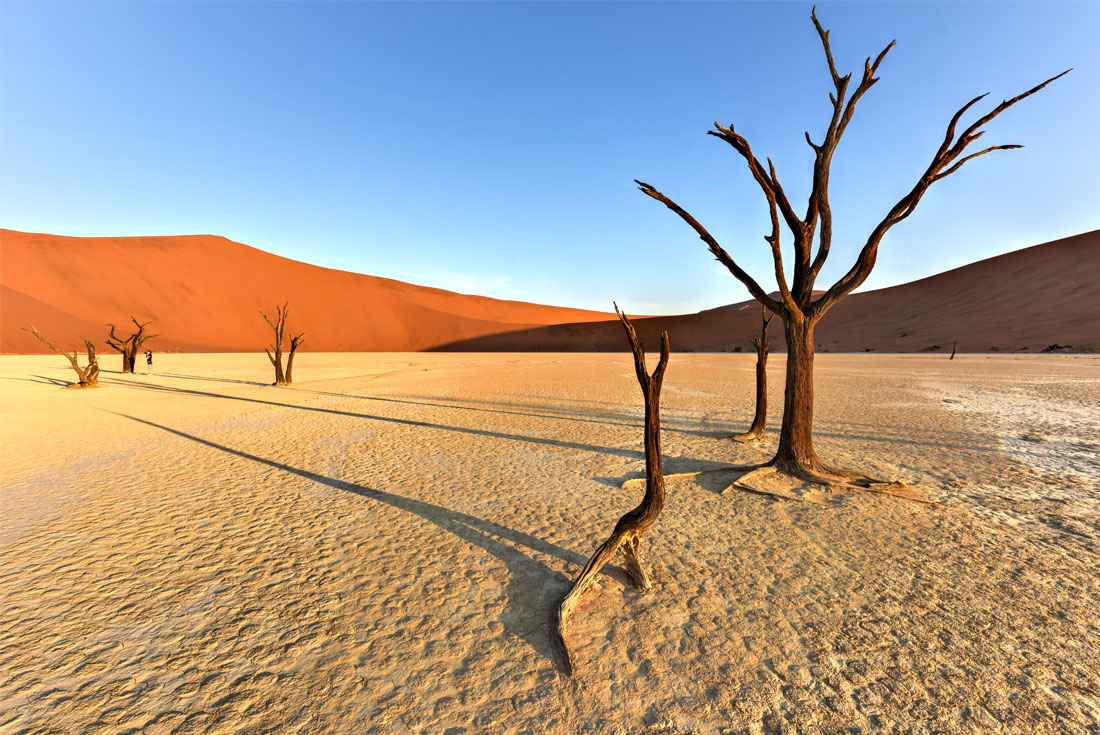
Make an early-morning visit to Sossusvlei, which lies at the end of an ancient riverbed. This is a great opportunity for unsurpassed views of the surrounding area. Climb to the top of Dune 45 for a rewarding and spectacular perspective of the surreal desert landscape. After breakfast, travel to Deadvlei – a clay pan that lends itself to many iconic images. When you see the skeleton trees against a vibrant orange backdrop of dunes, you’ll soon understand what all the fuss is about. The pan is surrounded by some of the highest dunes in the world – ‘Big Daddy’ or ‘Crazy Dune’ – averaging about 350 m (1148 ft) in height. This afternoon, visit Sesriem Gorge, a tranquil natural corridor that you can walk through and explore. Return to the lodge for the evening.
Day 11: Swakopmund
Continue your journey to the beachside town of Swakopmund. On the way, stop by the small settlement of Solitaire. Scattered with abandoned trucks, cars, petrol pumps and cacti, it’s the only place between Walvis Bay and Sossusvlei to feature a petrol station, post office, general store and bakery. Enjoy a piece of the local apple pie, which has earned itself quite a reputation. Next, make a stop for a desert walk with a local guide. They will teach you about the dunes, diverse flora and fauna, Bushmen heritage and the mysteries of water in the desert. Continue past Moon Valley, named for its eerie lunar-like appearance, and the Tropic of Capricorn. Walvis Bay is the hibernation area for thousands of migratory birds, most notably flamingos. If in season, you may take a quick detour to see these elegant birds in their natural habitat. When you get to Swakopmund, join your leader on an orientation walk to get a feel for the township.
Day 12: Swakopmund
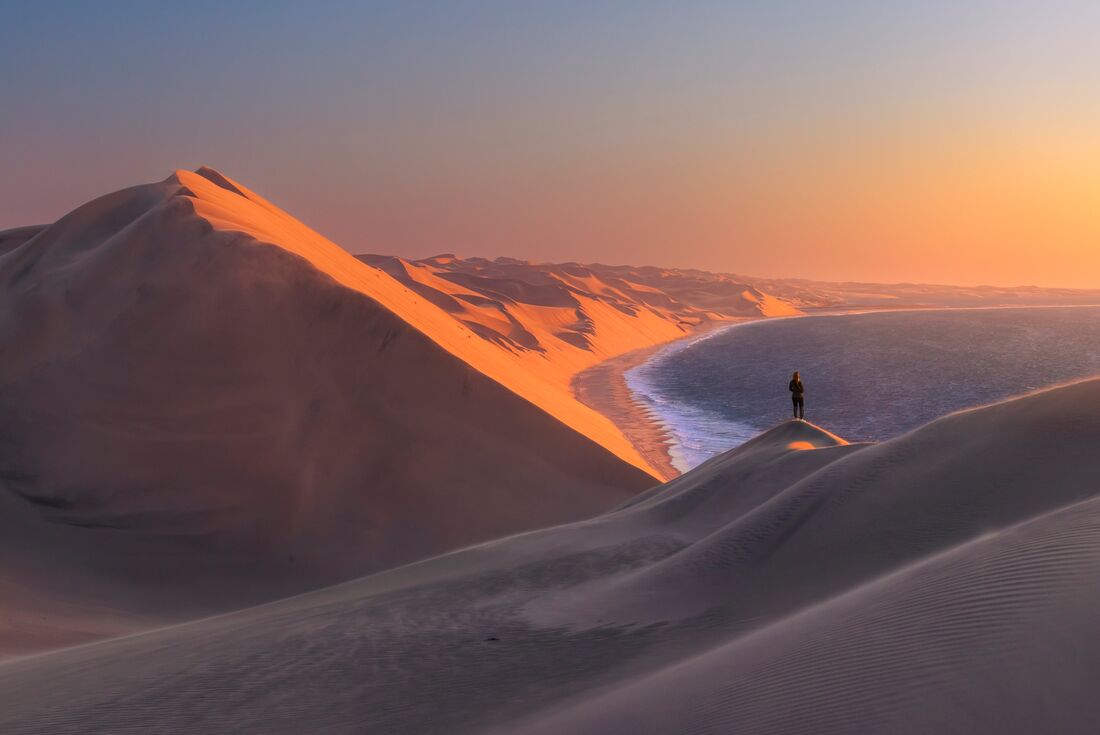
This morning, travel from Walvis Waterfront to Sandwich Harbour, where massive dunes meet the sea and your starting point for a 4WD adventure. In case you didn’t get a chance to yesterday, maybe stop by Walvis Bay Lagoon to see flamingos. Then continue to the Kuiseb Delta and through wetlands and dunes, looking out for desert-adapted wildlife. After filling your camera roll (and your belly with Namibian oysters and snacks along the way), you’ll head back to Swakopmund for the afternoon. Maybe take an easy walk from your accommodation into town, where you can head to the beach or visit an open-air market or visit the museum. You may wish to take an optional trip north to Cape Cross – a breeding site for Cape fur seals. There can be more than 100,000 seals there at any given time, making for quite the spectacle (and quite the smell, too, if the wind happens to change direction!).
Day 13: Damaraland
Today, you’ll leave the Atlantic Ocean coastline behind and drive towards the Namib Desert. Take in the beautiful, diverse and colourful landscapes that stream past along the way – mountains, sand dunes, ocean waves and shipwrecks. Continue to Damaraland – home to Namibia’s highest peak, ancient rock paintings and petrified forests, the harshly beautiful and sparsely populated Damaraland region is a land of extraordinary contrasts. Depending on the time of year, you might be lucky enough to see the desert elephants that roam the area. Your accommodation features a swimming pool fringed by beautiful chalets, each with a private garden. The evening is yours to relax and enjoy the amenities as the sun goes down.
Day 14: Damaraland
Spend the morning visiting the Twyfelfontein Heritage Site and the Petrified Forest with expert local guides who will provide insight on these wonders. Twyfelfontein has one of the largest concentrations of ancient rock engraving in southern Africa and offers fascinating insight into the past. The Petrified Forest looks back into nature’s history, where 280-million-year-old fossilised tree trunks lie. Continue to the Living Museum of the Damara, which aims to reconstruct and preserve the ‘lost culture’ of the Damara people. Your leader will tell you all about this fascinating traditional culture that is, along with the Bushmen, the oldest in Namibia. Return to the lodge in the afternoon, with the rest of the day free to relax by the pool with a book.
Day 15: Etosha National Park
Leave Damaraland behind today and head towards Etosha National Park. When you arrive, the afternoon will be free to relax at your lodge. Maybe cool off in the pool, read a book or enjoy a sundowner by the bar. This is one of the world’s premier game-viewing destinations. Spotting animals in the park is relatively easy due to the manmade waterholes and the large, sparsely vegetated pans. Namibia has protected its game reserves against poaching, so there are large herds of elephants, antelopes and other herbivores. This afternoon, once the heat of the day has settled, you’ll head out on a nature walk with an expert guide from the lodge. Your guide will tell you about the indigenous plants, birds and other wildlife as you walk through the Mopane Woods.
Day 16: Etosha National Park
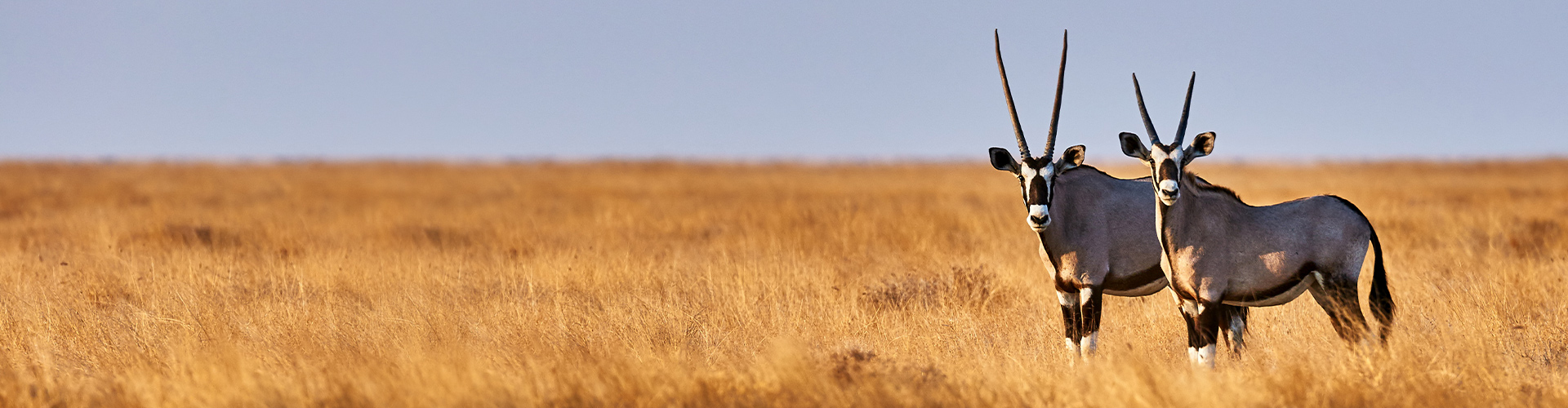
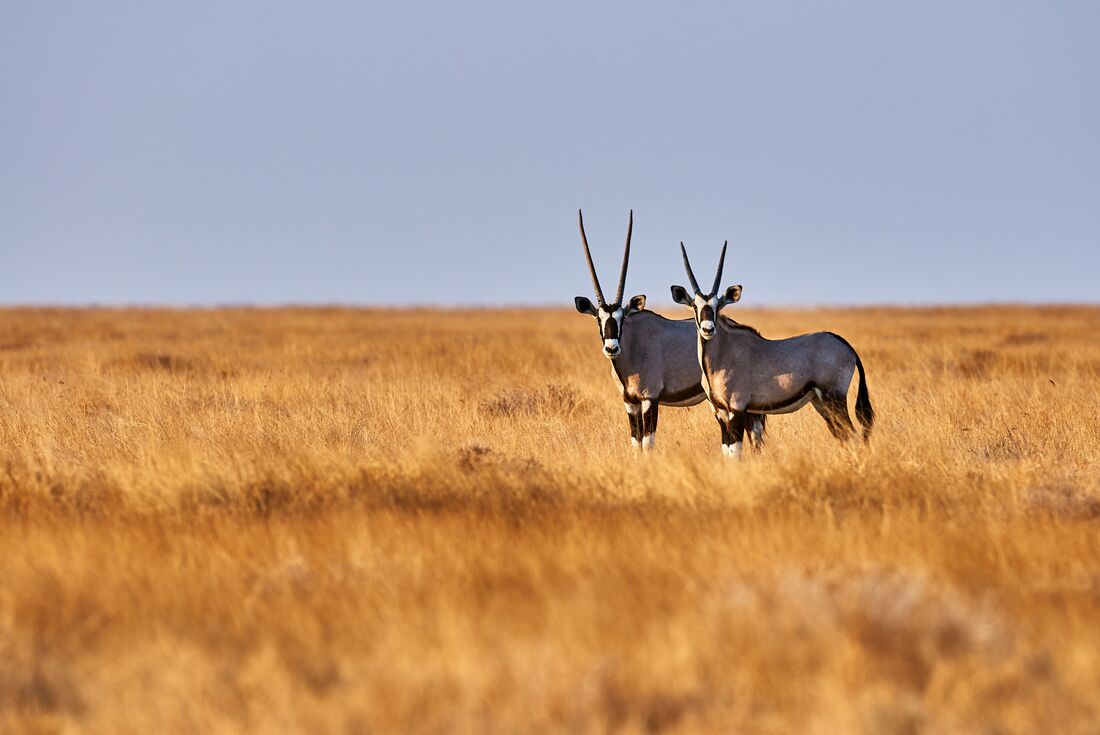
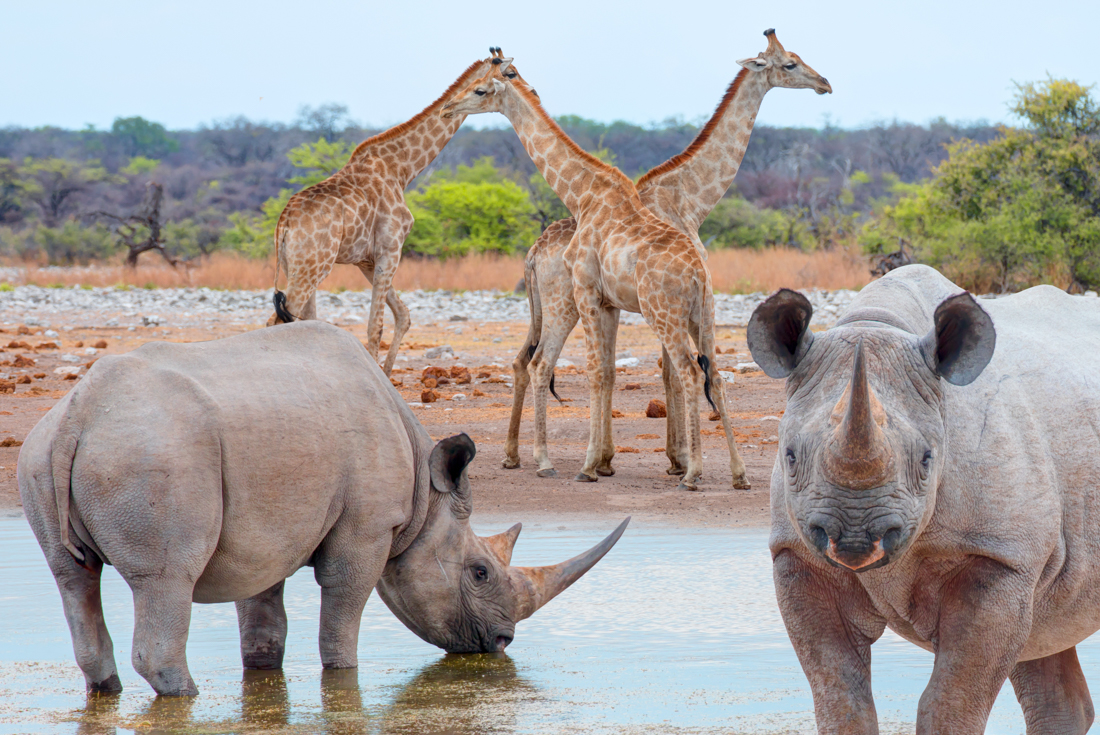
Rise early for a full day 4WD safari in Etosha National Park. If you keep a close eye on the landscape, you’ll hopefully see black rhinos, Hartmann’s mountain zebras, black-faced impala, roan antelope and the tiny Damara dik-diks. The park is also home to some 340 bird species. After, return to your lodge and reflect on the day’s adventures as you take in the views from the outdoor pool, viewing deck or spacious veranda overlooking the mopane woodlands.
Day 17: Windhoek
This morning after breakfast, you’ll make your way back to Windhoek, where your adventure comes to an end. You will be in Windhoek by early afternoon. Please book any flights today accordingly. If you’d like to extend your stay and need help booking extra accommodation, just reach out to your booking agent ahead of time.