Day 1: Hanoi
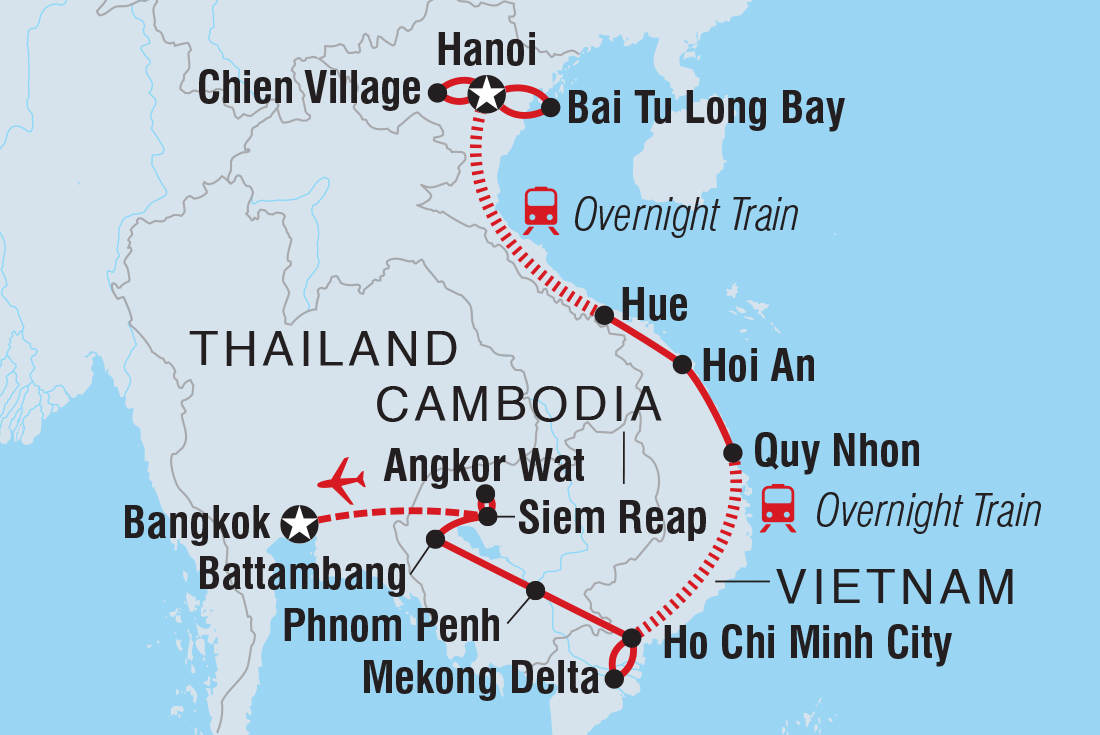
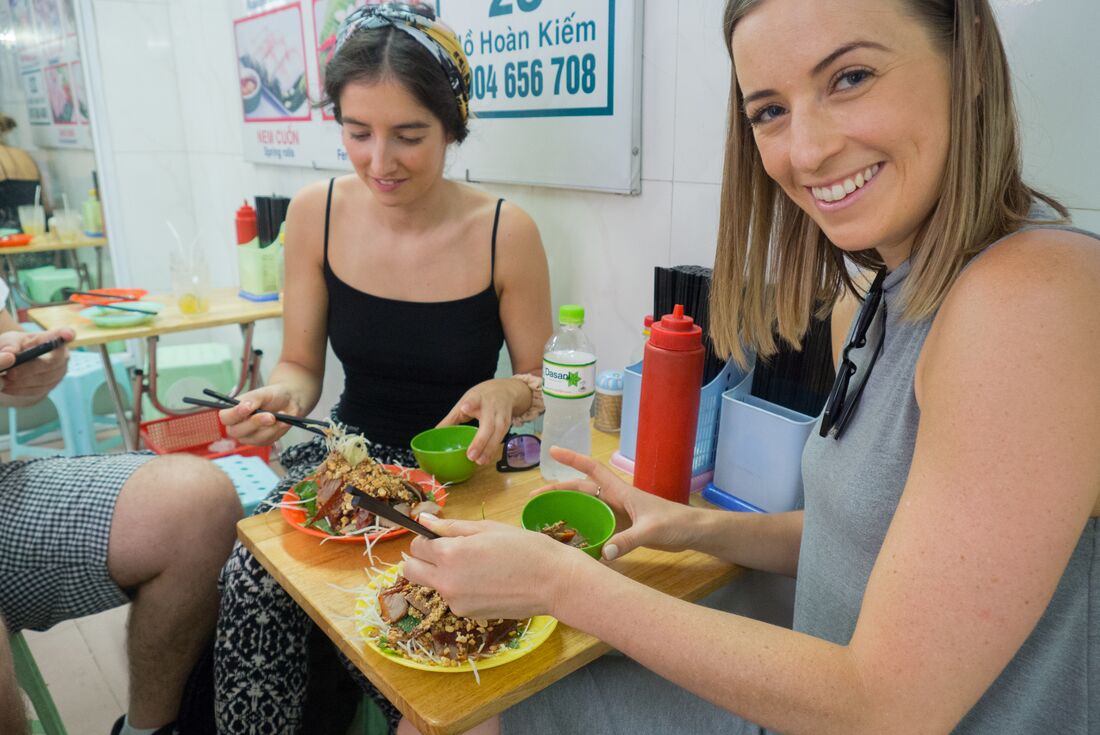
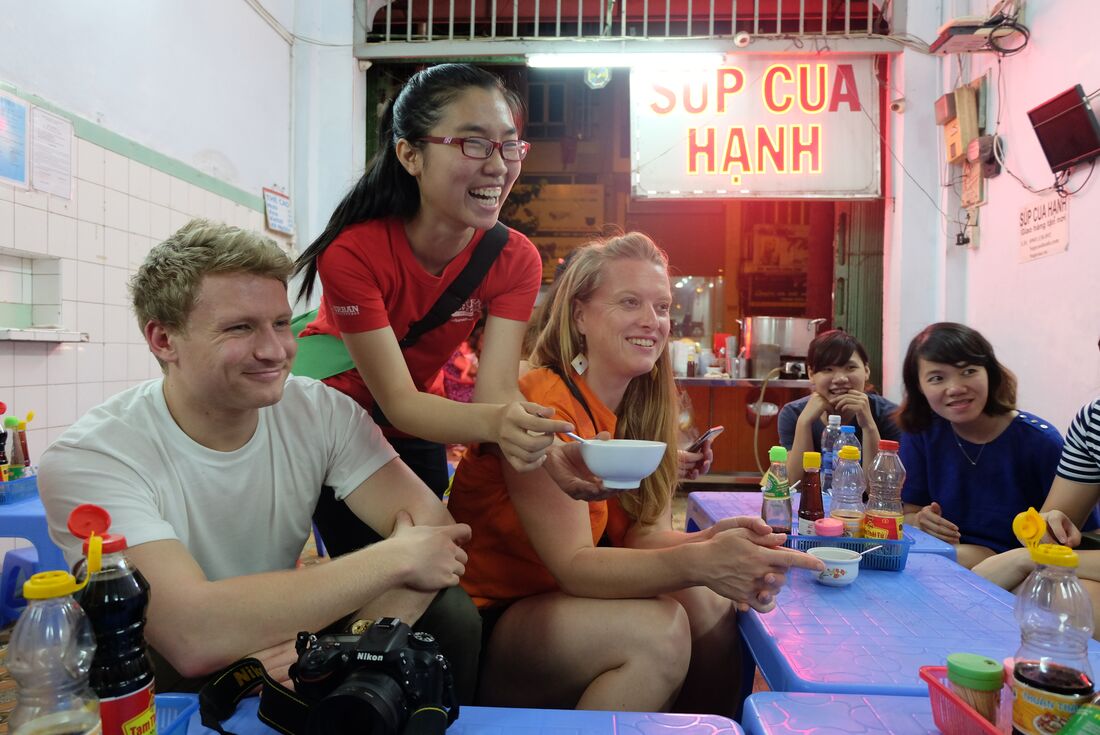
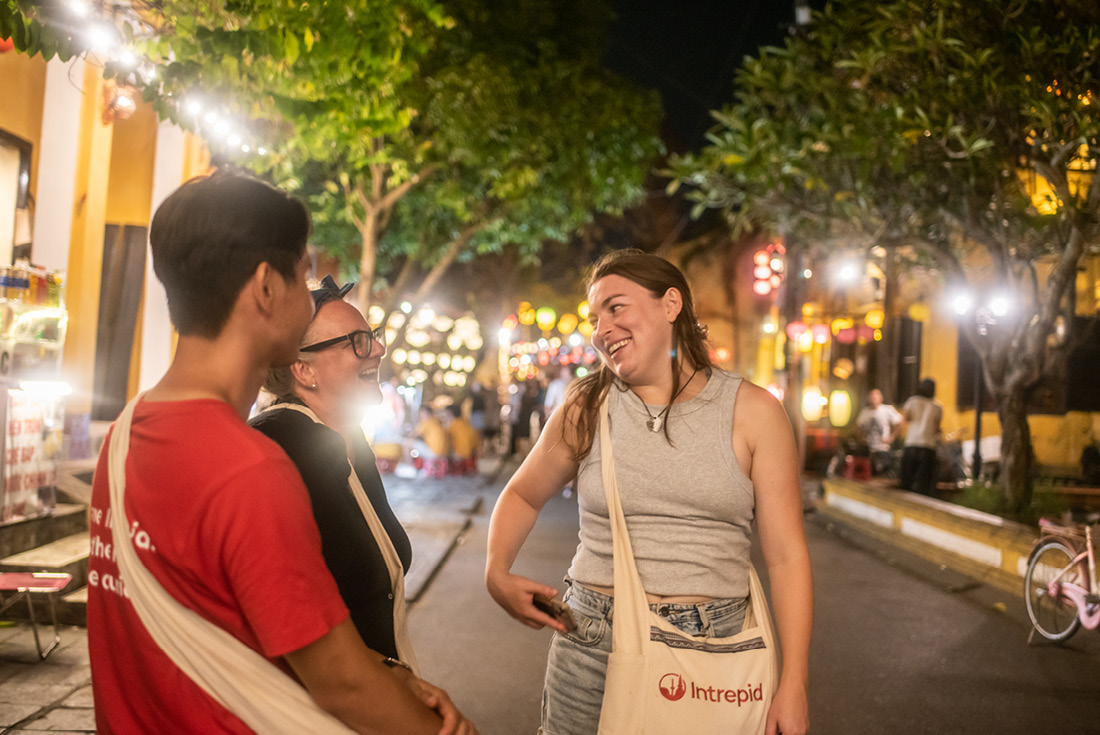
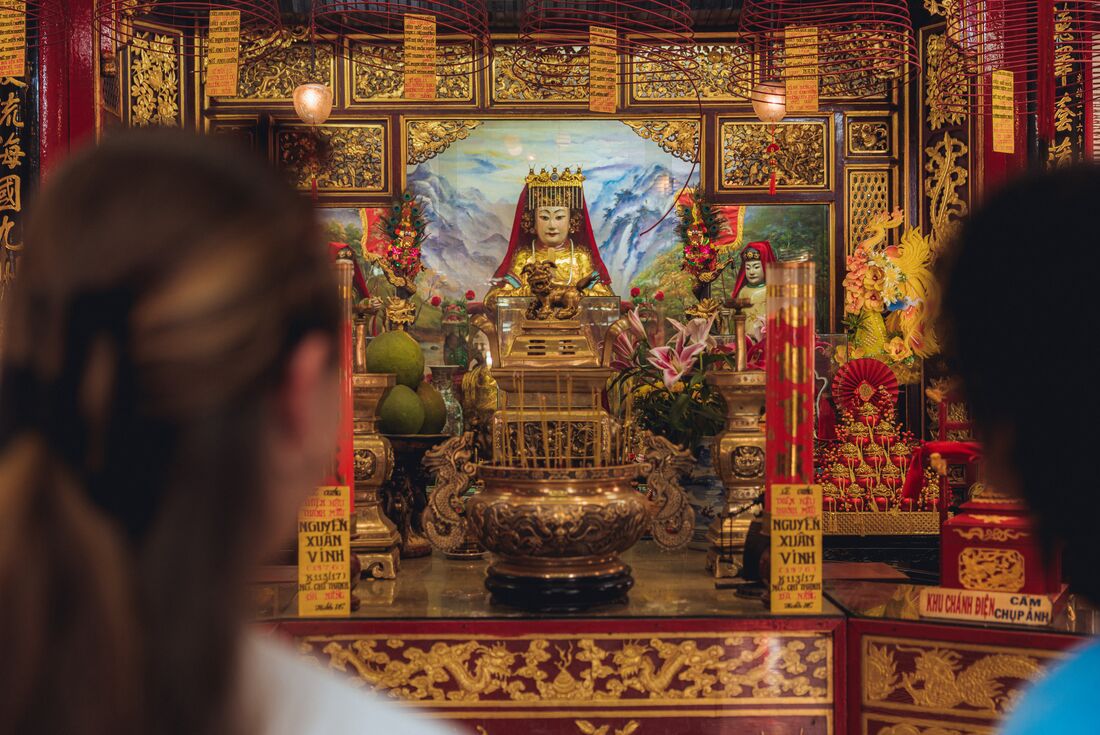
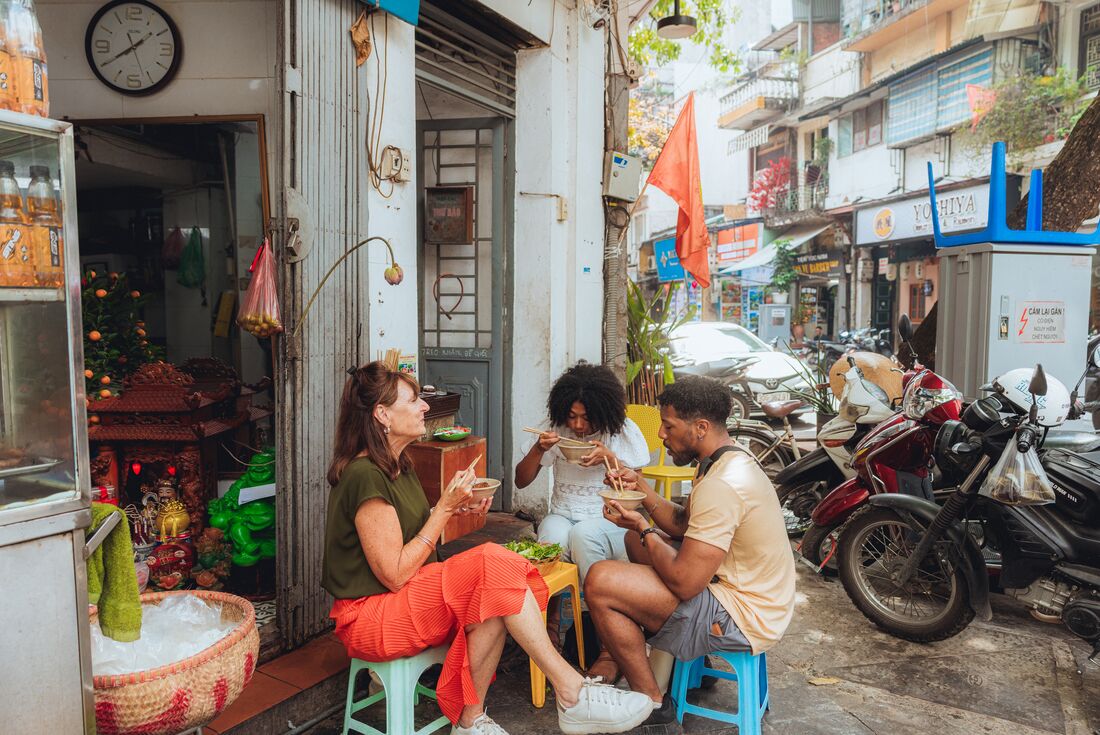
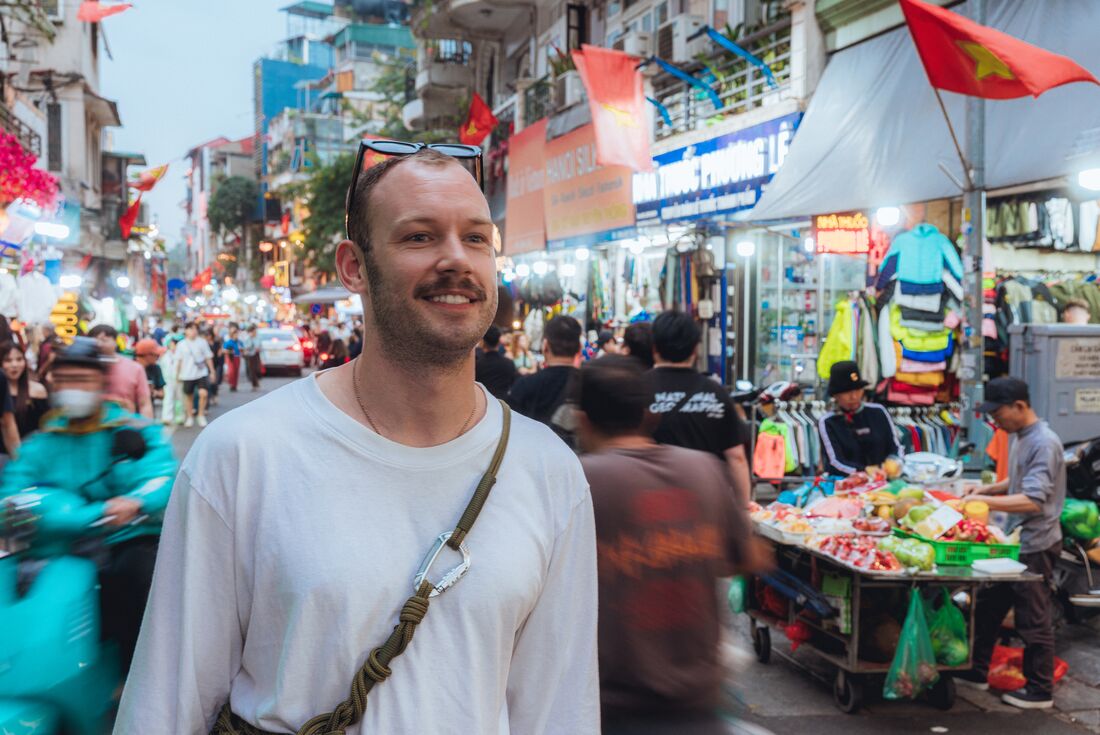
Xin chao! Welcome to Vietnam. Your adventure begins with a welcome meeting at 6 pm tonight, where you'll meet your local leader and fellow travellers. If you arrive early, why not step out onto the streets to explore the leafy capital of Vietnam – Hanoi is best discovered on foot. After the meeting, maybe get to know your fellow travellers over a glass of fresh bia hoi (a foamy, light beer made fresh every day and served in basic, open-walled ‘brew halls’).
Day 2: Bai Tu Long Bay
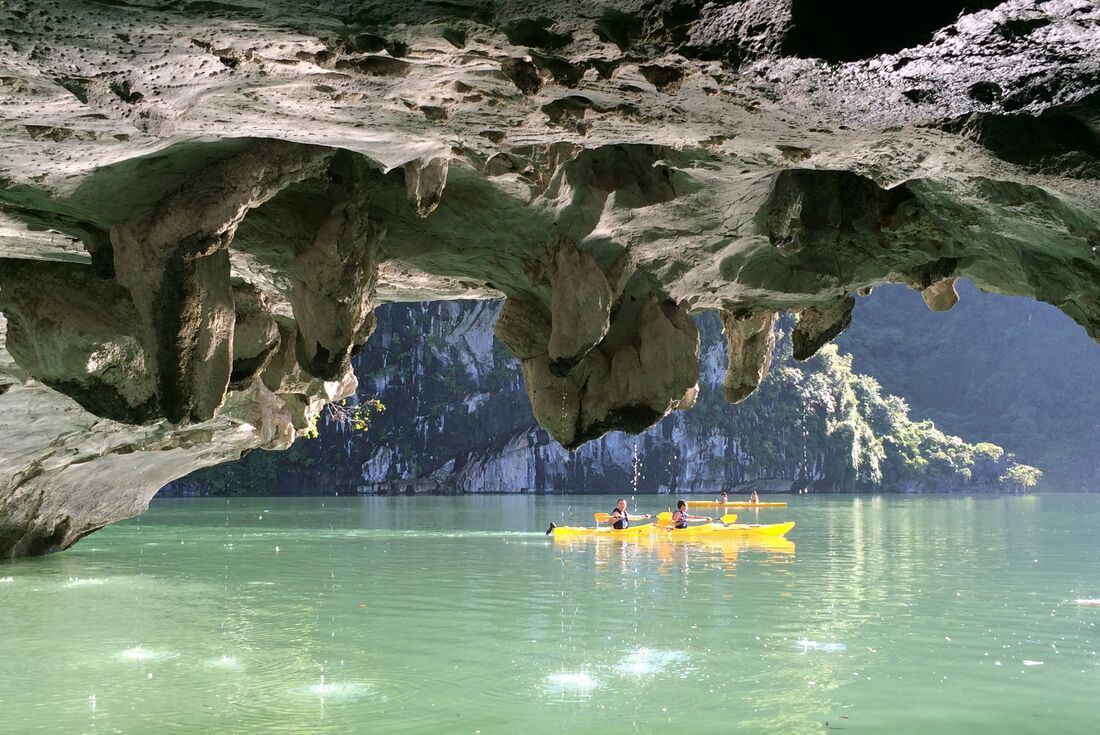
Start your day with a visit to the Blue Dragon Children’s Foundation – a community project dedicated to rescuing children and adults from trafficking. Then, take a private transfer to Bai Tu Long Bay – this bay is part of the same UNESCO World Heritage site as Ha Long Bay and is just as scenic, but with far fewer crowds. Spend the day on a traditional boat, cruising past the towering limestone karsts scattered throughout the peaceful waters. Make a stop at Ban Sen Island to take in the scenery of the forested hills and get a look at what life is like in the local fishing communities. You’ll visit a tea farm to learn the centuries-old history behind tra van (‘cloud tea’) and the efforts being made to preserve this tea-growing tradition. Watch the careful process following traditional methods and taste a freshly brewed cup. Have a seafood lunch back on board the boat, then you can opt to get closer to the limestone karsts with some kayaking. You’ll also head to a secluded beach on Soi Cham islet to go for a swim or relax on the sand – the perfect opportunity to soak up the tranquil surroundings. Head to your mountain lodge in Van Don for the evening, where you’ll settle in for a tranquil night surrounded by the forest.
Day 3: Hanoi
Head back to Hanoi this morning. When you arrive, join your leader for a city tour to uncover Hanoi’s layered history and see how French, Chinese and Vietnamese influences come together in the city’s distinctive architecture. Stop at the Temple of Literature, the One Pillar Pagoda and the country’s most famous stilt house – the former residence of Ho Chi Minh. In the evening, you’ll watch a performance of a traditional Vietnamese water puppet show.
Day 4: Chien Village
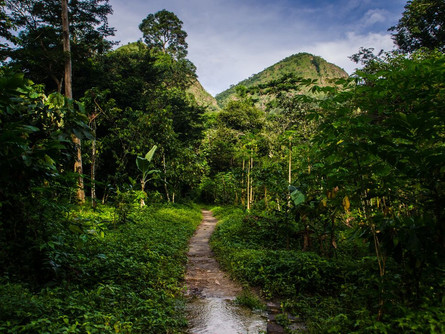
Leave Hanoi after breakfast this morning and drive to Chien Village for tonight’s homestay. This area has long been the settlement of the Muong people, with around 70 families living here. The village is famous for its ancient tangerine orchards, as well as for producing honey and other citrus fruits. You'll enjoy hearty home-cooked meals during your stay here. After lunch, head out on a hike through the Vietnamese highlands, taking in the mountain views, visiting local villages and meeting people from the Muong ethnic group along the way. Enjoy a peaceful evening back in the village.
Day 5: Hanoi / Overnight Train
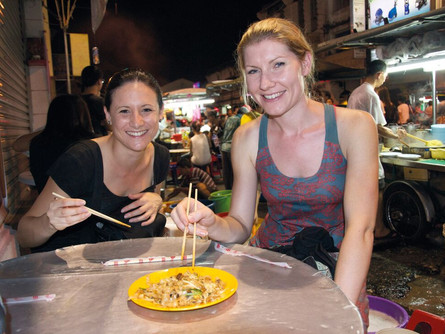
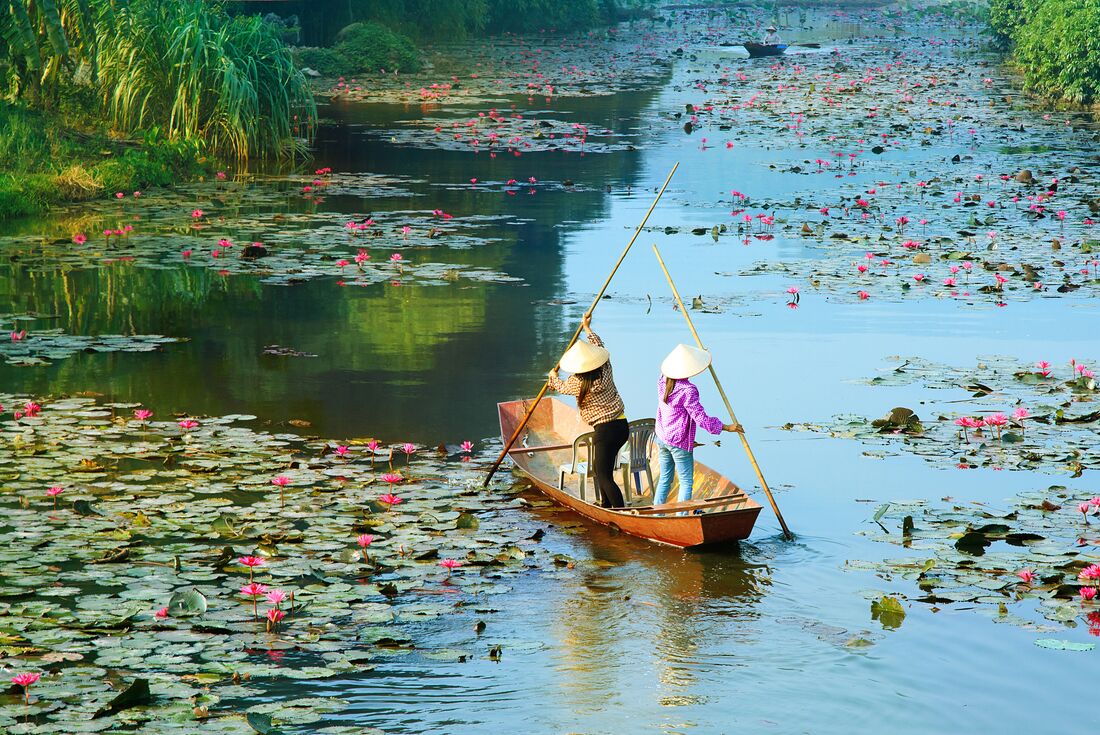
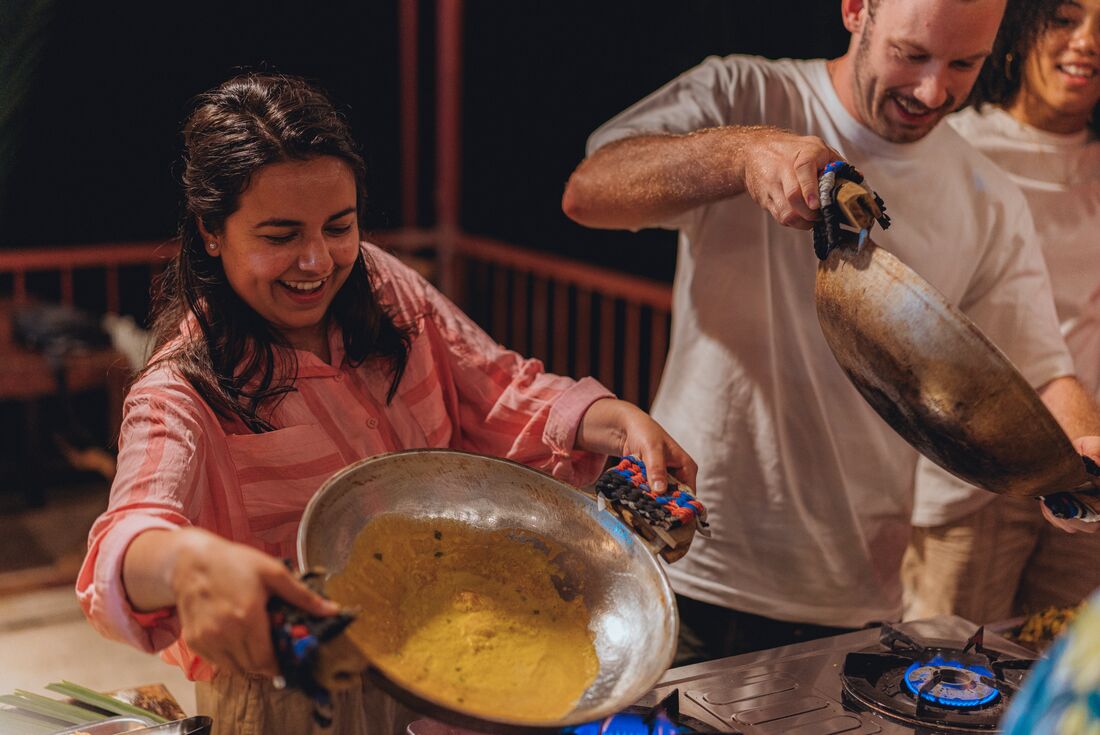
This morning, continue exploring this peaceful hamlet. Join the local farmers in their fields and help them with planting, weeding or nurturing crops like rice, corn or fruit trees. Then, visit an organic farm to pick fresh vegetables that you'll use for cooking later. Learn about wild fruits and maybe taste some for yourself, then join the locals to prepare your lunch together. Learn about the local tradition of bamboo cooking, known as lam ong nua, and try it out for yourself. You'll also try some freshly brewed tea made using bamboo tubes. After lunch, drive back to Hanoi. Shared hotel rooms will be available if you want to freshen up or organise your luggage before the overnight train. Otherwise, why not use this time to do some shopping on Hang Gai Street or seek out some delicious street food. Meet back at the hotel lobby at 9 pm, then transfer with your group to the train station.
Day 6: Hue
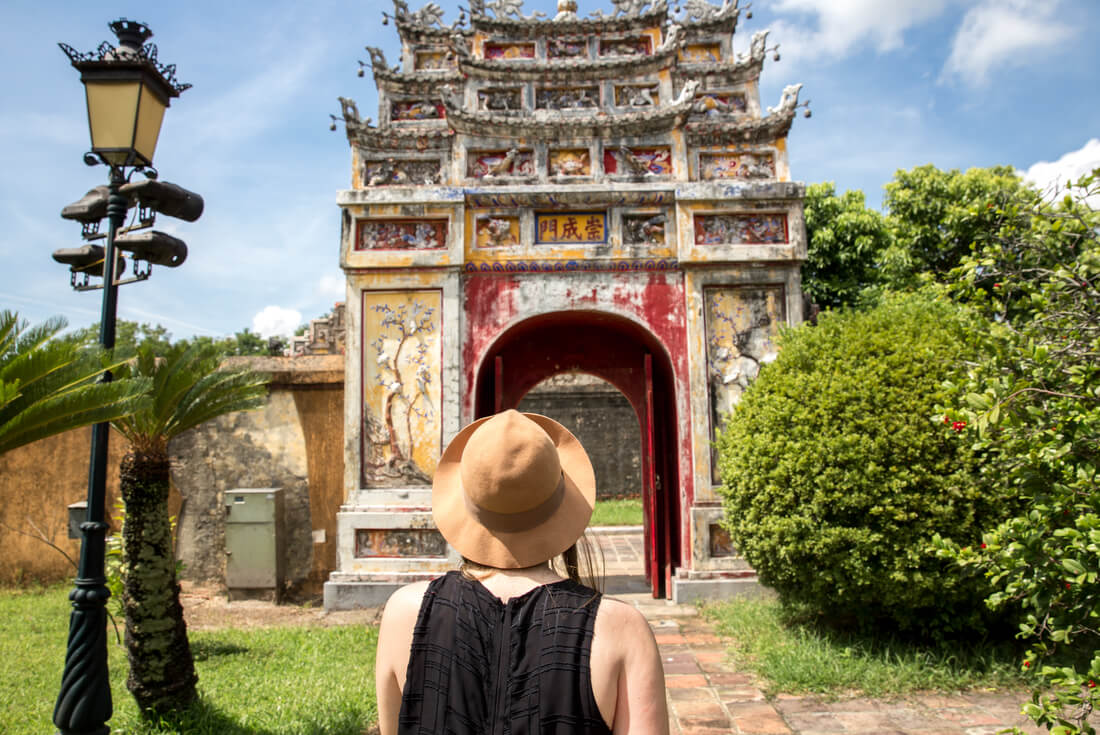
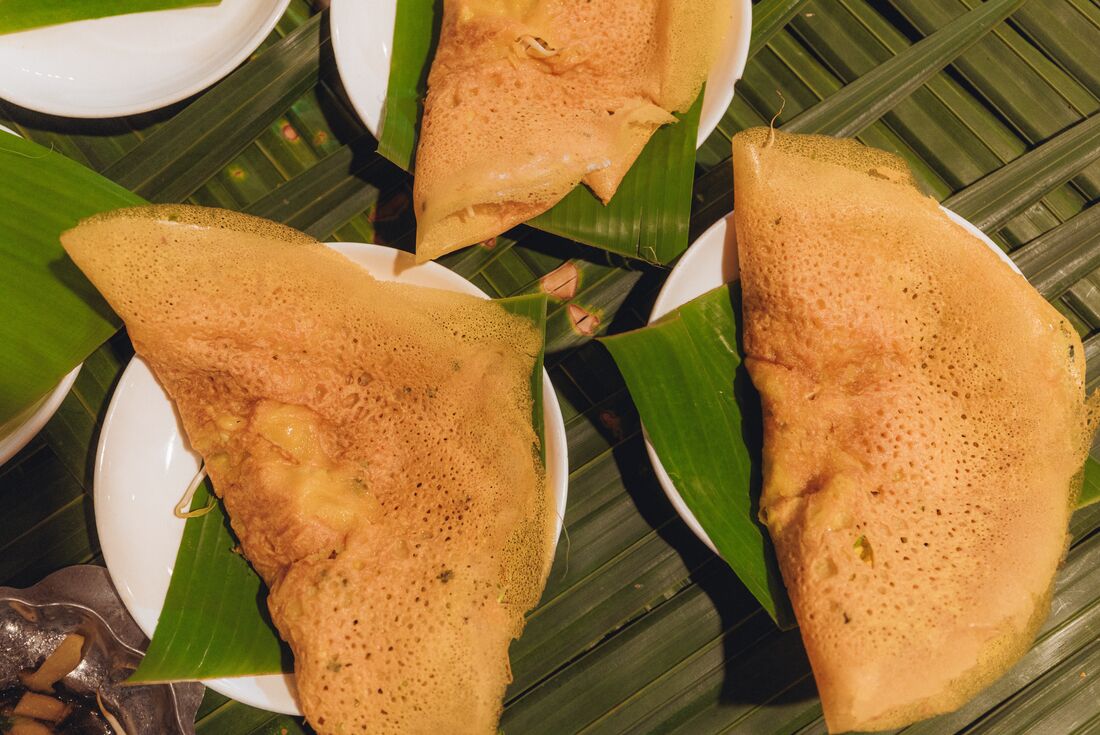
Arrive in Hue this morning – the hub of Vietnam’s historic past. This former imperial capital is an eclectic mix of busy streets and peaceful natural beauty. The rest of the morning is free for you to relax or explore at your own pace. Maybe pick up a classic Hue breakfast of bun bo (a popular soup with vermicelli noodles and beef). After lunch, visit the Imperial Citadel – a sprawling complex of temples, pavilions, moats, gates and walls. See the Ngo Mon Gate, Thai Hoa Palace and the ancestral altars from the 19th century. In your free time, you might like to visit Dong Ba Market, which offers locally made goods, fresh produce and street food. This is a good place to try local delicacies that would have been enjoyed by Emperor Nguyen, such as banh khoai (royal rice cake).
Day 7: Hue
Set off for a day of adventures on the back of a motorbike! You’ll have your own driver who will take you first on a drive around the Imperial Citadel, including the Forbidden Purple City. The latter was almost completely destroyed during the Tet Offensive in the Vietnam War, but its humble, foliage-covered ruins remain a testament to its proud history. Here, you'll gain some insight into the horrific damage endured during the war. Next, ride to a special lunch spot at a convent or Buddhist monastery for a vegetarian feast. After lunch, drive to one of the royal tombs, and take in the peaceful atmosphere. This evening, maybe ask your leader for the best place to try imperial street food specialties.
Day 8: Hoi An
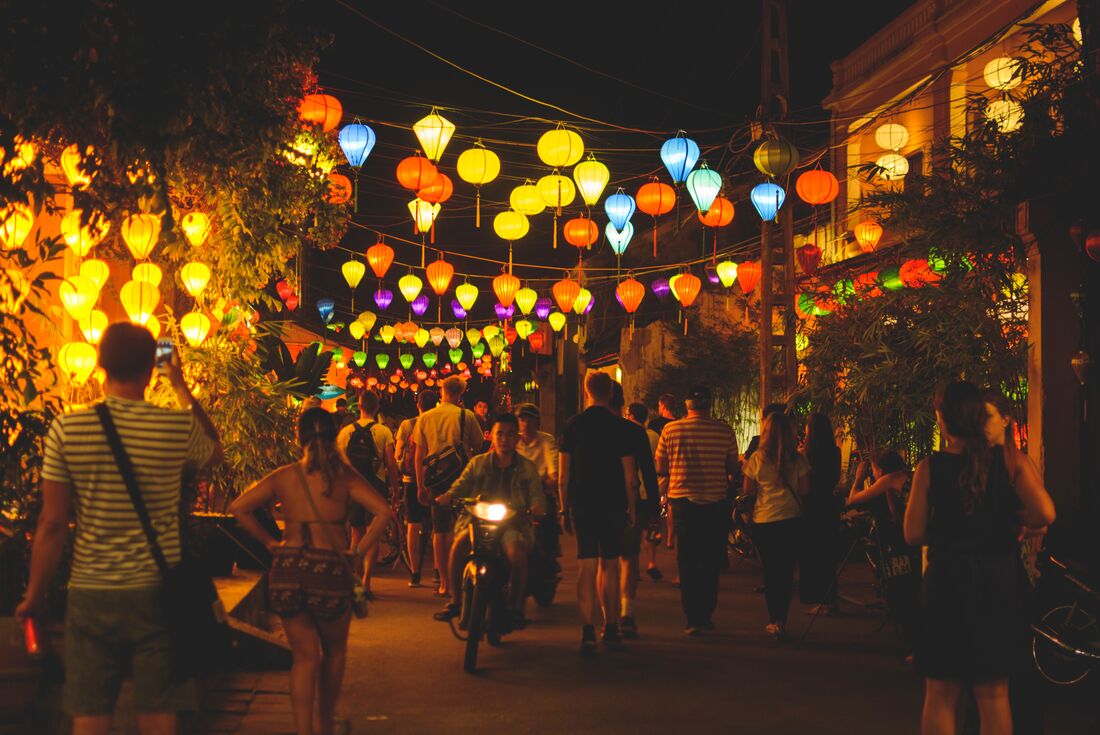
Travelling by bus, head south through coastal rice paddies before stopping at Lang Co Beach. Traverse the dramatic Hai Van Pass along the way – a sometimes bumpy but incredibly scenic stretch of highway with views back to Lang Co Beach and beyond. The spectacular Marble Mountains will be your backdrop as you arrive in Hoi An. Declared a UNESCO World Heritage site, Hoi An is being beautifully restored and preserved. Known as Faifo to early Western traders, it was one of South East Asia's major international ports from the 17th to the 19th centuries. Today, parts of Hoi An look exactly as they did more than a century ago, and it retains the feel of times past. When you arrive, take a walking tour around the major sites of the Old Town, including a historic house (formerly home to a prominent trader), the Japanese Covered Bridge, the Chinese Assembly Hall and Sa Huynh Cultural Museum.
Day 9: Hoi An
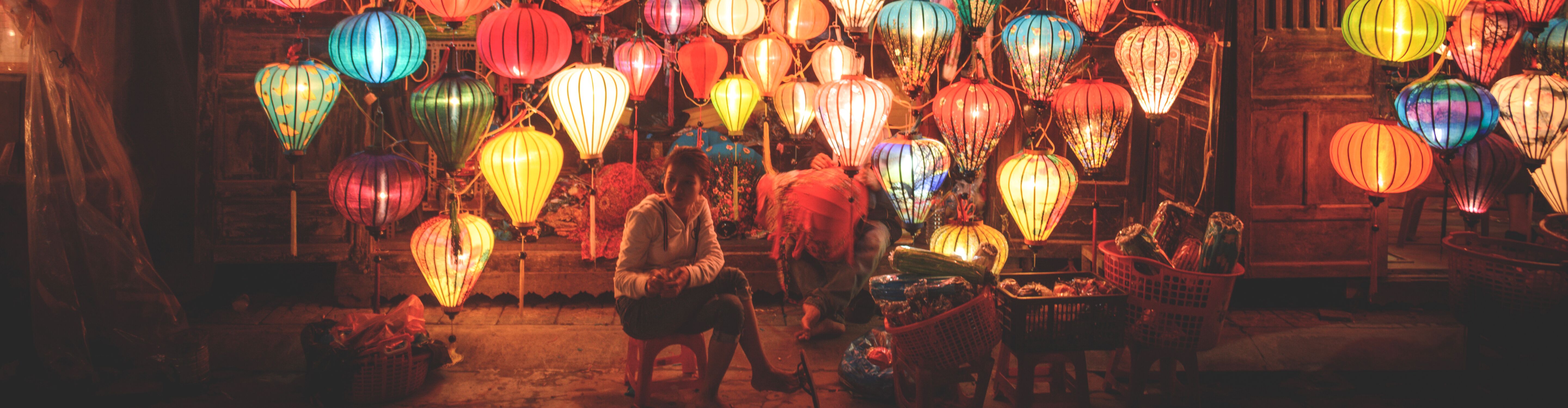
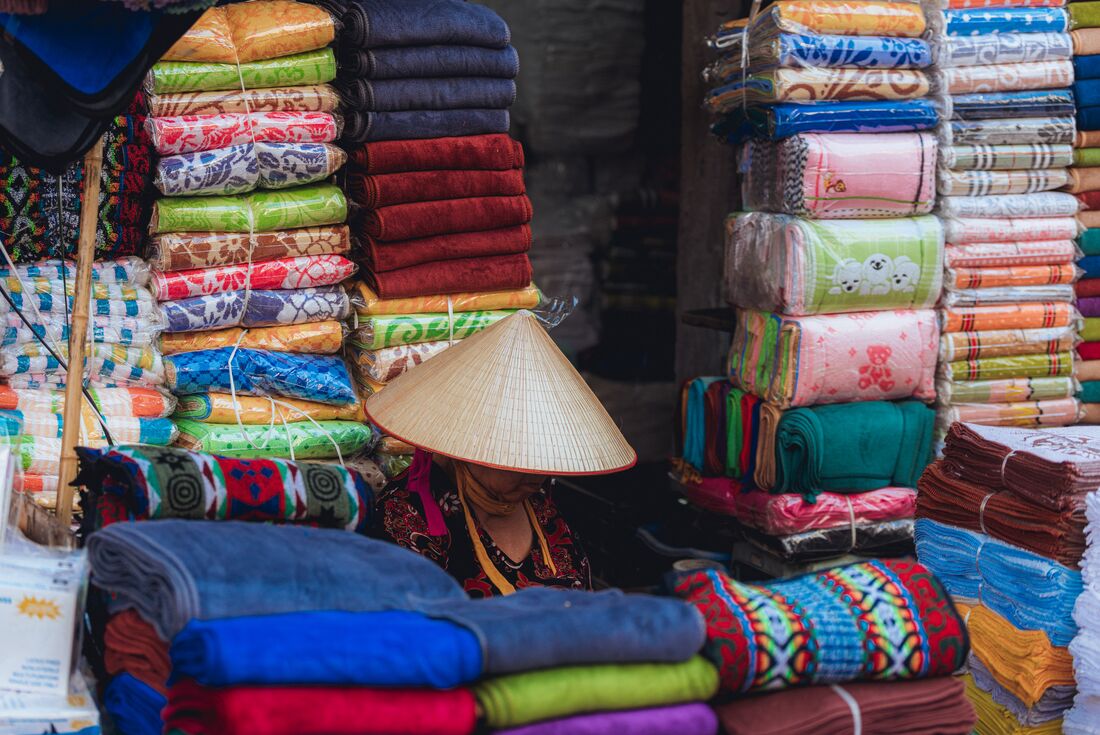
If you feel like getting active on your free day today, why not hire a bicycle and explore the surrounding countryside – this is one of the best ways to get an insight into rural Vietnam. Maybe take a day trip to My Son Sanctuary (a UNESCO World Heritage-listed temple complex that reflects the rich cultural traditions of the Cham civilisation), or cruise along the Thu Bon River. You may like to wander the Central Market and the street stalls selling paintings, woodwork, ceramics and lanterns. Hoi An is also famous for its talented tailors, who can make items to order within a few hours. Bring your favourite piece of clothing or even just a picture, and you'll be able to have it copied!
Day 10: Quy Nhon
Today, enjoy a scenic drive through central Vietnam to the seaside city of Quy Nhon. On the way, visit Bich Hoa Tam Thanh village, famous for its murals that depict rural Vietnamese life, then continue to the ancient citadel of Do Ban – the last capital of the Champa kingdom where the Cham kings lived between the 11th and the 15th centuries. Arrive at Quy Nhon in the mid-afternoon and head out on an orientation walk with your leader. Then, the rest of the afternoon is free for you to explore on your own or rest and recharge. This is your perfect chance to relax and put your feet up by the sea.
Day 11: Quy Nhon / Overnight Train
Enjoy a free day in Quy Nhon today until your overnight train. Maybe take a refreshing swim or a snorkelling trip or simply relax on the white sand beach – the day is yours. Don't forget to stock up for your overnight train to Ho Chi Minh City this evening.
Day 12: Ho Chi Minh City
Arrive in Ho Chi Minh City early this morning and make use of the shared hotel rooms to freshen up before your day tour. Formerly known as Saigon, Ho Chi Minh City is characterised by a fascinating blend of old and new, east and west. The huge number of people rushing about their daily lives in Vietnam's largest city gives it a dynamic atmosphere, and the French influence is evident in the excellent baguettes and coffee on offer. Take a guided tour with your leader to get a feel for the city, going past the GPO, Reunification Palace and the Opera House. Stop in at the War Remnants Museum and the Notre Dame Cathedral. You have a free evening, so maybe drop by Ben Thanh Market. This is the perfect place to pick up some snacks, cooking utensils or gifts.
Day 13: Mekong Delta
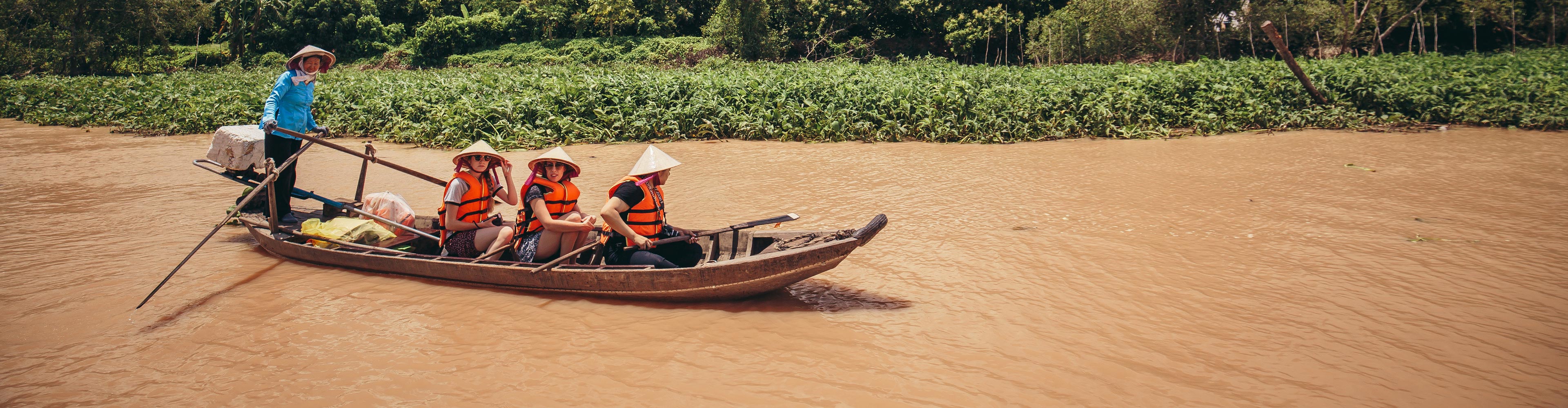
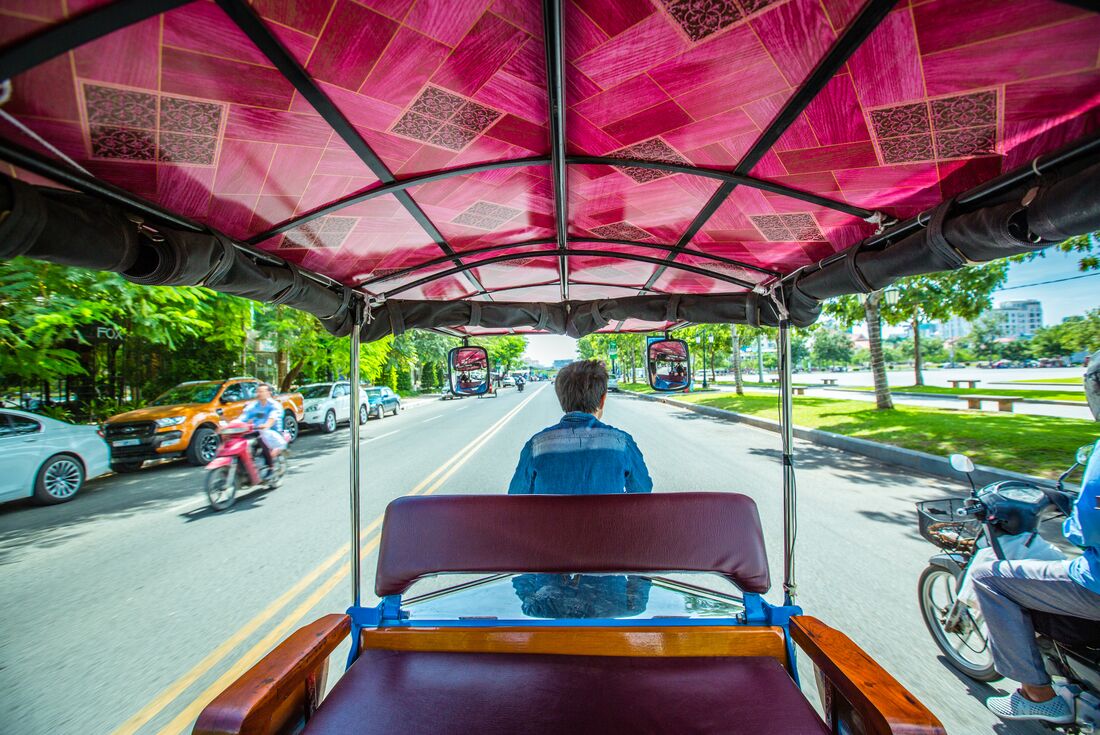
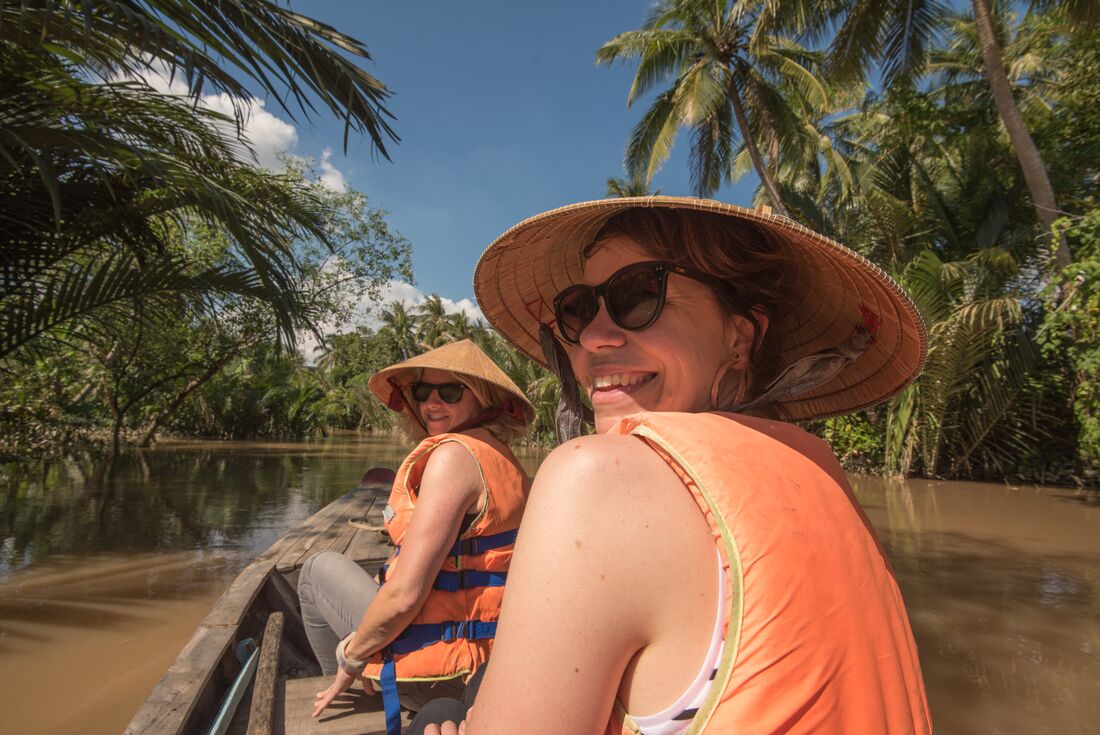
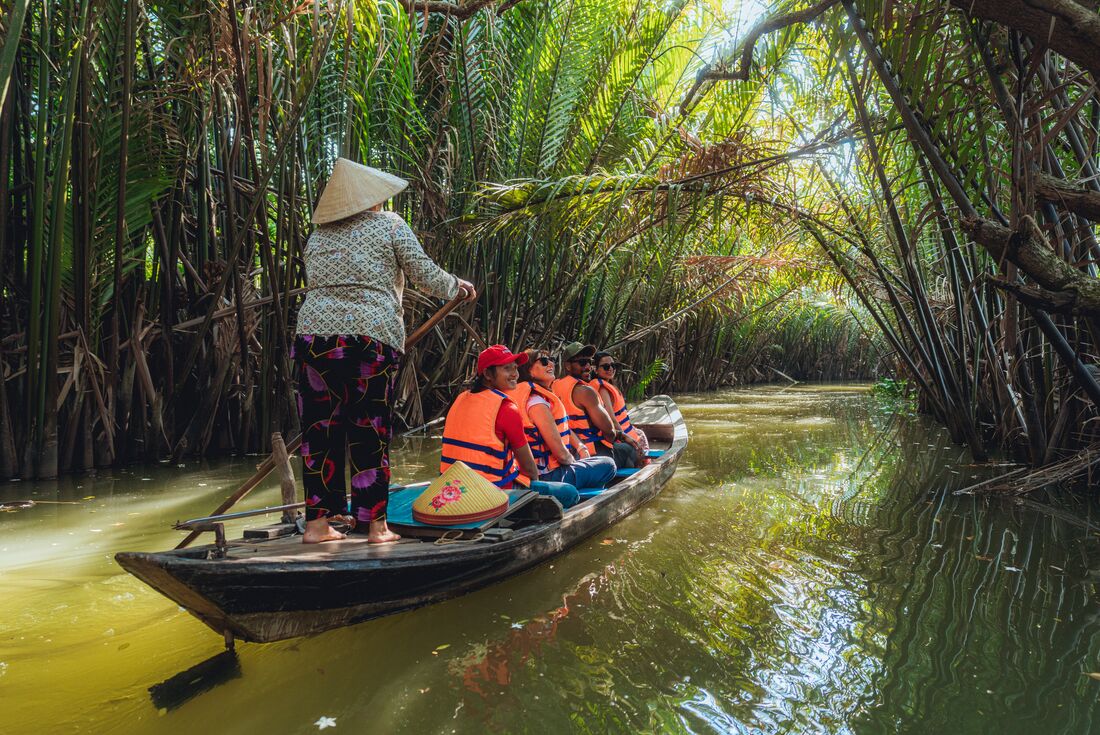
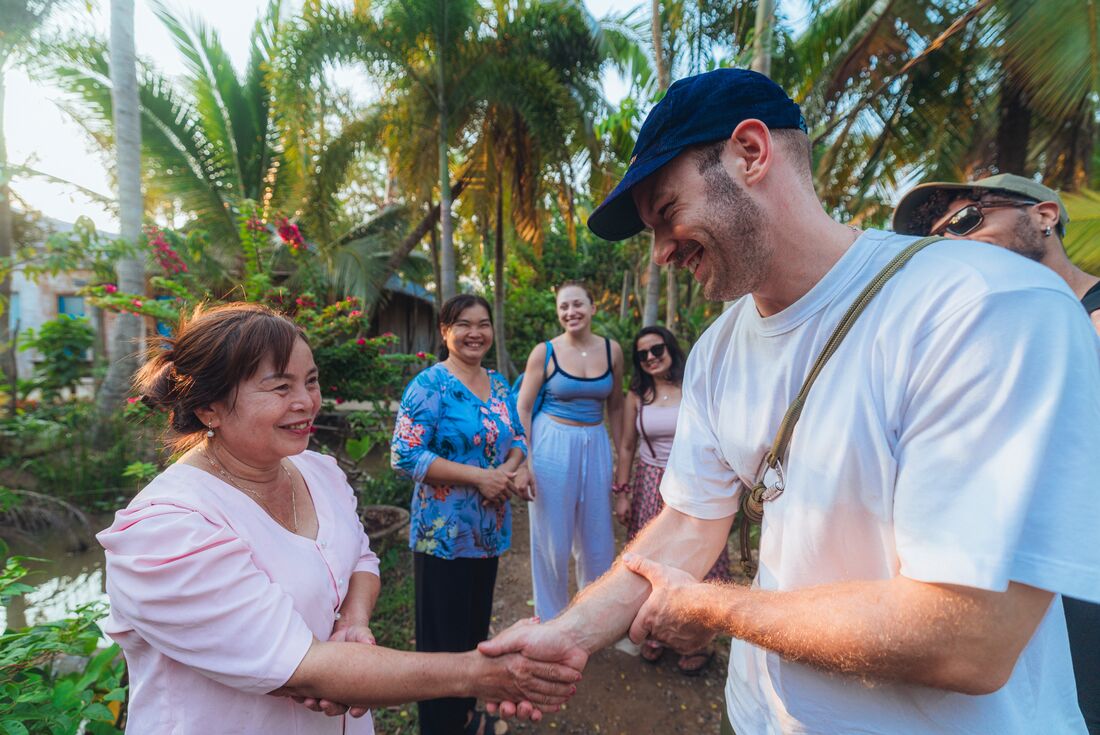
Today, you'll travel south to explore the Mekong Delta. When you arrive, board a boat and explore the intricate waterways. Often referred to as the ‘rice bowl of Vietnam’, the fertile delta is where rice, tropical fruit and flowers are grown for the whole country. Disembark at Ben Tre and visit a local cottage industry to sample the candy that the region is famous for. You’ll have the opportunity to take a tuk-tuk around this remote village and stop to sample tropical fruit, see a honey farm and learn more about rural life. For lunch, go to a restaurant in the heart of the delta and try regional specialities such as the famous elephant ear fish. After lunch, board sampans (small rowing boats) and paddle along the canals under the shade of lush coconut trees. Stay overnight at a guesthouse on the river and swap stories with your hosts.
Day 14: Ho Chi Minh City
This morning, say goodbye to the Mekong Delta and take the bus back to Ho Chi Minh City. Enjoy a free afternoon to see any sights (or sample any delights) that you didn’t get a chance to previously. Maybe spend the final night of your Vietnam adventure with a bowl of pho, celebrating with your new friends and toasting to a trip well-travelled.
Day 15: Ho Chi Minh City
Enjoy a free day in Ho Chi Minh to get out and discover the city at your own pace. Alternatively, why not get an up-close-and-personal history lesson on guerrilla warfare during an Intrepid Day Trip to the Cu Chi Tunnels. This underground network in the middle of the jungle was used by the Viet Cong during the war. Take the chance to climb into the tunnels and imagine what it would’ve been like to eat, sleep, work, cook and even go to school underground as conflict raged above. Return to Ho Chi Minh this evening, where you’ll have a second meeting at 6 pm to welcome any new travellers joining you on the next stage of your adventure. Afterwards, perhaps get to know your new travel buddies over an optional group dinner.
Day 16: Phnom Penh
Travel by public bus across the border, through rural Vietnam and Cambodia to Phnom Penh. Cambodia's capital city is set on a major junction of the Mekong and Tonle Sap rivers and boasts some fine examples of French-inspired architecture. If you're looking for a tasty beverage when you arrive, maybe head for a mojito on the rooftop. Or if you're in the mood for shopping, maybe stop in at the art-deco Psar Thmei (Central Market) or travel out to Psar Tuol Tom Pong (the Russian Market) for the best range of local souvenirs.
Day 17: Phnom Penh
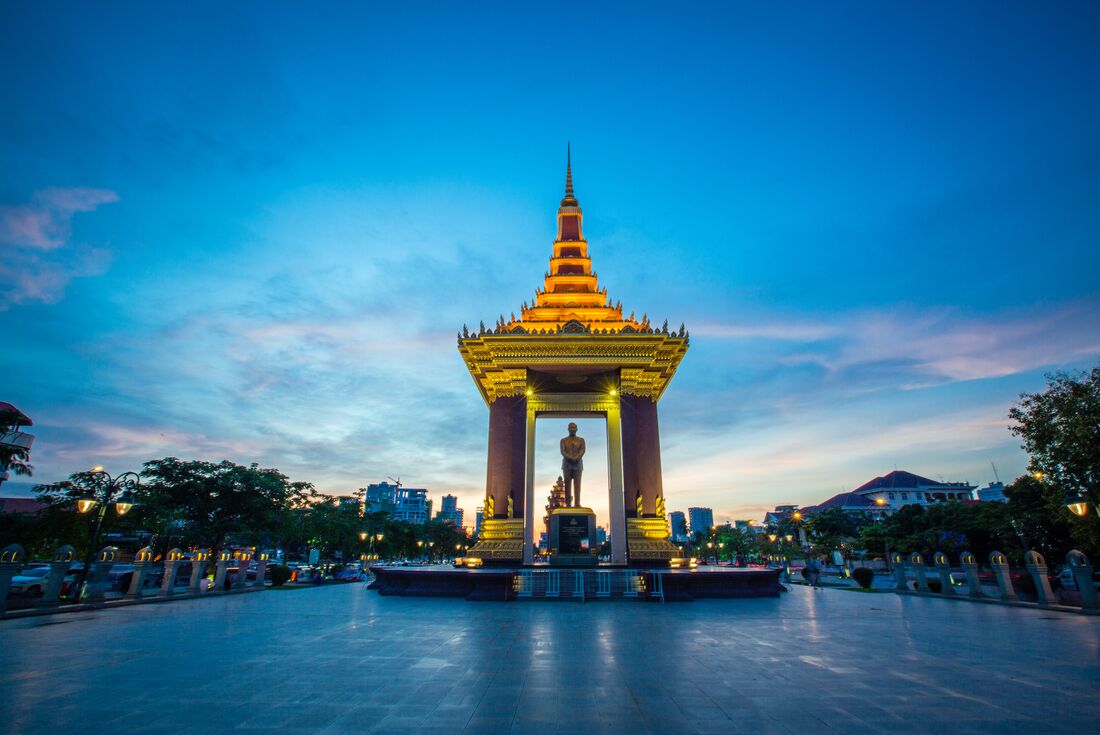
Today, you’ll join a guided tour of the Tuol Sleng Genocide Museum (S21) – a former school that served as a Khmer Rouge torture centre. It's estimated that more than 20,000 people were held and tortured here. You’ll also head out to the Killing Fields of Choeung Ek, where a stupa made up of some 8000 human skulls marks the execution ground for the torture victims of Tuol Sleng. After, you may wish to learn about a brighter period in Cambodian history with an optional visit to the Royal Palace and Silver Pagoda. Wat Phnom, shrouded in myth, is equally worth a visit, as is the National Museum. Cyclo tours around the city are a great alternative to walking and generally include the Central Market, US Embassy, Wat Phnom, Mekong riverfront, the Independence Monument and Royal Palace.
Day 18: Battambang
Travel by private minibus to Battambang today. Break up an otherwise long trip with a visit to the pottery village in Kampong Chhnang and learn about the craft of pottery making at local workshops. Then continue to Cambodia's second-largest city – a pretty riverside town with French elegance, friendly Khmer people and beautifully preserved colonial architecture, this is a great place to explore on your own. Why not take part in an optional cooking class to learn the secrets of local dishes such as amok, Khmer curry and fried spicy chicken.
Day 19: Siem Reap
Spend a bit of time riding around the countryside by bike, travelling out to the rural villages around Battambang. This is a great opportunity to get a closer look at what rural life means in Cambodia. Visit local families who have been producing agricultural products the traditional way passed down through generations, like rice paper, dried bananas, and bamboo sticky rice and stop by a Khmer house and relax and enjoy some coconut water while chatting about their life. The Intrepid partner for this activity is a local social enterprise that support training of local youth for their future career. In the afternoon continue by private minibus to Siem Reap, arriving in the evening, and relax as you prepare for your much-anticipated visit to Angkor tomorrow. Perhaps hit the markets for some delicious street food for dinner.
Day 20: Siem Reap / Angkor Wat
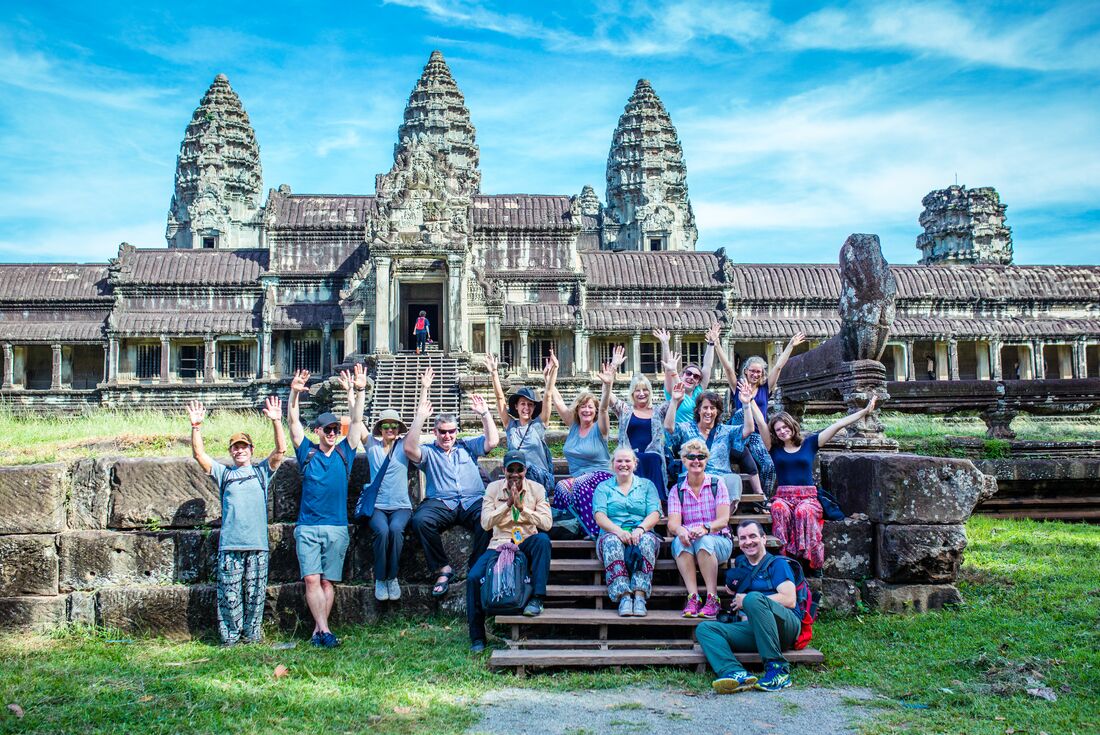
Make your way to Angkor Wat in the early hours this morning to watch the sunrise over this UNESO World Heritage site. Then, Temple-hop with your local guide through the world-famous complex. The temples, dating back as far as the ninth century, were believed to represent the cosmic world and were set in perfect balance, symmetry and composition. The intricately carved bas-reliefs and architectural designs are mind-blowing and there are spectacular photo opportunities at any time of day. The ruins are scattered over an area of some 160 square km, but the main cluster of temples is close to Siem Reap, so there will be plenty of time to fully appreciate the great archaeological sites of Angkor Wat, Bayon and the jungle-covered Ta Prohm.
Day 21: Siem Reap/ Angkor Wat
Continue your explorations of the Angkor complex this morning. In the afternoon, embark on a private local boat discover the floating villages and local daily lives at Chhong Kneas – a trading port of agricultural products on the edge of Tonle Sap Lake, also known as the Great Lake of Cambodia.
Day 22: Bangkok
Fly from Siem Reap to Bangkok today. On the flight, you’ll be unescorted, but your Cambodian leader will see you off at the airport in Siem Reap and your Thai leader will be ready to welcome you in Bangkok. Thailand's bustling capital is an exciting world of tuk tuks, khlong boats and street vendors serving up delicious Thai food. Perhaps head out to sample some local specialties as a final farewell with your fellow travellers.
Day 23: Bangkok
Your trip comes to an end this morning, with no further activities planned. However, if you have more time, Bangkok is full of things to do, including the Grand Palace, Temple of the Emerald Buddha, and the fascinating Jim Thompson Museum. Just speak to your booking agent if you'd like to extend your stay.