Day 1: Phnom Penh
Sua s'dei! Welcome to Cambodia. Your adventure begins in Phnom Penh – the meeting point of the Mekong and Tonle Sap rivers, where the locals come to snack on the street hawkers’ food and enjoy impromptu waterside entertainment. You’ll have a welcome meeting at 6 pm, then kick off your food adventure with a welcome dinner at a local restaurant. The Cambodian cooking pot combines an eclectic mix of local and international influences and has a flavour all of its own. Later, maybe go for a drink or stroll along the famous Sisowath Quay.
Day 2: Phnom Penh
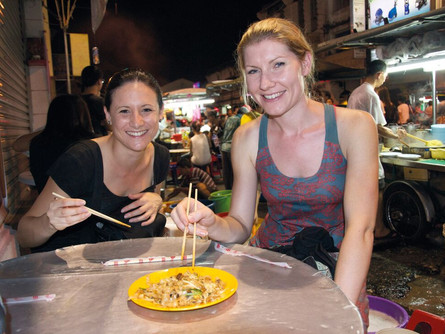
Today you’ll visit the Tuol Sleng Genocide Museum (S21) and the Killing Fields of Choeung Ek, which tell the story of the sombre legacy of the Khmer Rouge. In the afternoon, maybe visit the Royal Palace. The private quarters of the Royal Palace are home to King Sihamoni and are closed to the public, but you can visit the Silver Pagoda that lies in the palace complex – the most sacred temple in the country. In the evening, hop on a tuk-tuk and enjoy a foodie tour of some of the tastiest local food for dinner in Phnom Penh – the beef skewer and the fried pork ribs are our favourite!
Day 3: Kampot
Today, take a private transfer to Kampot – one of Cambodia’s Old Towns on the riverside, known for its French-era architecture from the 19th century, like the Governor's Mansion (now the Kampot Museum). Famed for its pepper, Kampot also supplied most French restaurants with this vital spice for many years. Today, the region is more renowned for its plantations of durian (the spiky, pungent fruit that you’ll either love or hate). When you arrive, head to Kep Beach for lunch – the nearby Kep markets serve fresh crab cooked to perfection – and eat on the pier overlooking the ocean. After, follow your leader on an orientation walk through the city and along the riverside. Maybe have a cup of coffee in a waterside restaurant and admire the view of the Bokor Mountain Range. A traditional massage is also highly recommended here, from social enterprise Seeing Hands – the best way to support a local charity is in loose cotton pyjamas, in the capable hands of one of the blind masseurs or masseuses. In a country with no social security, the training and support provided by these centres allow blind Cambodians to support themselves.
Day 4: Kampot
This morning you’ll have breakfast at Epic Café – a social enterprise that provides employment for local people living with disabilities. After, visit the salt fields that stretch across much of Kampot’s coastline. After learning a bit about the salt production here, it’s on to the Kampot Pepper Project. Grown in Cambodia for centuries, Kampot pepper is considered the world’s finest. Today, pepper is also seen as an important symbol of Cambodian regeneration. Learn from the best here about the use of pepper in a cooking class at the plantation and try some pepper ice cream as your dessert. The afternoon is all yours to explore town.
Day 5: Battambang
Travel by private bus to Battambang today – Cambodia's second-largest city. On the way, stop at Kampong Chhnang and visit local pottery workshops to see masters working at their craft, and enjoy lunch in the village. Then continue to French-influenced Battambang – this riverside town is famous for its many statues of animals and divinities that decorate the streets and buildings. It also lacks the traffic of Phnom Penh and the visitor numbers of Siem Reap, so it’s a great place to get a real slice of Cambodia. Your leader can recommend activities for the rest of afternoon. Perhaps join a local Battambang foodie for a homecooked meal, tasting local dishes such as amok, Khmer curry and fried spicy chicken with homemade rice noodles.
Day 6: Siem Reap
Take a bicycle ride into the countryside. The ride is easy and takes mostly shady roads through local villages. Along the way, stop in local homes to see how rice paper, the country’s famous prahok (fish paste) and rice wine are made, as well as fruit drying and preparation. Finish up at the best kralan (sticky rice in bamboo) stall in the district. After, head to Siem Reap via private vehicle – this small but expanding town is the gateway to the UNESCO World Heritage Angkor complex. You'll probably notice a change of pace here, so maybe take a walk and enjoy the atmosphere when you arrive. A visit to the old market is a must, even if you're not looking for souvenirs – wandering through the stalls and surrounding shops, you’ll find silks, cotton, sarongs, silver and statues among a flurry of colour. There's also a long tradition of shadow puppetry in the region, so if you're lucky, you might even catch a show at one of the local restaurants tonight.
Day 7: Siem Reap / Angkor Wat
This morning, head to the village of Preah Dak for a traditional breakfast of homemade num banh chok (a popular Khmer noodle dish). You’ll see how the local families make the noodles just as their ancestors made them, then you’ll try some seasonal fruits. After, explore more of the Angkor complex – built between the 9th and 13th centuries when the Khmer Empire was the pre-eminent influence in South East Asia – and see the Bayon temple and jungle-covered Ta Prohm. Tonight, head out for a final dinner at a plant-based restaurant that uses fresh produce from its own gardens. Tuck into dishes like grilled eggplant, creamy pumpkin soup, vegetable curry and homemade lime pie.
Day 8: Siem Reap
Your adventure comes to an end this morning. There are no activities planned for today and you’re free to leave at any time. If you’re keen to continue your exploration of the Angkor complex, please speak with your leader about extending the length of your access pass.