Day 1: León
Hola! Welcome to Nicaragua. Your adventure begins in Leon – a city of revolution, poetry and grand architecture. After checking into your hotel, feel free to walk through the historic streets. Admire the striking white facade of Leon Cathedral, a UNESCO World Heritage site and one of the largest cathedrals in Central America. After the welcome meeting at 6 pm, maybe head out for an optional meal with your group at a local restaurant to sample traditional Nicaraguan cuisine. Your leader will have some great recommendations.
Day 2: León
Today, join your group on a leader-led orientation walk dedicated to exploring Leon’s rich cultural heritage. Visit local art galleries, revolutionary murals and bustling markets. Learn about the city’s political history and literary legacy. Visit the lively Mercado Central de Leon, a hub of daily life in the city. Wander through colourful stalls filled with local produce and traditional foods and fuel up with a market snack such as quesillo (a soft tortilla filled with fresh cheese, pickled onions and cream) or a refreshing natural fruit drink. In the afternoon, you’ll have free time to explore on your own. Maybe take a kayaking or boat tour at Juan Venado Island Nature Reserve – float along the waterway between the mangrove forest and the island’s coast and watch out for wildlife that live here in abundance. If you’re a history buff, step back in time at Ruins de Leon Viejo, one of the oldest Spanish settlements in the Americas. Located near Puerto Momotombo, these fascinating archaeological ruins offer insight into Nicaragua’s colonial history.
Day 3: Matagalpa
Travel north into the cool highlands to Matagalpa, a region known for coffee production and lush mountain scenery. The change in climate is immediate — fresh air, rolling hills and cloud-kissed forests surround you. When you arrive, maybe take a short walk through town to soak up its relaxed atmosphere. The region’s strong agricultural traditions make it an ideal place to learn about rural Nicaraguan life. If you’d like, your leader can help you arrange a coffee tour, birdwatching in the cloud forest, a visit to a farm or hiking in Apante Nature Reserve.
Day 4: Matagalpa
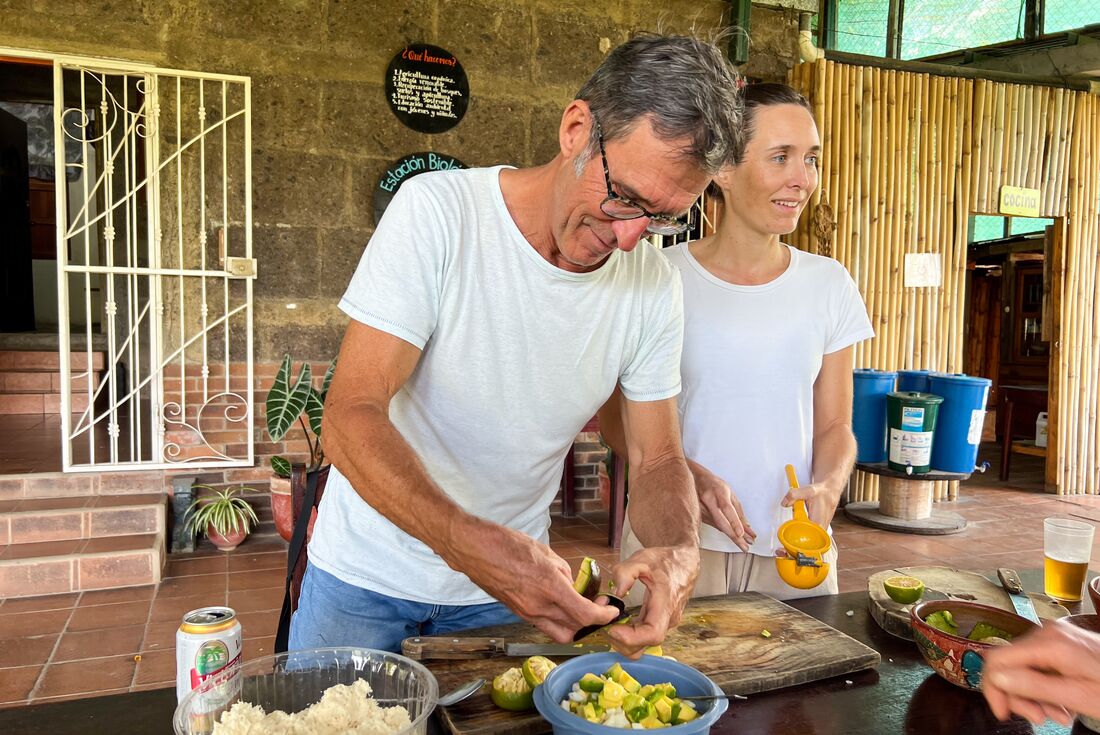
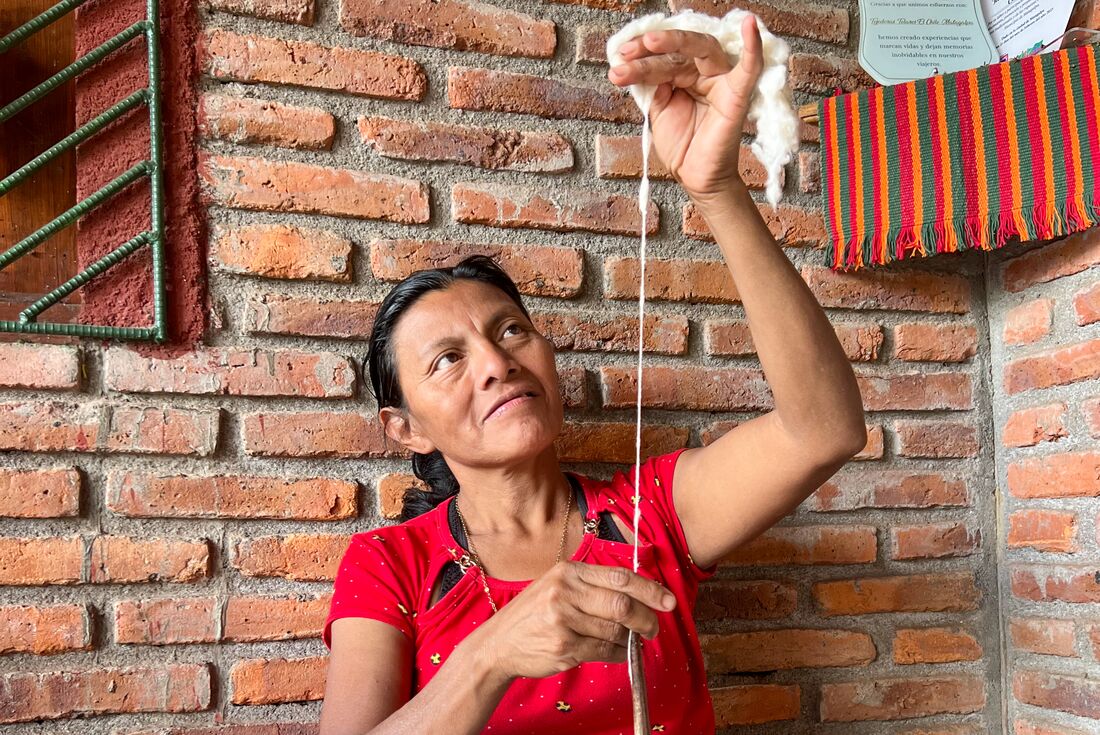
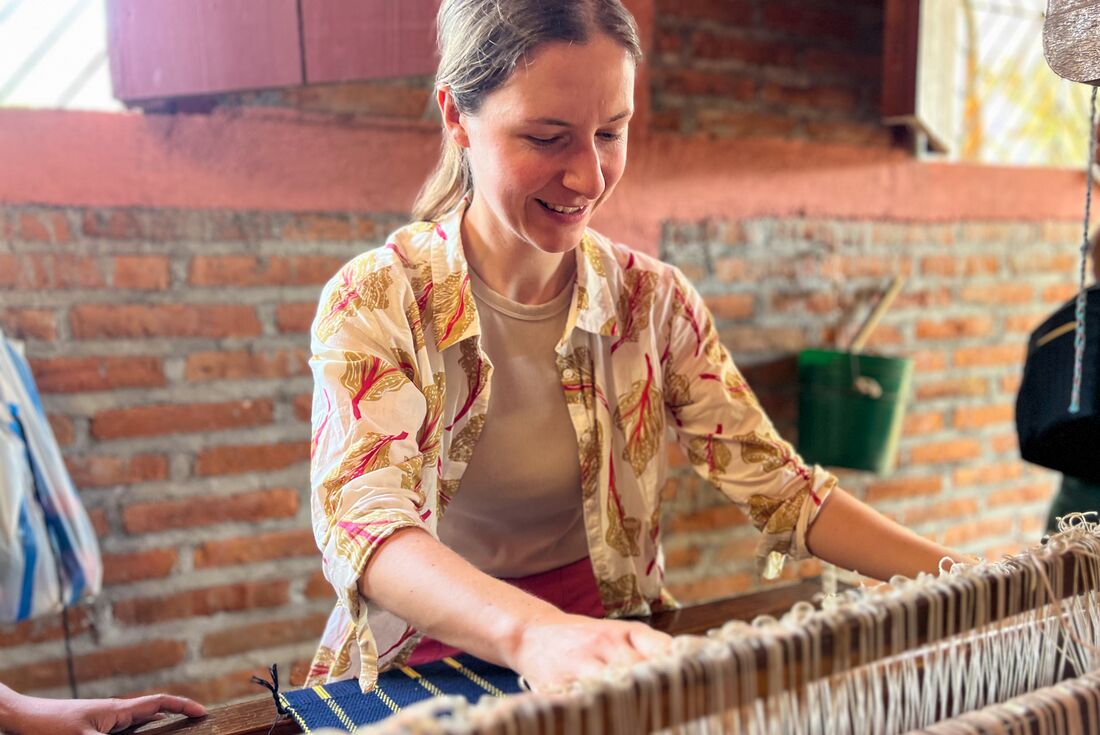
Today, you’ll visit one of the mountain communities surrounding Matagalpa and get a taste of traditional Nicaraguan cuisine. After breakfast, head out of the city to Aguali Biological Station, where you’ll participate in an interactive cooking workshop. Together with local hosts, you'll prepare traditional dishes using fresh regional ingredients while learning about the role of corn, beans and seasonal products in Nicaraguan daily life. To cap it off, enjoy the fruits of your labour for lunch. After, the journey continues into the hills to the indigenous community of El Chile. Here you’ll meet a group of local women artisans who preserve the region’s traditional weaving techniques. They’ll demonstrate how colourful threads are transformed into handmade backpacks, rugs and other textiles using traditional looms. Try the weaving process yourself, if you want! For those craving some time in nature, there’s time to tack on an optional short walk to Cerro El Chile, a scenic viewpoint where you can look out over the mountains surrounding Matagalpa.
Day 5: Masaya Volcano / Granada
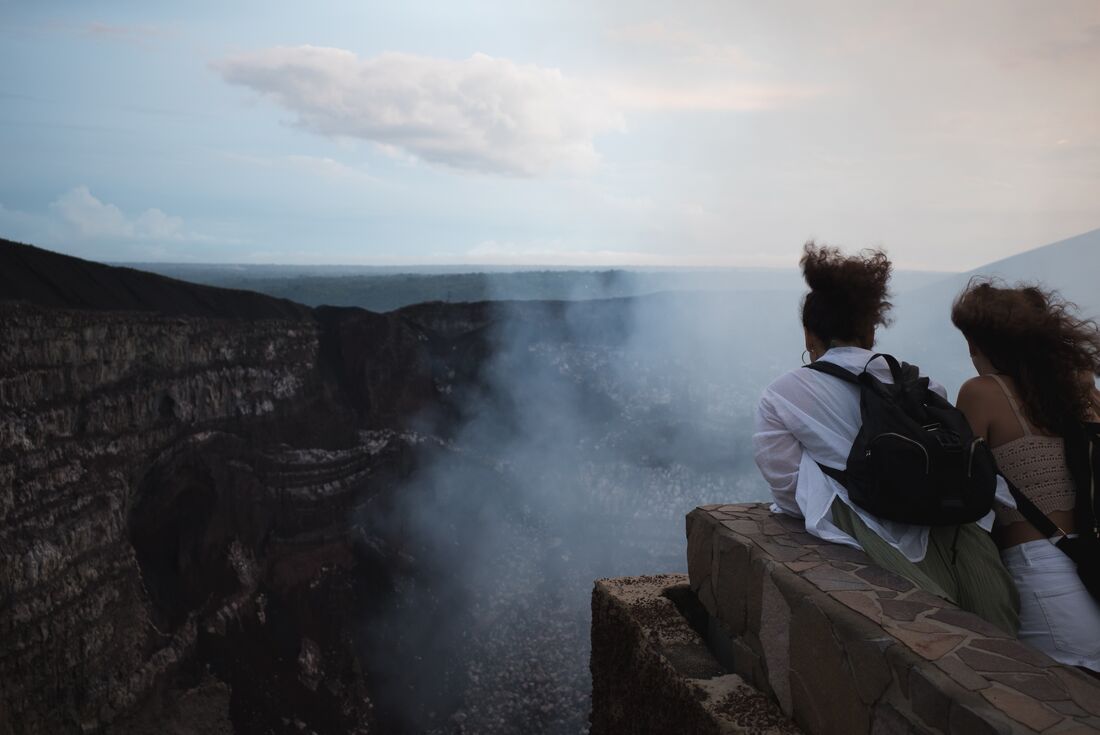
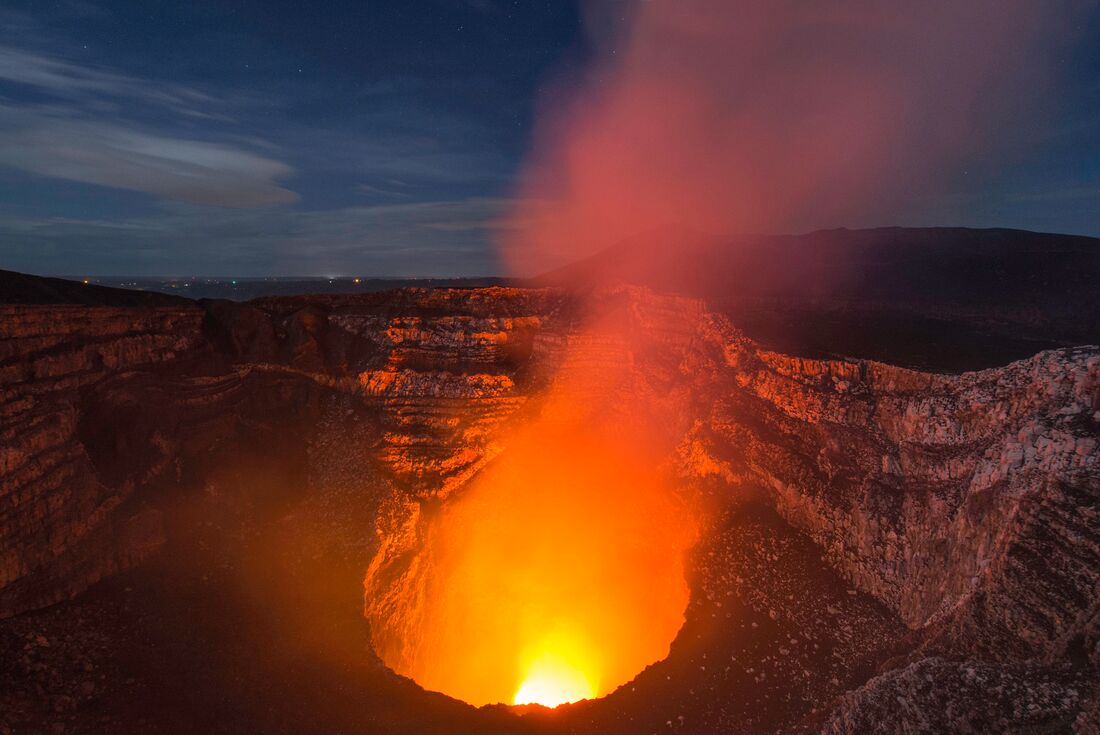
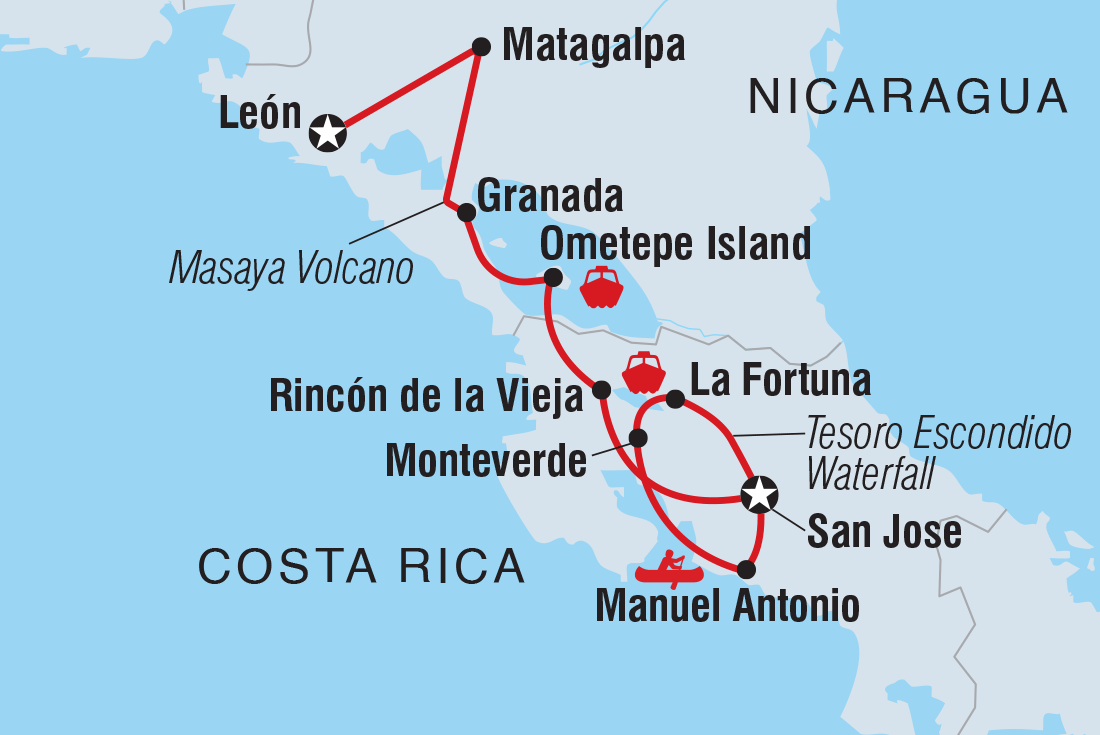
Today, journey south to Granada, set on the shores of Lake Nicaragua and brimming with colourful Spanish architecture. On the way, stop in the lively town of Masaya, where you’ll have time for lunch on your own and to walk around the famous Masaya Artisan Market – perhaps picking up a handmade hammock or piece of pottery to take home. In the afternoon, head to Masaya Volcano, one of Nicaragua’s most active and captivating natural wonders. While waiting for entry – which can sometimes involve a longer wait – enjoy the sounds of traditional Nicaraguan music and engaging stories that bring the volcano’s history and local legends to life. Admire a beautiful sunset, then continue to Granada and your hotel for tonight.
Day 6: Granada
Today, you’ll get to know Granada, founded in the 16th century and one of the oldest European-established cities in the Americas. Head out with your leader for a walk through the leafy Parque Central and La Calzada – a busy pedestrian street and dining area. The rest of the day is yours to explore the city at your own pace. If you’re an adventure enthusiast, maybe hire a kayak and paddle around the islets of Lake Nicaragua – stay safely tucked in, as freshwater sharks live in the water! Or, maybe rent a bike and ride to Laguna de Apoyo, or hike through the flora and fauna along the Mombacho Volcano Crater Trail. If you’d like to dive deeper into Granada’s rich history and striking Spanish architecture, consider joining a guided city tour. With a local expert leading the way, you’ll explore bustling streets, visit Casa de los Tres Mundos and the San Francisco Convent, and uncover the stories behind the city’s most iconic landmarks.
Day 7: Ometepe
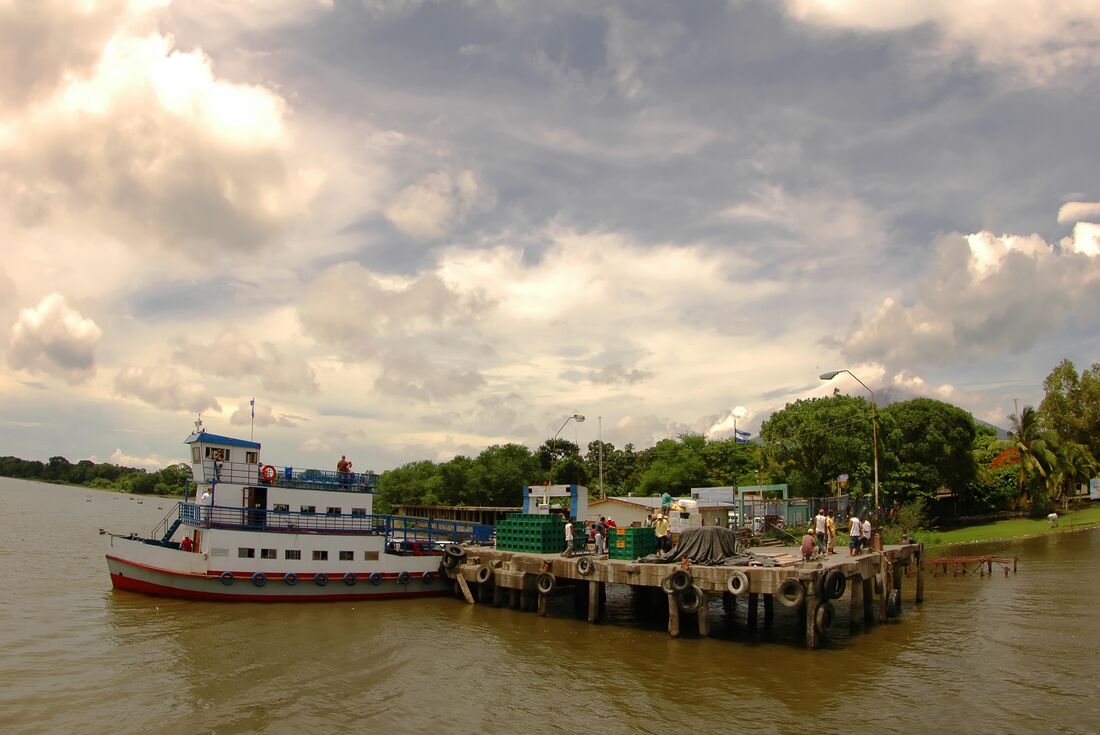
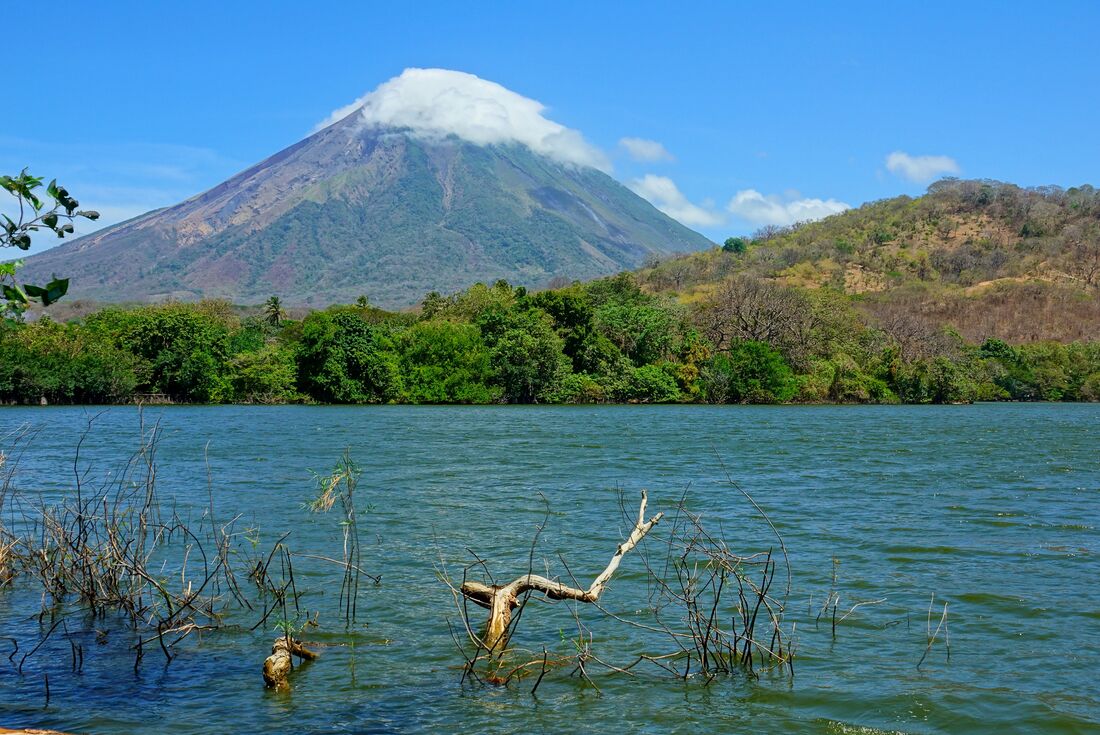
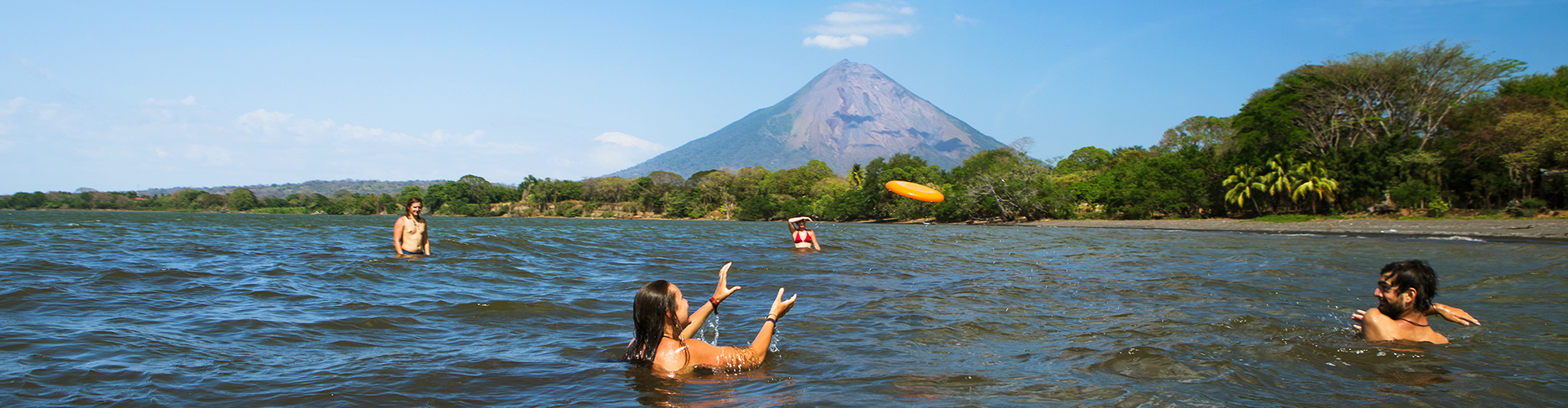
Today, travel by road and ferry to Ometepe, a magical island formed by two volcanoes rising from Lake Nicaragua (Ometepe literally means two volcanoes in the Nahuatl language). Life here moves at a slower pace, shaped by agriculture and fishing traditions. When you arrive, take time to settle in and enjoy sunset views over the water. The island’s natural beauty sets the tone for tomorrow.
Day 8: Ometepe
This morning, explore the natural and cultural highlights of Ometepe on a scenic tour across the island. Visit the lush trails of Charco Verde, stop at the quiet shores of Playa Santo Domingo and see the historic town of Altagracia. Along the way, discover ancient Ometepe petroglyphs that offer a glimpse into the island’s local culture and traditions. The afternoon is yours to explore Ometepe’s landscapes as you wish. Maybe hike to the summit of Maderas volcano – but be warned, at 1394 m (4573.5 ft) above sea level, this trek is no walk in the park. You might prefer to splash around in the natural springs or soak up the sun on the shore. If you like watermelon, banana and citrus fruits, this is the place for you – there’s loads of delicious fresh fruit to feast on.
Day 9: Rincon de la Vieja
Depart Nicaragua today and cross the border into Costa Rica, continuing to Rincon de la Vieja. This geothermal wonderland is characterised by bubbling mud pots, volcanic craters and tropical dry forest. When you get there, enjoy a relaxing afternoon in the hot springs, where natural thermal pools flow through the forest. Take time to unwind in the warm mineral waters surrounded by the peaceful landscapes of Costa Rica’s tropical dry forest.
Day 10: Rincon de la Vieja
After breakfast, venture out to explore the geothermal landscapes of Rincon de la Vieja National Park on a leader-led walk through the Las Pailas Sector. Follow the trails past gurgling mud pots, steaming fumaroles and sulphur springs while learning about the volcanic activity and dry tropical forest ecosystem that define this remarkable park. If you’d like, go birdwatching or take a canopy tour to round out the day.
Day 11: San Jose
Today, travel south to San Jose, Costa Rica’s dynamic capital, nestled in the Central Valley and home to over half the country’s population. When you get there, take a leader-led orientation walk to get your bearings. If there’s time, maybe explore the city’s Central Market, where you can buy anything from handicrafts to locally grown fruit. This evening, you may wish to rejoin your group for a dinner to reflect on your journey through two countries rich in culture, history and natural beauty.
Day 12: San Jose
Today, you’ll have a free day to spend as you wish in San Jose. Maybe visit the market and explore the local museums before your second welcome meeting with your group and new trip leader at 6 pm tonight. After, maybe get to know the new travellers joining you over dinner.
Day 13: La Fortuna
Head to Tesoro Escondido Waterfall this morning. Meaning ‘hidden treasure’, this 46-m-high waterfall plunges into turquoise pools and is the perfect place for a dip. The trail to get there involves hiking through the forest, over a hanging bridge and across a rock-strewn river. Don’t worry if you work up a sweat, as you’ll cool right down when you jump in! Have lunch at a nearby restaurant, then continue to La Fortuna – a small town just a few minutes from the famous Arenal Volcano. Spend the rest of the day as you please. Maybe make another splash at the 70-m-high La Fortuna waterfall, hike the lava field of the 1968 Arenal Volcano eruption or test your balance on a stand-up paddle board on the volcano’s namesake lake. There are also several geothermal hot springs in the area, so why not relax your muscles with a soothing soak?
Day 14: Monteverde
You have a free morning in La Fortuna. In the afternoon, take a minibus to Lake Arenal where you'll hop on a scenic boat ride across the water. Another minibus will be waiting to take you to Monteverde Cloud Forest Biological Reserve. Monteverde was founded as an agricultural community in 1951 by a group of North American Quakers who cleared virgin forests to create pastures for dairy farming. These environmentally aware settlers were conscious of the dangers of unrestricted farming, so they established a small, privately owned wildlife sanctuary, which has grown to become an internationally renowned reserve with over 2000 species of plants, 320 bird species and 100 different types of mammals. Check into your hotel, then maybe do a night walk to spot some of the area’s nocturnal critters.
Day 15: Monteverde
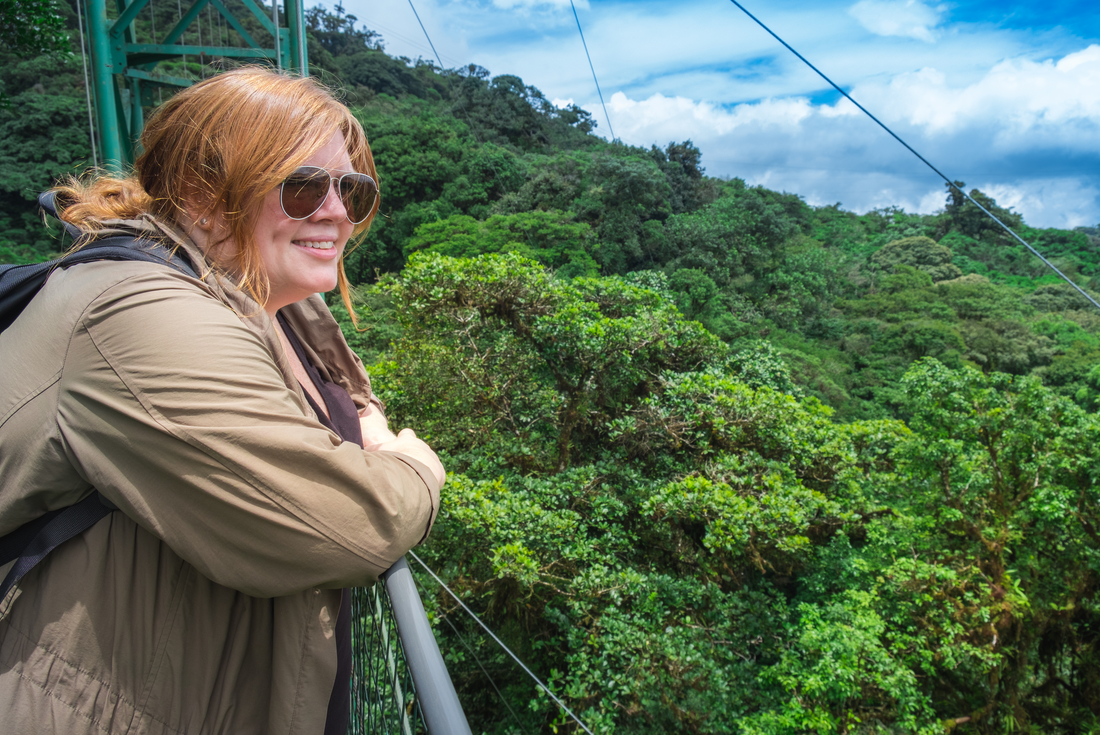
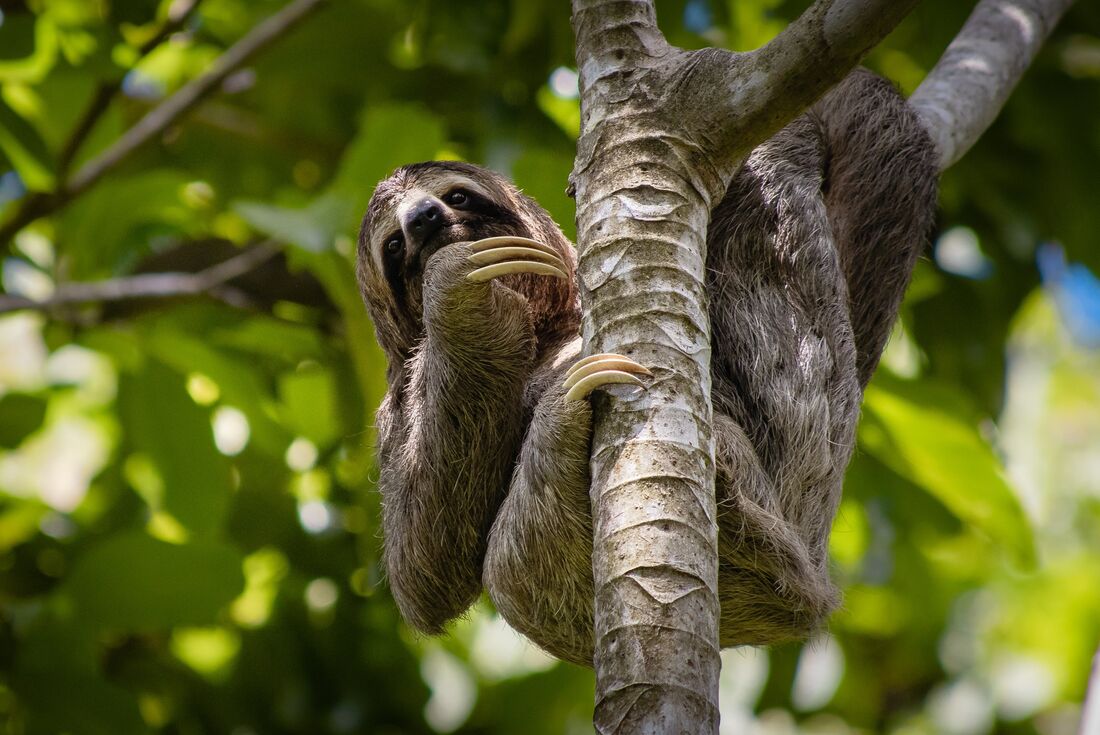
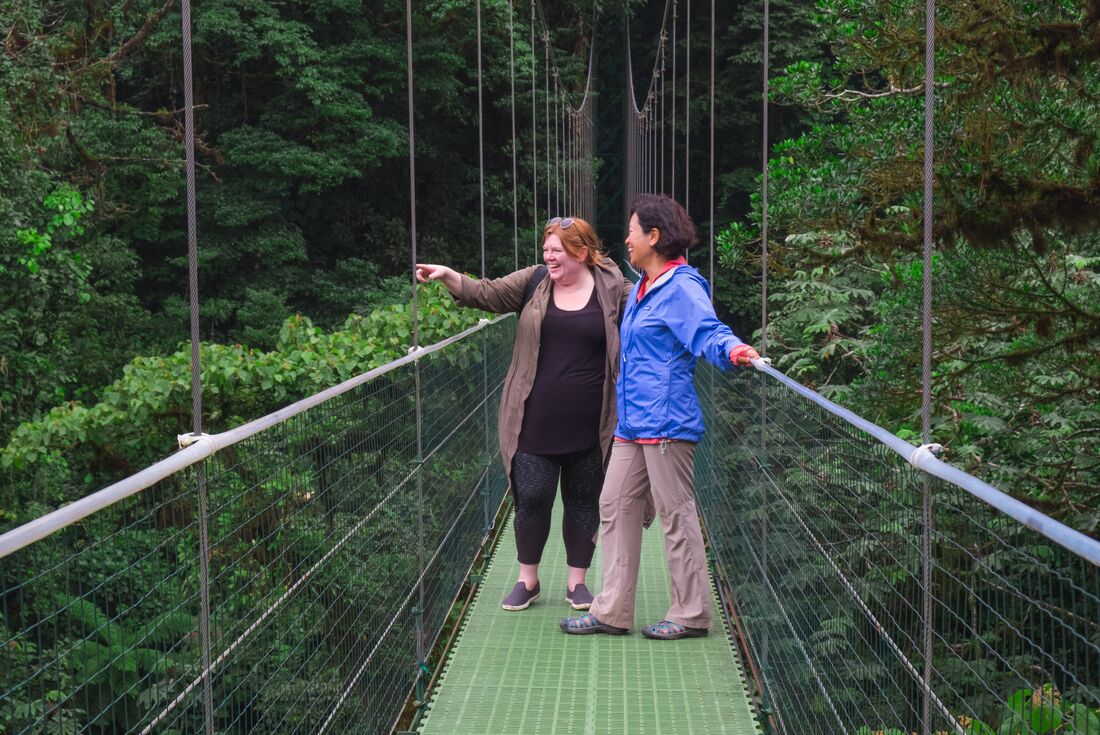
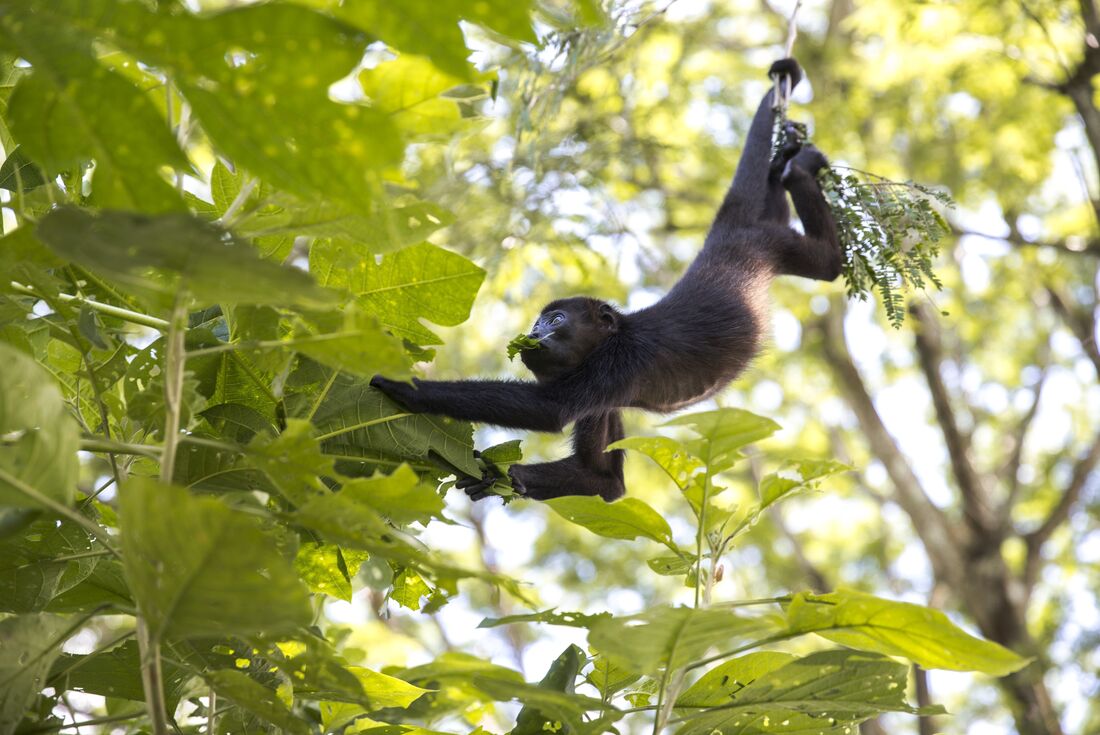
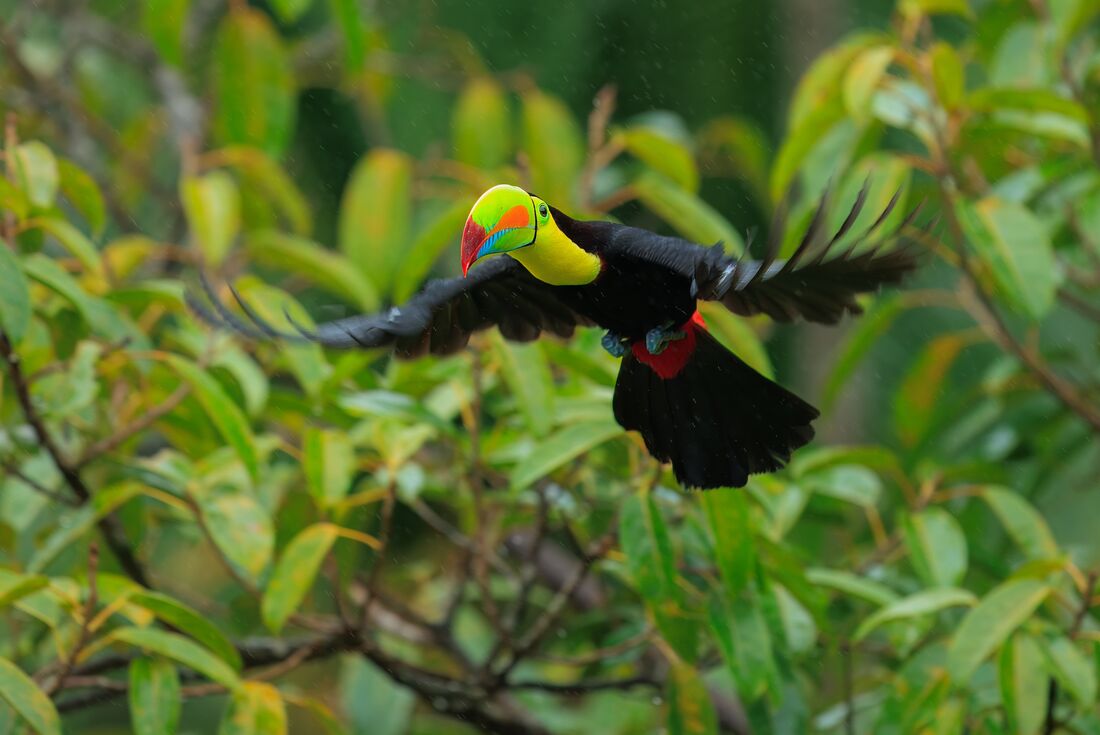
Join your leader for a guided walk in the Monteverde Cloud Forest this morning. Keep your eyes peeled (and your camera handy) for monkeys, toucans, sloths and coatis. You’re free to explore for the rest of the afternoon. Maybe get closer to the creatures who dwell in the trees on a suspension bridge tour – or if you’re feeling extra adventurous, zip line through the canopies! You could also head to the Serpentarium to check out some crawly critters, see up to 30 species of butterfly in specially created gardens or get your caffeine fix on a coffee and cacao farm tour. Whatever you do, be sure to watch out for the resplendent quetzal – one of the most elusive birds in the world.
Day 16: Manuel Antonio
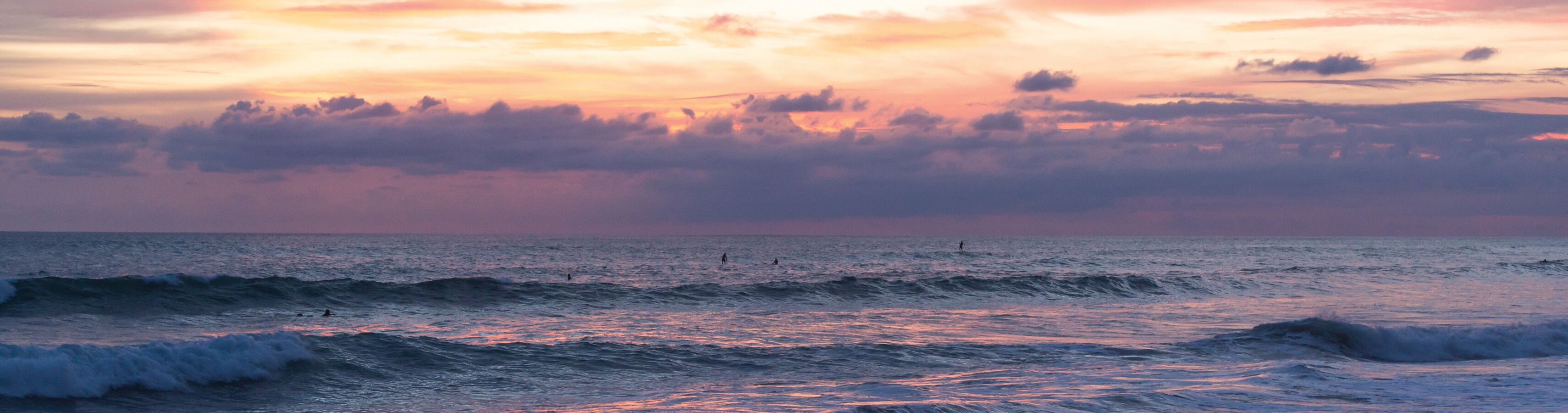
Travel through the mountains by private minibus to the surf town of Manuel Antonio, stopping along the way to join a local family in their home to prepare a traditional lunch and sip on local Costa Rican coffee. You'll have the chance to jump in and help, learning traditional techniques as the meal comes together! After lunch arrive at your accommodation and enjoy some downtime. Tonight, you could watch the sun set over the Pacific and then grab a spot at a waterfront restaurant.
Day 17: Manuel Antonio National Park
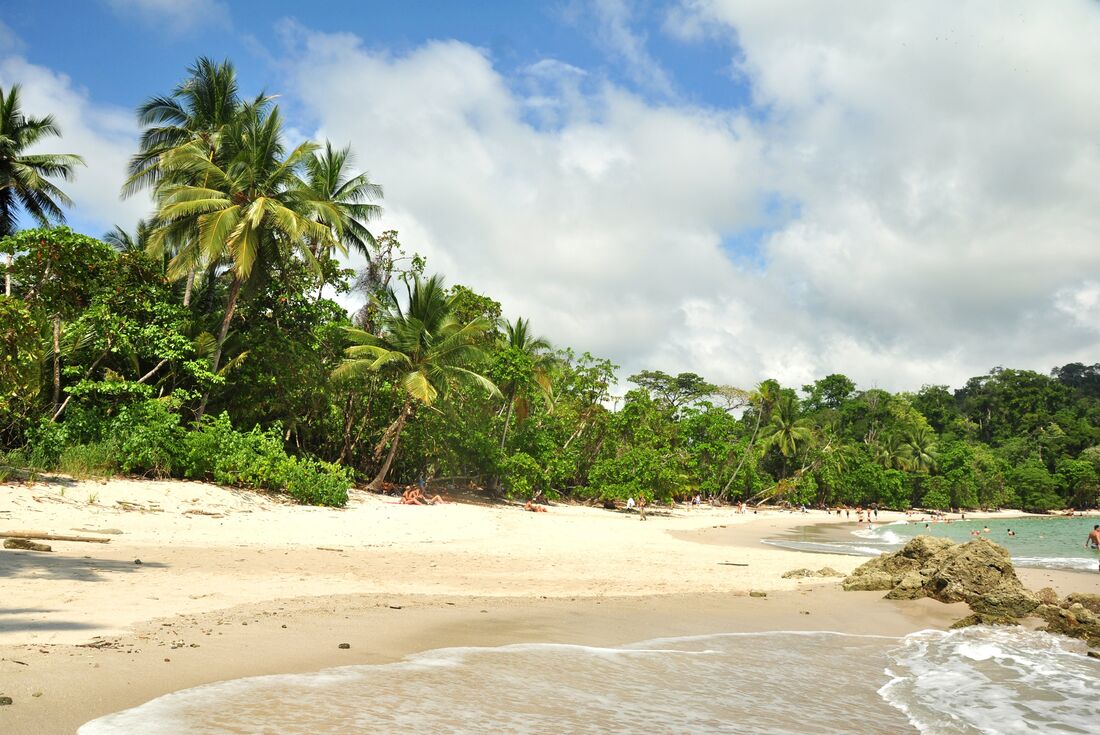
Spend your morning exploring Manuel Antonio National Park with a naturalist to understand its incredible ecosystems. Monkeys, armadillos, sloths and hundreds of species of birds are among the wildlife you can spot here. The park also has turquoise seas and white-sand beaches – perfect for swimming and kayaking. It would be easy to spend your whole time here in or by the water – and with a free afternoon, you can do just that! If you’re feeling active, you could continue exploring the park’s trails.
Day 18: San Jose
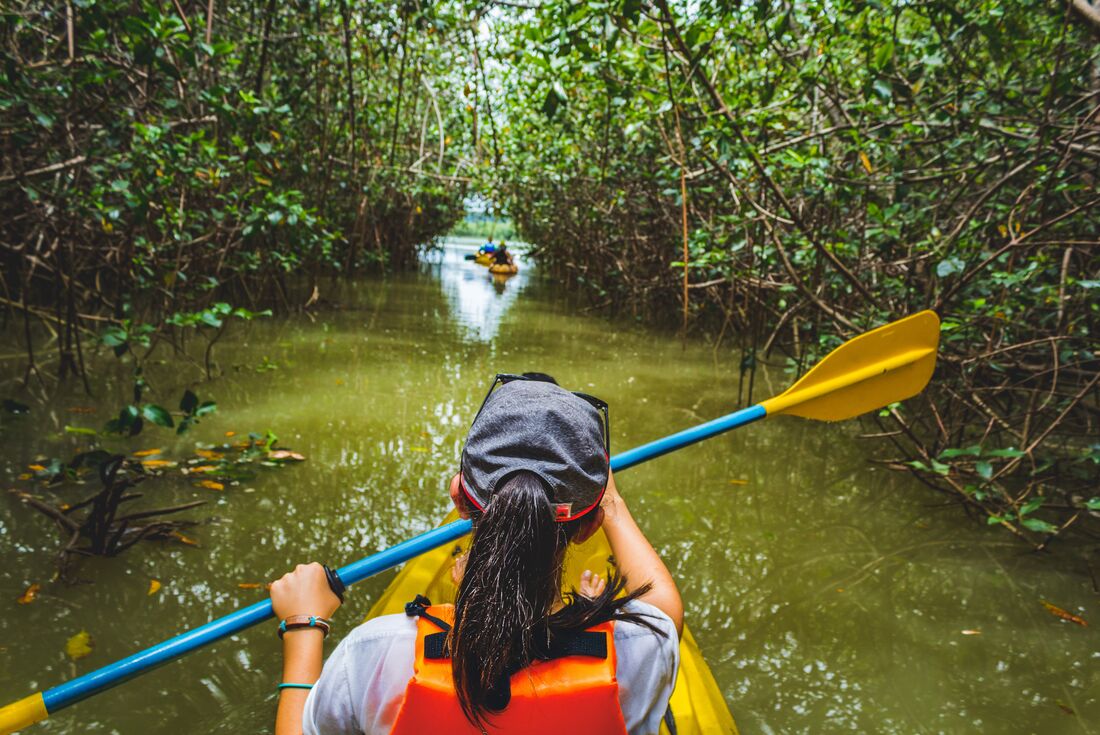
This morning, head to a mangrove forest on Damas Island for a kayaking adventure. This activity is run by a naturalist near their home along the canals, so you’ll be exploring with someone who really knows the twists and turns of these protected tropical wetlands. If you’re lucky, you might spot a troop of curious white-faced capuchins in the trees above. Take a public bus back to San Jose, then head out for an optional farewell dinner and maybe raise a glass to a great trip.
Day 19: San Jose
With no further activities planned, your trip comes to an end after breakfast. If you’d like to extend your stay in Costa Rica, just speak to your booking agent ahead of time.