Day 1: Bishkek
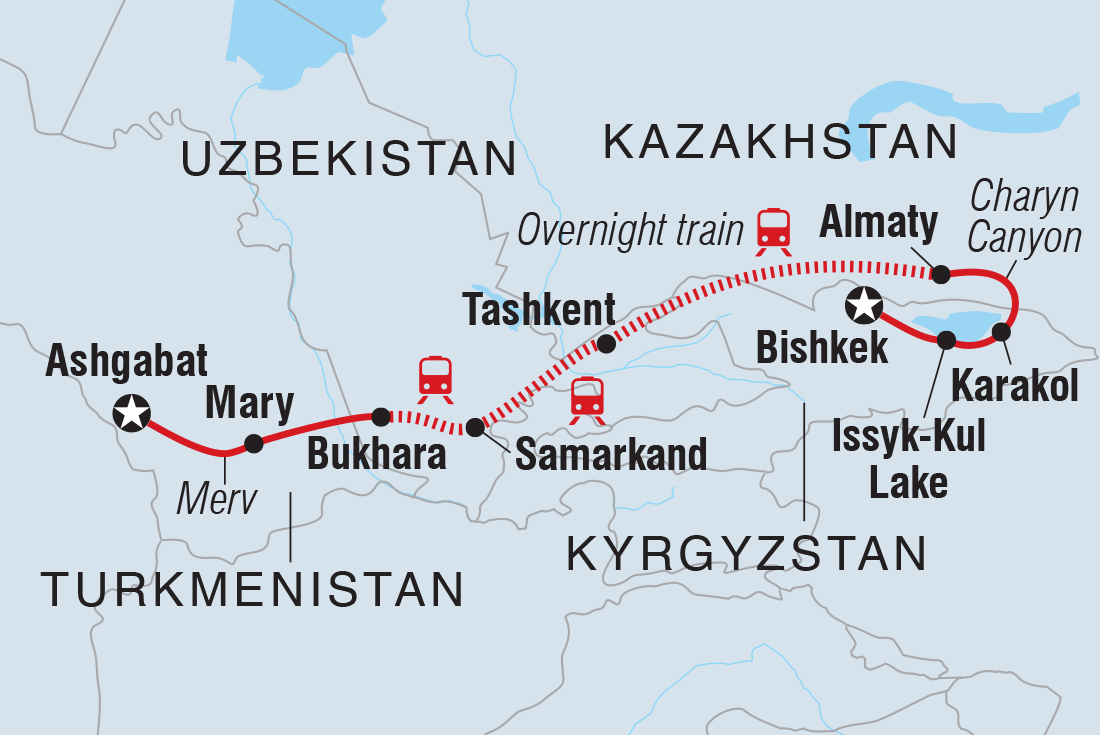
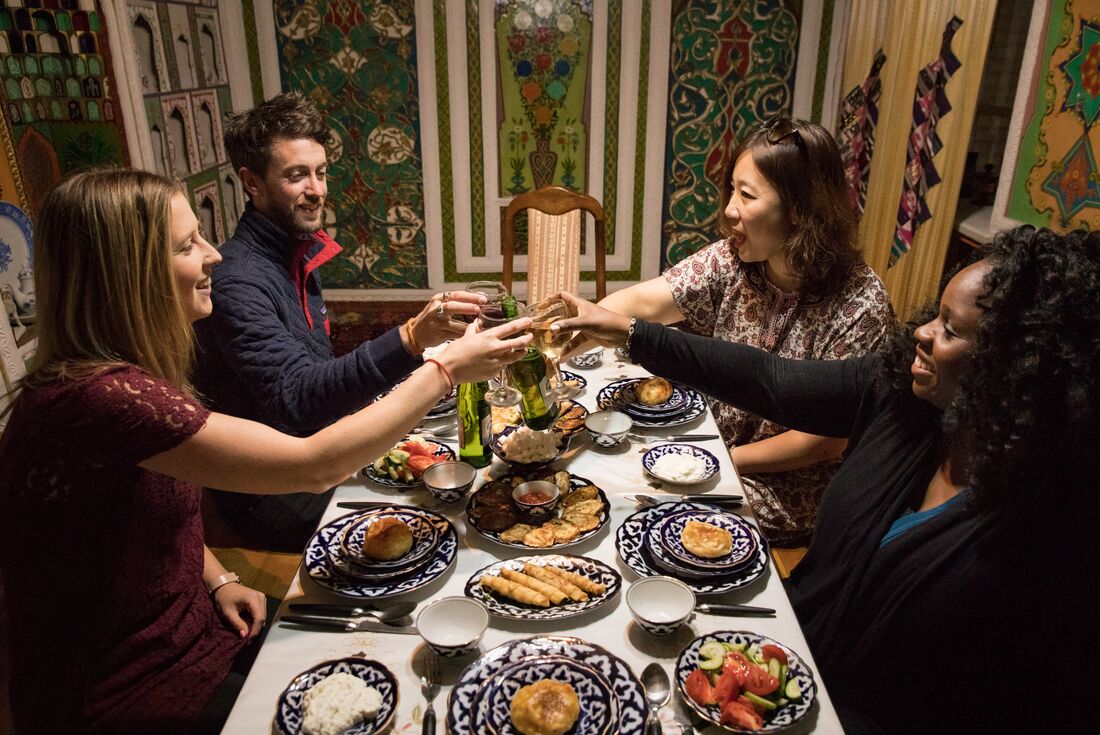
Salam! Welcome to Kyrgyzstan. Your adventure begins in Bishkek with a welcome meeting at 6 pm tonight. Tomorrow you’ll take a tour of the city, so don’t stress if you don’t have time to see much today. Bishkek is a tree-lined city of parks and gardens, with wide streets perfect for strolling. If you arrive with time to spare, maybe head out in search of some samsa (flaky pastries filled with meat and vegetables). After the meeting tonight, maybe head out to dinner and get to know your fellow travellers.
Day 2: Bishkek
Today, head out on a city tour that showcases the various stages of Bishkek’s history. Visit the Ala-Too Square (once known as Lenin Square) and learn about the towering statue depicting the folkloric hero, Manas. Continue to Dubovy Park, where you’ll wander the open-air galleries and stroll between the century-old oaks along Freedom Avenue. This afternoon, you'll have some free time to further explore Bishkek at your own pace. Maybe visit the Osh Market and walk through the stalls selling spices, fruits, clothes and carpets.
Day 3: Issyk-Kul Lake
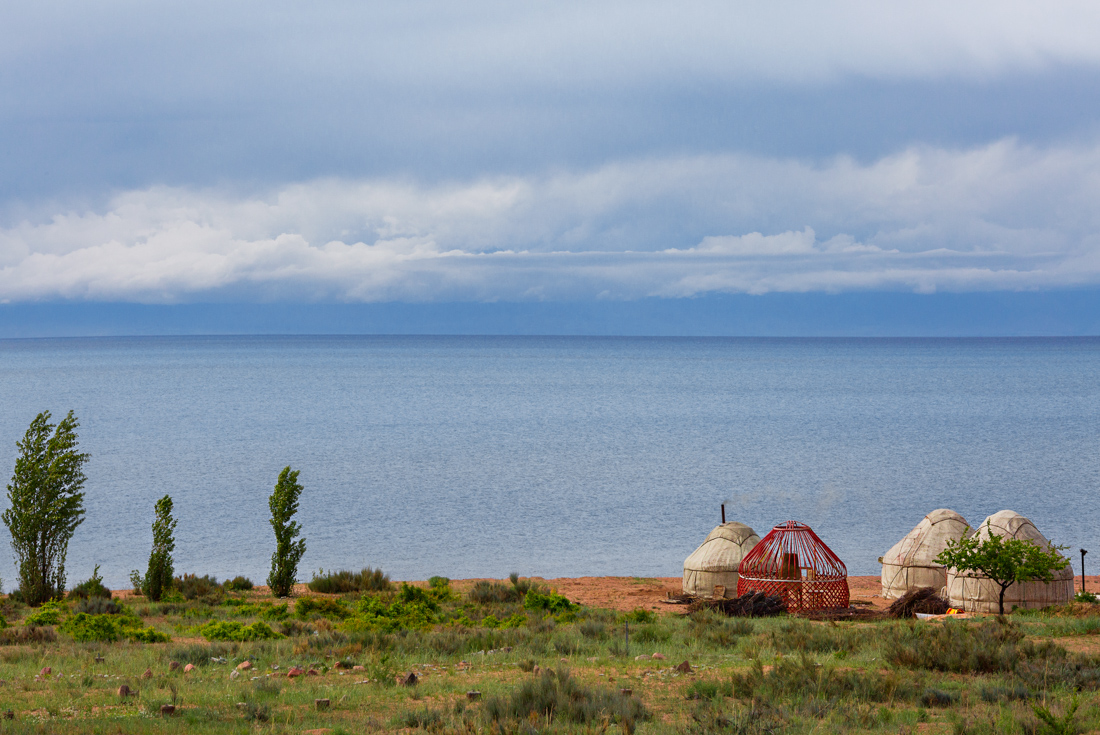
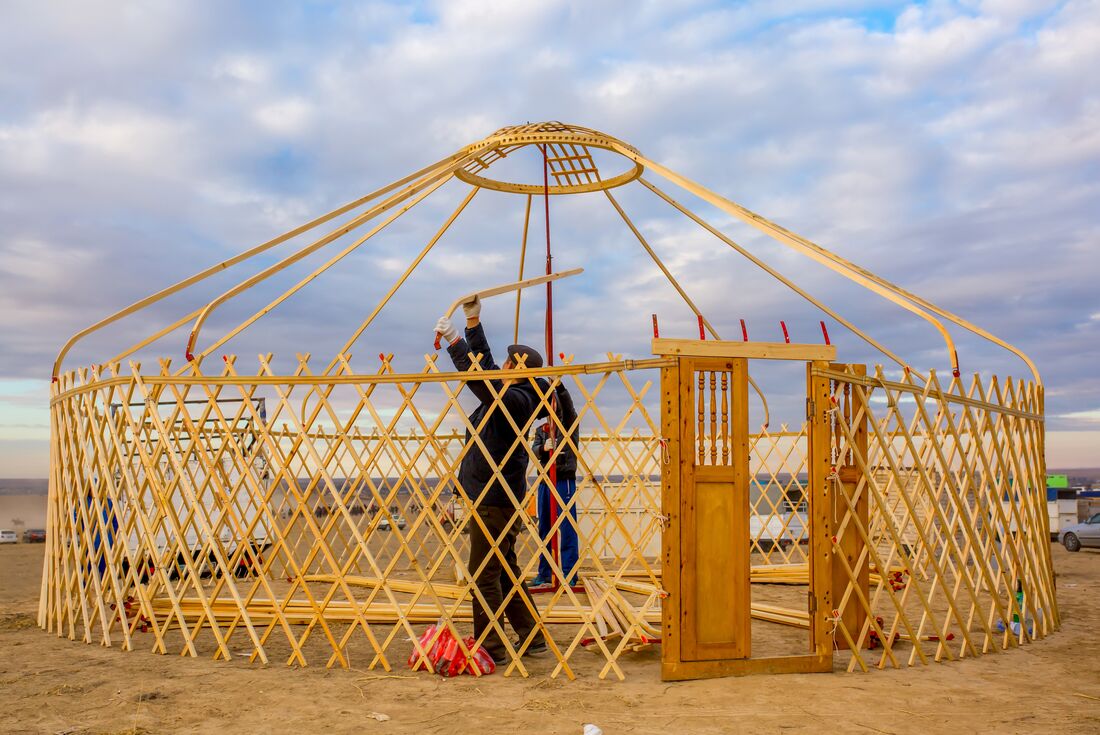
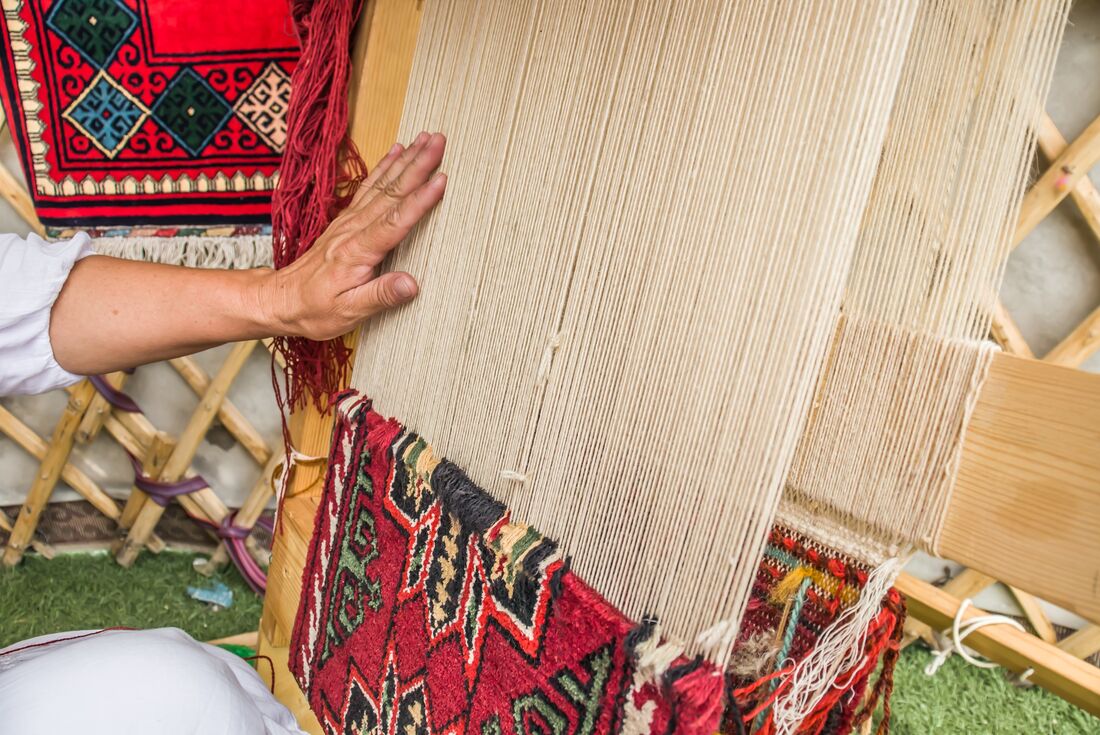
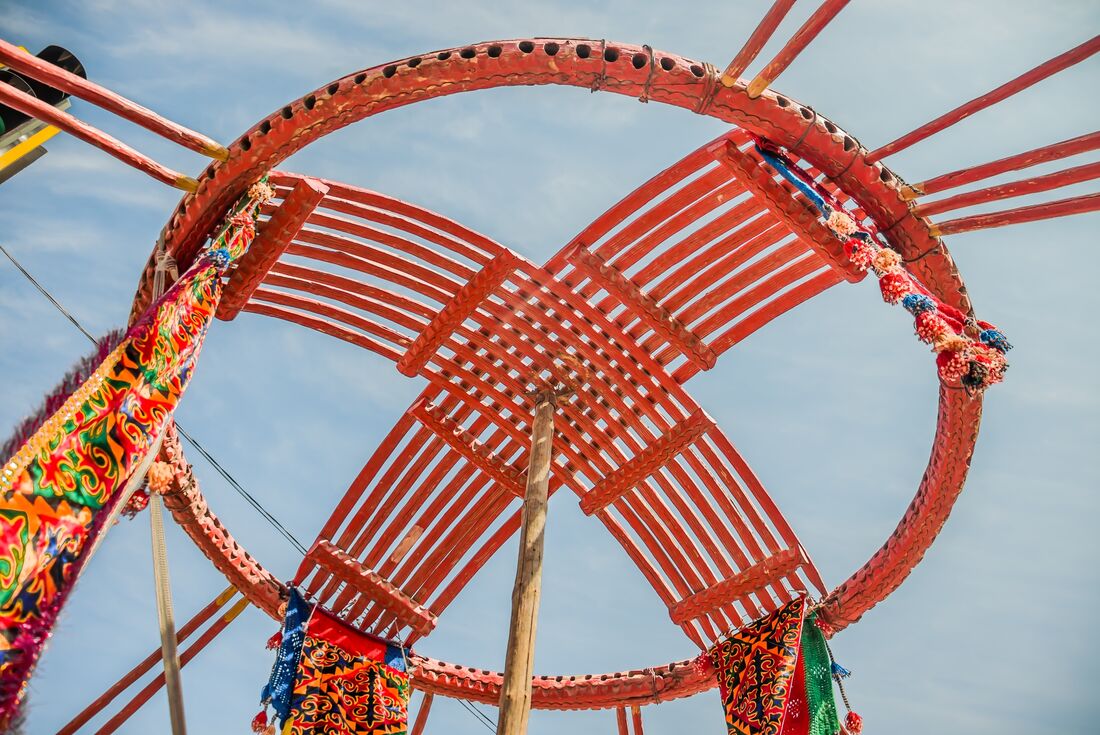
This morning, drive through the shifting landscapes of Kyrgyzstan. Your first stop is at Burana Tower – a tall, slender minaret that is the most visible remnant of the ancient city of Balasagun. Then continue to Barbulak, where you’ll meet a local Kyrgyz family and sit down for a home-cooked lunch. Continue to Issyk-Kul Lake – the second-largest alpine lake in the world, stretching 170 km long and 70 km wide. When you arrive this afternoon, you’ll have some free time to settle into your yurt camp. Set along the lake’s southern shore with views of snow-capped mountains, these camps are traditional dwellings of the Kyrgyz people. Later, learn how boorsok (fried dough) is made, followed by a demonstration of traditional Kyrgyz carpet weaving. After dinner, attend an elecheck demonstration, where you’ll learn how the traditional Kyrgyz female headpiece is wrapped and worn.
Day 4: Karakol
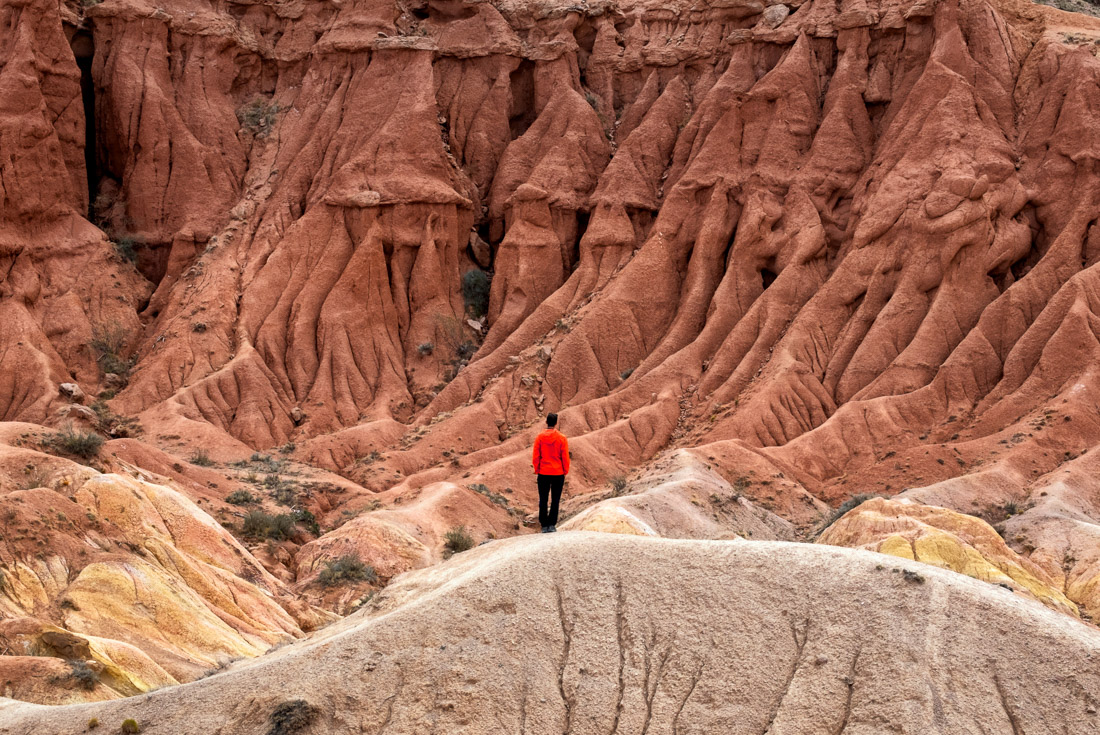
Depart the yurt camp this morning and travel to Karakol – the furthest eastern outpost of former Tsarist Russia and, later, of the USSR. On the way, visit Skazka Canyon (aka ‘Fairytale’ Canyon) and soak in the surrounding landscape of rugged stone peaks that contrast the meadows and alpine lakes. Then, head to Jeti Oguz, also known as Seven Bulls Rock due to the striking seven red-brown cliffs found here. Spend some time exploring the valley before continuing to Karakol. This town was founded as a Russian military outpost and still has a few wooden ‘gingerbread houses’ along its scenic streets.
Day 5: Almaty
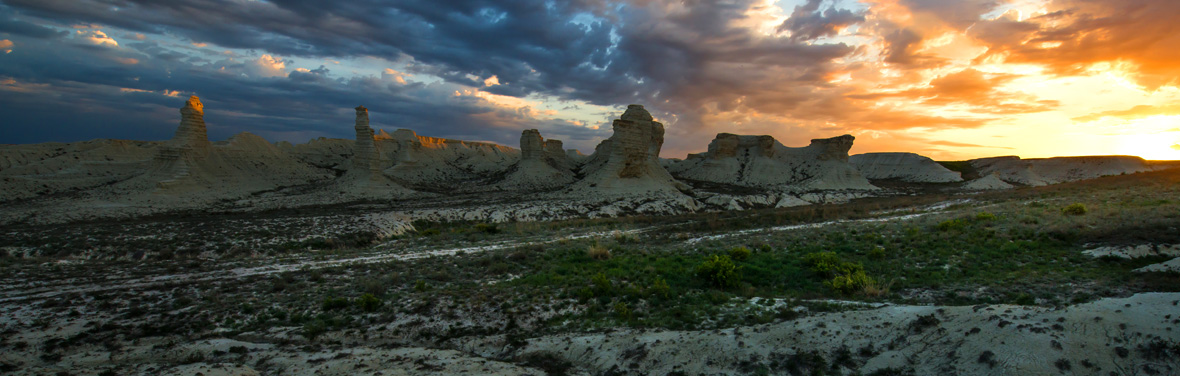
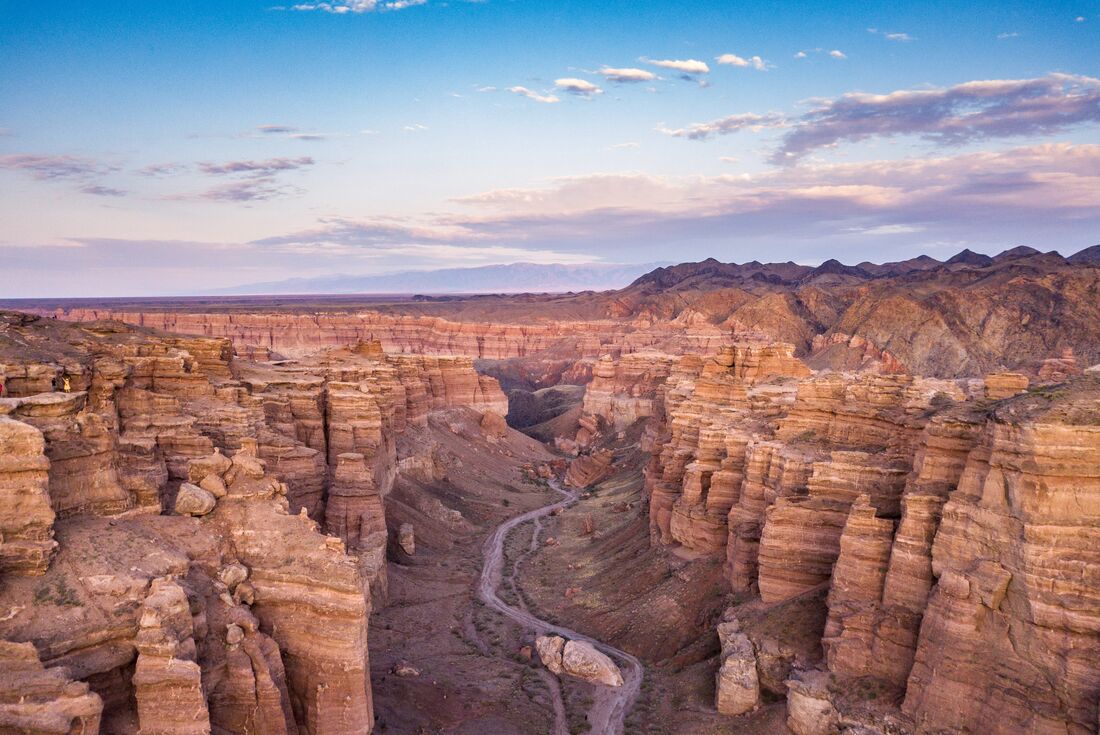
Wake up early this morning – today is a long travel day, including a border crossing back into Kazakhstan. The scenery during the drive is entertainment in itself! You’ll make a few stops along the way for photos and to stretch your legs, including at Charyn Canyon – often referred to as the little brother of the Grand Canyon in the United States, wind and water have shaped this spectacular canyon with different shapes and colours. Take a short hike to the bottom of the canyon before continuing your journey to Almaty. When you arrive in town later today, enjoy some free time before settling into your accommodation for the night.
Day 6: Almaty
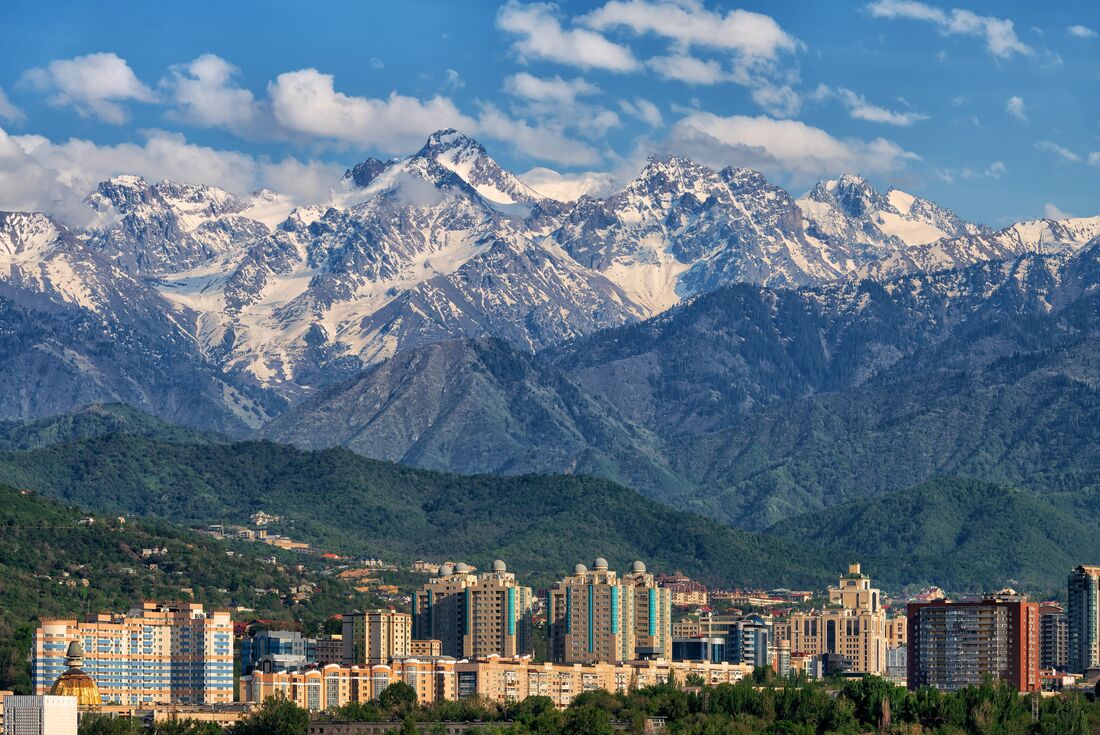
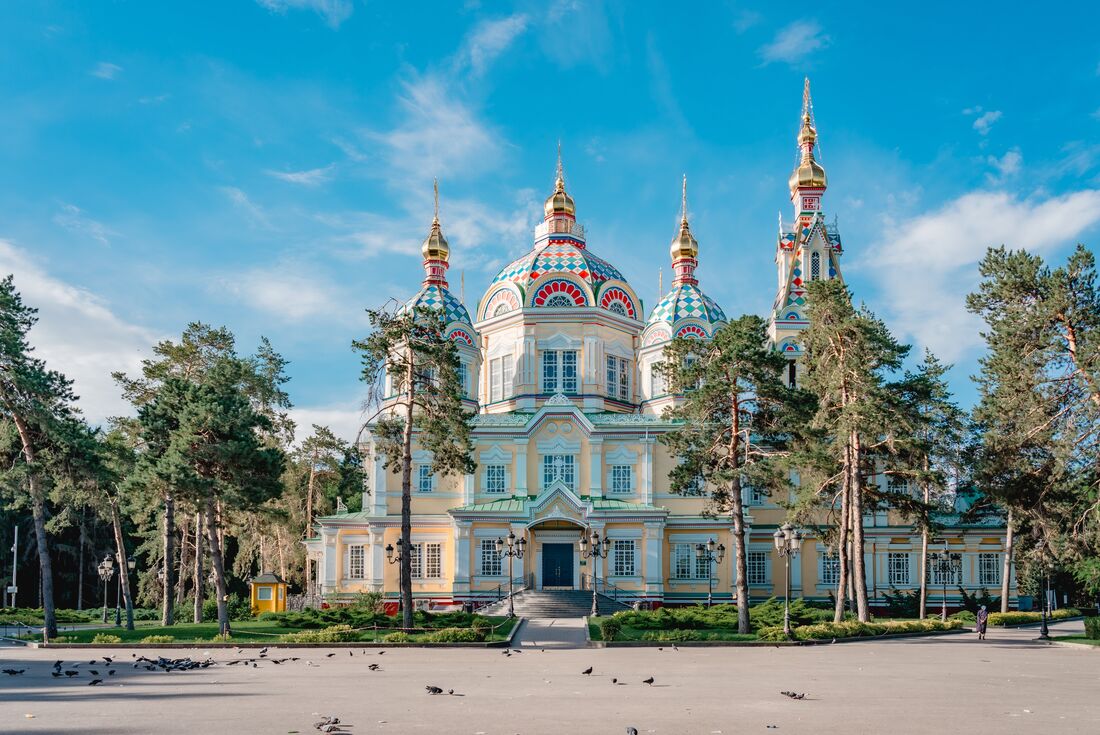
Today, you’ll head out with a local guide for a city tour of downtown Almaty. Visit Central Square and Zenkov Cathedral in the historic Panfilov Park – dedicated to the 28 guardsmen who died defending Moscow against German tanks in WWII. Explore the Kazakh Museum of Folk Musical Instruments, which features a great collection of ancient relics, before heading to a local Kazakh farm where you’ll be welcomed by your hospitable host. They'll take you around their farm, introduce their traditional culture and you'll share some Kazakh tea and snacks together. Return to Almaty in the late afternoon, where you have the rest of the night free to explore at your own pace.
Day 7: Overnight train to Tashkent
Start today off at a slower pace, spending the morning how you like. Maybe wander through Almaty’s beautiful parks, visit a museum like the Central State Museum of the Republic of Kazakhstan to learn more about the region’s history or try some local food in one of the many restaurants – beshbarmak is the national dish (boiled meat served over flat noodles and broth). This evening, you’ll board an overnight train to Tashkent.
Day 8: Tashkent
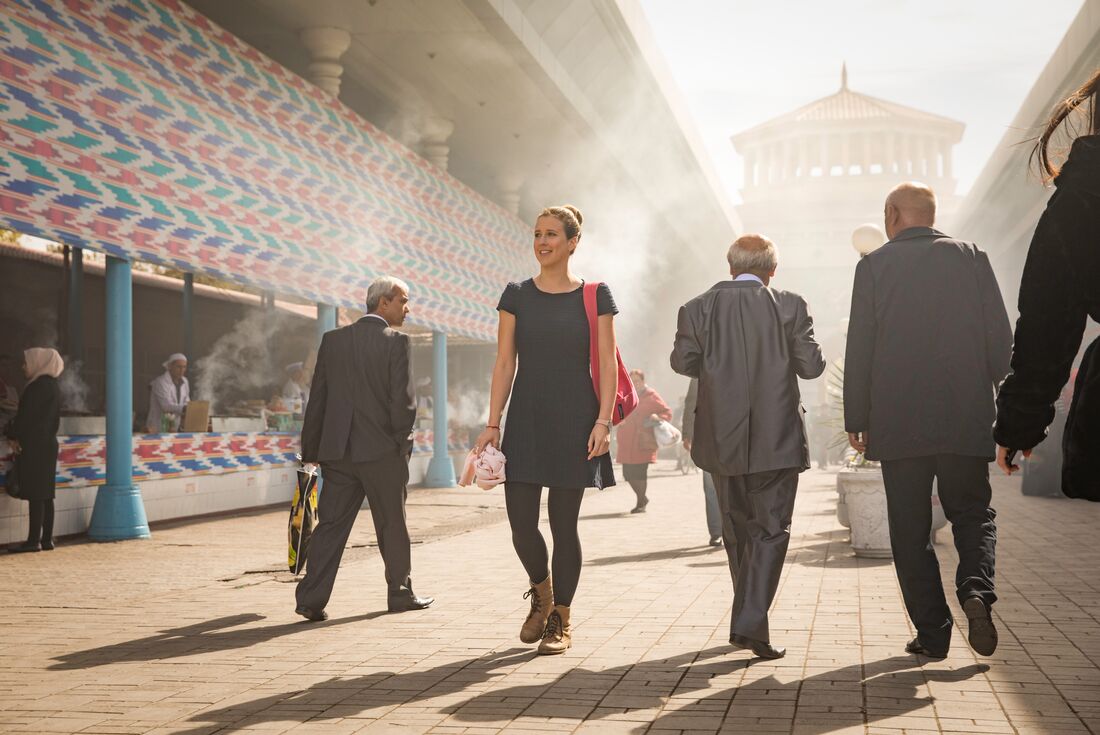
Wake up in Tashkent as the train pulls into the station at midday. When you arrive, head out for an orientation walk with your leader in the city. The rest of the day is free for you to explore at your own pace. Maybe start with a visit to Amir Timur Square in the city centre, then hop on the metro to Chorsu Bazaar, where you can browse traditional wooden cradles, handmade musical instruments and local produce and spice stalls. Maybe visit the Khast Imom Complex – a restored series of religious buildings, including a mosque and a library containing an ancient Qur’an, parts of which date back to the 9th century.
Day 9: Samarkand
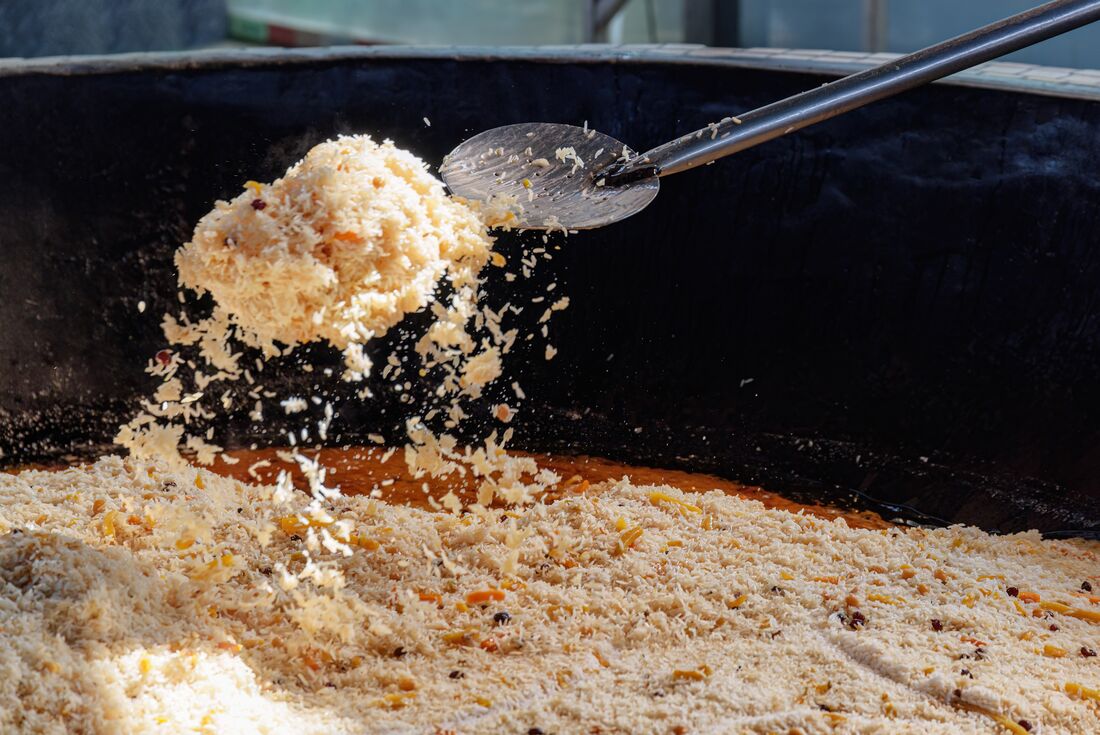
This morning you’ll take the train along the ancient Silk Road hub of Samarkand. When you arrive, set out on a leader-led orientation walk through a city known for its rich and complex history – once a hub for artisans and traders, and long sought after by conquering armies. This afternoon, you’ll have some free time to maybe visit the Gur-e-Amir Mausoleum, where Uzbek conqueror Tamerlane is buried. Later, visit a local family for a cooking demonstration where you’ll learn how to prepare plov (a hearty dish of lamb and rice).
Day 10: Samarkand
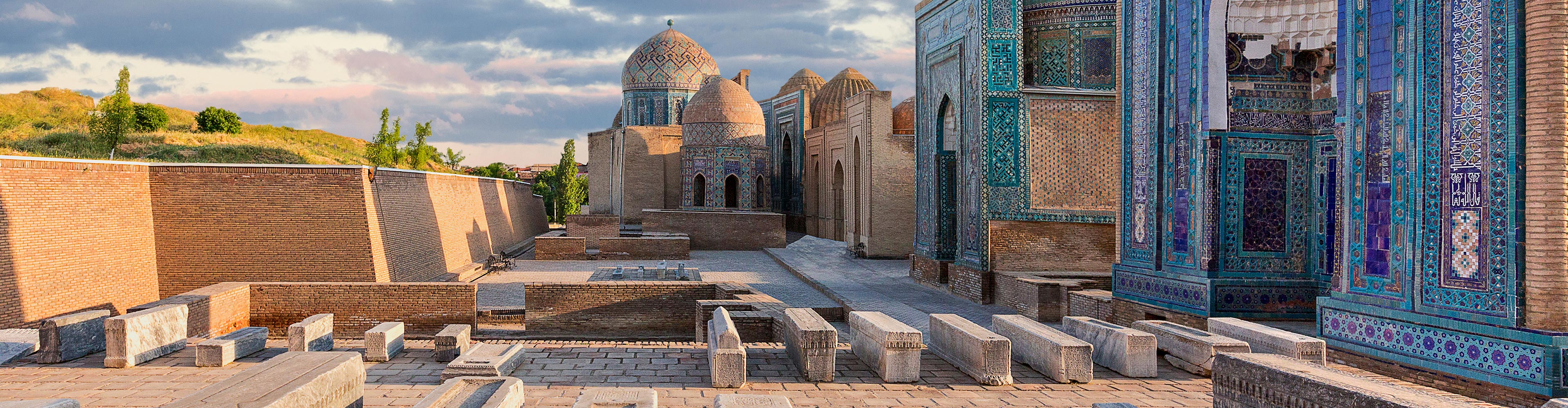
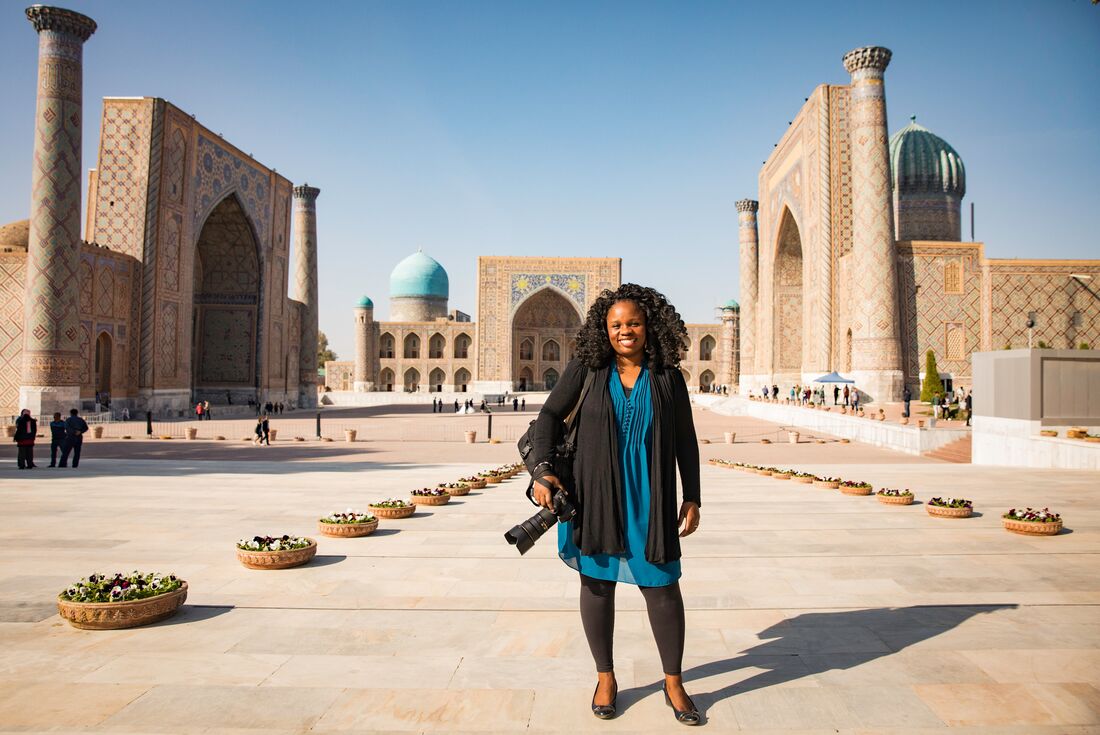
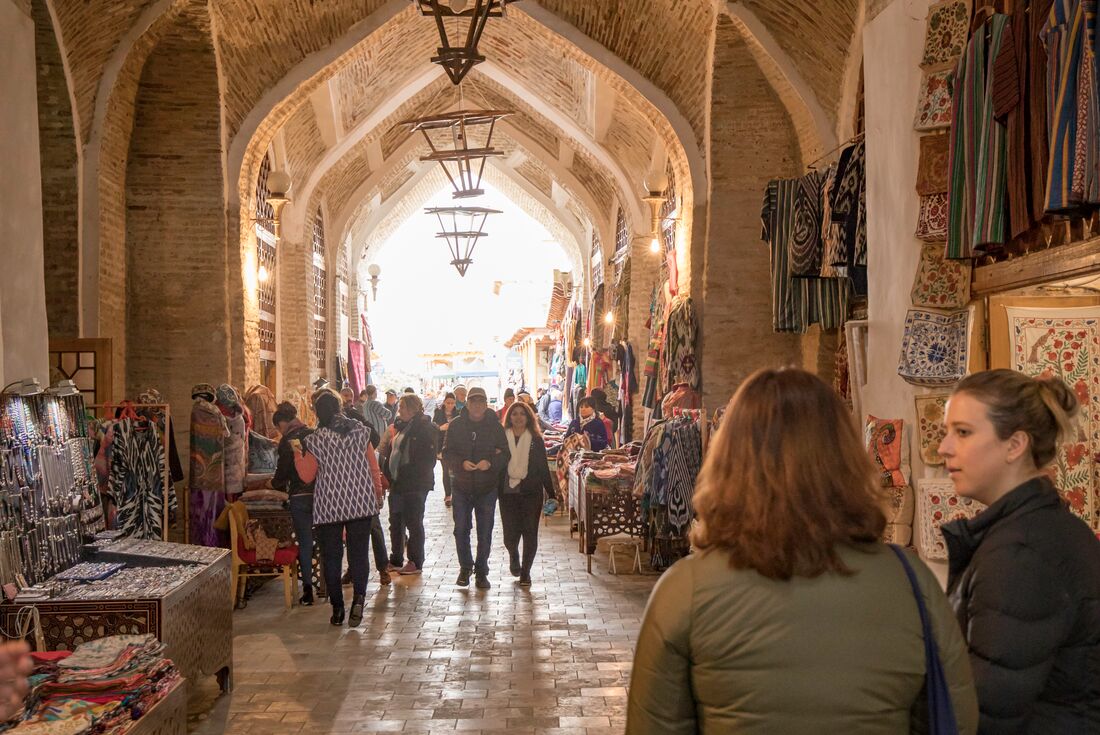
Today starts with a city tour. Visit the enormous Bibi-Khanym Mosque and explore the ancient bazaar right behind it, maybe sampling some halva (a local sweet made from sesame, sunflower seeds or peanuts) and a glass of freshly squeezed pomegranate juice (depending on the season). After, see the world-renowned Registan Square, which features three of the most famous madrasahs in Uzbekistan. The rest of the afternoon is free. Maybe explore the ruins of the medieval observatory developed by Ulugh Beg – an astronomer and grandson of conqueror and emperor Tamerlane (Timur).
Day 11: Bukhara
Travel to Bukhara by train this morning. Located on the ancient Silk Road, Bukhara was an important regional and global hub for many years and has a long, fascinating history featuring invasions by both Genghis Khan and the Soviet Red Army. When you arrive, explore this fascinating city with your local leader on an orientation walk. Then, visit the Lyab-i Hauz area – a busy 17th-century plaza with trees that are over a hundred years old. If there’s time, spend the rest of the day walking through the small craft studios that are tucked away in the nearby madrasah and trading domes.
Day 12: Bukhara
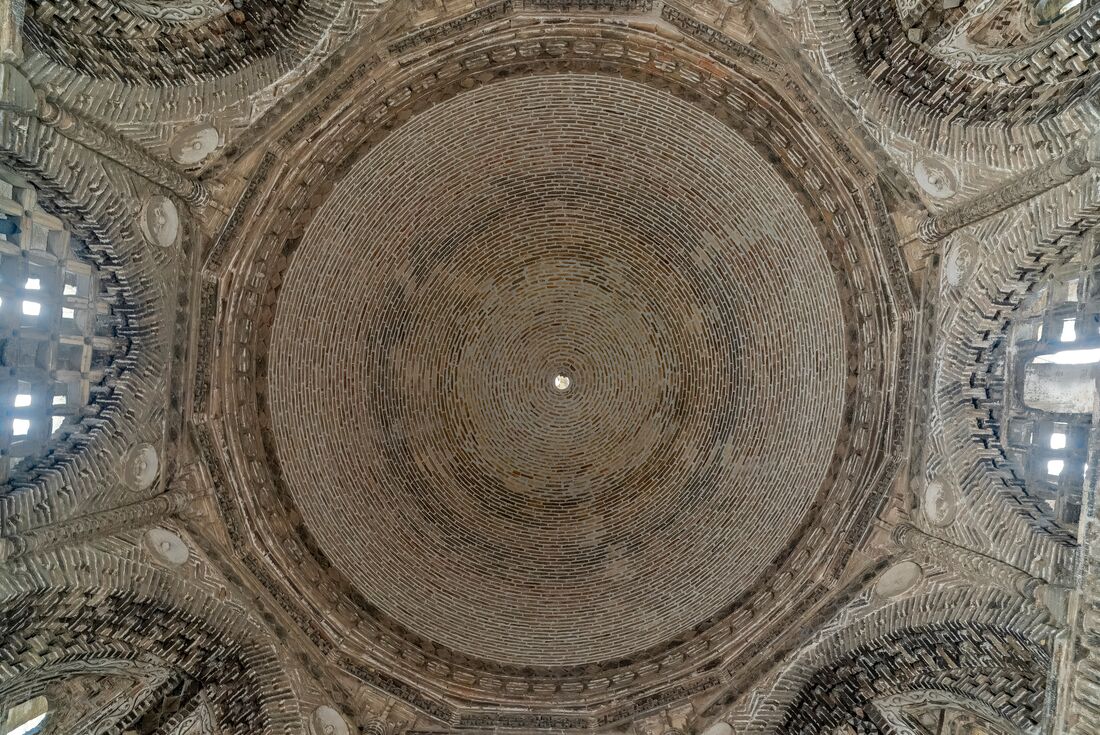
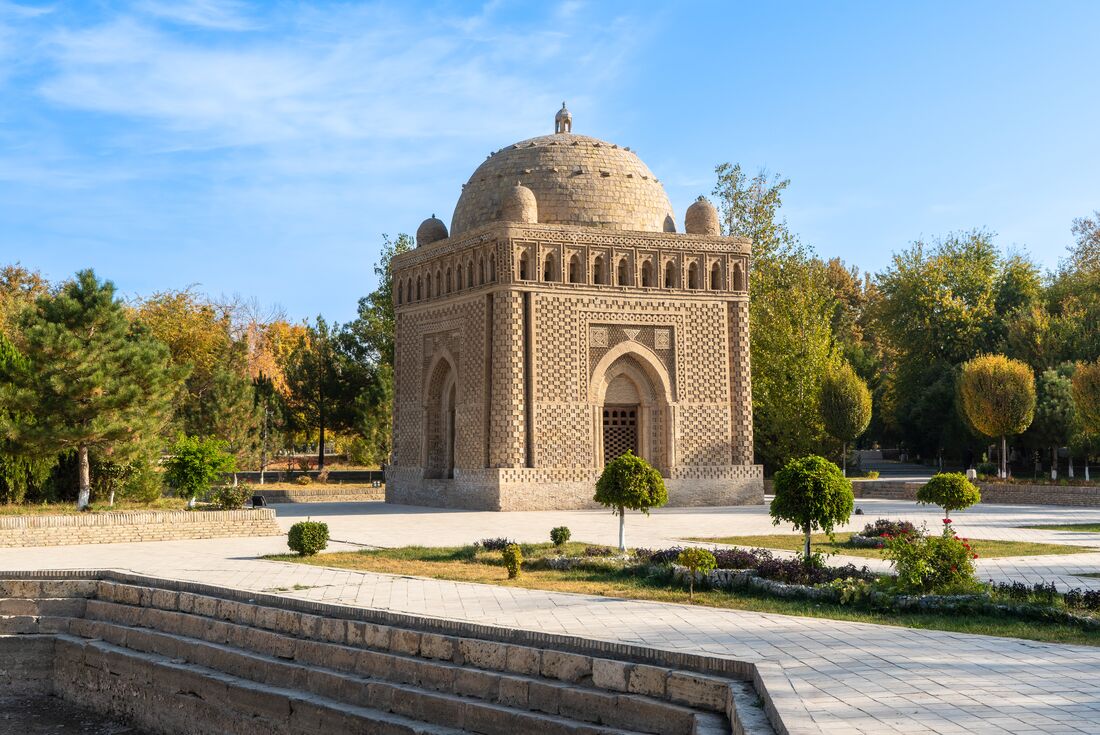
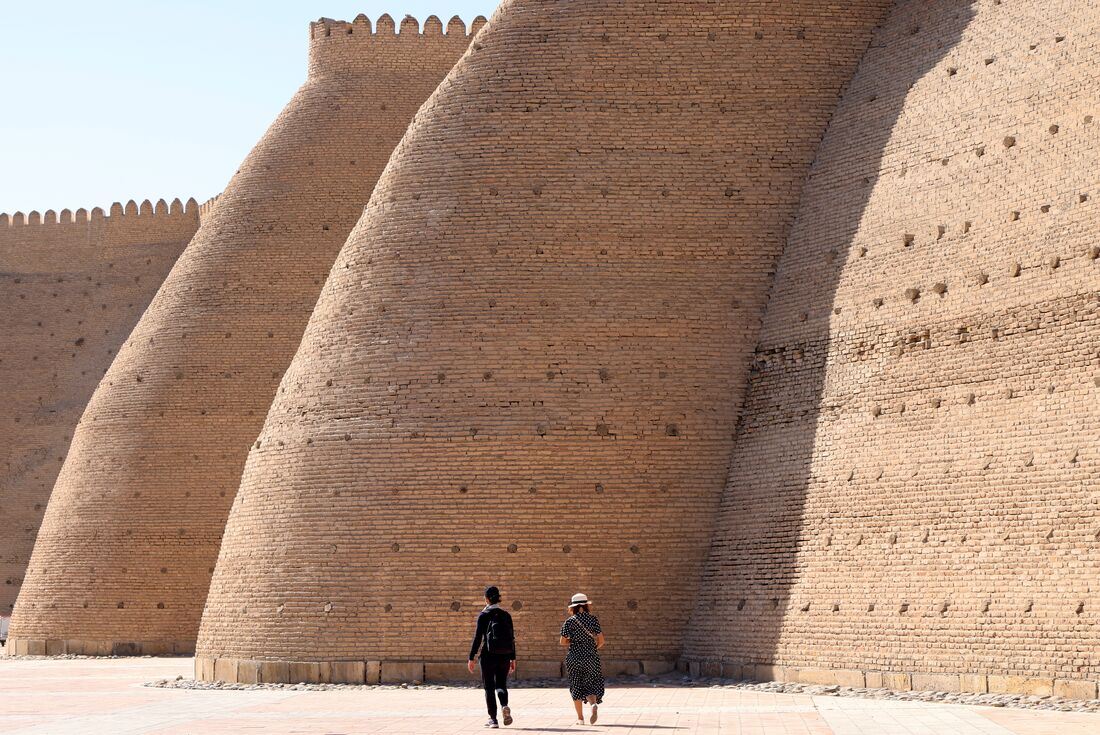
Start the day with a sightseeing tour in Bukhara. First, visit the Sitorai Mohi Hosa, once the summer residence of the last emir. Designed by Russian architects, it has interiors decorated with traditional filigree plaster, mirrored surfaces and delicate floral wall paintings by a local artisan. Then, visit the Ark Fortress – the symbol of Bukhara. Later, continue to one of Central Asia's oldest and most exquisite structures, the 10th-century Ismail Samani Mausoleum. Admire its decorative brickwork, which has survived over 1000 years of rugged history. Then, you’ll have a free afternoon to explore this ancient Silk Road town. Maybe visit Bolo-Hauz Mosque, Chor Minor, Kalon Mosque and Minaret, or Ulugbek Madrasah and Abdulaziz Khan Madrasah.
Day 13: Mary
This morning, travel across the border into Turkmenistan and continue to Mary – the huge display of wealth here is attributed to the booming cotton and gas industries. Today is a bit of a long travel day, so it's a good idea to get stuck into your book or favourite podcasts. When you arrive this afternoon, maybe wander through the lively bazaars.
Day 14: Ashgabat
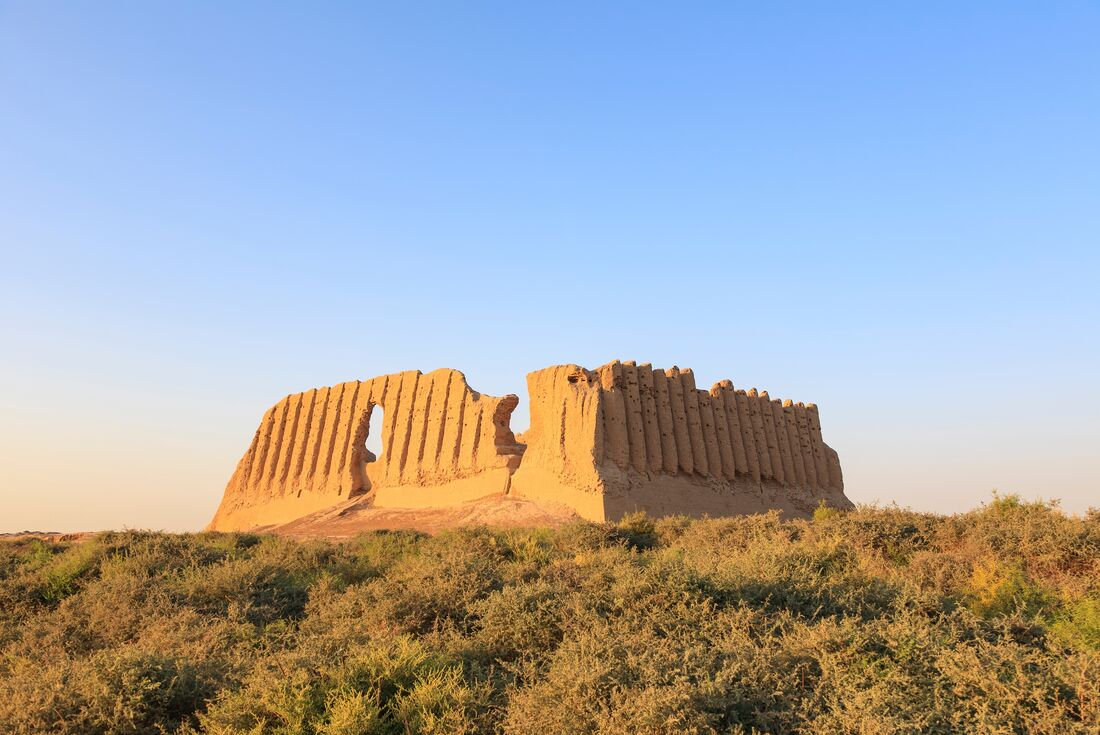
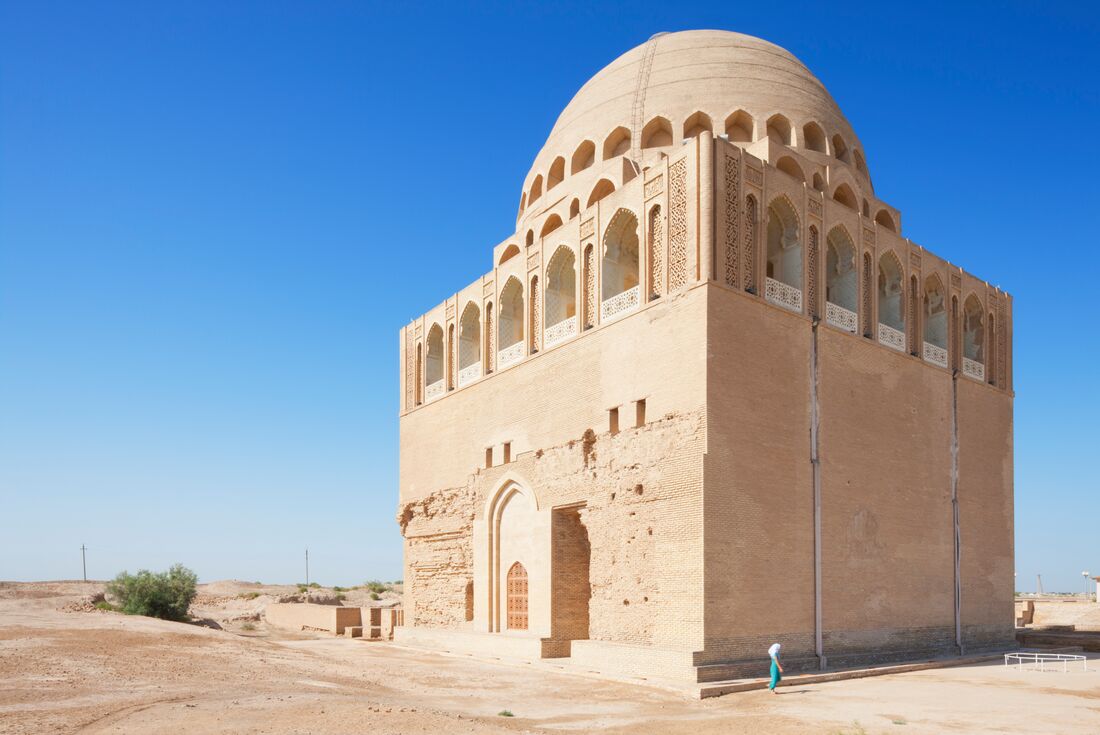
Drive out to Merv and spend some time exploring Turkmenistan's most recognised site. This sprawling UNESCO World Heritage site is home to numerous walled structures from various periods spread across a 1200-hectare area. Visit the impressive columns of the Great Kyz Kala, walk hills that were once the fortress walls of Erk Kala and learn about the history of Gyaur Kala, which dates back to 400 BC. After exploring the relics of grand empires, continue to Ashgabat for the night.
Day 15: Ashgabat
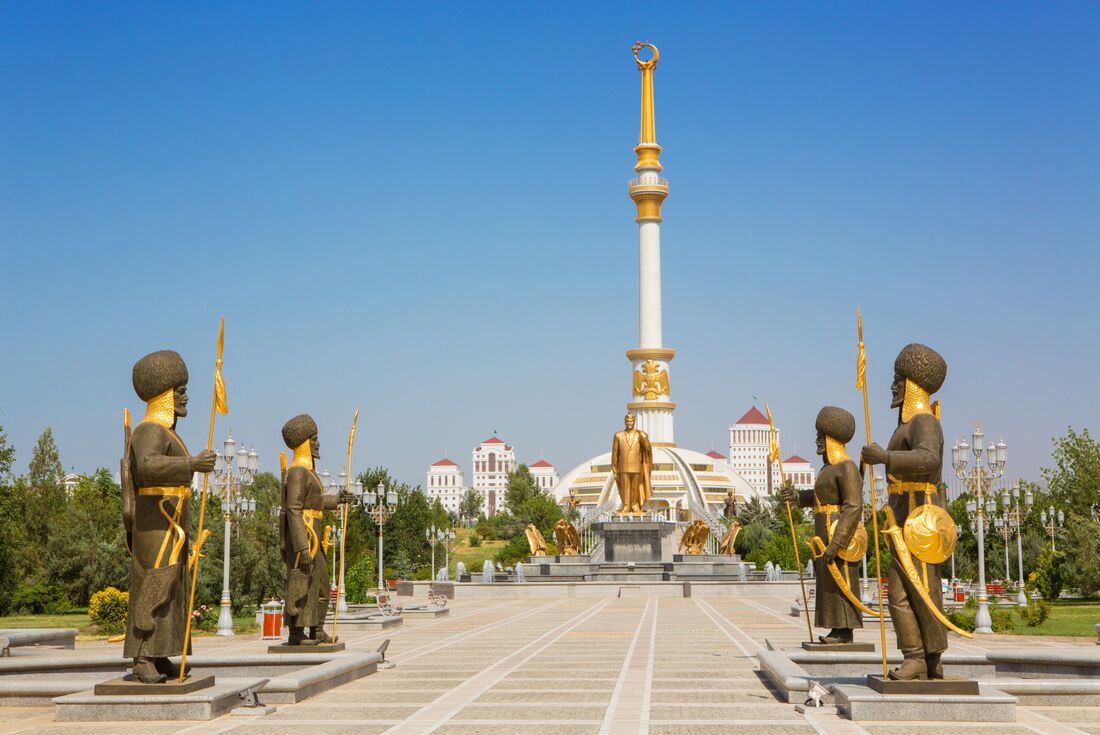
Spend today exploring this desert city on an immersive guided tour. First, visit the ancient settlement of Nisa, built in the 3rd century BC. See the Halk Hakydasy Memorial Complex, built to honour those killed in the Battle of Geok Tepe in 1881, in WWII and in the 1948 earthquake. Then, head out of town to the ruins of Anau. The crumbling remains of the 15th-century mosque still attracts the devout, who come to pray and make offerings. Wander the Russian Bazaar to see locals doing their daily shopping and maybe taste some samosas, doner kebabs or sweet melon. Browse the local Turkmen’s handmade souvenirs and maybe choose something special to bring home. This afternoon, you’ll see the four-pointed minarets of the Ertugrul Gazi Mosque and visit an Akhal-Teke horse farm to see this precious Turkmenistan treasure. You’ll then have some free time to relax and recharge before an evening visit to the monuments of Archabil Avenue, including the Neutrality Arch.
Day 16: Ashgabat
As there are no further activities planned, your trip comes to an end today. If you would like to stay longer, just speak to your booking agent ahead of time.