






Trip Type: Walking & Trekking
Starts From:
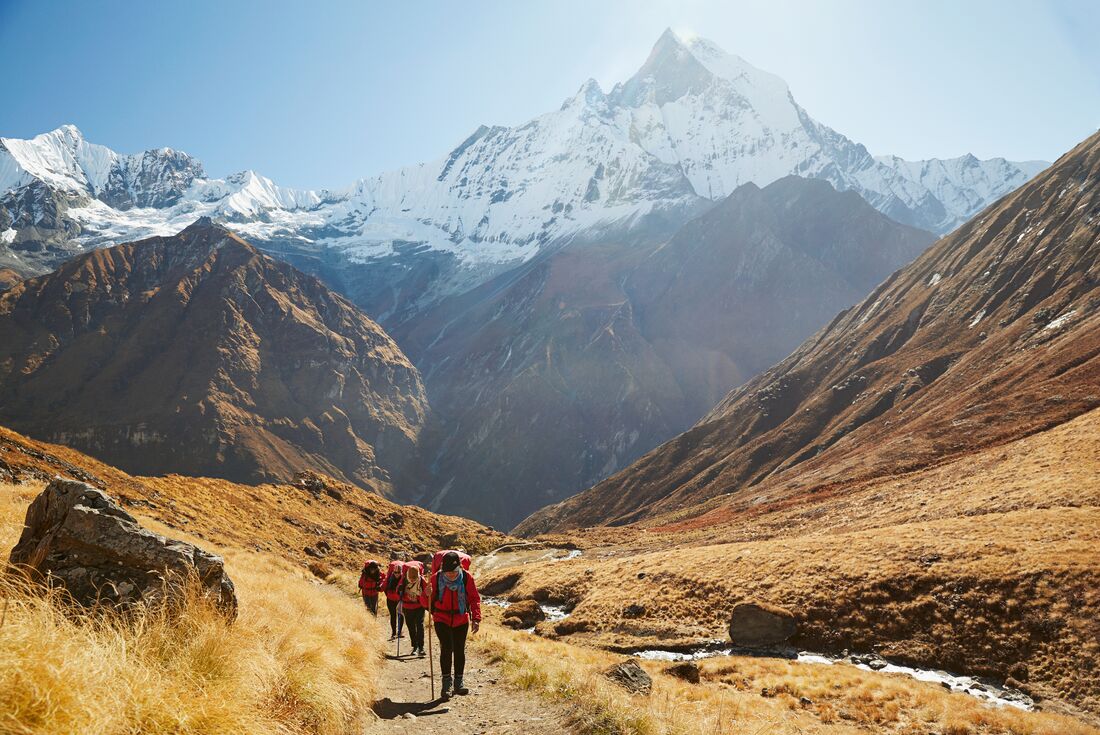
NZD $2,216.00 /PersonTrek through the incredible Annapurna region and be awed by the Nepali Himalayas on this 15-day adventure. These snow-capped peaks, mist-shrouded valleys, isolated communities and remote monasteries will inspire those with a bold spirit and a yearning for a definitive nature experience. Reach altitudes of more than 5000 m, discover the ancestral traditions of the local people and immerse yourself completely in the spectacular mountain wilderness of the Annapurna Circuit. This is a challenging trip, but the sense of accomplishment will leave even the most seasoned trekker with some unforgettable memories.
Day 3: Chamje (1430 m/4692 ft)
Day 4: Dharapani (1860 m/6102 ft)
Day 6: Pisang (3200 m/10,499 ft)
Day 7: Manang (3540 m/11,614 ft)
Day 8: Manang (3540 m/11,614 ft)
Day 9: Yak Kharka (4050 m/13,287 ft)
Day 10: Phedi (4525 m/14,846 ft)
Day 11: Muktinath (3800 m/12,467 ft)
Meals
3 breakfasts and 1 dinners are included
Transport
Private vehicle
Accomodation
Guesthouse (1 night), Hotel (3 nights), Teahouse (10 nights)
Included Activities
Departing
Finishing
Availability
08 Nov 2026
22 Nov 2026
Not Available
13 Nov 2026
27 Nov 2026
Available
15 Nov 2026
29 Nov 2026
Available
22 Nov 2026
06 Dec 2026
Available
29 Nov 2026
13 Dec 2026
Available
27 Dec 2026
10 Jan 2027
Available
10 Jan 2027
24 Jan 2027
Available
26 Jan 2027
09 Feb 2027
Available
07 Mar 2027
21 Mar 2027
Available
11 Mar 2027
25 Mar 2027
Available
14 Mar 2027
28 Mar 2027
Available
18 Mar 2027
01 Apr 2027
Available
21 Mar 2027
04 Apr 2027
Available
23 Mar 2027
06 Apr 2027
Available
25 Mar 2027
08 Apr 2027
Available
26 Mar 2027
09 Apr 2027
Available
28 Mar 2027
11 Apr 2027
Available
04 Apr 2027
18 Apr 2027
Available
06 Apr 2027
20 Apr 2027
Available
11 Apr 2027
25 Apr 2027
Available
13 Apr 2027
27 Apr 2027
Available
15 Apr 2027
29 Apr 2027
Available
18 Apr 2027
02 May 2027
Available
20 Apr 2027
04 May 2027
Available
25 Apr 2027
09 May 2027
Available
29 Apr 2027
13 May 2027
Available
04 May 2027
18 May 2027
Available
08 May 2027
22 May 2027
Available
16 May 2027
30 May 2027
Available
05 Sep 2027
19 Sep 2027
Available
12 Sep 2027
26 Sep 2027
Available
14 Sep 2027
28 Sep 2027
Available
19 Sep 2027
03 Oct 2027
Available
21 Sep 2027
05 Oct 2027
Available
23 Sep 2027
07 Oct 2027
Available
28 Sep 2027
12 Oct 2027
Available
01 Oct 2027
15 Oct 2027
Available
03 Oct 2027
17 Oct 2027
Available
05 Oct 2027
19 Oct 2027
Available
08 Oct 2027
22 Oct 2027
Available
10 Oct 2027
24 Oct 2027
Available
12 Oct 2027
26 Oct 2027
Available
17 Oct 2027
31 Oct 2027
Available
19 Oct 2027
02 Nov 2027
Available
22 Oct 2027
05 Nov 2027
Available
24 Oct 2027
07 Nov 2027
Available
26 Oct 2027
09 Nov 2027
Available
29 Oct 2027
12 Nov 2027
Available
30 Oct 2027
13 Nov 2027
Available
05 Nov 2027
19 Nov 2027
Available
09 Nov 2027
23 Nov 2027
Available
12 Nov 2027
26 Nov 2027
Available
14 Nov 2027
28 Nov 2027
Available
16 Nov 2027
30 Nov 2027
Available
19 Nov 2027
03 Dec 2027
Available
21 Nov 2027
05 Dec 2027
Available
26 Nov 2027
10 Dec 2027
Available
28 Nov 2027
12 Dec 2027
Available
12 Dec 2027
26 Dec 2027
Available
26 Dec 2027
09 Jan 2028
Available
09 Jan 2028
23 Jan 2028
Available
25 Jan 2028
08 Feb 2028
Available
13 Feb 2028
27 Feb 2028
Available
05 Mar 2028
19 Mar 2028
Available
09 Mar 2028
23 Mar 2028
Available
12 Mar 2028
26 Mar 2028
Available
16 Mar 2028
30 Mar 2028
Available
19 Mar 2028
02 Apr 2028
Available
21 Mar 2028
04 Apr 2028
Available
23 Mar 2028
06 Apr 2028
Available
26 Mar 2028
09 Apr 2028
Available
30 Mar 2028
13 Apr 2028
Available
02 Apr 2028
16 Apr 2028
Available
04 Apr 2028
18 Apr 2028
Available
09 Apr 2028
23 Apr 2028
Available
11 Apr 2028
25 Apr 2028
Available
13 Apr 2028
27 Apr 2028
Available
16 Apr 2028
30 Apr 2028
Available
18 Apr 2028
02 May 2028
Available
23 Apr 2028
07 May 2028
Available
25 Apr 2028
09 May 2028
Available
27 Apr 2028
11 May 2028
Available
02 May 2028
16 May 2028
Available
06 May 2028
20 May 2028
Available
09 May 2028
23 May 2028
Available
14 May 2028
28 May 2028
Available
03 Sep 2028
17 Sep 2028
Available
10 Sep 2028
24 Sep 2028
Available
12 Sep 2028
26 Sep 2028
Available
17 Sep 2028
01 Oct 2028
Available
19 Sep 2028
03 Oct 2028
Available
21 Sep 2028
05 Oct 2028
Available
26 Sep 2028
10 Oct 2028
Available
29 Sep 2028
13 Oct 2028
Available
01 Oct 2028
15 Oct 2028
Available
03 Oct 2028
17 Oct 2028
Available
06 Oct 2028
20 Oct 2028
Available
08 Oct 2028
22 Oct 2028
Available
10 Oct 2028
24 Oct 2028
Available
12 Oct 2028
26 Oct 2028
Available
15 Oct 2028
29 Oct 2028
Available
17 Oct 2028
31 Oct 2028
Available
20 Oct 2028
03 Nov 2028
Available
22 Oct 2028
05 Nov 2028
Available
24 Oct 2028
07 Nov 2028
Available
26 Oct 2028
09 Nov 2028
Available
27 Oct 2028
10 Nov 2028
Available
28 Oct 2028
11 Nov 2028
Available
02 Nov 2028
16 Nov 2028
Available
03 Nov 2028
17 Nov 2028
Available
07 Nov 2028
21 Nov 2028
Available
10 Nov 2028
24 Nov 2028
Available
12 Nov 2028
26 Nov 2028
Available
14 Nov 2028
28 Nov 2028
Available
17 Nov 2028
01 Dec 2028
Available
19 Nov 2028
03 Dec 2028
Available
24 Nov 2028
08 Dec 2028
Available
26 Nov 2028
10 Dec 2028
Available

Destination Details
Ready To See The World? You’ve Come To The Right Place.