Day 1: La Paz
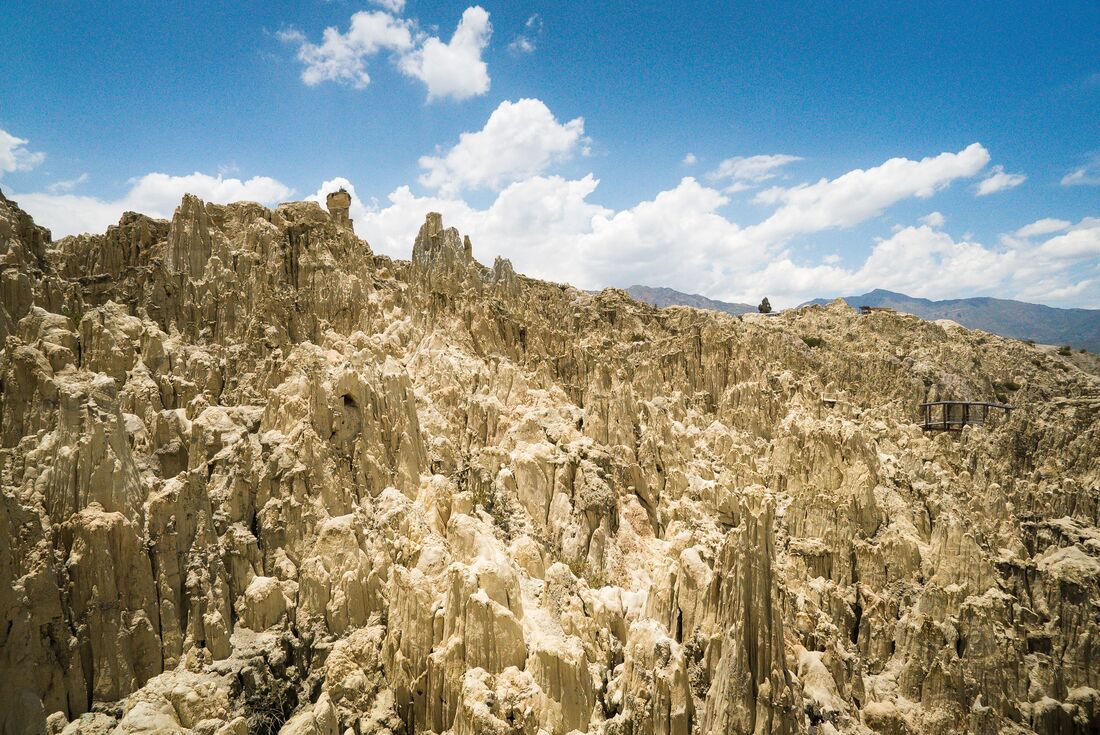
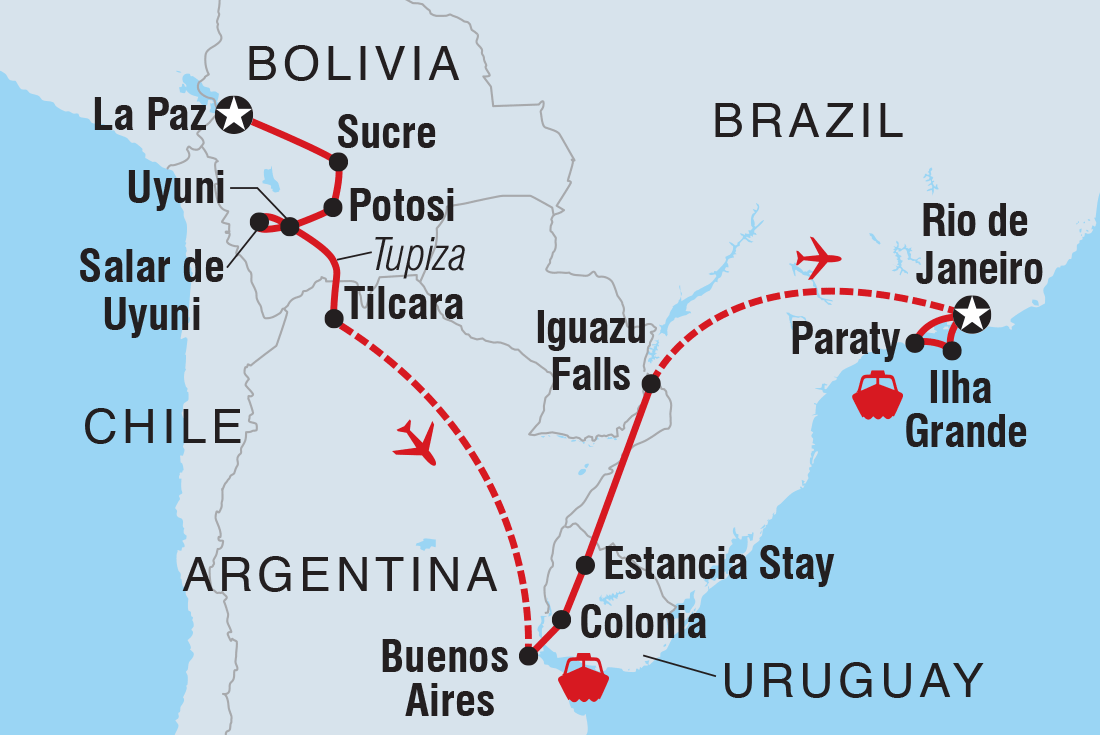
Bienvenidos! Welcome to Bolivia! Your trip begins with a welcome meeting at 6 pm. If you arrive early, why not explore the streets of La Paz or check out the Witches Market? Though we can’t guarantee the potions, incantations and voodoo dolls will work their magic, the experience is fascinating, and the locals will be happy to tell you about their significance. Alternatively, you could hop on a local bus to Moon Valley – this maze of canyons and clay spires make for some impressive views. After your welcome meeting, you might like to head out with your new travel buddies and get to know each other over dinner.
Day 2: La Paz
You’re free to discover La Paz at your own pace today. Perhaps visit the Museo de la Coca, which isn’t too far from your hotel. This unusual museum delves into the history of the coca plant that grows in the region. You may also like to check out the local cuisine in La Paz on a food tour – taste fish fresh from Lake Titicaca as well as a variety of intense flavours on a chocolate stop. Just ask your leader about your options. Late in the afternoon, leave La Paz on an overnight bus to Sucre.
Day 3: Sucre
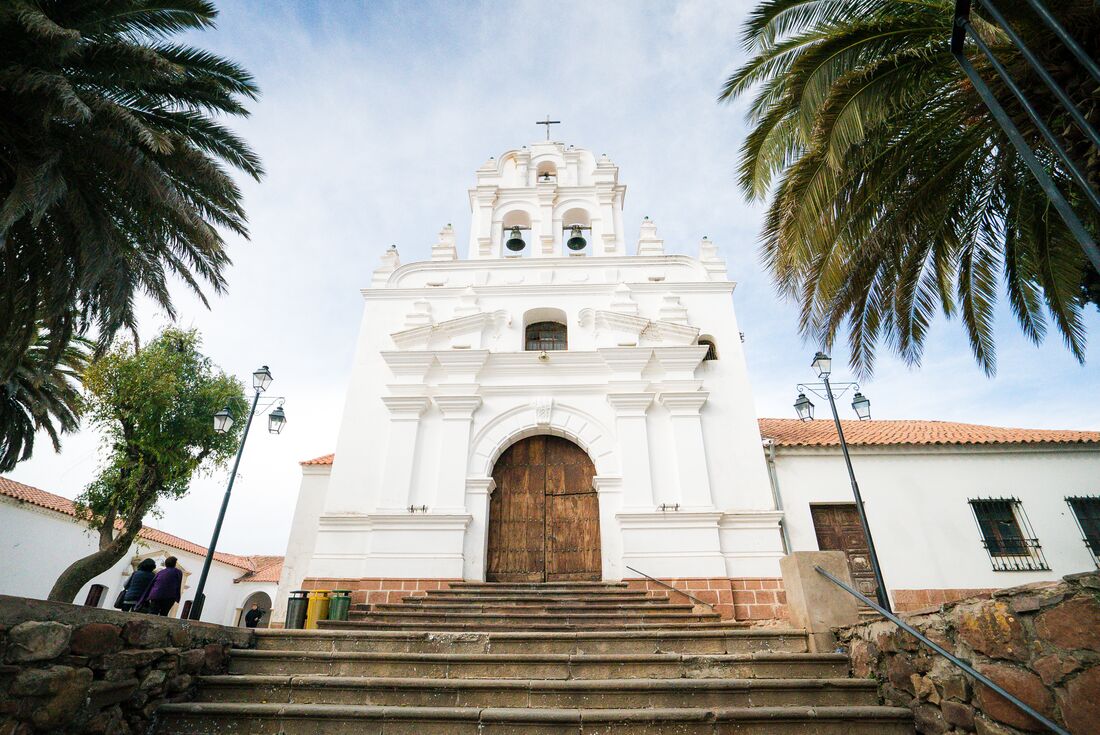
When you arrive in Sucre, drop off your luggage at the hotel and enjoy free time in Bolivia’s World Heritage-listed capital. The city sits in a mountainous valley and is a hub of Indigenous cultures and Spanish influences, as you can see in its architecture and local markets. You might like to visit the Museo de la Recoleta – a 400-year-old convent home to a fascinating collection of sculptures and paintings – and a great spot to take in views over the city. If you have time, you could also head to the Plaza 25 de Mayo to rub shoulders with Sucre’s affluent residents and check out the extravagant interior of the Senora de la Merced.
Day 4: Sucre
Enjoy another free day in Sucre today. Wander the streets lined with centuries-old houses and medieval churches. Or, for something more active, hike along the pre-Inca path known as the Chataquila trek – a mostly downhill route that offers stunning views of the surrounding Andes. For something completely different, discover a prehistoric landscape and compare shoe sizes with a dinosaur at Cal Orcko – the world’s largest collection of dinosaur footprints, with evidence suggesting they’re 68 million years old. There’s also a great food scene in Sucre, so enjoy some delicious empanadas at a restaurant or a fresh juice at the Central Market.
Day 5: Potosi
This morning, take a local bus to the mining town of Potosi – once the wealthiest city in the Americas, thanks to its location at the base of silver ore-rich Cerro Rico (Rich Hill). The discovery and extraction of the silver led to a financial boom for the Spanish empire, though the city’s riches quickly diminished and its citizens slipped into poverty once the silver dried up.
Day 6: Potosi
Today is yours to explore Potosi at your leisure. If you’d like to learn more about the mines you visited yesterday, consider a tour that discusses the brief history of Cerro Rico. Another place of interest – the Santa Teresa Convent Museum. The convent was founded in 1685 and still houses a small community of Carmelite nuns. You can observe art and treasures inside the convent’s original walls, including a Madonna by Castilian sculptor Alonso Cano.
Day 7: Uyuni
Leave Potosi behind and travel to the city of Uyuni. This remote town sits on the edge of the high Altiplano – a wilderness area extending for hundreds of kilometres towards the border with Argentina and Chile. Apart from being a gateway to the Salt Flats, Uyuni also happens to sit above one of the world’s largest lithium reserves. While it won’t help you if you’ve arrived with a flat battery, Uyuni’s lithium, once extracted, could potentially power the planet’s smart phones and electric cars for the next century. Enjoy free time when you arrive – perhaps take the opportunity to rest up before you kick off your exciting excursion to Salar de Uyuni tomorrow. Tonight’s hotel is fairly basic, but it’s clean and comfortable and has hot water. As you’ll be heading out into the desert over the next few days with limited amenities, make the most of the facilities.
Day 8: Salar de Uyuni
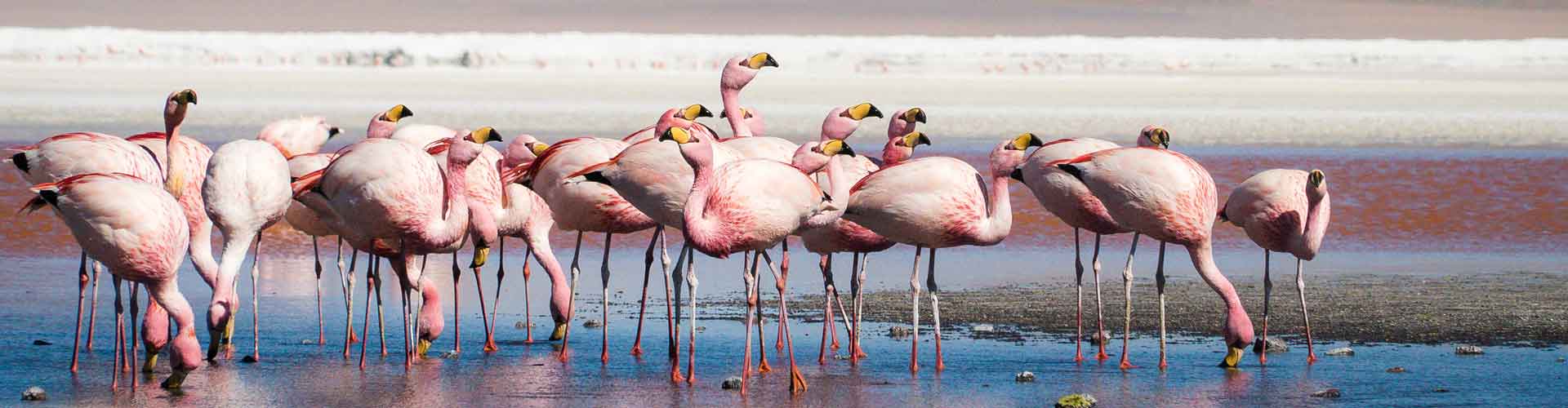
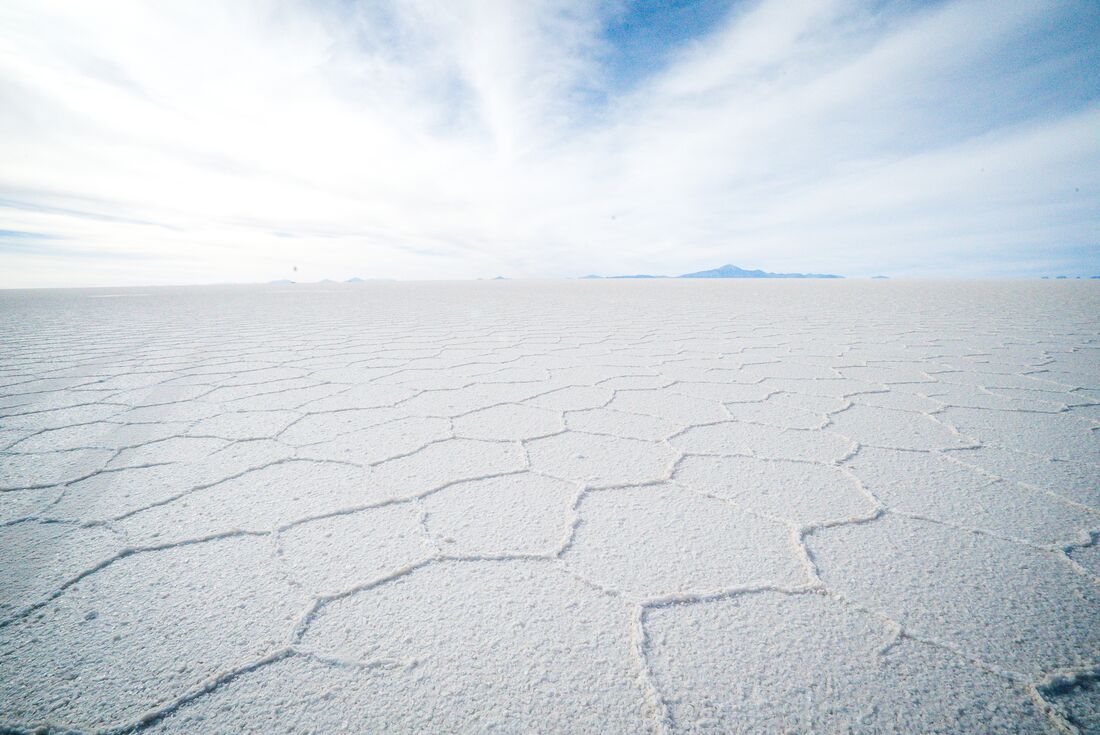
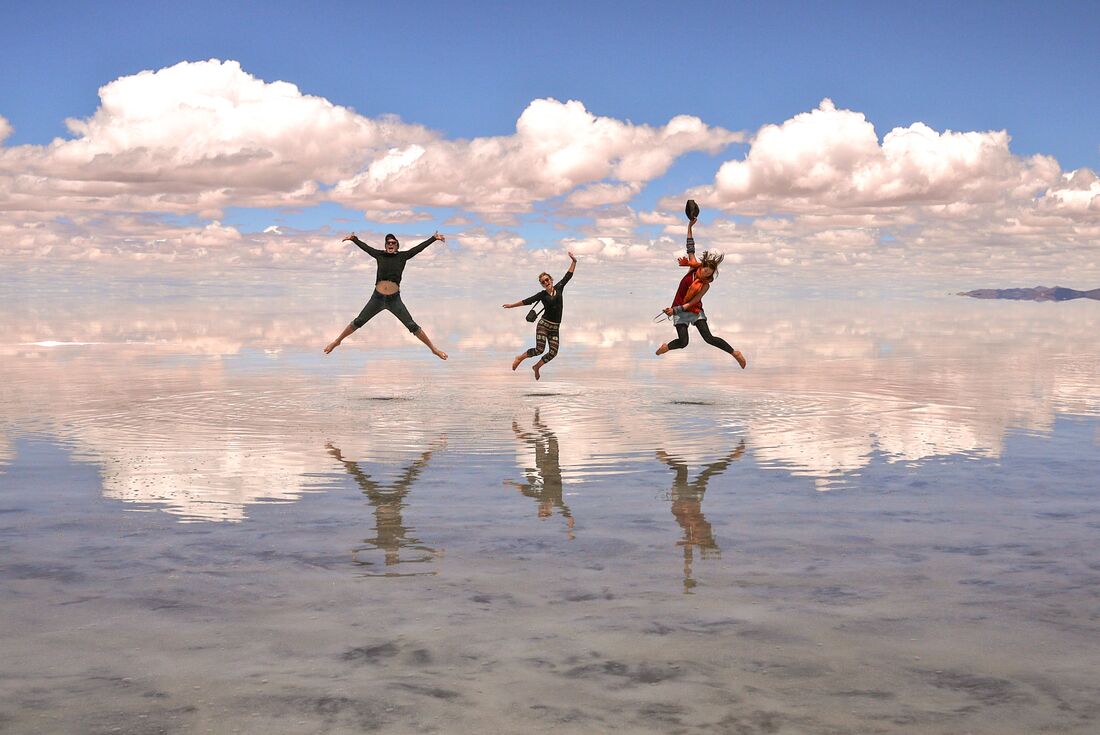
Depart Uyuni this morning and venture out on a three-day 4WD excursion – be prepared for a busy few days ahead. The first stop will be Cementerio de Trenes (the Train Cemetery) for an eerie look at abandoned locomotives that have been engulfed by the desert. Then continue to the highlight of Bolivia, Salar de Uyuni – the world’s largest salt flats. This vast desert-like landscape of blinding white salt and cactus-studded islands is the remains of a dried-up prehistoric lake. The desolate and dehydrated eco-system hosts very little wildlife, though it is home to loads of flamingos. Make the most of your time on the salt flats, pose for some snaps and explore Inca Wasi – an island covered in cacti and coral-like structures.
Day 9: Salar de Uyuni
After breakfast, hit the road through the incredible wilderness of the Andean Desert. Pass by Chiguana Salt Lake, the active Ollague Volcano and other small lakes of various colours – perhaps with a streak of pink if flamingos are nearby. Continue to the Siloli Desert – known for its seven-coloured mountain and Arbol de Piedra (Stone Tree) rock formation. You’ll also visit an Andean wildlife reserve (Reserva de Eduardo Avaroa) and hike around the Laguna Colorada (Red Lake) – keep an eye out for llamas, vicunas and foxes along the way. After a big day, head to your accommodation in a local community (either Huayllajara or Polques) for a well-earned rest and an included dinner.
Day 10: Uyuni
Rise early today to try to catch the sunrise over the surrounding geysers. These bubbling fumaroles are especially active in the morning, thanks to the cold air. There may also be an opportunity to visit a hot spring for an optional morning dip. After, drive through more barren landscapes – some of which are frequently compared to Salvador Dali’s paintings – to the strikingly green Laguna Verde, Valle de Rocas (Rock Valley) and the San Cristobal mining town. You’ll return to Uyuni around 5 pm to spend the night at your leisure. After a few days in the desert, you may want to check out a local restaurant with your group for an optional dinner and drinks.
Day 11: Tilcara
Prepare for a long travel day as you cross the border into Argentina. Set off at 6 am from Uyuni town to La Quiaca. Arrive around 1.30 pm, then cross into Argentina on foot before jumping in a taxi to the bus station. You’ll have a chance to stop briefly for lunch before the next bus to Tilcara, arriving at approximately 6 pm. The rest of the evening is free, but if you’re not too exhausted from the journey, perhaps head out for dinner – your group leader will be able to point you in the right direction for a feed.
Day 12: Tilcara
Today is a free day to explore this dusty town. Located in the mountain valley of Quebrada de Humahuaca, Tilcara is one of the oldest continuously inhabited places in Argentina with an Indigenous culture dating back more than 10,000 years – and the influx of tourists hasn’t stopped the age-old customs and rituals from flourishing. You might like to check out the pre-Inca ruins at Pucara de Tilcara, or venture out of town and check out the colourful hills of Purmamarca. If you’re keen for an authentic lunch, visit the vibrant local market, Mercado Municipal de Tilcara, to try some local street food favourites like empanadas. Your leader can provide suggestions and help you make the best of your time here.
Day 13: Buenos Aires
Enjoy a relaxed morning in Tilcara before taking a transfer to Jujuy for an evening flight to Buenos Aires. You’ll spend the next day exploring this city’s fiery Latin passion, European architecture and superb cuisine.
Day 14: Buenos Aires
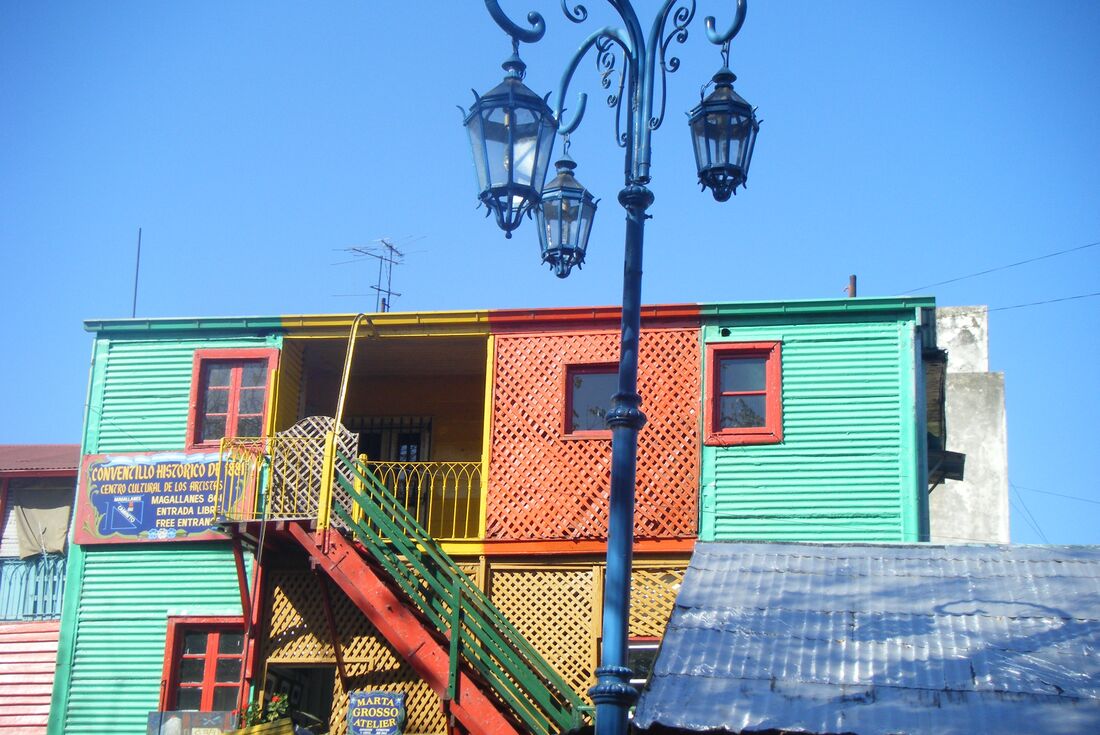
This morning, set out on an orientation walk with your trip leader around the centre of Buenos Aires. The afternoon is then free to choose your own adventure – maybe nibble on alfajores, wander San Telmo’s cobblestone streets, talk football with Portenos (people from Buenos Aires) in a cafe or get a history lesson at the Museo Evita. You might also like to walk among the tombs of La Recoleta Cemetery – the final resting place of Eva Peron – or check out the museums in the Recoleta district. Perhaps visit La Boca – home to the colourful Caminito artists’ street and world-renowned soccer team, the Boca Juniors. In the evening, be sure to check out Palermo’s Plaza Serrano for tango with the locals. There are so many things to see and do in Buenos Aires, it’s simply a matter of trying to fit it all in!
Day 15: Buenos Aires
After a free morning at leisure, you'll head out this afternoon on an orientation walk around Buenos Aires’ Microcentro district. Pass by historic buildings along the Avenida de Mayo, including the Casa Rosada (Argentina's government house) and perhaps have a coffee in the traditional Cafe Tortoni. Stroll around the picturesque streets of San Telmo and its antique markets. You'll have another welcome meeting at 6 pm tonight to prepare for the rest of your adventure.
Day 16: Buenos Aires
This morning begins with an orientation walk around Buenos Aires’ Microcentro district Pass by historic buildings along the Avenida de Mayo, including the Casa Rosada (Argentina’s government house), explore antiques markets in the picturesque San Telmo area and perhaps have a coffee in the famous Cafe Tortoni. This afternoon is yours to explore Buenos Aires. Perhaps you’ll kick things off in La Boca, where you can visit iconic Caminito Street, which gives the neighbourhood its distinctive spirit. Then maybe continue towards Retiro and Recoleta, famously known as the ‘Paris of South America’ for their opulent architecture, grand palaces and tree-lined boulevards. La Recoleta Cemetery is worth a stop for its ornate mausoleums – Eva Peron’s grave is located here. This evening, maybe head to a tango show for your new travel pals.
Day 17: Colonia Del Sacramento
Today, jump on a ferry to cross the Rio de la Plata (River Plate) to Colonia del Sacramento in Uruguay. When you arrive, enjoy some time on your own to get acquainted with one of the country’s oldest cities. The World Heritage-listed Barrio Historico (Old Quarter) is a great place to start. Listen to the noisy parakeets in the Plaza Mayor or comb Colonia’s small museums. For great views, climb to the top of the city’s 19th-century lighthouse – still in operation today.
Day 18: Estancia Stay
Today make your way by public transport to an estancia near Tacuarembo where you’ll meet your hosts – they’ll take great care of you for the next couple of days. Tonight, enjoy the warm hospitality and the rural setting rich in history, culture and gaucho traditions.
Day 19: Estancia Stay
Spend the day taking in the gorgeous views across the estancia. You can head out on a horse ride to explore your surroundings or help your host with the roundup of the cows and sheep. The digs aren’t fancy, but the surroundings and hospitality are something special. Eat homecooked meals, including a traditional asado (barbecue), enjoy music around the campfire and maybe saddle up for a horse ride in true gaucho style.
Day 20: Overnight Bus - Iguazu Falls
After breakfast, bid farewell to your hosts and travel to the Uruguay-Argentinian border. Cross the border to Argentina, then prepare for an overnight public bus ride to Puerto Iguazu – the gateway to Iguazu Falls. There’ll be a chance to grab a light dinner and some snacks before the journey.
Day 21: Iguazu Falls (Brazilian Side)
When you arrive at Puerto Iguazu bus station this morning, jump in a minivan across the border into Brazil and head straight to the national park. Now, you can stretch your legs and take in the mighty Iguazu Falls! After admiring this force of nature, head to your hotel in Foz do Iguacu, where you have free time for the rest of the day.
Day 22: Iguazu Falls (Argentinian Side)
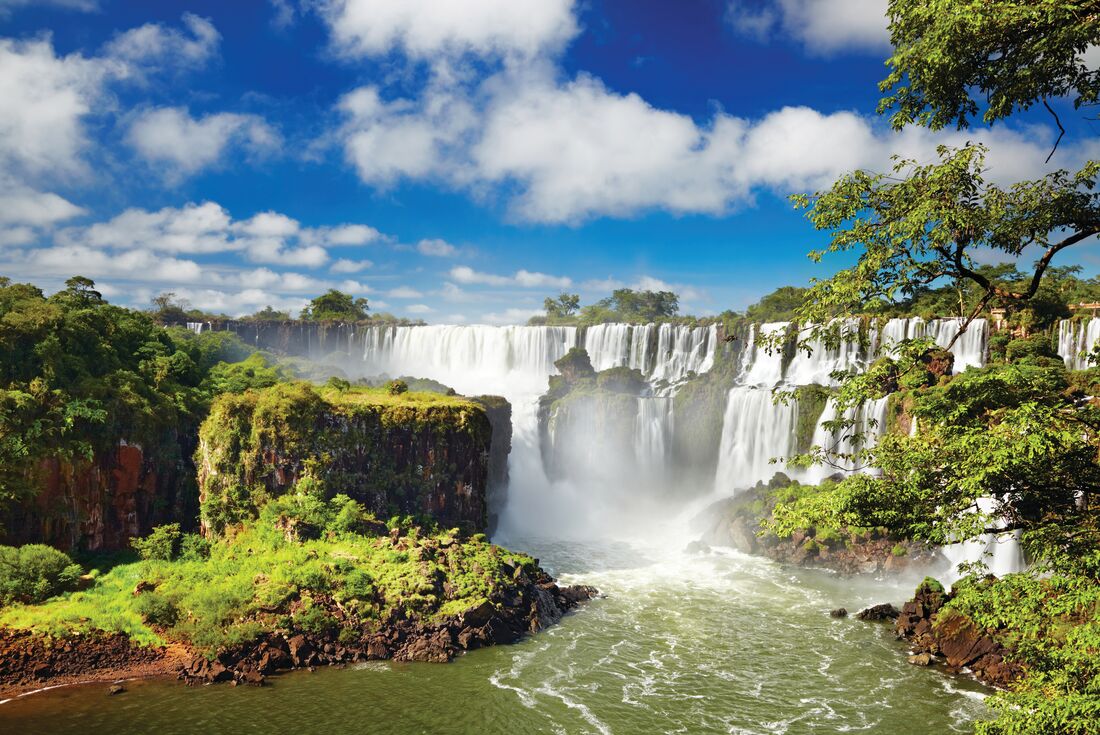
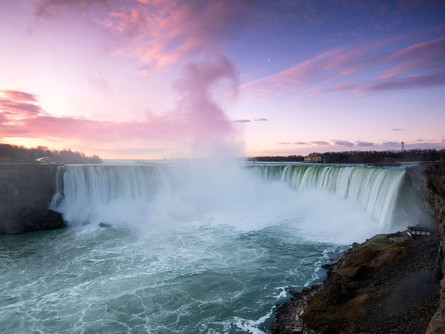
Return to Argentina today to see Iguazu Falls from a different angle. Following a series of boardwalks, it’s possible to get so close to the thundering waters that you can almost touch them. At over 2 km (1.2 mi) long, Iguazu Falls are made up of over 270 separate cascades, with some reaching up to 80 m (262.4 ft) in height. For a more exhilarating experience, why not take an optional Zodiac boat ride to the base of the falls? After, head back to your hotel to relax.
Day 23: Rio de Janeiro
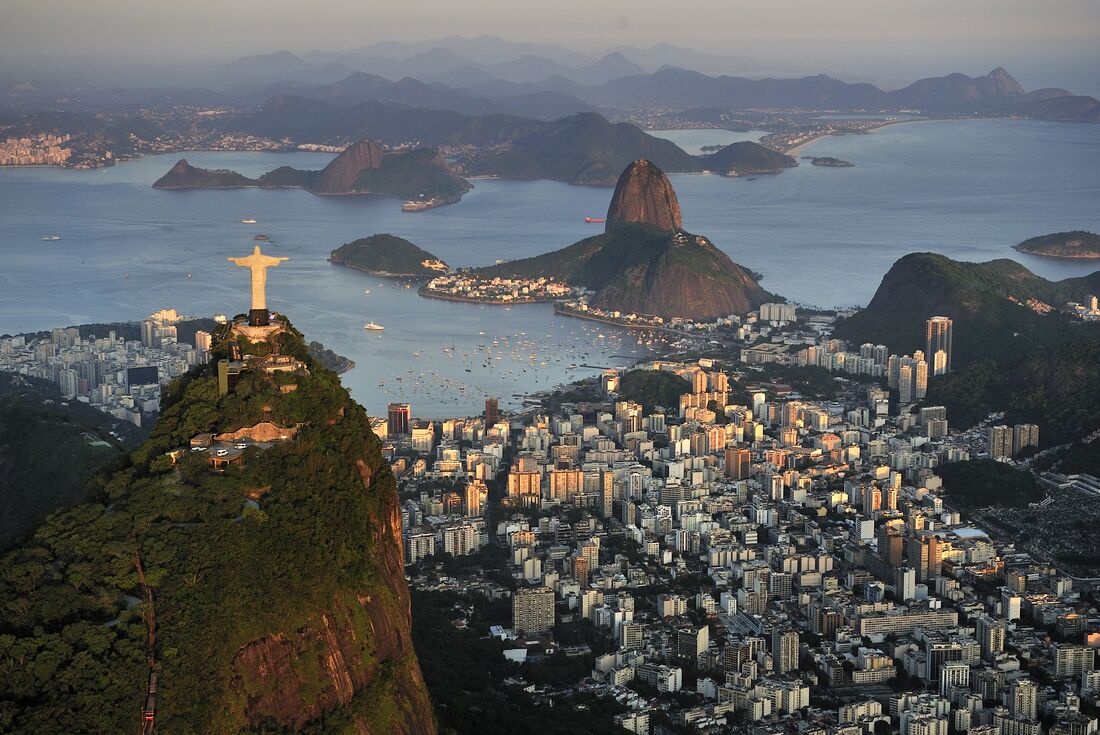
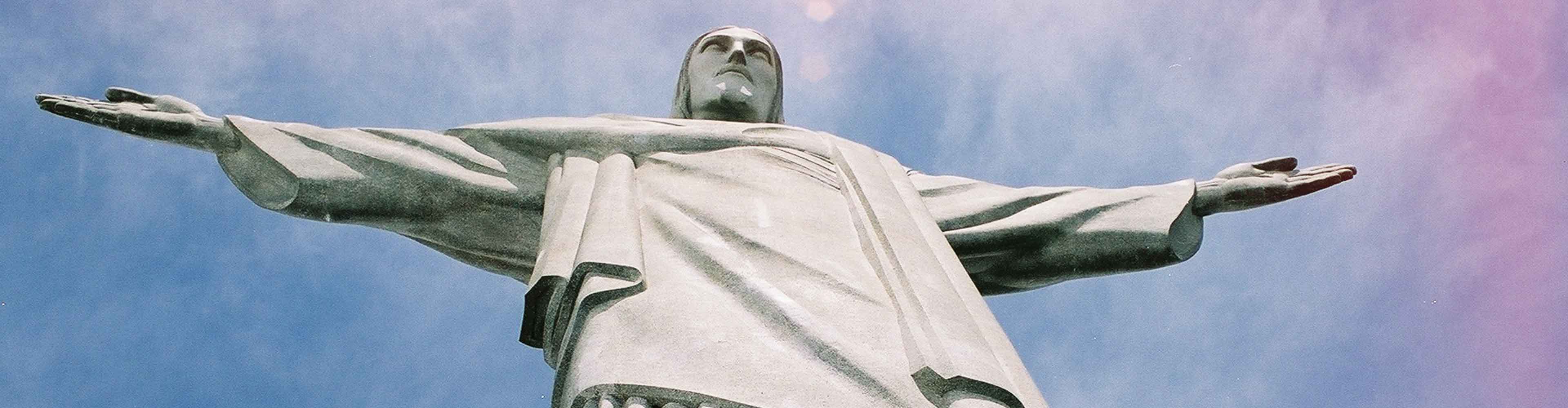
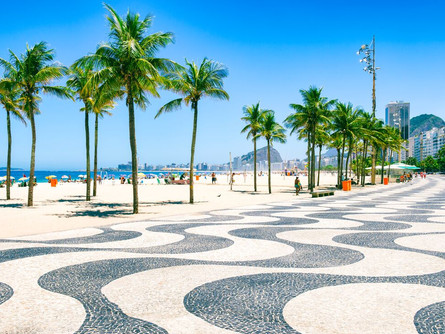
Today you’ll take a flight to Rio de Janeiro. Settle into your hotel room, then head out with your leader for an orientation walk. The remainder of the day is free to explore at your own pace. Maybe head to Copacabana or Ipanema Beach or, if the time of year is right, check out a football game at the famous Maracana Stadium. You could also take the tramcar up to the artistic hillside neighbourhood of Santa Teresa, or head up Corcovado Mountain for sweeping views over Rio from the foot of the Christ the Redeemer statue – one of the New Seven Wonders of the World.
Day 24: Rio de Janeiro
Bem-vindo! Welcome to Brazil. Your experience begins at 1 pm today with an optional leader-led orientation walk around Rio. In the evening, there will be an important meeting at 6 pm where you’ll talk through the details of your Brazilian adventure. Rio locals like to say that 'God made the world in six days, the seventh he devoted to Rio'. In this heaving metropolis, set against Guanabara Bay and surrounded by the slopes of Sugarloaf and Corcovado, it's hard not to be caught up in the passion of the city's residents, known as Cariocas. Known for both the glitz and glamour of Carnaval and the contrasting image of the favelas, Rio is a fascinating and diverse centre of all things colour. Tonight, after your briefing, why not keep the introductions going with an optional welcome dinner with your group.
Day 25: Paraty
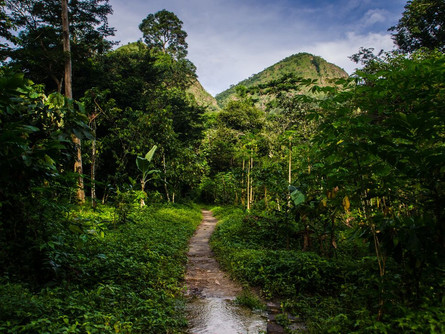
This morning, travel from Rio to Paraty (approximately 4 .5 hours via public bus). The remainder of today and rest of tomorrow are yours to explore Paraty. Admire the architecture as you wander along the town’s cobbled, pedestrian-only streets, which become partly covered in seawater at high tide. You might prefer to explore the rainforest trails in the surrounding national park, which is rich in wildlife and waterfalls. Otherwise, a boat trip on the island-studded bay for scenic views along the coast could be on the cards, or join an excursion to the nearby village of Trindade, which boasts some of Brazil’s best beaches. The best thing is you get to decide.
Day 26: Paraty
Day 27: Ilha Grande
Today, jump on a shared transfer to Angra followed by a ferry to the island getaway of Ilha Grande, taking approximately 5 hours, in total. This paradise of pristine beaches and rainforest has been largely untouched by development. Previously a pirate's lair, a quarantine hospital and a prison for violent criminals, the island has a fascinating history to uncover. The ruins of the prison can still be seen today. Once you’ve arrived and got your bearings, perhaps head to dinner, your leader will have some great recommendations.
Day 28: Ilha Grande
Rise and shine in paradise, ready to enjoy two full free days exploring Ilha Grande. Wander along rainforest trails to beautiful and remote beaches – Lopes Mendes and Aventureiro Beach are two of the best. You could book yourself in on an optional boat trip out to the Blue Lagoon, beach-hopping through Ilha Grande Bay along the way. There are plenty of opportunities to stop for fresh seafood, and to swim and snorkel in the clear water. Or just plonk yourself on the beach with a good book and laze the day away. In the evening, why not meet up with some of your travel pals and relax with a caipirinha at a restaurant or bar in Vila do Abraao – the island’s main town.
Day 29: Ilha Grande
Day 30: Rio de Janeiro
Bid farewell to this slice of heaven as you board a boat to the small port of Mangaratiba today, and from here, take a minivan back to Rio de Janeiro. The total journey should take about 3.5 hours, so you should be back in Rio in the early to mid-afternoon. The rest of the day is free to explore the city or simply hit up Copacabana and relax. Tonight, get together with your travel crew for a night of food, drinks and some samba – speak to your local leader who’ll have some great recommendations for what to do tonight.
Day 31: Rio de Janeiro
With no activities planned for today, you are free to leave the accommodation at any time, provided you comply with the hotel’s internal check-out policies. That doesn’t mean your adventure has to come to an end! If you would like to continue soaking up the sun in Rio, we’ll be happy to book additional accommodation (subject to availability).