
Day 1: La Paz
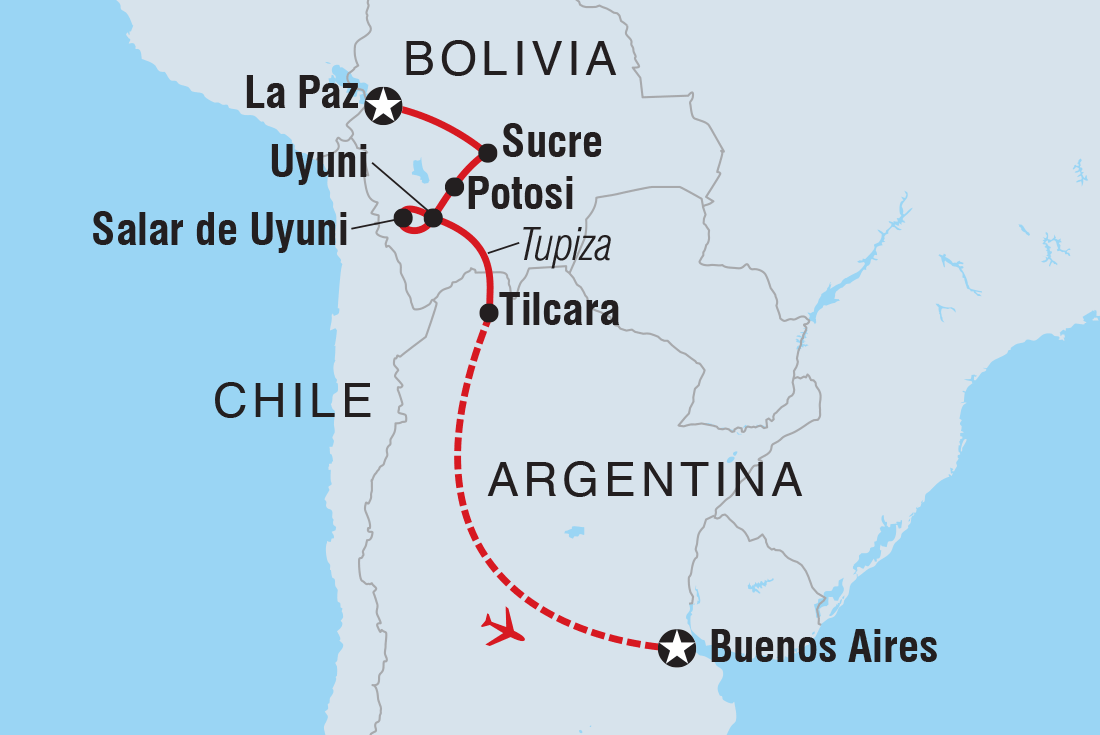
Bienvenidos! Welcome to Bolivia. Your trip begins with a welcome meeting at 6 pm. If you arrive early, why not explore the streets of La Paz or check out the Witches Market? Though we can’t guarantee the potions, incantations and voodoo dolls will work their magic, the experience is fascinating, and the locals will be happy to tell you about their significance. Alternatively, you could hop on a local bus to Moon Valley – this maze of canyons and clay spires make for some impressive views. After your welcome meeting, you might like to head out with your new travel buddies and get to know each other over dinner.
Day 2: La Paz
You’re free to discover La Paz at your own pace today. Perhaps visit the Museo de la Coca, which isn’t too far from your hotel. This unusual museum delves into the history of the coca plant that grows in the region. You may also like to check out the local cuisine in La Paz on a food tour – taste fish fresh from Lake Titicaca as well as a variety of intense flavours on a chocolate stop. Just ask your leader about your options. Late in the afternoon, leave La Paz on an overnight bus to Sucre.
Day 3: Sucre
When you arrive in Sucre, drop off your luggage at the hotel and enjoy free time in Bolivia’s World Heritage-listed capital. The city sits in a mountainous valley and is a hub of Indigenous cultures and Spanish influences, as you can see in its colonial architecture and local markets. You might like to visit the Museo de la Recoleta – a 400-year-old convent home to a fascinating collection of sculptures and paintings and also a great spot to take in views over the city. If you have time, you could also head to the Plaza 25 de Mayo to rub shoulders with Sucre's affluent residents and check out the extravagant interior of the Senora de la Merced.
Day 4: Sucre
Enjoy another free day in Sucre today. Wander the streets lined with centuries-old houses and medieval churches. Or for something more active, hike along the pre-Inca path known as the Chataquila trek – a mostly downhill route that offers stunning views of the surrounding Andes. For something completely different, discover a prehistoric landscape and compare shoe sizes with a dinosaur at Cal Orcko – the world’s largest collection of dinosaur footprints with evidence suggesting they’re 68-million years old. There’s also a great food scene in Sucre, so enjoy some delicious empanadas at a restaurant or a fresh juice at the Central Market.
Day 5: Potosi
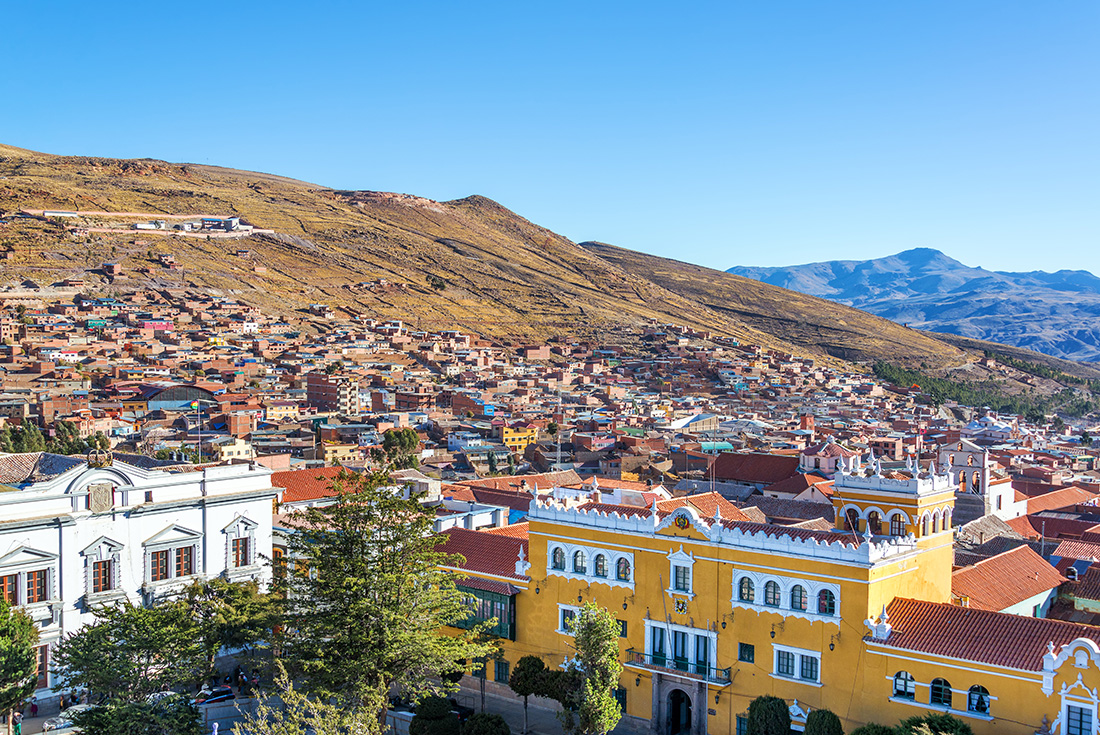
This morning, take a local bus to the colonial mining town of Potosi – once the wealthiest city in the Americas thanks to its location at the base of silver ore-rich Cerro Rico (Rich Hill). The discovery and extraction of the silver led to a financial boom for the Spanish empire, though the city’s riches quickly diminished and its citizens slipped into poverty once the silver dried up. A tour and brief history of Cerro Rico is definitely a highlight to consider here. Another place of interest is the Santa Teresa Convent Museum, where you can observe art and treasures inside the convent’s original walls.
Day 6: Uyuni
Leave Potosi behind and travel to the city of Uyuni. This remote town sits on the edge of the high Altiplano – a wilderness area extending for hundreds of kilometres towards the border with Argentina and Chile. Apart from being a gateway to the Salt Flats, Uyuni also happens to sit above one of the world’s largest lithium reserves. While it won’t help you if you’ve arrived with a flat battery, Uyuni’s lithium, once extracted, could potentially power the planet’s smart phones and electric cars for the next century. Enjoy free time on arrival – perhaps take the opportunity to rest up before you kick off your exciting excursion to Salar de Uyuni tomorrow. Tonight’s hotel is fairly basic, but it’s clean, comfortable and has hot water. As you’ll be heading out into the desert over the next few days with limited amenities, make the most of the facilities.
Day 7: Salar de Uyuni
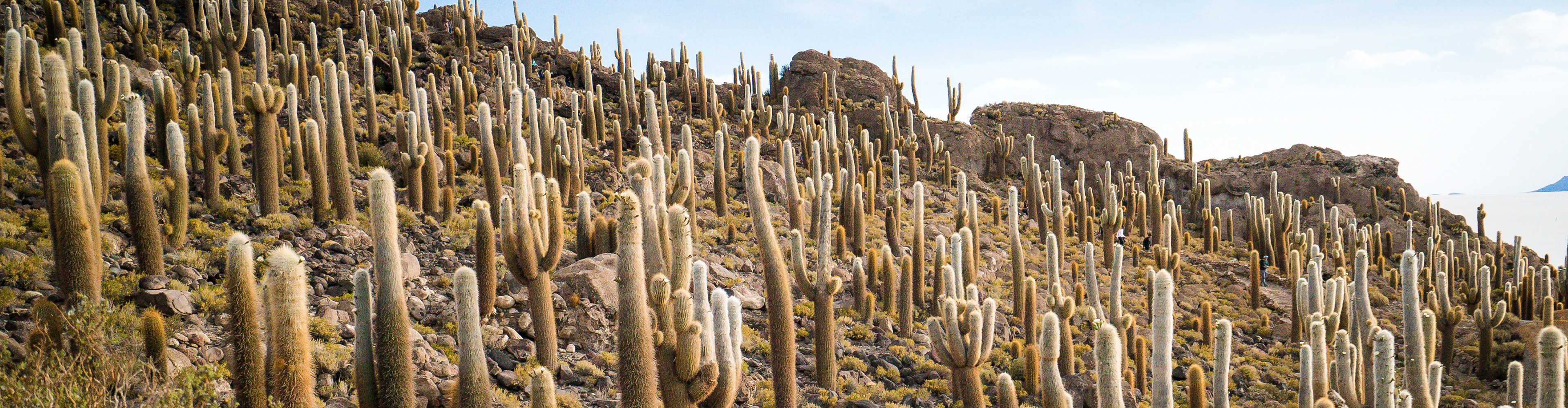
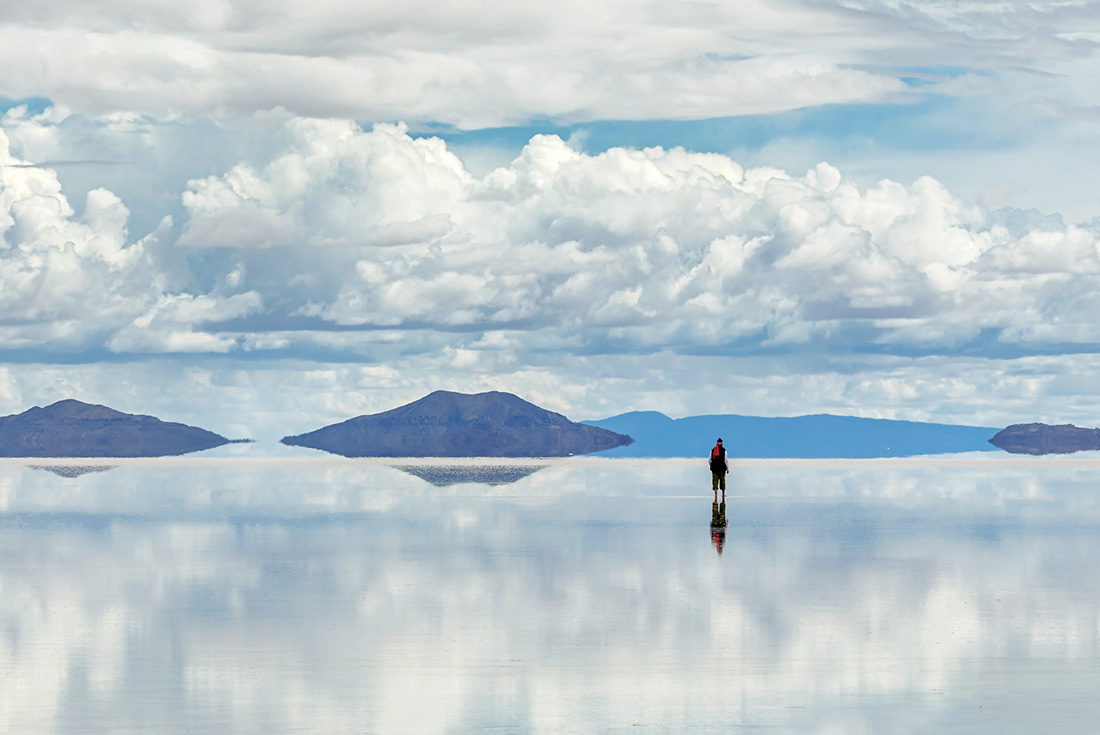
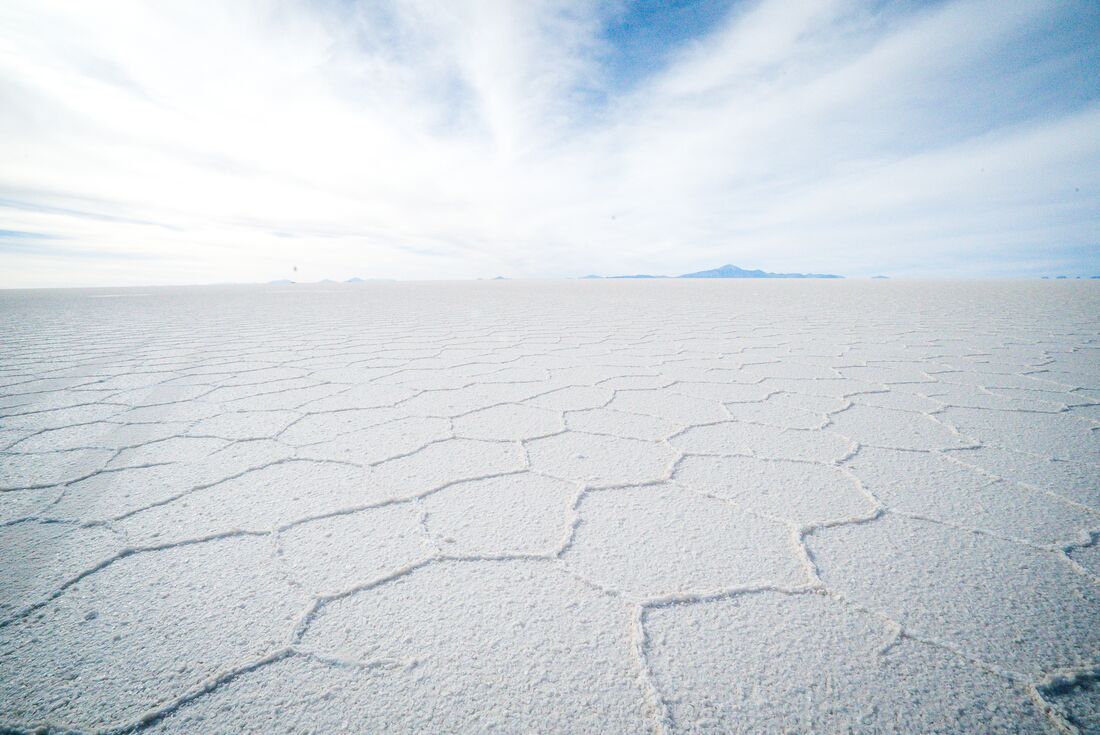
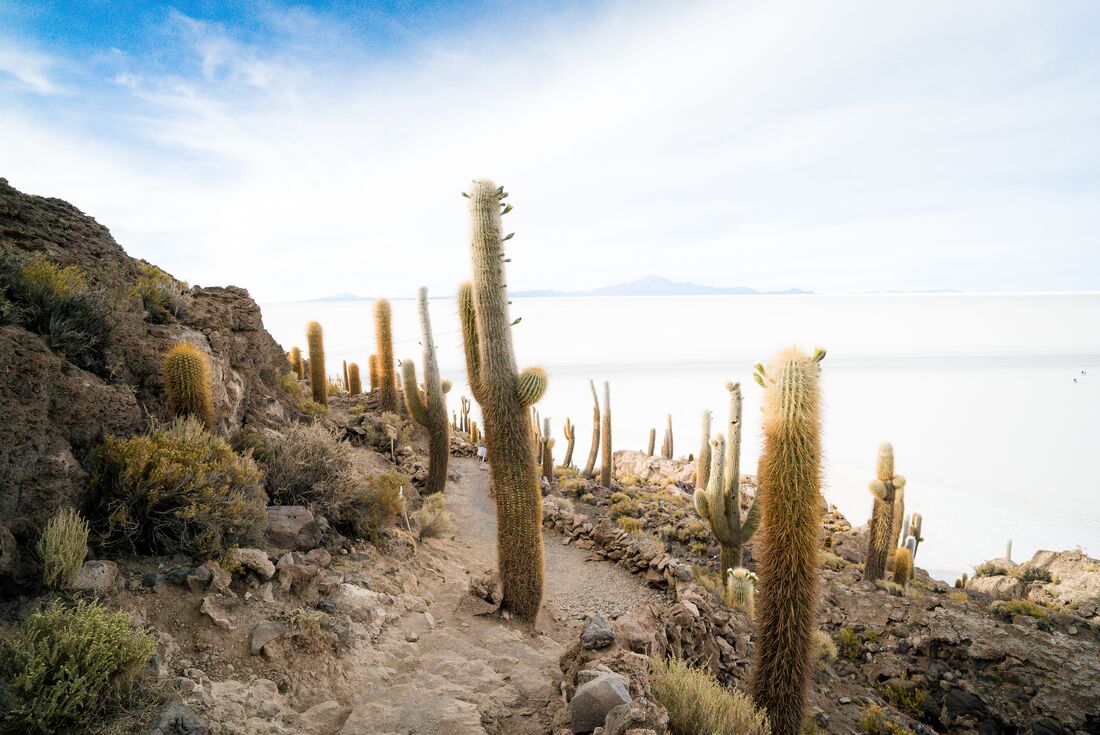
Depart Uyuni this morning and venture out on a three-day 4WD excursion – be prepared for a busy few days ahead. The first stop will be Cementerio de Trenes (the Train Cemetery) for an eerie look at abandoned locomotives that have been engulfed by the desert. Then continue to the highlight of Bolivia, Salar de Uyuni – the world’s largest salt flats. This vast desert-like landscape of blinding white salt and cactus-studded islands is the remains of a dried-up prehistoric lake. The desolate and dehydrated eco-system hosts very little wildlife, though it is home to loads of flamingos. Make the most of your time on the salt flats, pose for some snaps and explore Inca Wasi – an island covered in cacti and coral-like structures.
Day 8: Salar de Uyuni
After breakfast, hit the road through the incredible wilderness of the Andean Desert. Pass by Chiguana Salt Lake, the active Ollague Volcano and other small lakes of various colours – perhaps with a streak of pink if flamingos are nearby. Continue to the Siloli Desert – known for its seven-coloured mountain and Arbol de Piedra (Stone Tree) rock formation. You’ll also visit an Andean wildlife reserve (Reserva de Eduardo Avaroa) and hike around the Laguna Colorada (Red Lake) – keep an eye out for llamas, vicunas and foxes along the way. After a big day, head to your accommodation in a local community (either Huayllajara or Polques) for a well-earned rest and an included dinner.
Day 9: Uyuni
Rise early to try to catch the sunrise over the surrounding geysers. These bubbling fumaroles are especially active in the morning thanks to the cold air. There may also be an opportunity to visit a hot spring for an optional morning dip. After, drive through more barren landscapes – some of which are frequently compared to Salvador Dali’s paintings – to the strikingly green Laguna Verde, Valle de Rocas (Rock Valley) and the San Cristobal mining town. You’ll return to Uyuni around 5 pm to spend the night at your leisure. After a few days in the desert, you may want to check out a local restaurant with your group for an optional dinner and drinks.
Day 10: Uyuni – Tilcara
Prepare for a long travel day as you cross the border into Argentina. Set off at 6 am from Uyuni town to La Quiaca. Arriving around 1.30 pm, cross into Argentina on foot before jumping in a taxi to the bus station. You’ll have a chance to stop briefly for lunch with before the next bus to Tilcara, arriving at approximately 6 pm. Nothing is planned on arrival, but if you’re not too exhausted from the journey, perhaps head out for dinner – your group leader will be able to point you in the right direction for a feed.
Day 11: Tilcara
Today is a free day to explore this dusty town. Located in the mountain valley of Quebrada de Humahuaca, Tilcara is one of the oldest continuously inhabited places in Argentina with an Indigenous culture dating back more than 10,000 years – and the influx of tourists hasn’t stopped the age-old customs and rituals from flourishing. You might like to check out the pre-Inca ruins at Pucara de Tilcara, or venture out of town and check out the colourful hills of Purmamarca. If you’re keen for an authentic lunch, visit the vibrant local market, Mercado Municipal de Tilcara, to try some local street food favourites like empanadas. Your leader can provide suggestions and help you make the best of your time here.
Day 12: Buenos Aires
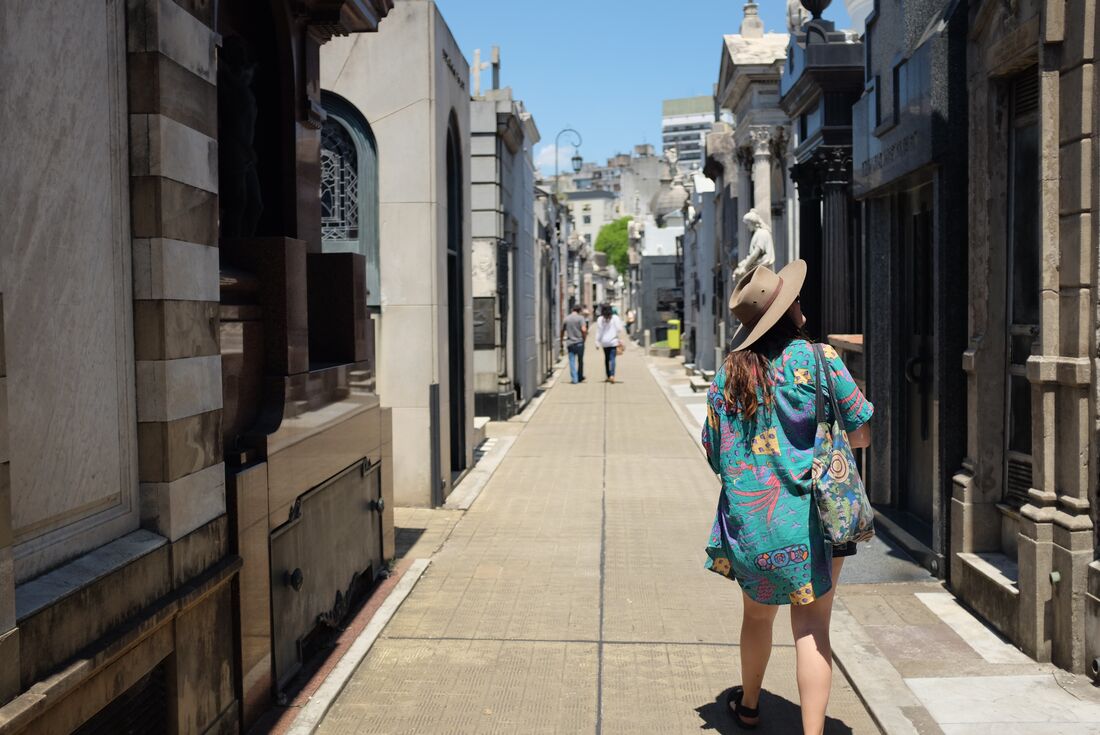
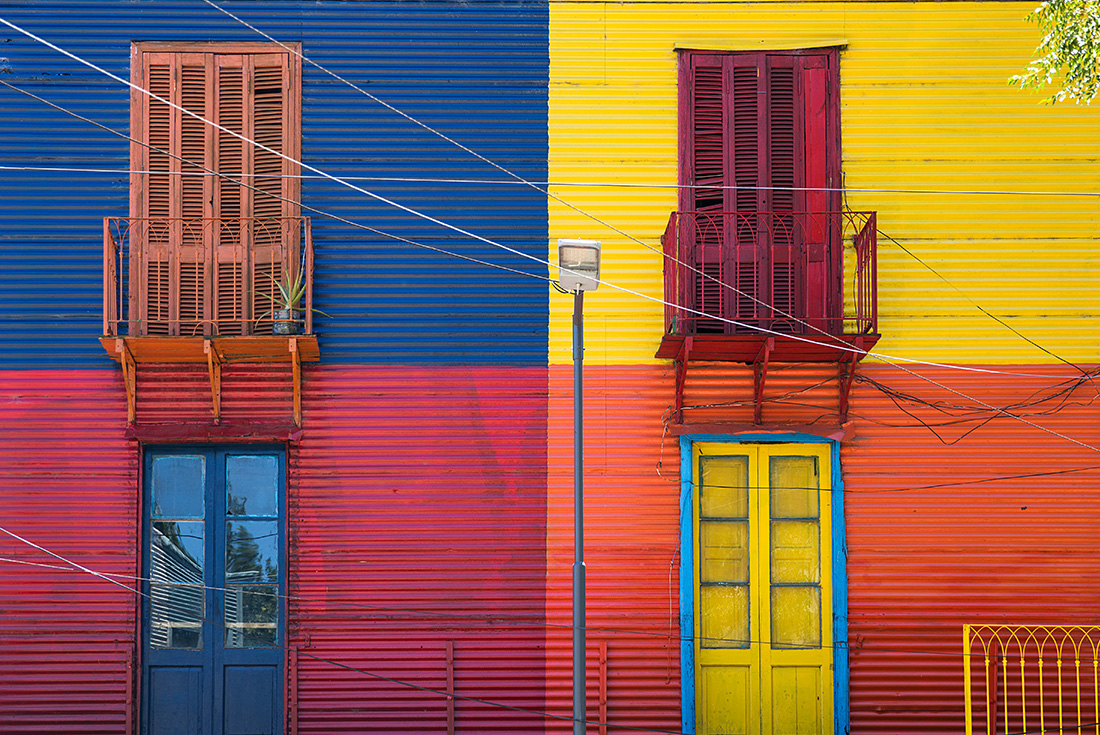
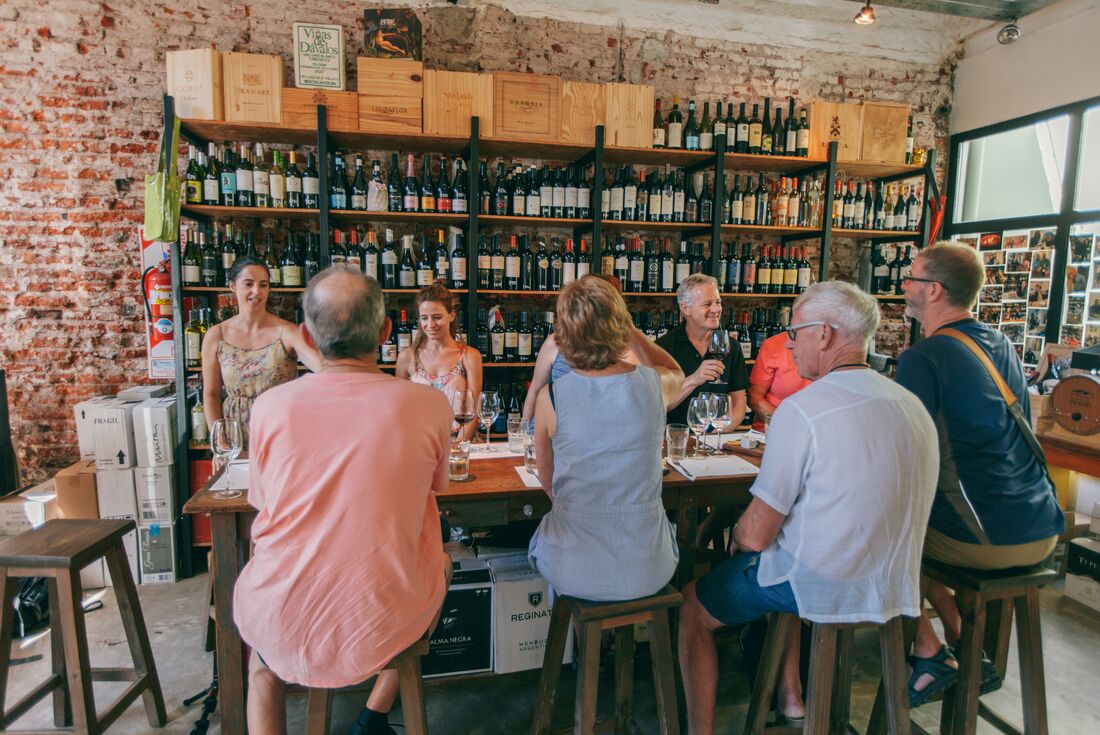
Enjoy a relaxed morning in Tilcara before taking a transfer to Jujuy for an evening flight to Buenos Aires. Fiery Latin passion, European architecture and superb cuisine combine to make Buenos Aires an enthralling city. Over the next few days, you can choose your own adventure – nibble on alfajores, wander San Telmo's cobblestone streets, talk football with Portenos (people from Buenos Aires) in a cafe or get a history lesson at the quirky Museo Evita. You might also like to walk among the tombs of La Recoleta Cemetery – the final resting place of Eva Peron – or check out the museums in the Recoleta district. A visit to La Boca is another must – home to the colourful Caminito artists’ street and world-renowned soccer team, Boca Juniors. In the evening, be sure to check out Palermo's Plaza Serrano for tango with the locals. There are so many things to see and do in Buenos Aires, it's simply a matter of trying to fit it all in.
Day 13: Buenos Aires
Day 14: Buenos Aires
Day 15: Buenos Aires
With no activities planned, your trip comes to an end after breakfast. If you’d like to spend more time in Buenos Aires, just let us know and as we can organise additional accommodation (subject to availability).