



Trip Type: Walking & Trekking
Starts From:
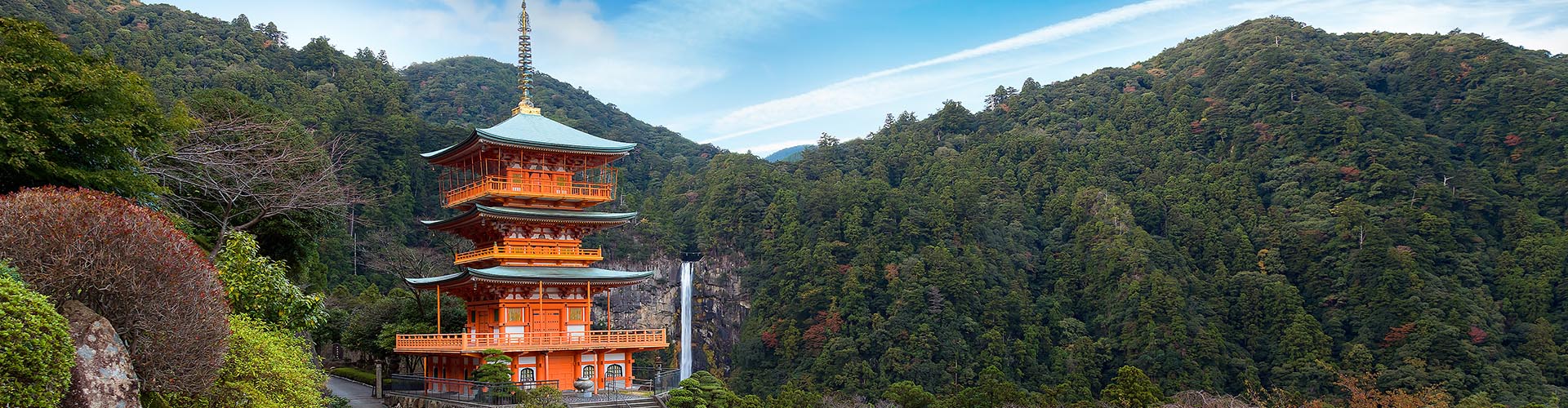
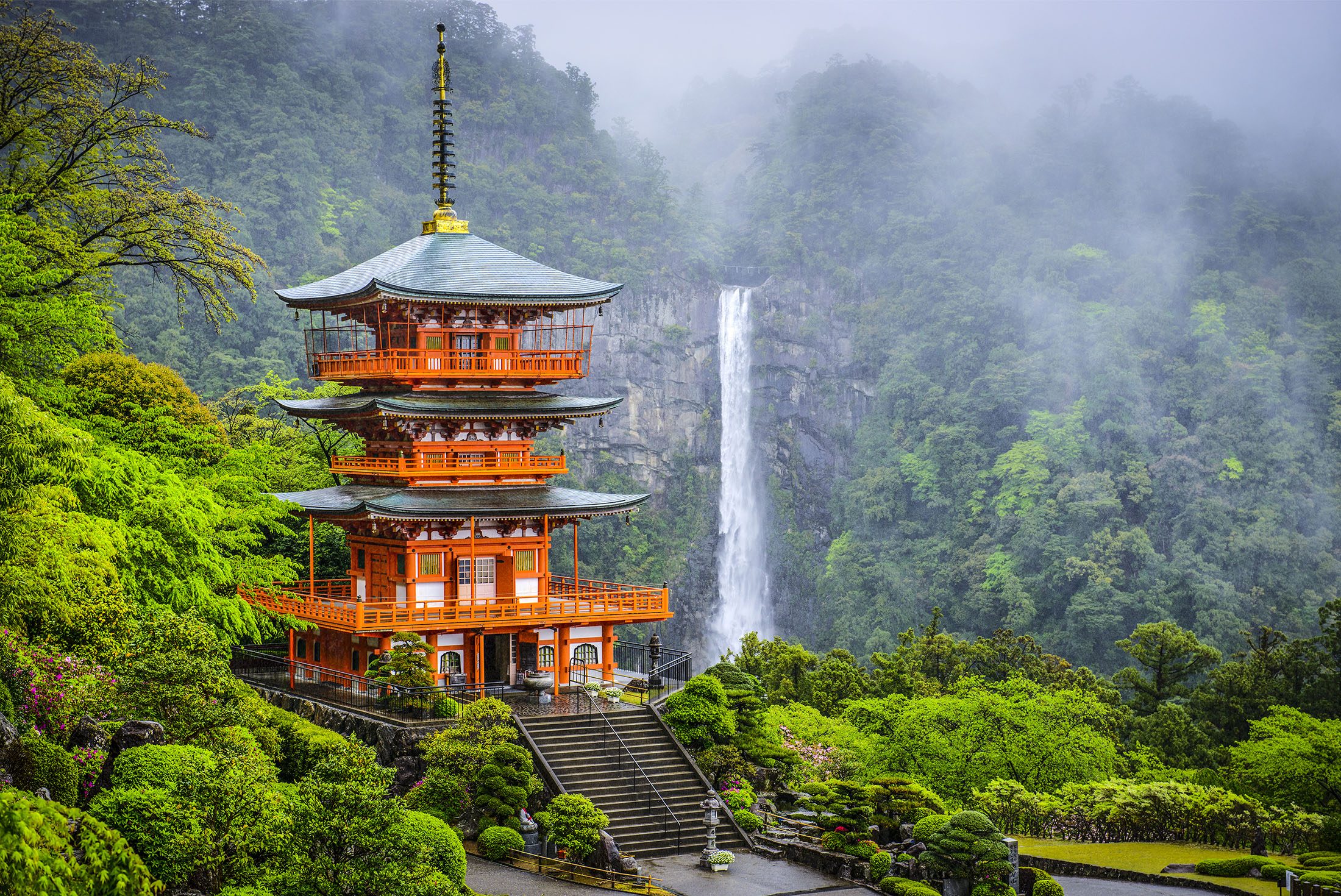
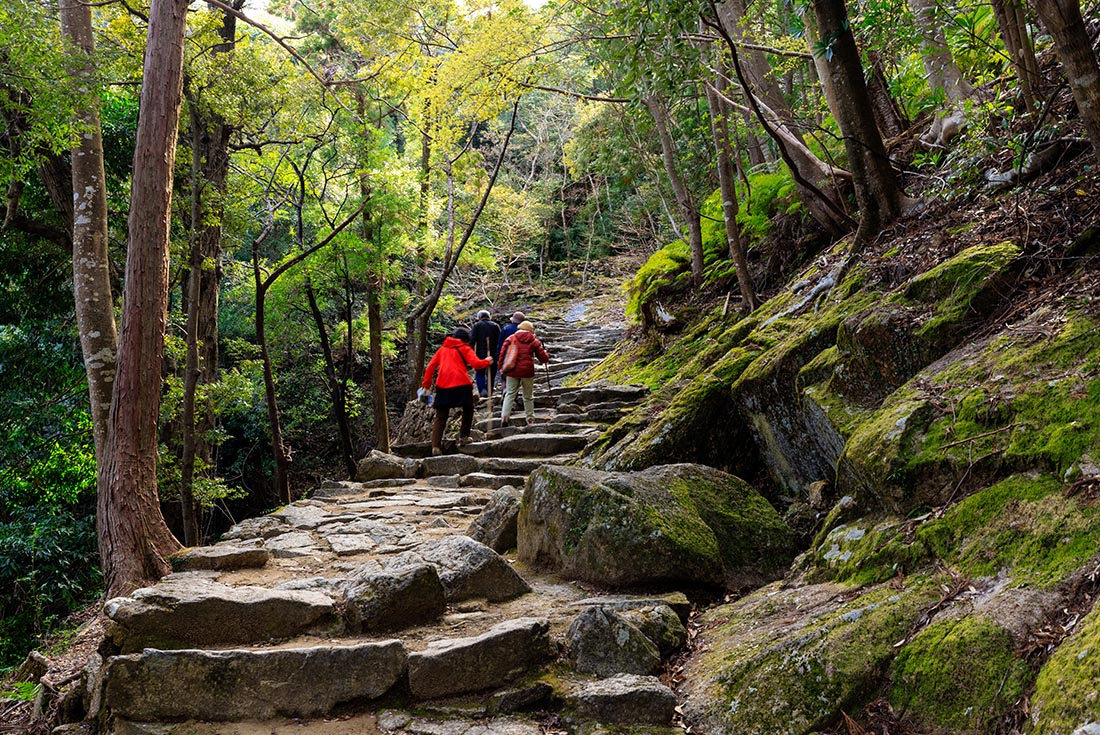
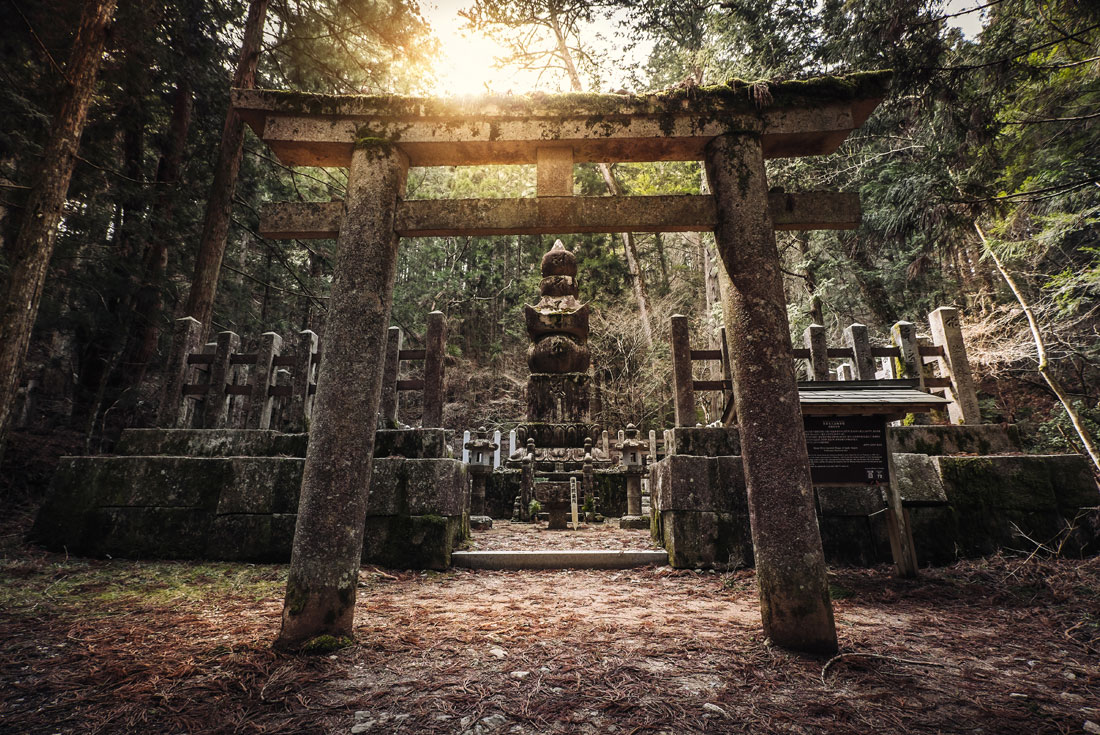
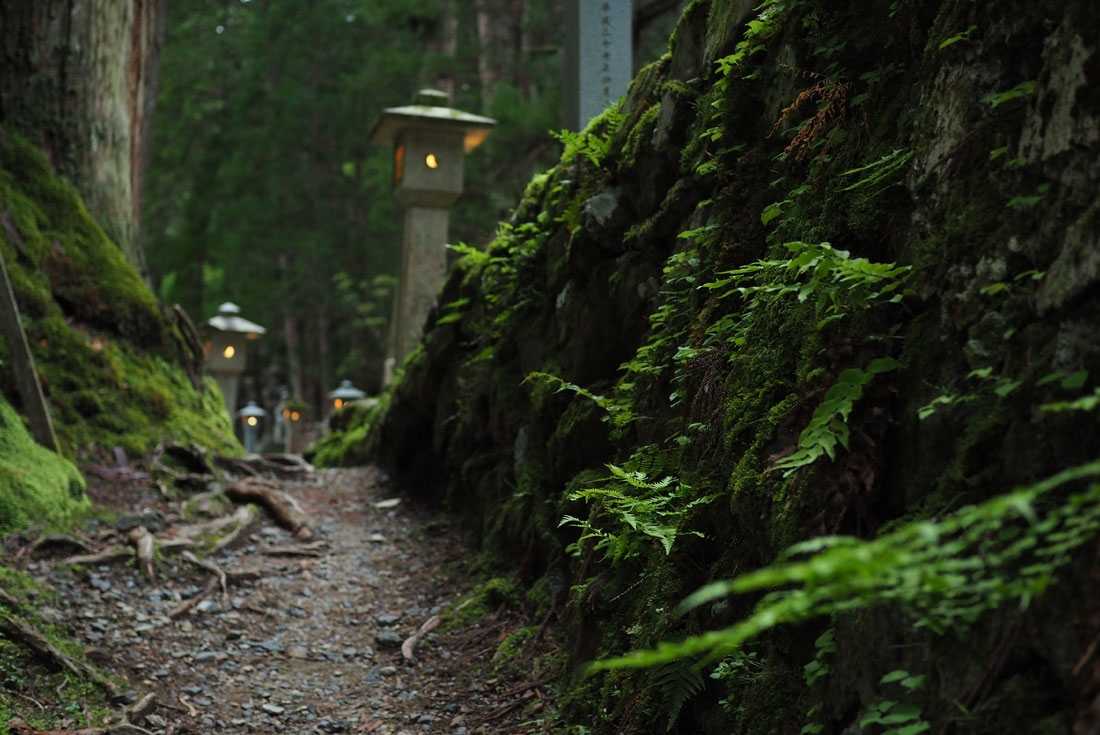
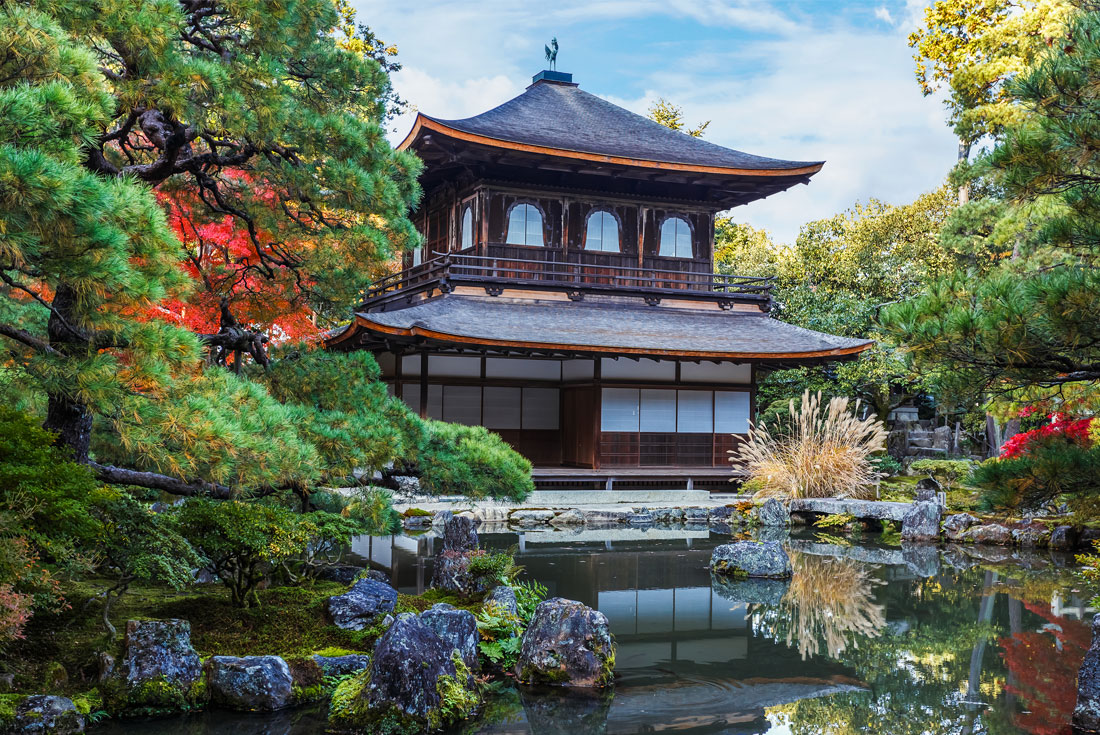
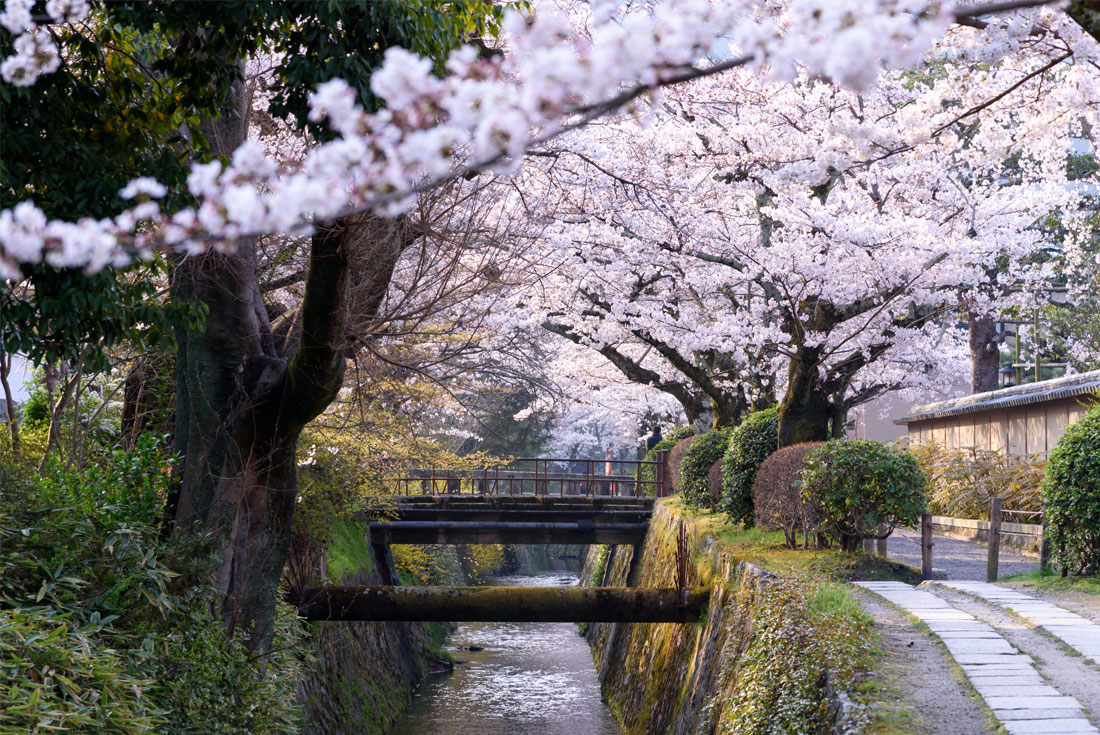
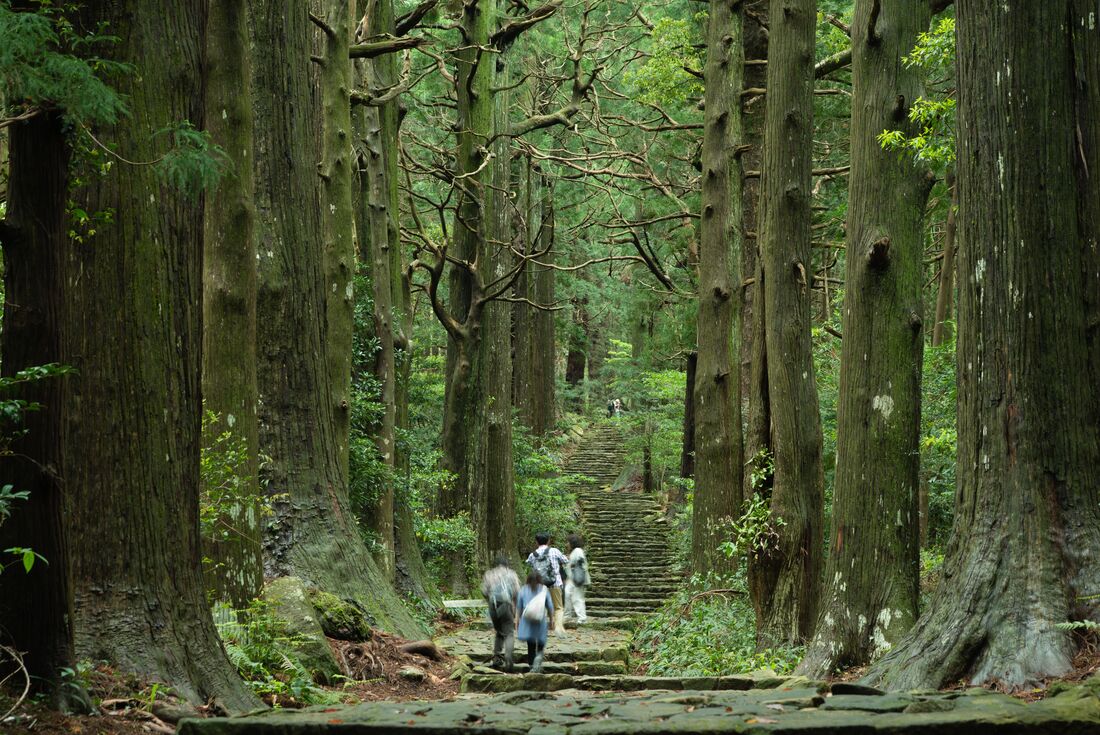
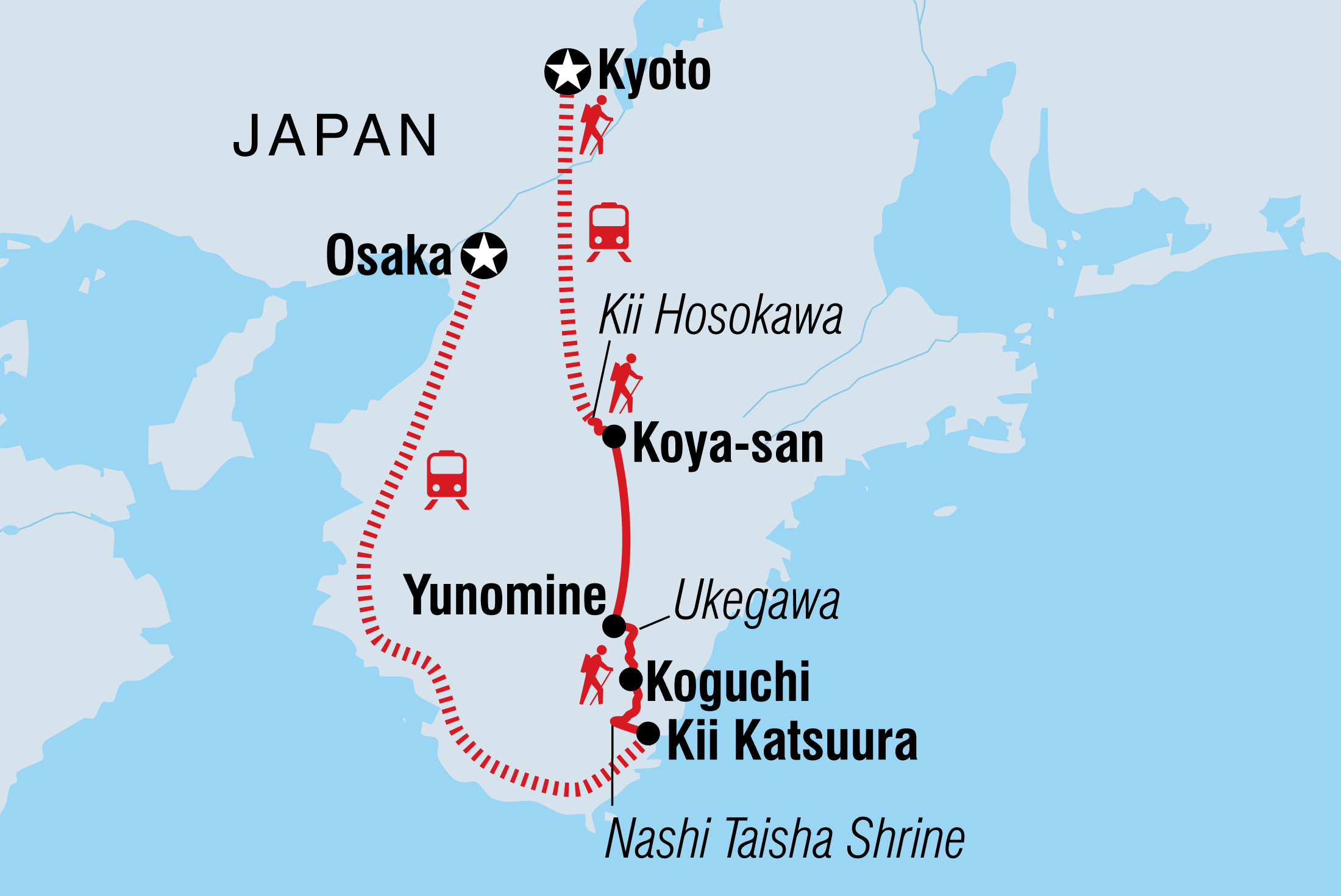
NZD $5,067.00 /PersonStray off the tourist trail with an eight-day hiking adventure on some of the great ancient pilgrim routes in Japan. The Koya-san hike takes you deep through the wilderness and into the mountainous landscapes of Honshu, leading you to the centre of Shingon Buddhism. As you trek past cedar and cypress trees on the historic Kumano Kodo trail, you’ll gain insight into the experiences of pilgrims who have traversed this UNESCO World Heritage-listed trail throughout history. Along the way, stop by peaceful temples and monasteries, soak in traditional onsen and discover the cultural hubs of Kyoto and Osaka. This small-group adventure will give you both a physical and cultural workout around the best of Japan.
Meals
6 breakfasts and 5 dinners are included
Transport
Train, Private vechicle, Taxi, Local bus
Accomodation
Hotel (3 nights), Ryokan (1 night), Guesthouse/Ryokan (2 night), Temple Stay (1 night)
Included Activities
Departing
Finishing
Availability
17 Oct 2026
24 Oct 2026
Available
24 Oct 2026
31 Oct 2026
Available
31 Oct 2026
07 Nov 2026
Available
07 Nov 2026
14 Nov 2026
Available
14 Nov 2026
21 Nov 2026
Available
21 Nov 2026
28 Nov 2026
Available
28 Nov 2026
05 Dec 2026
Available
27 Mar 2027
03 Apr 2027
Available
31 Mar 2027
07 Apr 2027
Available
03 Apr 2027
10 Apr 2027
Available
07 Apr 2027
14 Apr 2027
Available
17 Apr 2027
24 Apr 2027
Available
08 May 2027
15 May 2027
Available
15 May 2027
22 May 2027
Available
22 May 2027
29 May 2027
Available
29 May 2027
05 Jun 2027
Available
05 Jun 2027
12 Jun 2027
Available
19 Jun 2027
26 Jun 2027
Available
11 Sep 2027
18 Sep 2027
Available
29 Sep 2027
06 Oct 2027
Available
02 Oct 2027
09 Oct 2027
Available
09 Oct 2027
16 Oct 2027
Available
16 Oct 2027
23 Oct 2027
Available
23 Oct 2027
30 Oct 2027
Available
30 Oct 2027
06 Nov 2027
Available
06 Nov 2027
13 Nov 2027
Available
10 Nov 2027
17 Nov 2027
Available
13 Nov 2027
20 Nov 2027
Available
20 Nov 2027
27 Nov 2027
Available
25 Mar 2028
01 Apr 2028
Available
29 Mar 2028
05 Apr 2028
Available
01 Apr 2028
08 Apr 2028
Available
05 Apr 2028
12 Apr 2028
Available
15 Apr 2028
22 Apr 2028
Available
06 May 2028
13 May 2028
Available
13 May 2028
20 May 2028
Available
20 May 2028
27 May 2028
Available
27 May 2028
03 Jun 2028
Available
03 Jun 2028
10 Jun 2028
Available
17 Jun 2028
24 Jun 2028
Available
09 Sep 2028
16 Sep 2028
Available
27 Sep 2028
04 Oct 2028
Available
30 Sep 2028
07 Oct 2028
Available
07 Oct 2028
14 Oct 2028
Available
14 Oct 2028
21 Oct 2028
Available
21 Oct 2028
28 Oct 2028
Available
28 Oct 2028
04 Nov 2028
Available
04 Nov 2028
11 Nov 2028
Available
08 Nov 2028
15 Nov 2028
Available
Destination Details
Ready To See The World? You’ve Come To The Right Place.