
Day 1: Osaka
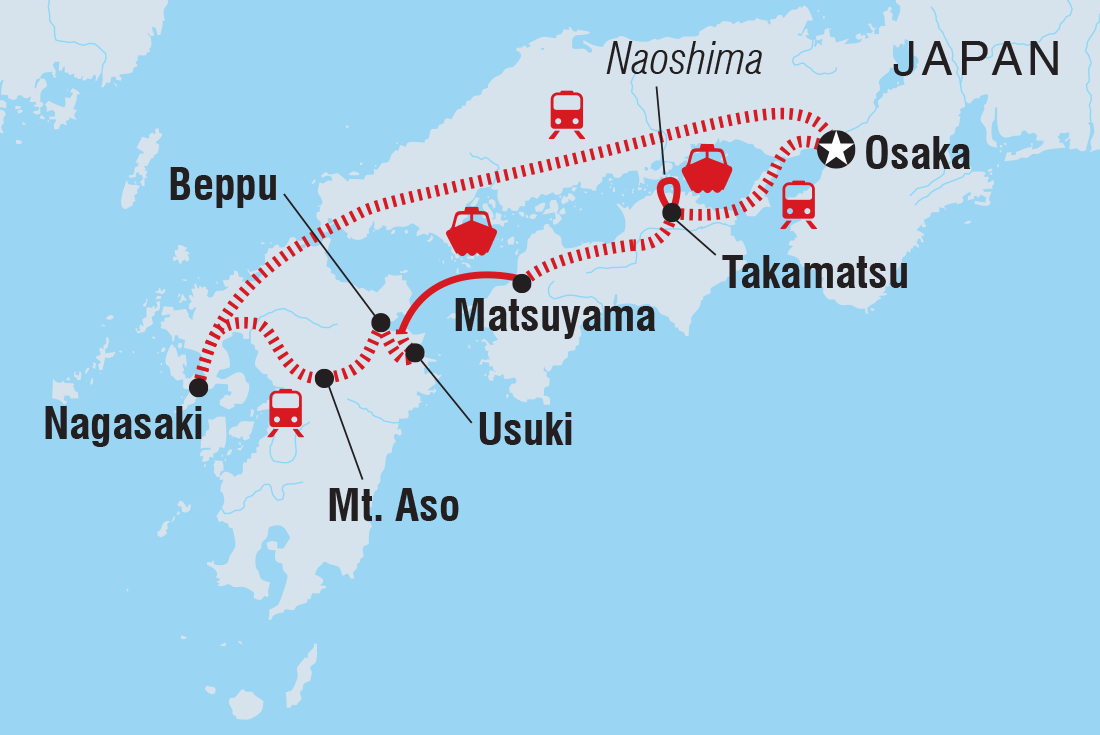
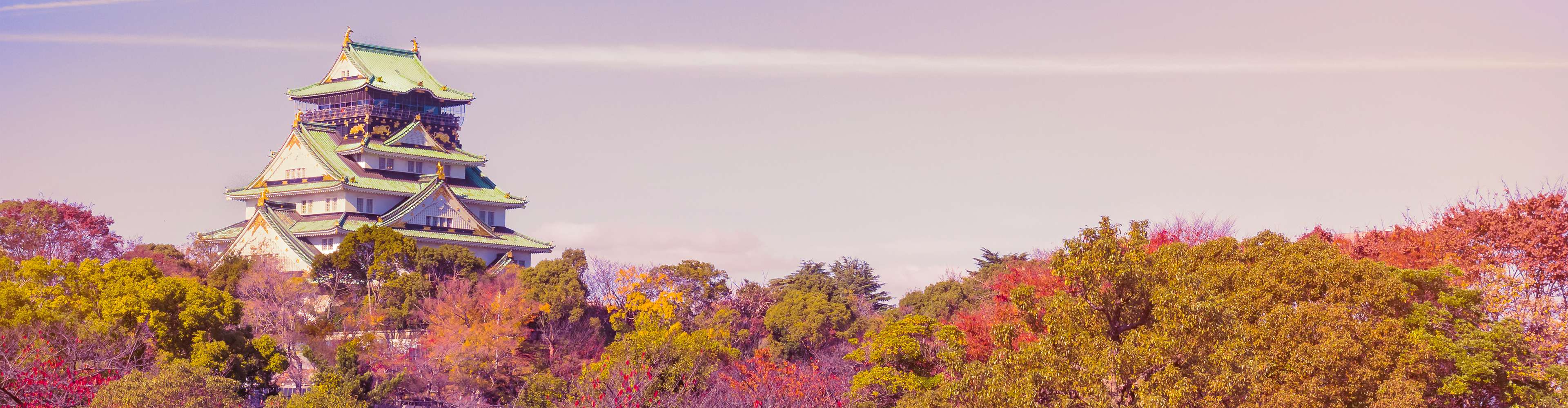
Konnichiwa! Welcome to Japan. Your adventure begins in vibrant Osaka, the country’s unofficial culinary capital, where the motto is 'kuidaore' (eat until you drop). You’ll have a welcome meeting at 6 pm where you'll meet your trip leader and fellow travellers. If you arrive early, why not grab a snack at one of the street food vendors perched on every corner – maybe try some takoyaki (ball-shaped octopus dumplings) or okonomiyaki (customisable savoury pancakes). After the meeting, maybe join your new travel companions for an optional dinner at a local restaurant.
Day 2: Takamatsu
Depart Osaka this morning and begin your journey west. Take the train across the bridge spanning the stunning Inland Sea, heading to Takamatsu. This may be the largest city on the island of Shikoku (the smallest of Japan’s four main islands), but it's a beautifully unpretentious town full of history, top-notch food and interesting local art. Here, you'll visit the beautifully manicured Ritsurin Garden. Dating back to the Edo period, the garden’s ponds and arched bridges are surrounded by strolling paths, tea pavilions and historic trees. There’s both a western and Japanese garden. The garden also houses the Sanuki Folk Craft Museum, which displays a variety of ceramics and basketwork dating from the time of the Tokugawa shoguns.
Day 3: Naoshima Island/Takamatsu
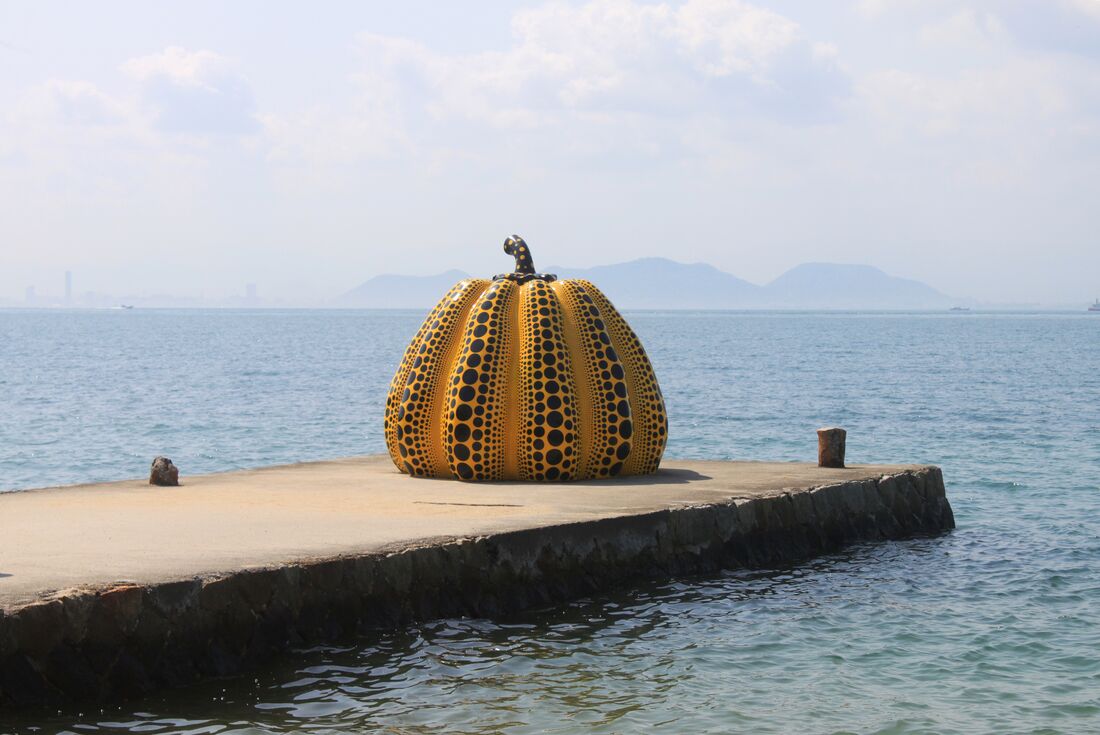
Take the ferry this morning for a daytrip to the island of Naoshima, located in the Inland Sea between Takamatsu and the mainland – famous for its modern art galleries, museums, avant-garde architecture and lovely natural setting. Explore the island’s galleries and outdoor art installations by public bus or bicycle. Wander between artworks as you hear the sound of waves lapping at quiet coves. Return to Takamatsu after a full day on the island, where you’ll have a free night.
Day 4: Matsuyama
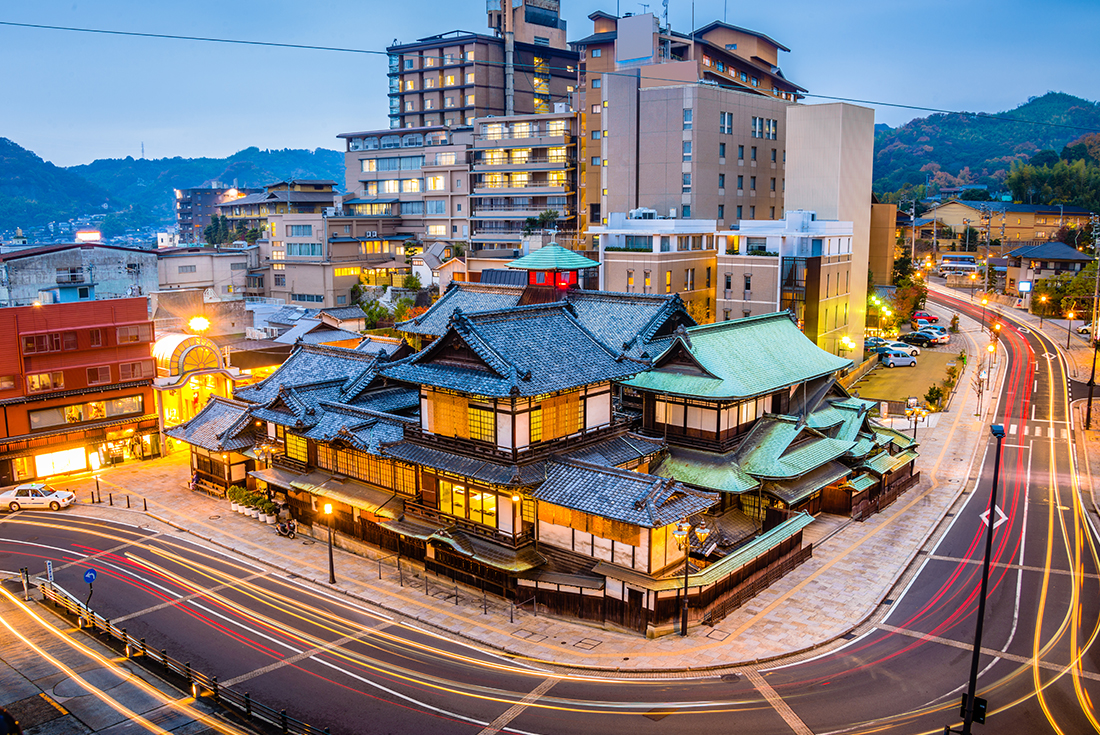
This morning, take the train and head west to Matsuyama – one of Japan’s less-touristed prefectures coined ‘the citrus state’ by the locals. When you arrive and have maybe picked up a mikan (mandarin) or two, visit the hilltop Matsuyama Castle with your group. This is one of Japan's most impressive surviving castles, sitting right in the middle of the city. Unlike most castles in Japan, this one has an exciting collection of artefacts inside, so take the chance to check them out and learn a little more about Matsuyama's feudal history while you’re here. This afternoon, you’ll have some free time to relax and unwind. Maybe sink into the steaming waters of the Dogo Onsen – one of the oldest bath houses in Japan. Or, if you’d prefer more exploration, you could visit Ishiteji Temple – the 51st of the 88 temples that make up Shikoku’s 88 Temples circuit (Japan’s most famous pilgrimage route).
Day 5: Usuki
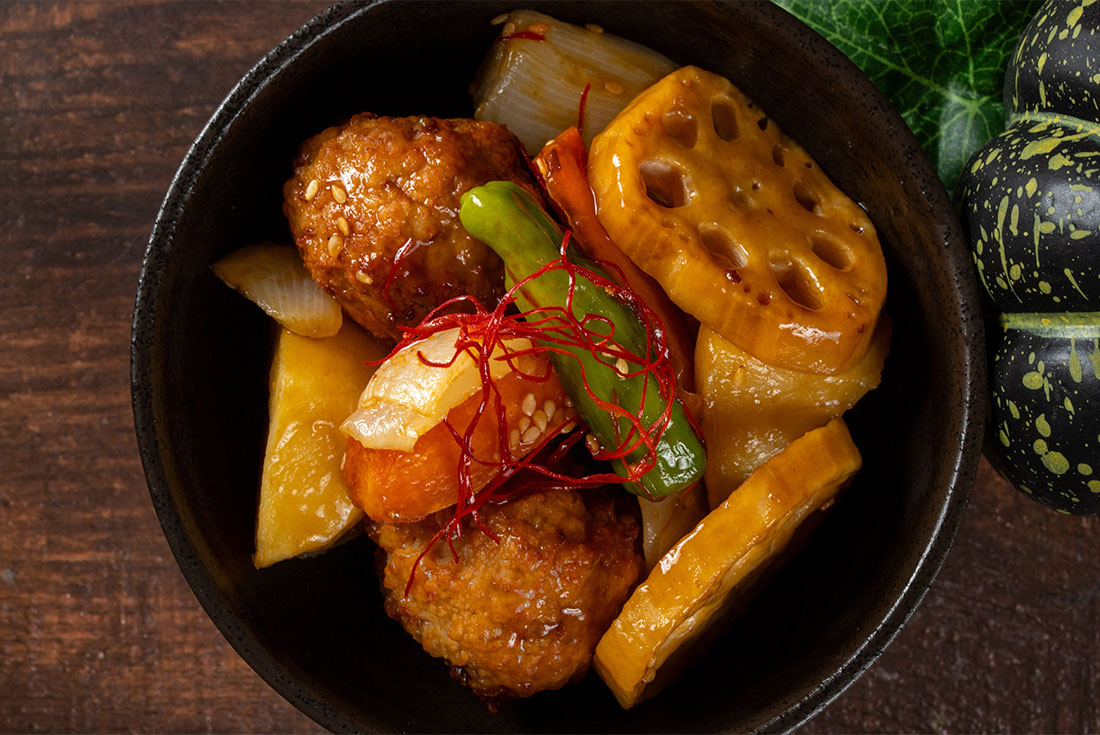
Get ready for a bit of a travel day today. Jump on a train and then ferry for Usuki, on Kyushu Island – the third largest of Japan’s four main islands. When you arrive around midday, take a public bus to the village to visit the local sake brewery, where you’ll get to see how sake (Japan’s national drink, beloved by locals) is made, followed by a tasting of the brewery’s finest. Then, continue to your homestay. Your evening will be filled with collaborative dinner preparation with your hosts, followed by a delicious feast. Share stories with your hosts, hear about their life here and learn some tips about Japanese cooking that you can bring home with you.
Day 6: Beppu
Say goodbye to your hosts after a traditional home-cooked breakfast. Then, head to Beppu, famous for its variety of hot springs and onsens. Have lunch at a specialty restaurant that offers a unique dining experience where you can select the food you’d like, put the dishes in a steamer and watch as they’re cooked by the steam of the hot springs! The mineral-rich steam is said to enhance the flavours of the ingredients. Then, you’ll visit Jigoku (which translates to 'hell') – a collection of differently coloured steaming hot spring pools. After, head to a local onsen for a relaxing soak. The evening is yours to spend in this relaxing city.
Day 7: Beppu
Today is a free day in Beppu. This is the perfect opportunity to take it easy in this onsen town, soaking your muscles and pausing to take in the scenery. Maybe explore other onsens in the city or, alternatively, explore Beppu at your own pace. Maybe check out Jigoku Onsen Museum or take the Mt Tsurumi Ropeway to the top for views overlooking the city. The lower station of the ropeway is a great spot for cherry blossom season. You might like to visit the Yawata Asami Shrine, Beppu Tower or take a daytrip to nearby Yufuin town. The day is yours!
Day 8: Mount Aso
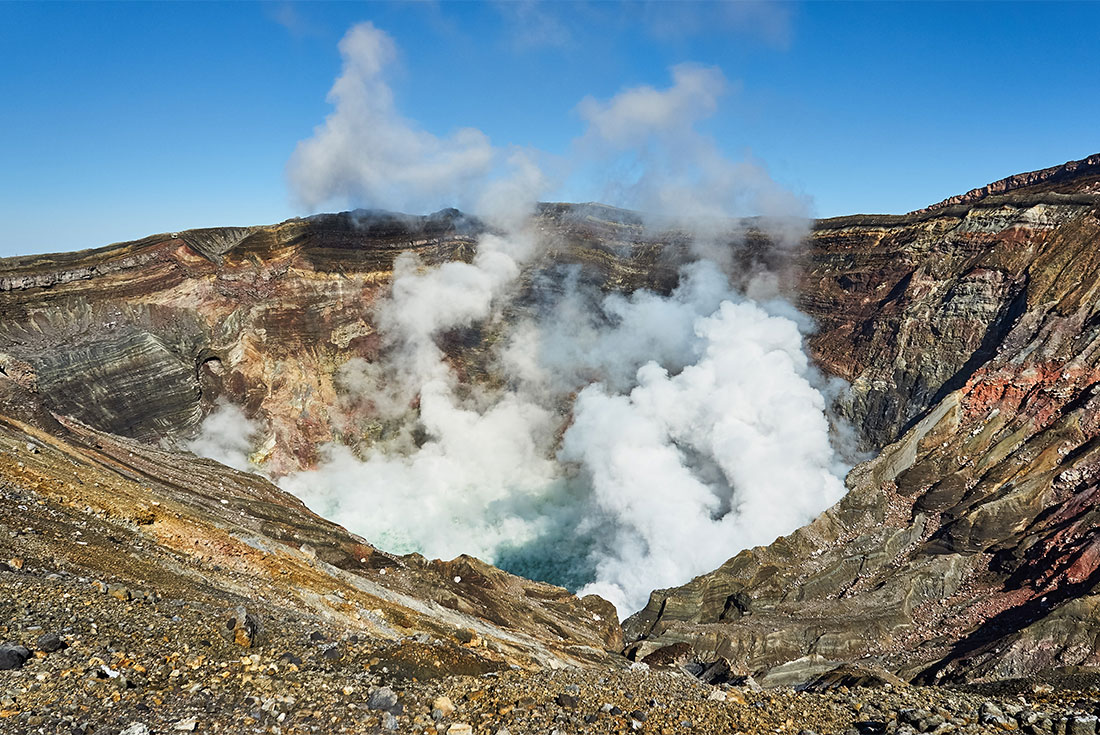
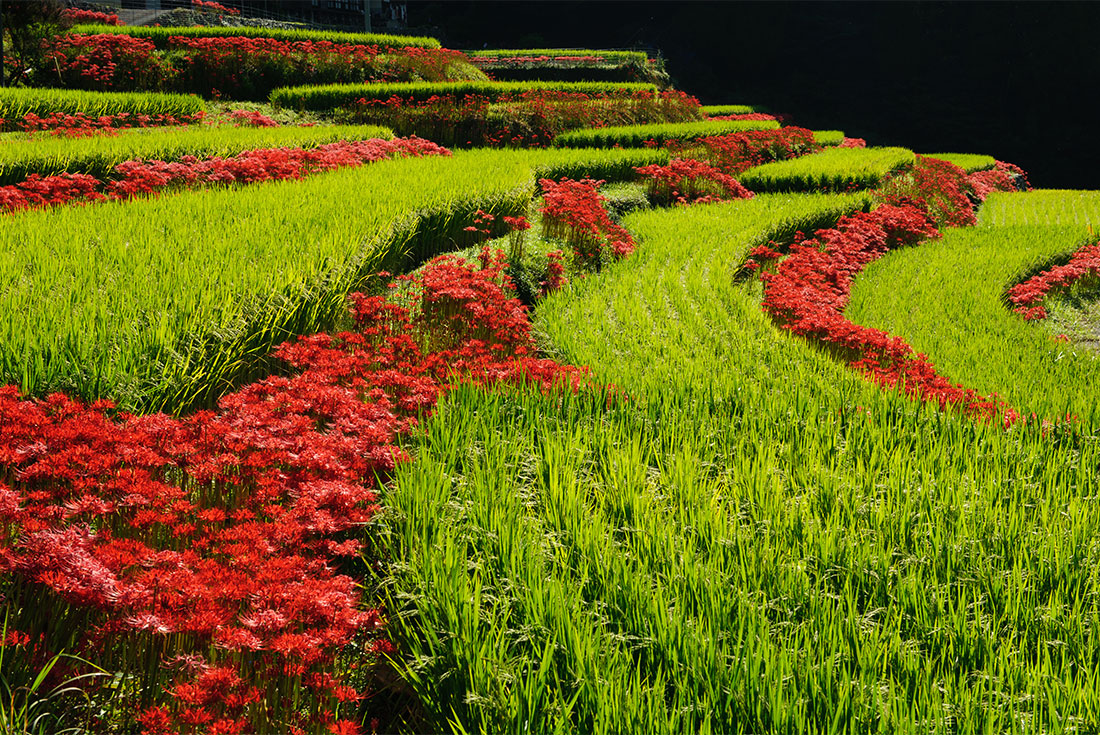
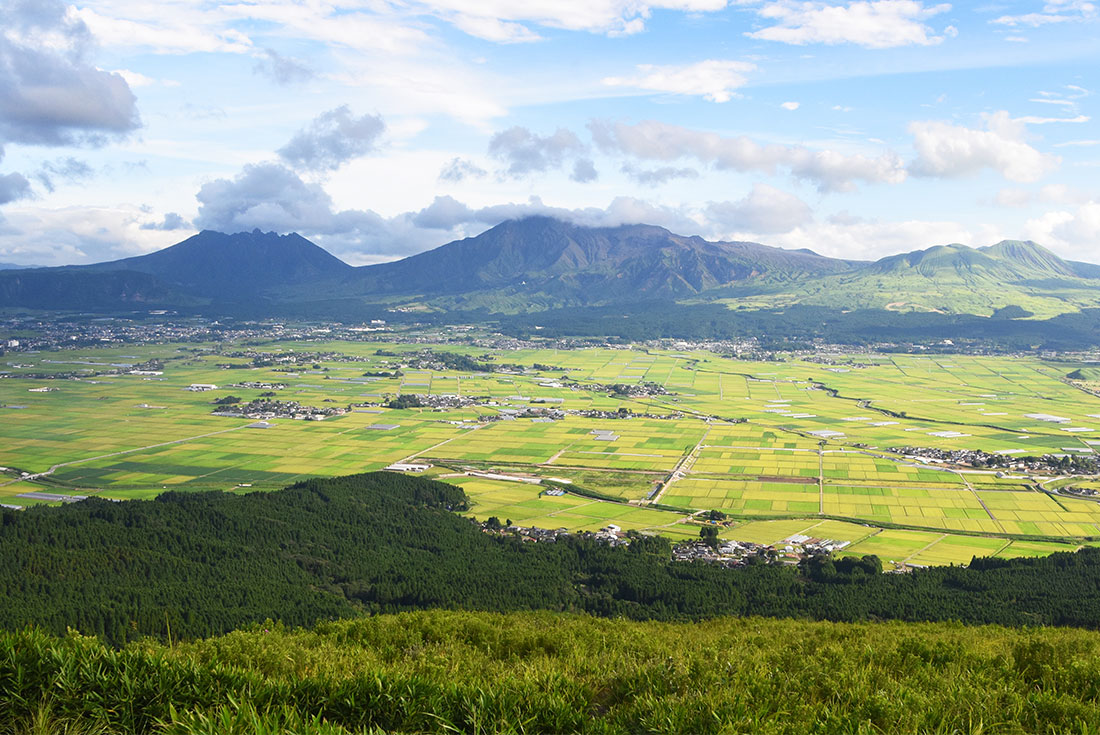
Today’s all about chasing views! Hop in your private transfer this morning and head to Mt Aso, stopping at the Ogi Rice Terraces along the way. Soak up the scenic landscape of Ogi between Mt Aso and the Kuju Mountain Range. When you’ve snapped some photos, head to the Daikanbo natural observatory for some excellent views of the five central peaks of the mountain. This viewpoint is also known as the Nehan-zo, or Nirvana Buddha, referencing the image of the reclining Buddha. Stop for lunch, then get ready for a hike either on the moon-like Sunasenri trail to Nakadake Crater – the largest among the five craters of the mountain – or to the Kusasenri trail through grassland, depending on the crater's accessibility. After your hike, continue to your accommodation for tonight – you’ll be staying in a minshuku (traditional Japanese inn), right in the caldera formed from ancient volcanic eruptions. Surrounded by rice fields, you’re in for a peaceful night here.
Day 9: Nagasaki
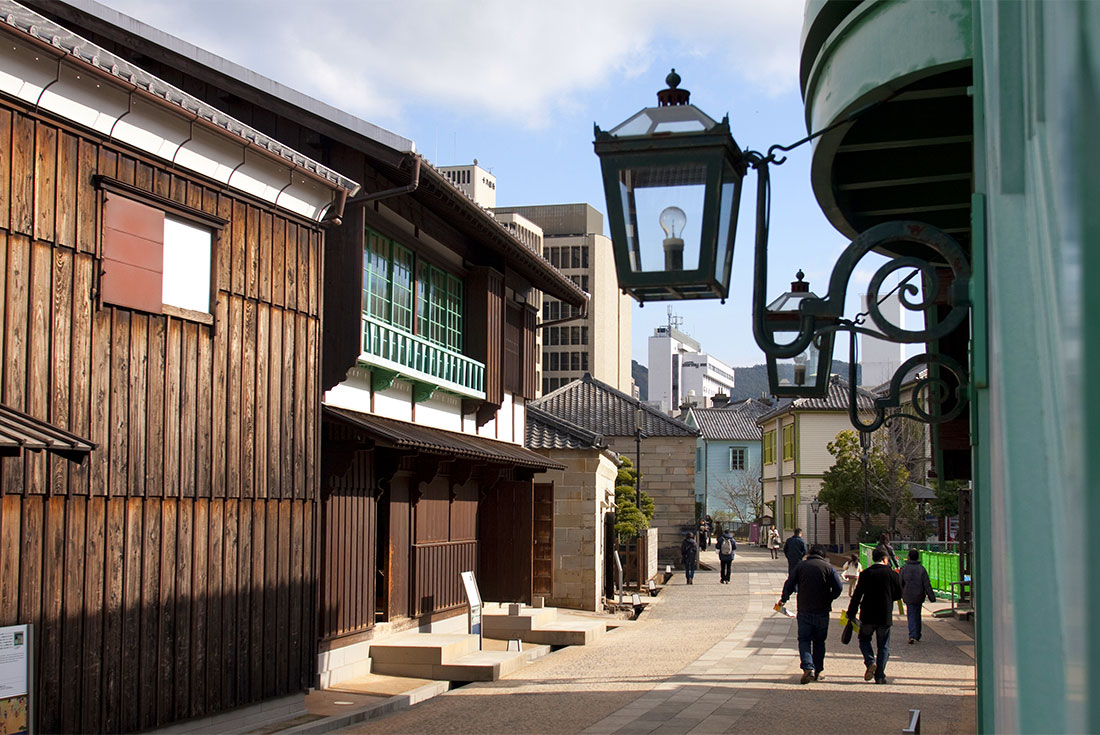
This morning, say goodbye to your scenic guesthouse and hop on a train to Nagasaki, arriving in the early afternoon. In the 16th century, Nagasaki was the sole port in Japan for trade with the Netherlands and Portugal, so the city has a fascinating mixture of traditional Japanese and Western architectural influences. Follow your leader on an orientation walk, then head over to Glover Garden – an open-air museum where you can see old foreign merchant houses. See the Former Glover House, the city’s oldest wooden Western-style building, and learn about a different side of Nagasaki’s history. You then have a free afternoon – maybe ask your leader for the best spots to grab dinner!
Day 10: Nagasaki
Wake up in Nagasaki this morning. Today, you’ll visit the Peace Park and Atomic Bomb Museum for a sobering reminder of what happened on that dreadful day – the 9th of August 1945. You'll also attend a talk given by an A-bomb survivor – no doubt a powerful experience. If you wish to reflect and explore further, there are more museums nearby worth visiting. You’ll have a day pass for the city trams, so take advantage of this and explore Nagasaki in your free afternoon. Consider heading over to Dejima – this artificial island was once a Dutch trading post in the 17th to 19th centuries. The Twenty-Six Martyrs Monument, Oura Church and Dutch Slope also give you a glimpse into the life of the early Christians and European traders in Japan – these sites make up part of the UNESCO World Heritage-listed Hidden Christian Sites. This evening, maybe slurp up some champon noodles (ramen, Nagasaki-style)!
Day 11: Osaka
Say goodbye to Kyushu and jump on the shinkansen (bullet train) back to Osaka. When you arrive this afternoon, soak up some free time to relax or explore. Tonight, why not head out for dinner and drinks with your leader and fellow travellers, to celebrate an amazing trip in southern Japan.
Day 12: Osaka
With no further activities planned, your trip comes to an end this morning. That doesn’t mean your time in Japan has to end! There’s plenty to do and explore in Osaka, so if you’d like to extend your stay, just speak to your booking agent ahead of time.