
Day 1: Tokyo
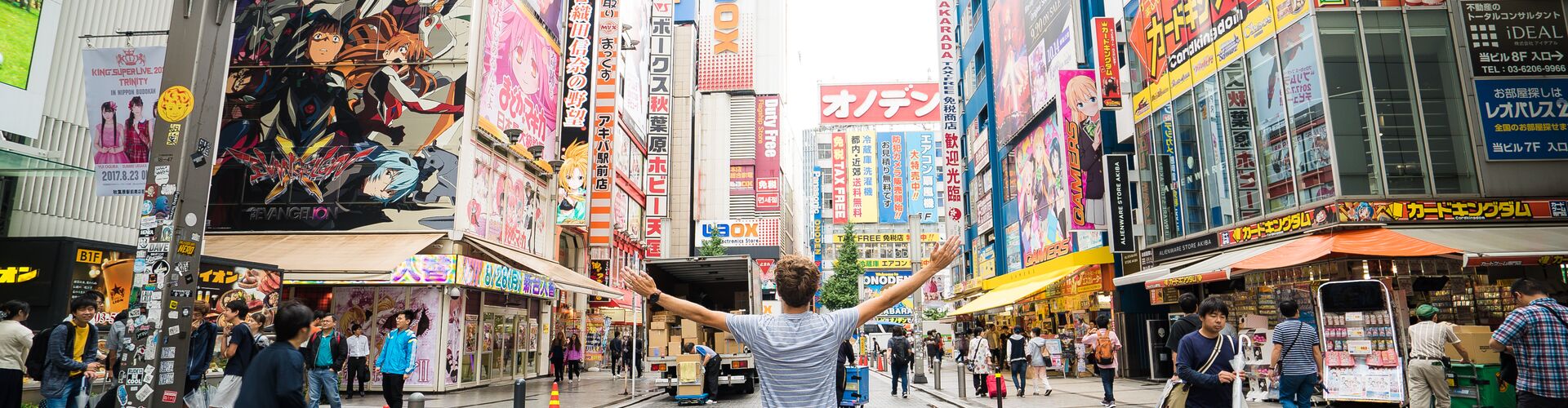
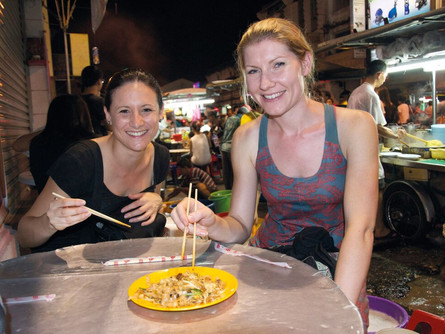
Konnichiwa! Welcome to Japan. Whether you’re drawn to anime or manga, skyscrapers or cherry blossoms, sushi or ramen, you’re in the right place. Your adventure begins with a welcome meeting at 6 pm, where you’ll meet your fellow travellers and local leader. After, maybe get to know your group better with an optional dinner and explore Tokyo’s nightlife. Consider taking a walk down Shinjuku’s Omoide Yokocho or ‘Memory Lane’ – a narrow alley lined with busy restaurants and bar stalls that originated in the 1940s as a black market. Today, it’s one of the best spots to try some of Tokyo’s local street food.
Day 2: Aomori
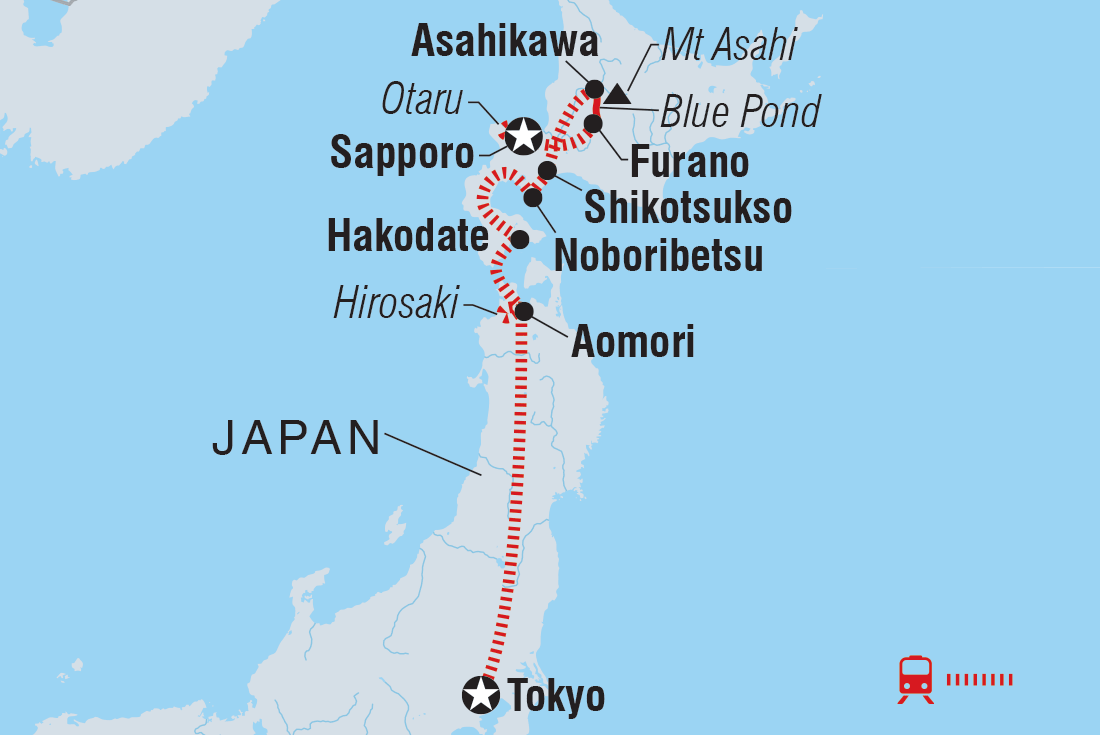
Hop on a shinkansen (bullet train) this morning and head north to Aomori – sit back and enjoy the views as you zoom past the countryside. When you arrive, get your bearings with a leader-led orientation walk and then enjoy a free afternoon. Maybe visit the Sannai Maruyama Archaeological Site, which gives an insight into how prehistoric Japanese people lived, or the Aomori Museum of Art, which features an impressive blend of contemporary art and local heritage exhibitions. Seafood lovers might want to check out Aomori Nokkedon – a market where you can build your own seafood rice bowl with a variety of local catches, such as sea urchin and squid, using a fun ticket-based system (simply exchange a ticket for the seafood of your choice).
Day 3: Hirosaki/ Aomori
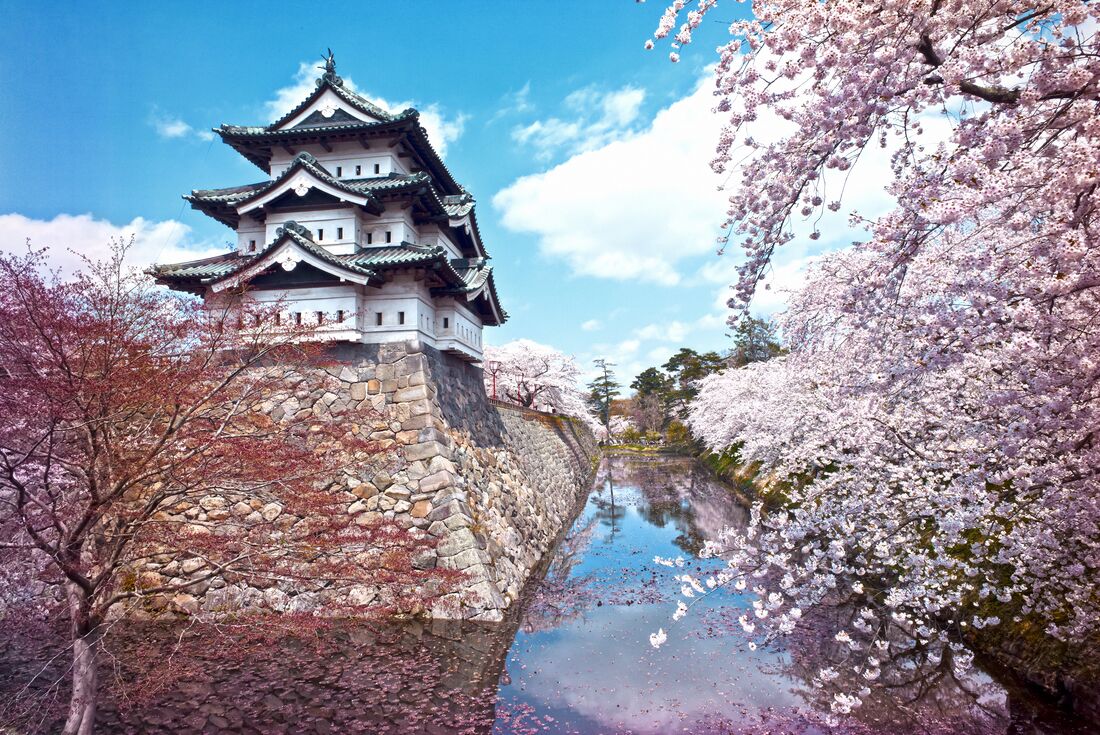
Hop on a train this morning and head to Hirosaki for the day. One of the most famous festivals in Japan is held here every August – the Nebuta Matsuri – featuring large lantern floats depicting warriors and mythical creatures. You’ll see some of these floats on display in Tsugaru-han Neputa Village, before you make your way to Hirosaki Park, which provides incredible cherry blossom views every spring. Visit Fujita Memorial Garden to see an example of traditional Japanese landscaping afterwards and then head back to Aomari for a free afternoon.
Day 4: Hakodate
Today, you’ll make your way to Hokkaido Island via shinkansen (bullet train). When you arrive in Hakodate, your leader will guide you on an orientation walk, with a stop at a fish market for lunch. The market is famous for its fresh seafood and is a great spot to try some local delicacies like kaisuke (oysters) or kaisendon (seafood donburi). Continue to Goryokaku Tower for views of the national historic site Goryokaku – a star-shaped public park, which was once a fort designed to modernise the island’s military defence. The evening is free for you to explore Hakodate as you wish – ask your leader for the best restaurant recommendations!
Day 5: Noboribetsu
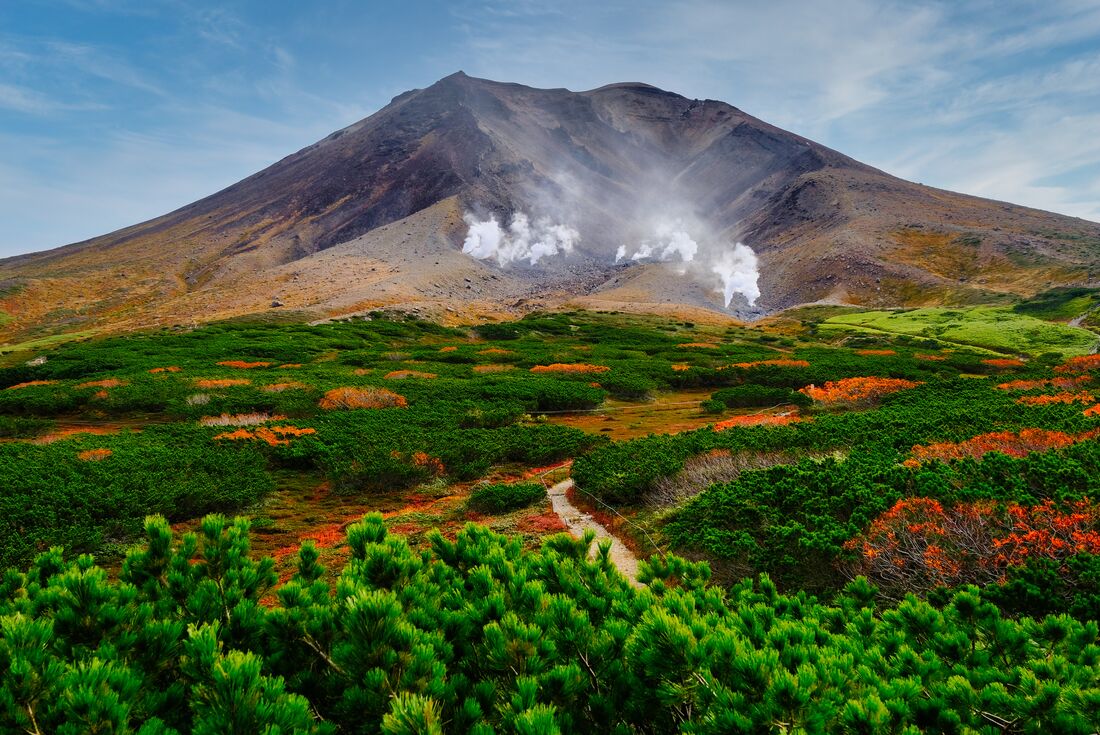
Traverse more of Hokkaido today by heading to Noboribetsu by train – a famous onsen (hot spring) town which is part of the larger Shikotsu-Toya National Park. You’ll go straight to Jigokudani, literally meaning ‘Hell Valley’ – this is an apt name for the volcanic activity on display! There are nine different types of onsen in Noboribetsu and they’re all powered by the geothermal activity at this volcanic crater. Tonight, you’ll stay in a ryokan hotel (traditional Japanese inn) that offers a range of onsen baths to try – the perfect chance to soak away your travel fatigue.
Day 6: Lake Shikotsu
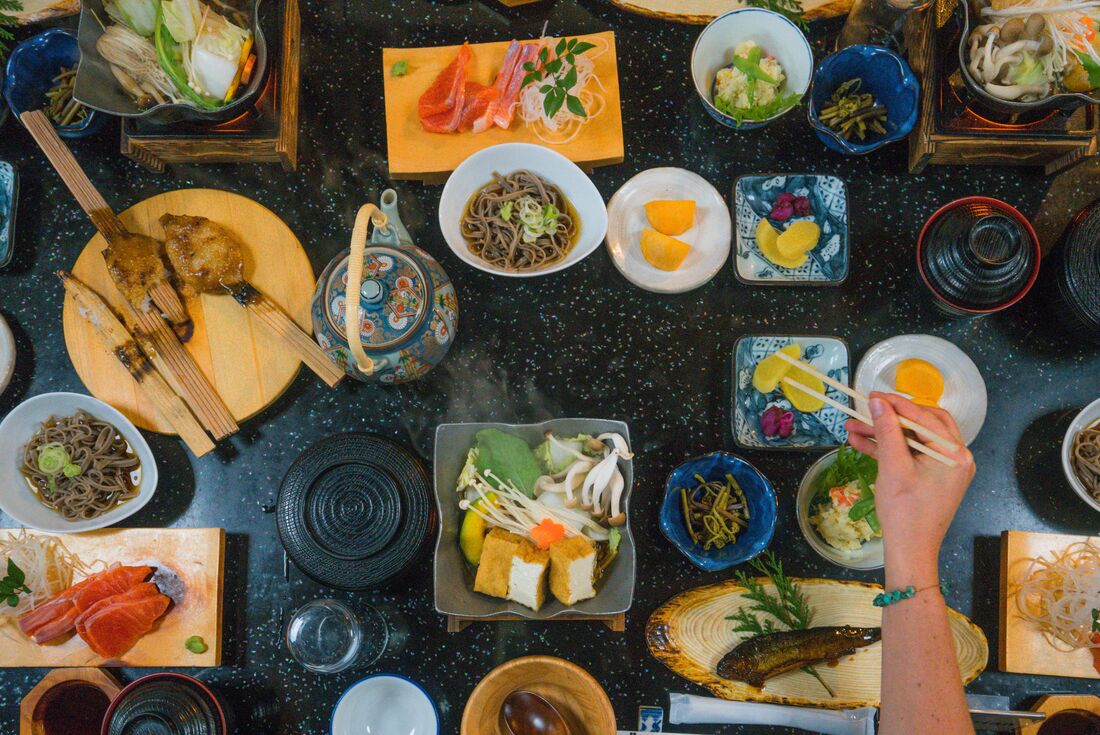
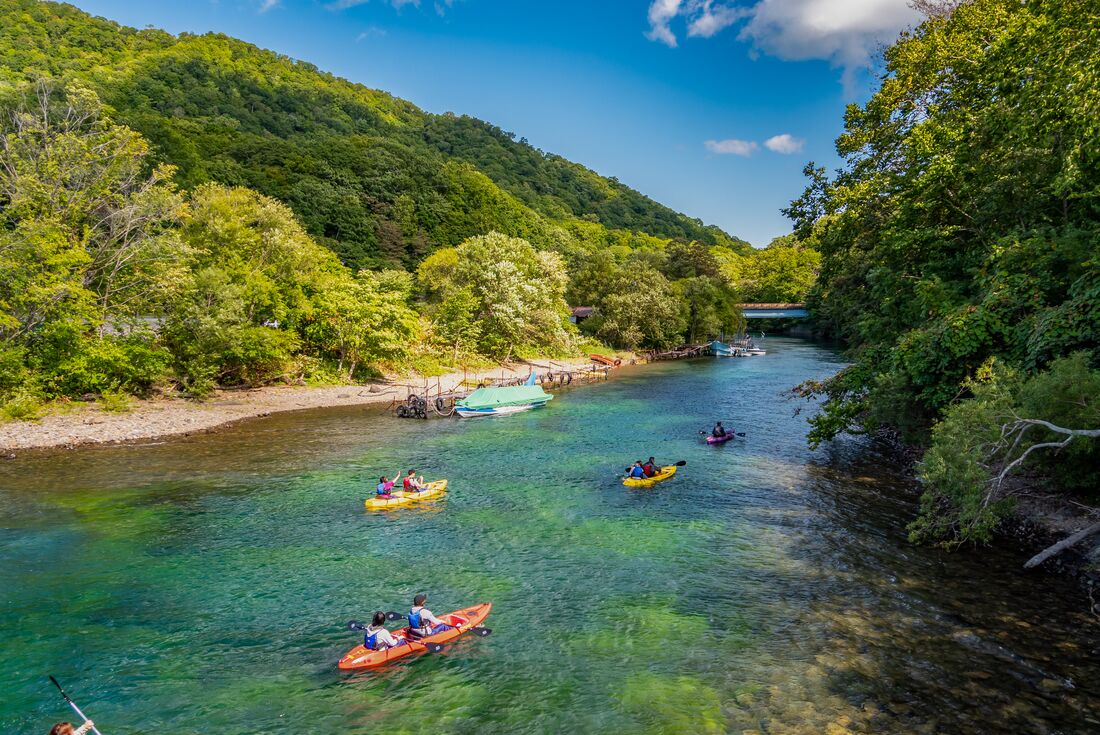
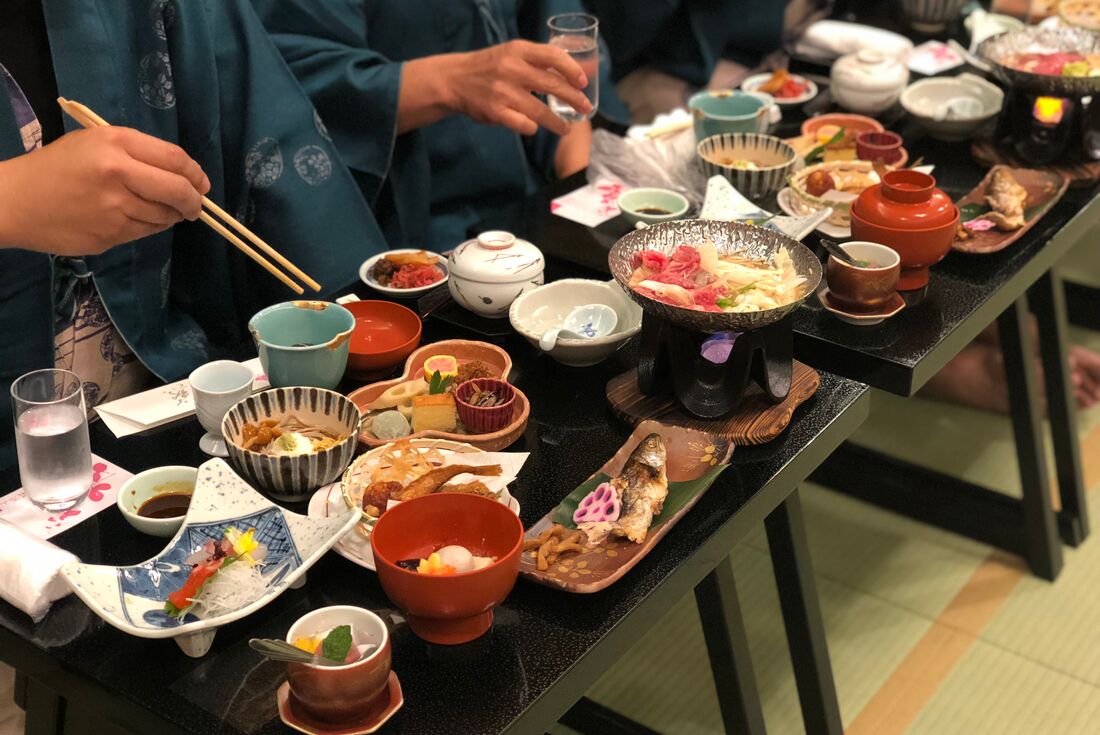
Pass through rural Hokkaido as you travel to Lake Shikotsu by train and bus, where you’ll be welcomed by the sight of this majestic caldera lake formed by volcanic activity. Cruise along the clear water in the afternoon in a canoe and admire the surrounding forests. Lake Shikotsu is known for its natural beauty and tranquil atmosphere, so soak up the calm vibe as you cruise. Return to another ryokan hotel this evening and take advantage once again of the relaxing hot springs. Then, tuck into a kaiseki dinner – a traditional Japanese fine dining multi-course experience.
Day 7: Asahikawa
Today, you’ll journey to Asahikawa – the second largest city in Hokkaido, located in the heart of the island. It’s one of the coldest cities in Japan, so make sure you layer up for your leader-led orientation walk if you’re visiting during winter. After, maybe check out Otokoyama Sake Brewing Museum, where you can learn about sake-making methods and sample some of the renowned local beverage. You can also opt to walk along Japan’s first permanent pedestrian shopping street – Heiwa Dori Shopping Street – or visit Alley Furarito for some casual dining or izakaya (Japanese-style pub) options.
Day 8: Asahikawa
Start your day with a visit to the Kawamura Kaneto Ainu Museum and learn about the rich culture of Ainu people – an indigenous group from the northern regions of Japan. This is the first Ainu museum in Hokkaido – it was set up in the 1930s by an Ainu family who was hoping to preserve Ainu culture through the museum, and it's still owned by the same family. Join a guided tour to gain insight into Ainu history and traditions. If you’re lucky, the tour might be led by a member of the Ainu family who established the museum. After, get familiar with Ainu cuisine during a cooking demonstration showcasing Ainu dumplings (and then sample some for yourself!).
Day 9: Furano
Hop in a private transfer to Asahidake Ropeway – a line that climbs Mt Asahi, the tallest mountain in Hokkaido. Get all the rewards without the sweaty workout by riding the ropeway up the mountain, taking in the bird’s eye views. After, drive to the Blue Pond – a body of water with a deep blue hue caused by natural minerals – before continuing to Furano, where you’ll spend the night. For dinner this evening, maybe try some local delicacies like Furano wine and cheese.
Day 10: Sapporo
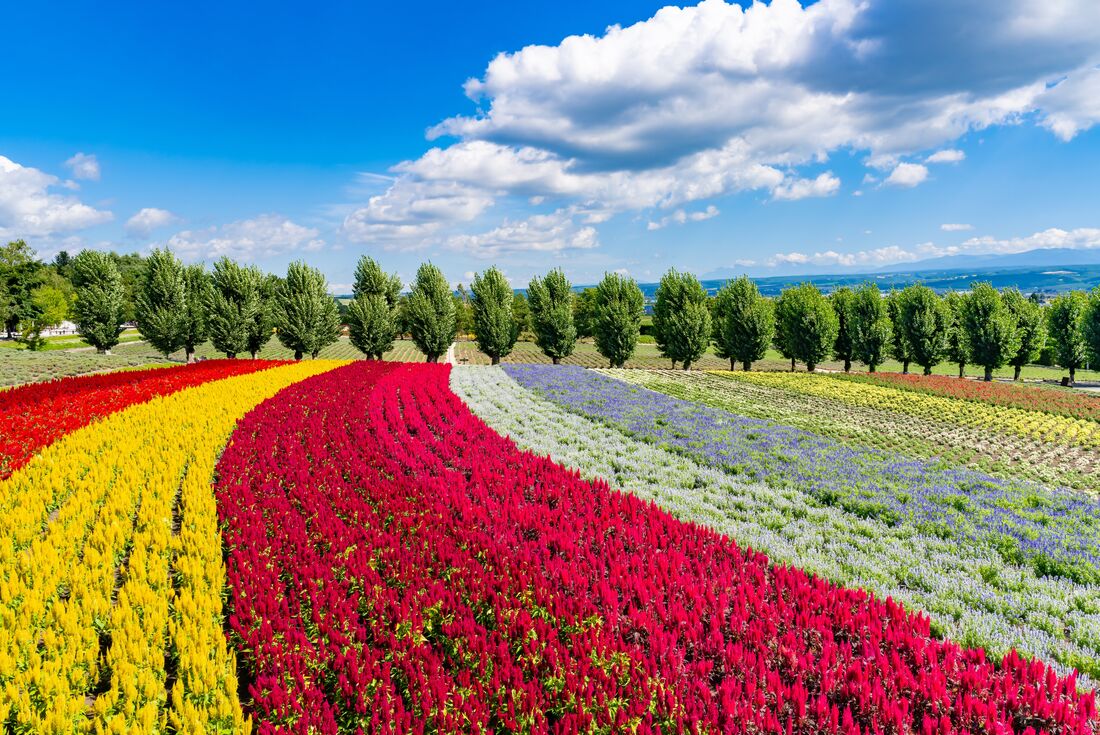
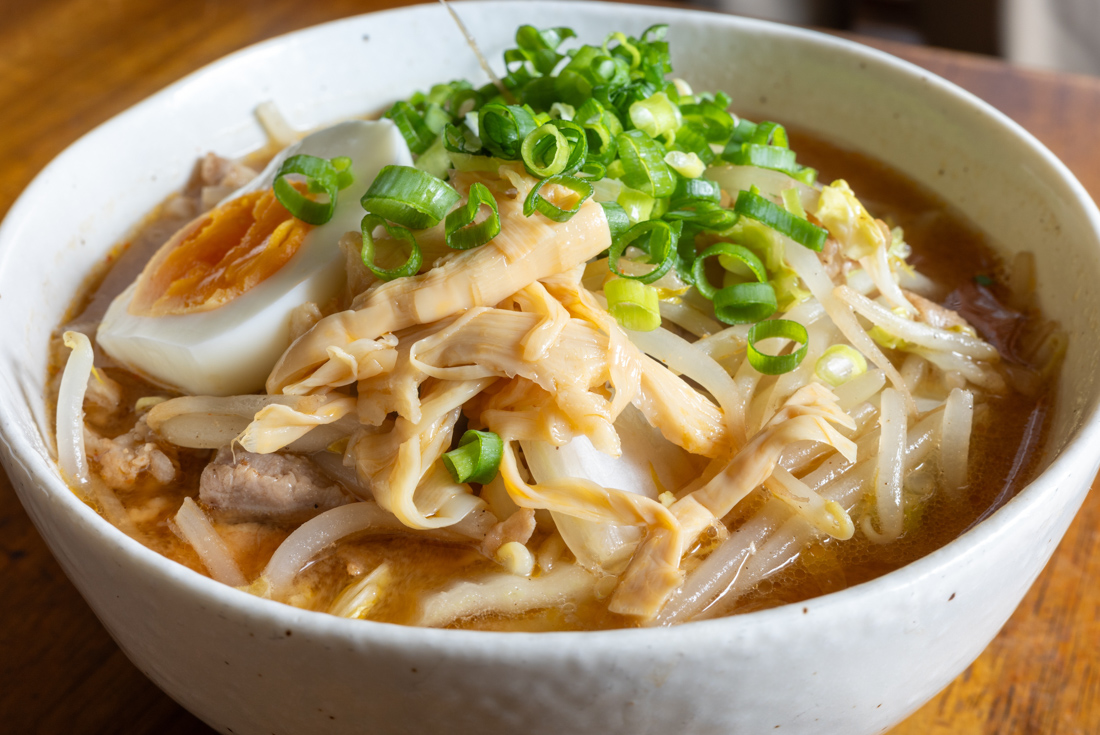
Stop and smell the flowers with a morning visit to Tomita Farm. From late June to early August, you’ll see the expansive lavender fields that have made the farm famous in Japan and beyond – and there are plenty of other colourful crops to admire outside of those summer months. After, travel by train to Sapporo – the capital city of Hokkaido. Known for its winter sports scene, Sapporo is bordered by mountains and ski hills. You’ll also notice it has a grid-based street layout, which is very rare for Japan – and easy to navigate! The evening is yours to explore at our own pace – maybe stop for a Sapporo beer and miso ramen at a local restaurant.
Day 11: Otaru/ Sapporo
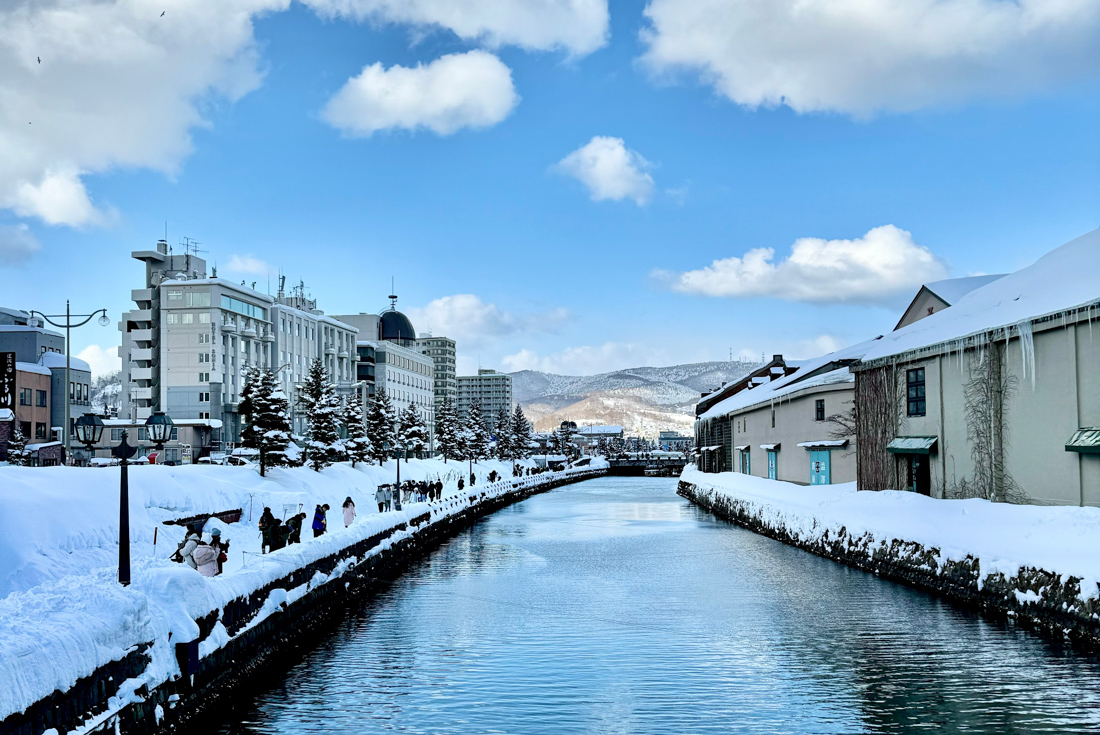
Head out on daytrip today to Otaru – a nearby town with a scenic canal area – and enjoy some free time roaming the streets. Maybe visit the Otaru Music Book Museum, home to 25,000 music boxes and lots to learn about the city’s music box craftsmanship. If you visit during February, you might catch the Snow Light Path Festival – a winter wonderland of lanterns and snow sculptures. Head back to Sapporo for a farewell dinner of Sapporo's signature Genghis Khan barbecue lamb and toast to your Japanese adventure with your group.
Day 12: Sapporo
With no activities planned for today, your trip comes to an end this morning after breakfast. If you’d like to extend your stay, just speak to your booking agent ahead of time to organise additional accommodation.