



Trip Type: Explorer
Starts From:
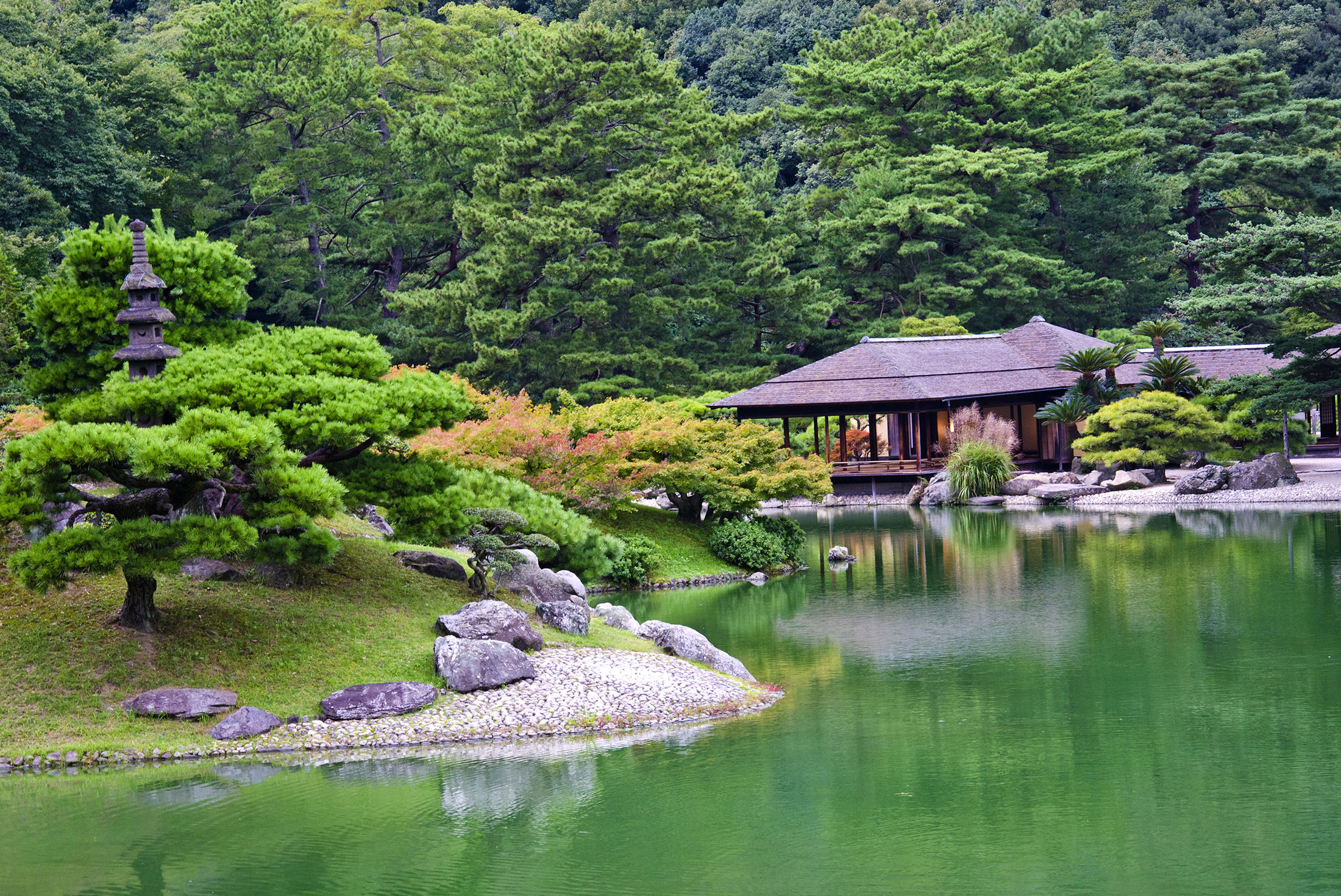
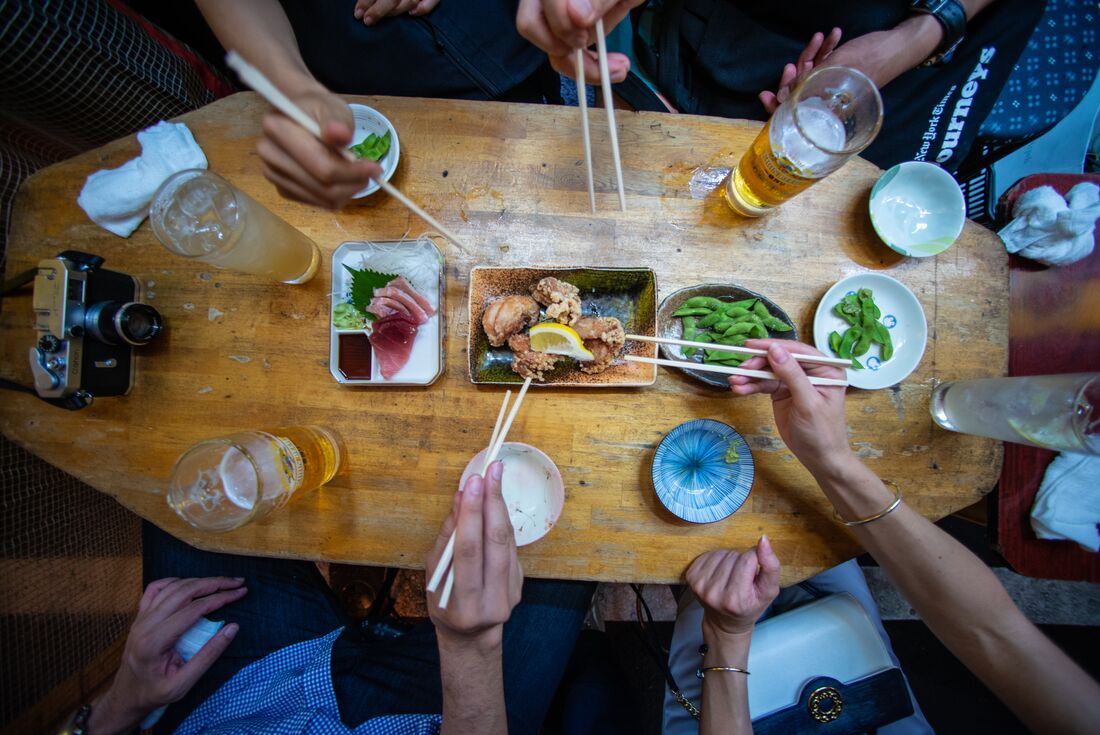
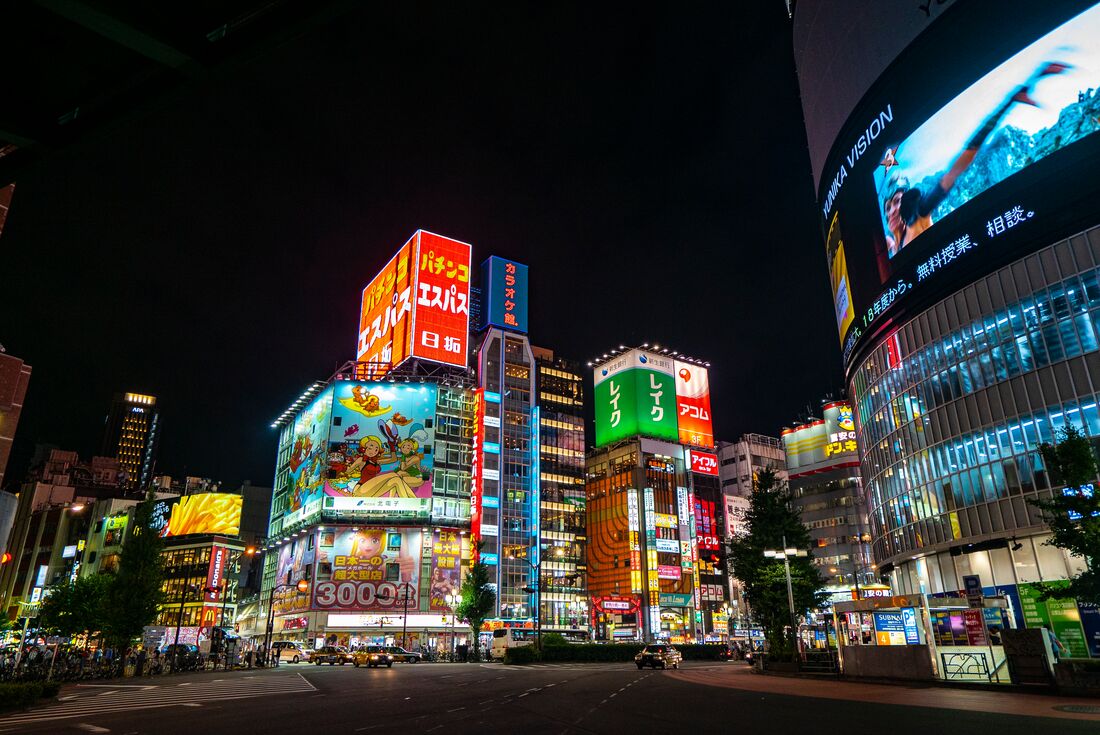
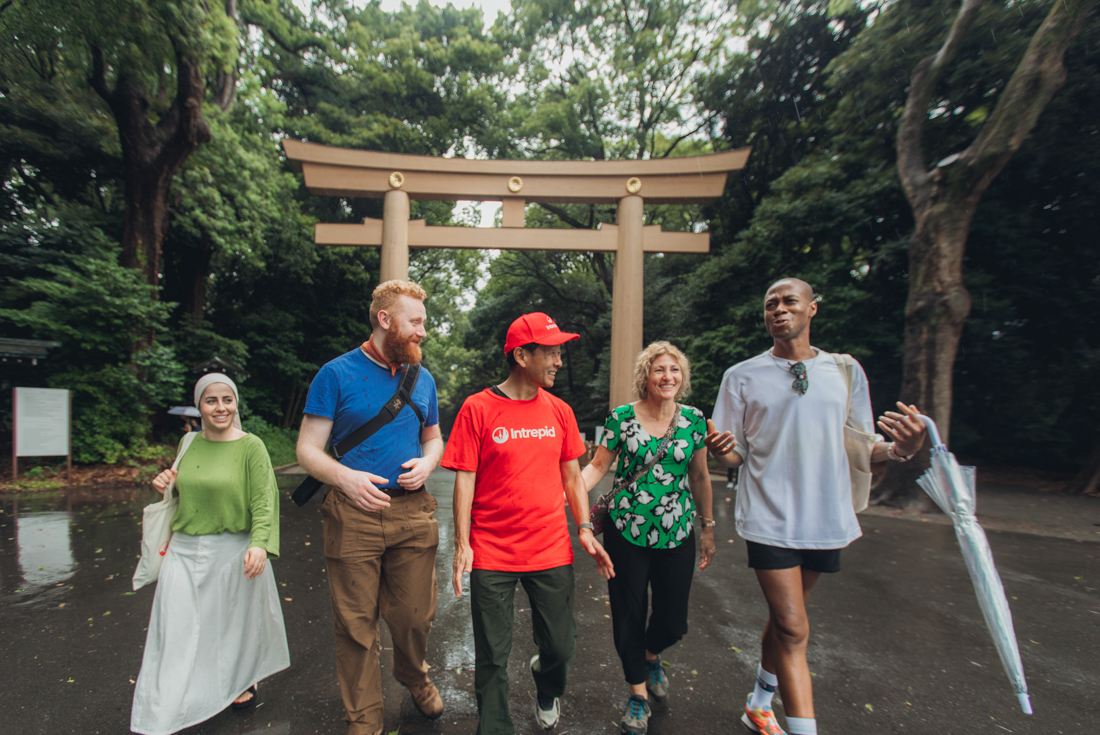
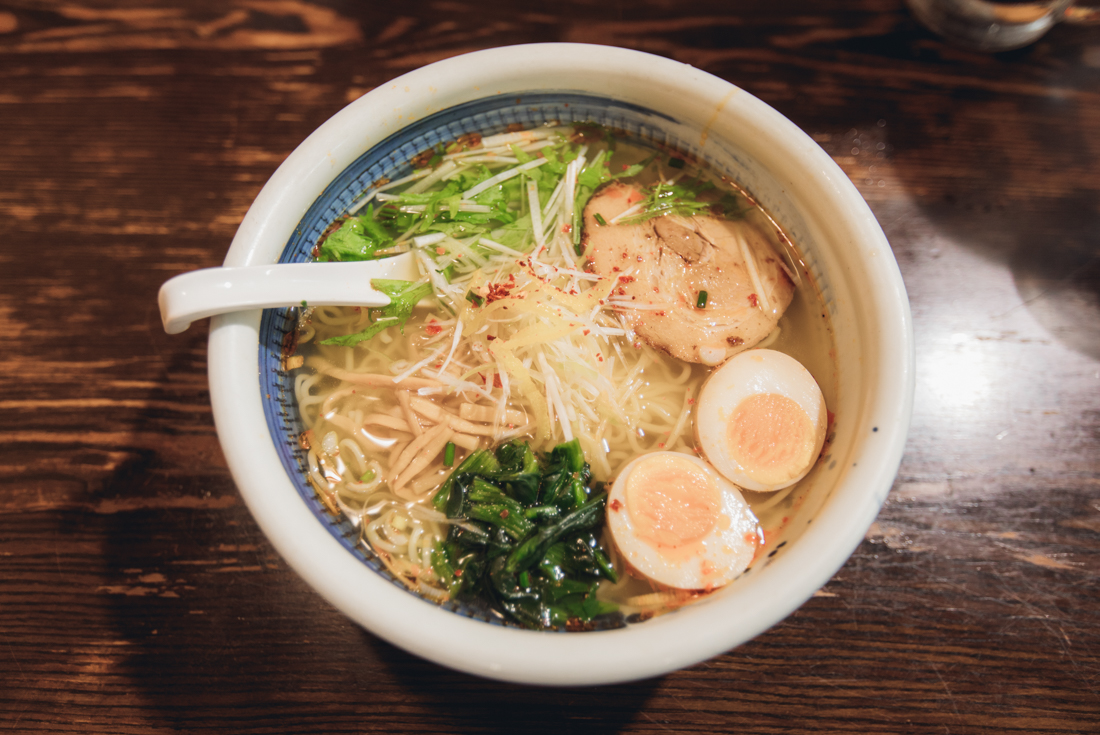
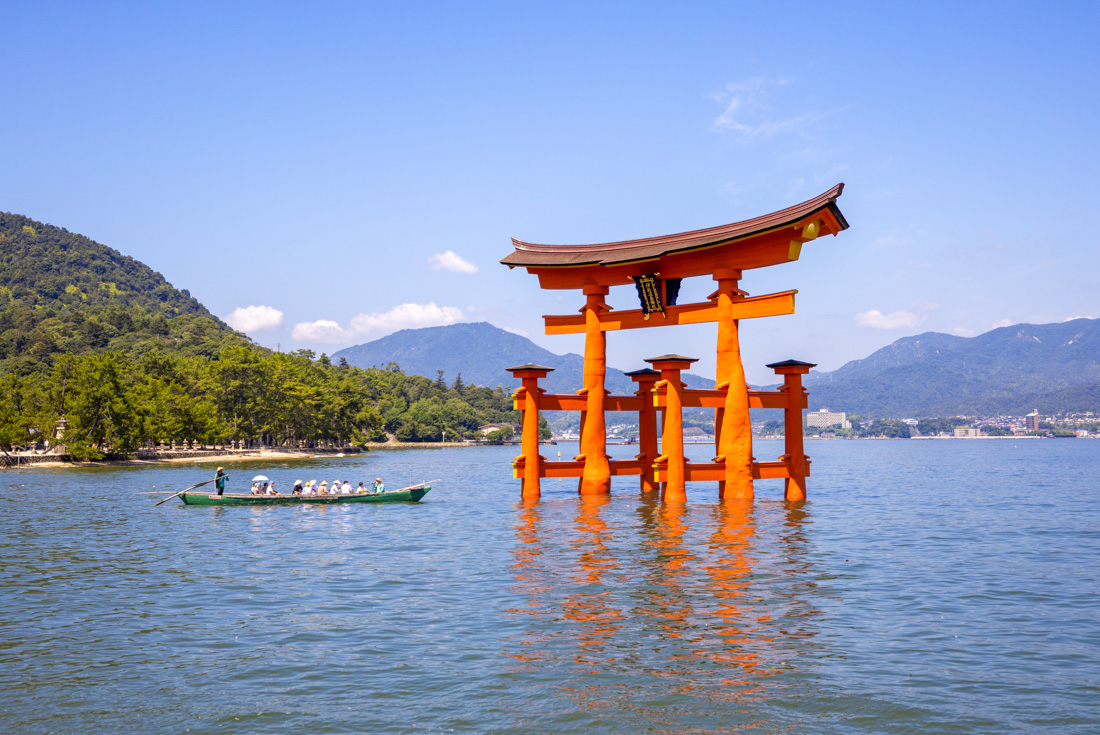
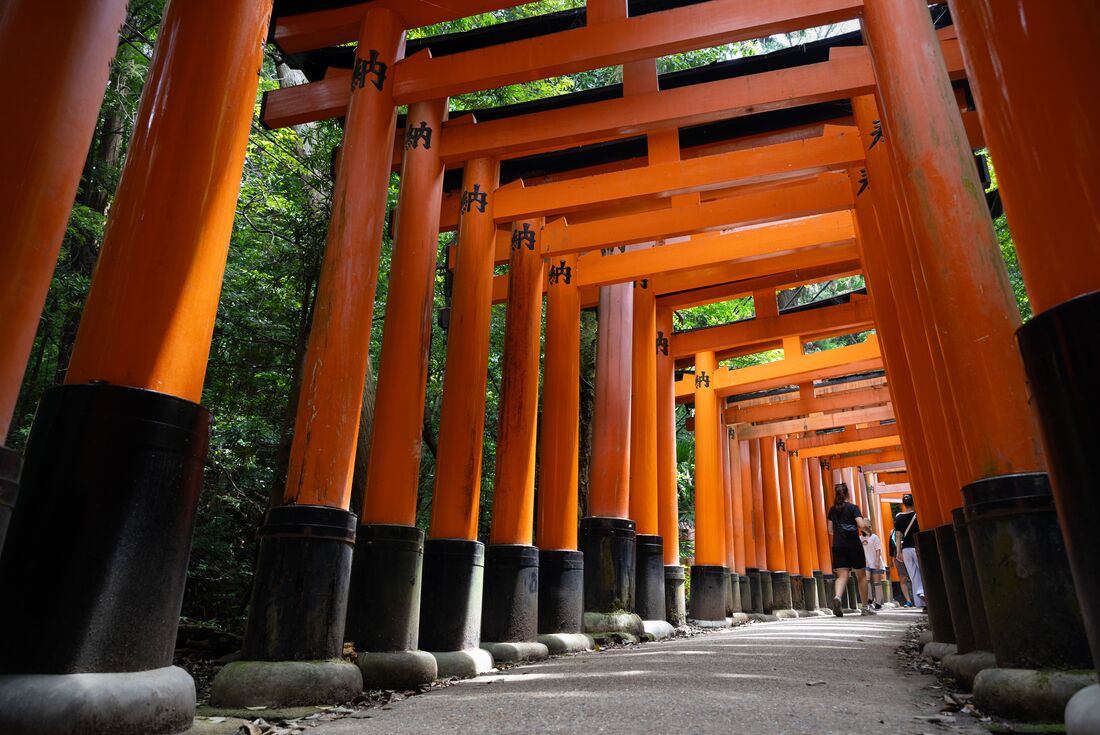
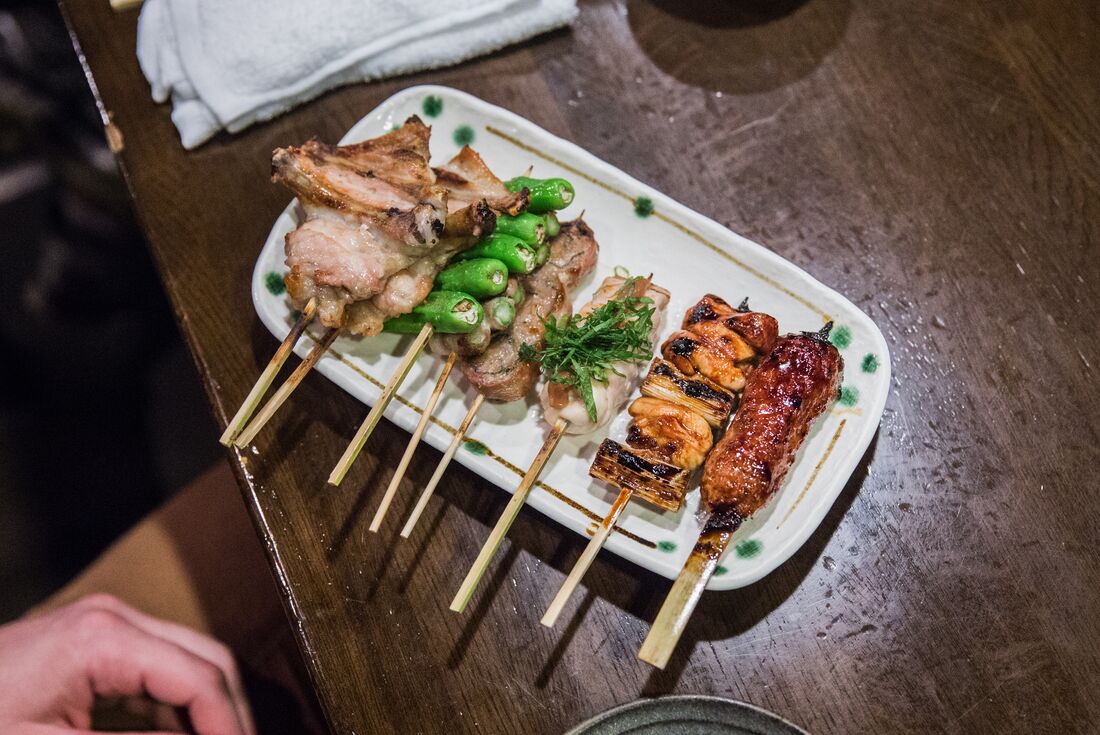
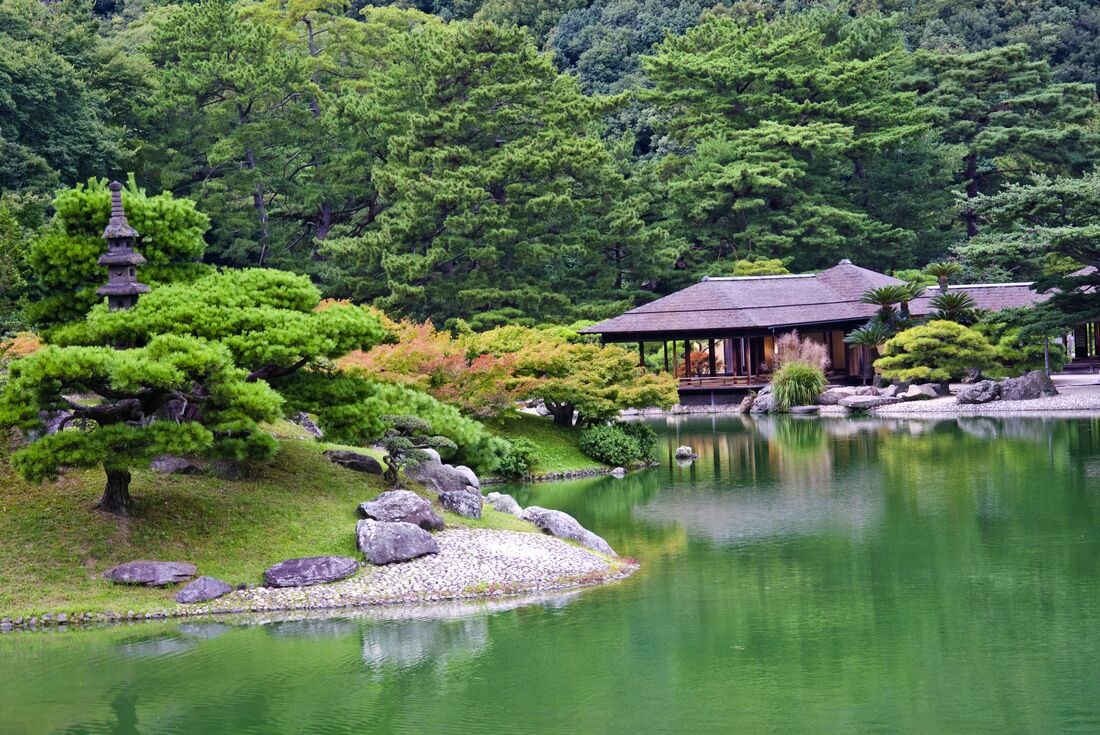
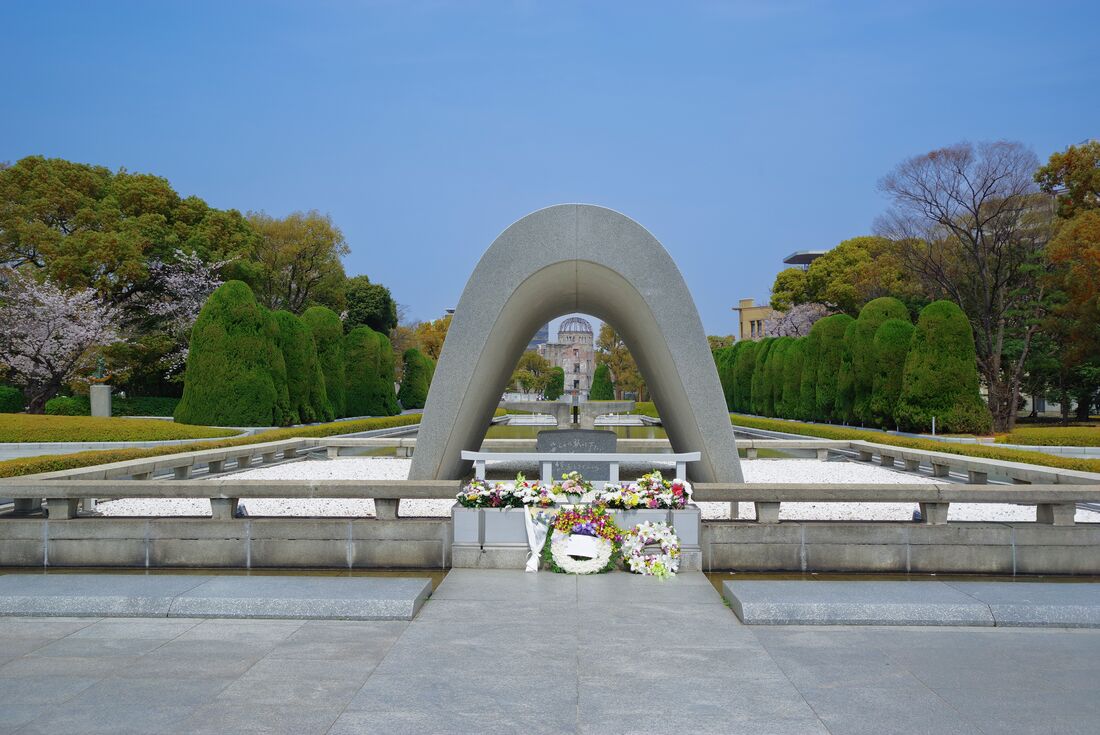
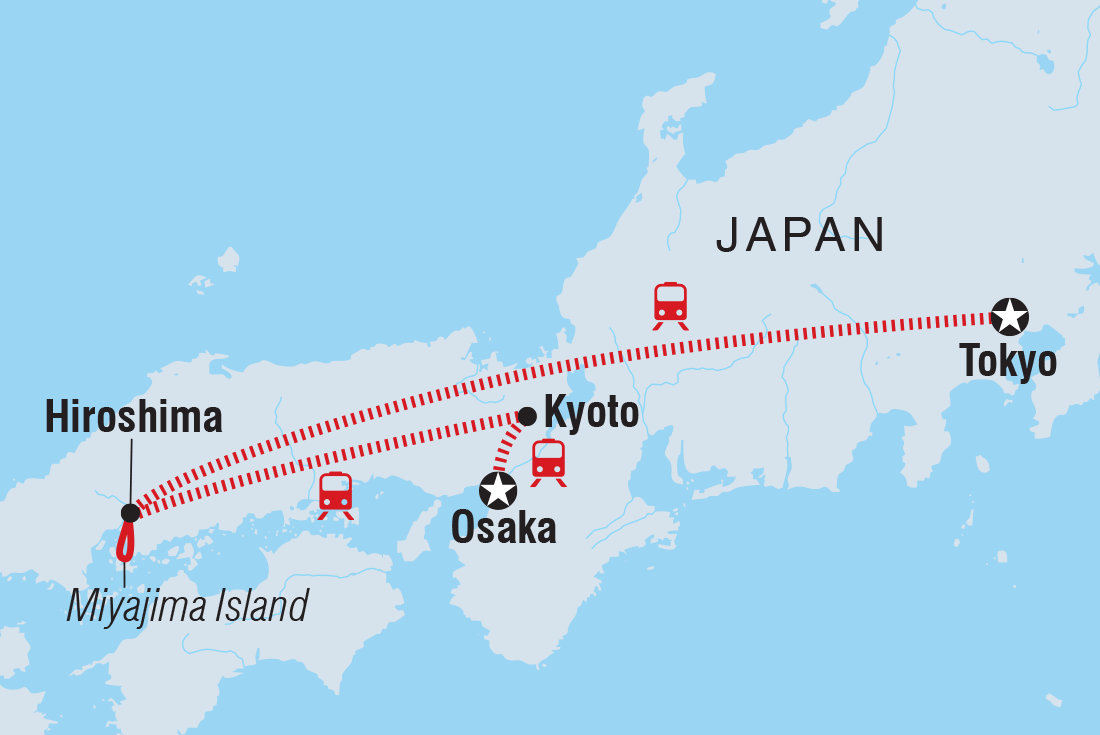
NZD $3,330.00 /PersonHome to sumo wrestling, sake, geishas, karaoke and onsens, Japan’s got a lot going for it. And on this nine-day trip to some of its most acclaimed cities, you’ll get to see the country at its best. Take in the neon nightlife of Tokyo, reflect during a visit to Hiroshima, discover thousands of years of culture and history in Kyoto and finish in the eclectic Osaka. And have you heard about the food? World-class sushi, ravishing ramen, delectable donburi – you certainly won’t be going hungry. With your local leader to point you in all the right directions and plenty of free time to customise your adventure, experience the culture and charm of the ‘Land of the Rising Sun’.
Meals
0 breakfasts and 0 dinners are included
Transport
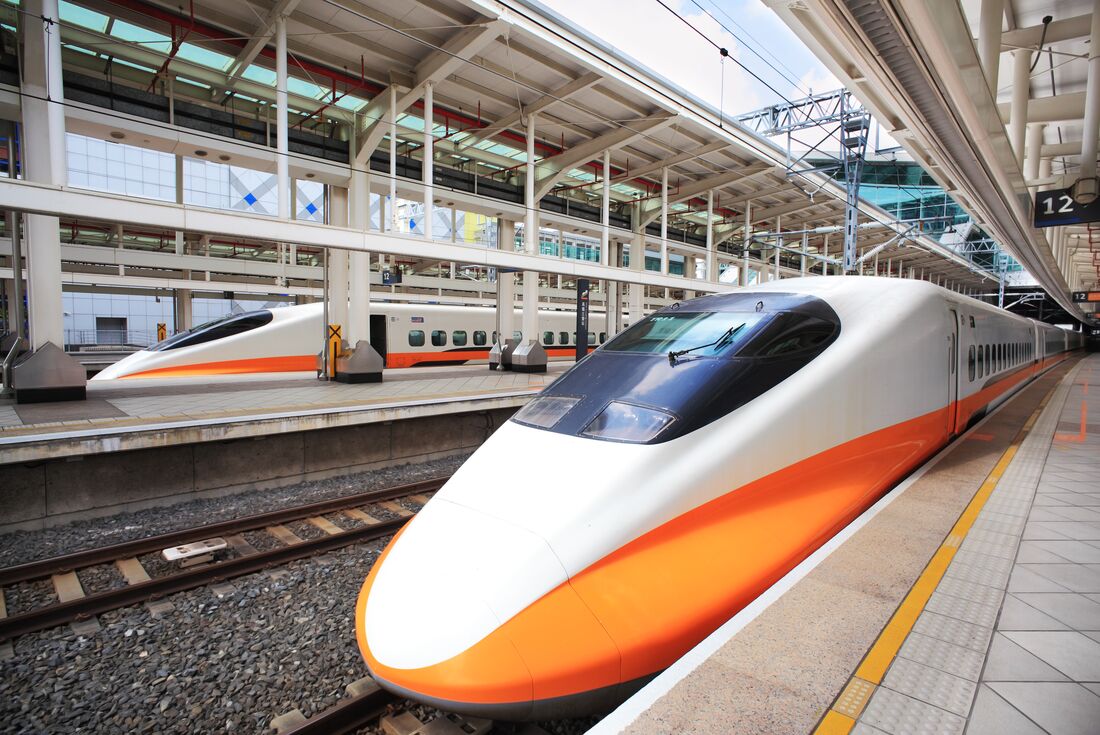
Public Bus, Metro, Train, Bullet Train
Accomodation
Multishare Pod Hostel (2 nights), Basic Hotel (6 nights)
Included Activities
Departing
Finishing
Availability
24 Oct 2026
01 Nov 2026
Available
07 Nov 2026
15 Nov 2026
Available
14 Nov 2026
22 Nov 2026
Available
18 Nov 2026
26 Nov 2026
Available
12 Dec 2026
20 Dec 2026
Available
20 Feb 2027
28 Feb 2027
Available
13 Mar 2027
21 Mar 2027
Available
20 Mar 2027
28 Mar 2027
Available
27 Mar 2027
04 Apr 2027
Available
31 Mar 2027
08 Apr 2027
Available
03 Apr 2027
11 Apr 2027
Available
07 Apr 2027
15 Apr 2027
Available
10 Apr 2027
18 Apr 2027
Available
08 May 2027
16 May 2027
Available
15 May 2027
23 May 2027
Available
22 May 2027
30 May 2027
Available
29 May 2027
06 Jun 2027
Available
05 Jun 2027
13 Jun 2027
Available
12 Jun 2027
20 Jun 2027
Available
26 Jun 2027
04 Jul 2027
Available
03 Jul 2027
11 Jul 2027
Available
21 Jul 2027
29 Jul 2027
Available
28 Jul 2027
05 Aug 2027
Available
21 Aug 2027
29 Aug 2027
Available
25 Aug 2027
02 Sep 2027
Available
01 Sep 2027
09 Sep 2027
Available
08 Sep 2027
16 Sep 2027
Available
29 Sep 2027
07 Oct 2027
Available
02 Oct 2027
10 Oct 2027
Available
09 Oct 2027
17 Oct 2027
Available
23 Oct 2027
31 Oct 2027
Available
30 Oct 2027
07 Nov 2027
Available
06 Nov 2027
14 Nov 2027
Available
10 Nov 2027
18 Nov 2027
Available
13 Nov 2027
21 Nov 2027
Available
27 Nov 2027
05 Dec 2027
Available
11 Dec 2027
19 Dec 2027
Available
19 Feb 2028
27 Feb 2028
Available
11 Mar 2028
19 Mar 2028
Available
18 Mar 2028
26 Mar 2028
Available
25 Mar 2028
02 Apr 2028
Available
29 Mar 2028
06 Apr 2028
Available
01 Apr 2028
09 Apr 2028
Available
05 Apr 2028
13 Apr 2028
Available
08 Apr 2028
16 Apr 2028
Available
12 Apr 2028
20 Apr 2028
Available
06 May 2028
14 May 2028
Available
13 May 2028
21 May 2028
Available
20 May 2028
28 May 2028
Available
27 May 2028
04 Jun 2028
Available
03 Jun 2028
11 Jun 2028
Available
10 Jun 2028
18 Jun 2028
Available
24 Jun 2028
02 Jul 2028
Available
01 Jul 2028
09 Jul 2028
Available
19 Jul 2028
27 Jul 2028
Available
26 Jul 2028
03 Aug 2028
Available
19 Aug 2028
27 Aug 2028
Available
23 Aug 2028
31 Aug 2028
Available
30 Aug 2028
07 Sep 2028
Available
06 Sep 2028
14 Sep 2028
Available
27 Sep 2028
05 Oct 2028
Available
30 Sep 2028
08 Oct 2028
Available
07 Oct 2028
15 Oct 2028
Available
21 Oct 2028
29 Oct 2028
Available
28 Oct 2028
05 Nov 2028
Available
04 Nov 2028
12 Nov 2028
Available
08 Nov 2028
16 Nov 2028
Available
11 Nov 2028
19 Nov 2028
Available
Destination Details
Ready To See The World? You’ve Come To The Right Place.