Day 1: Shanghai
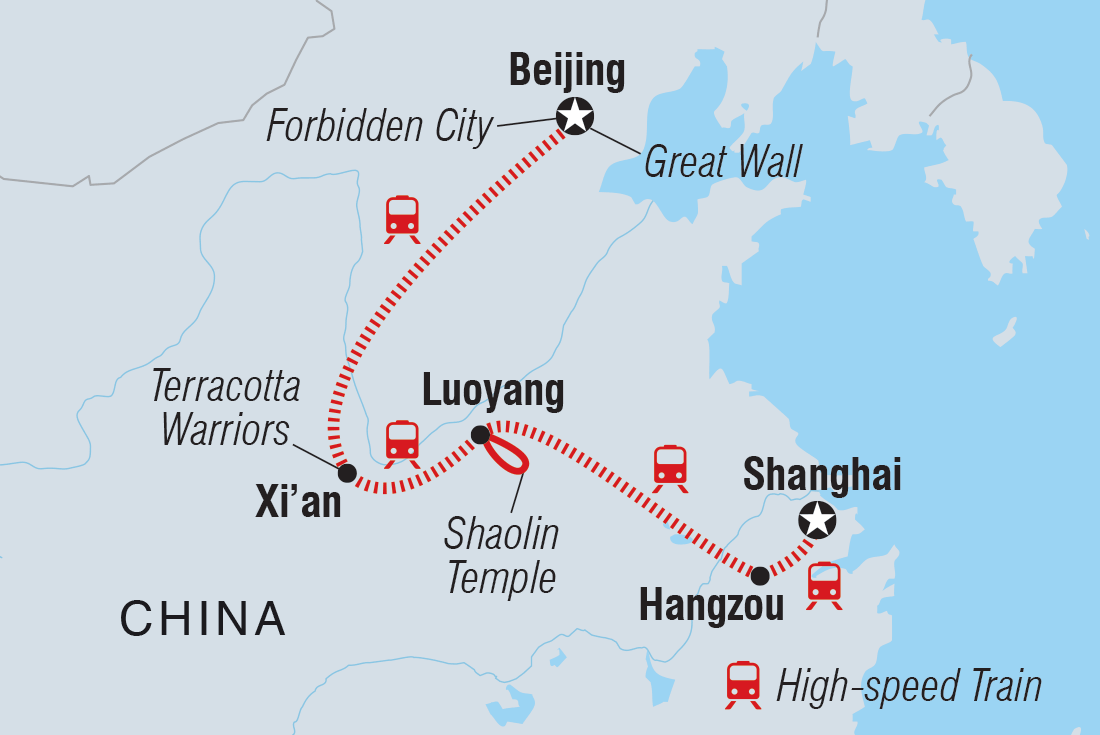
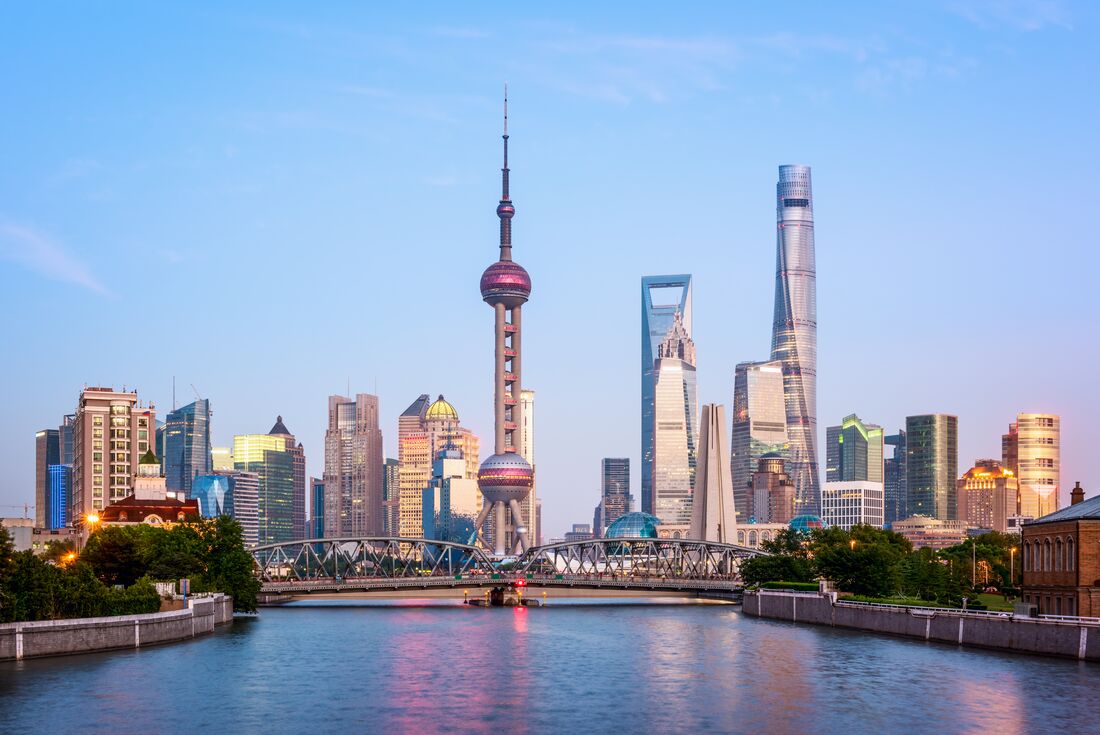
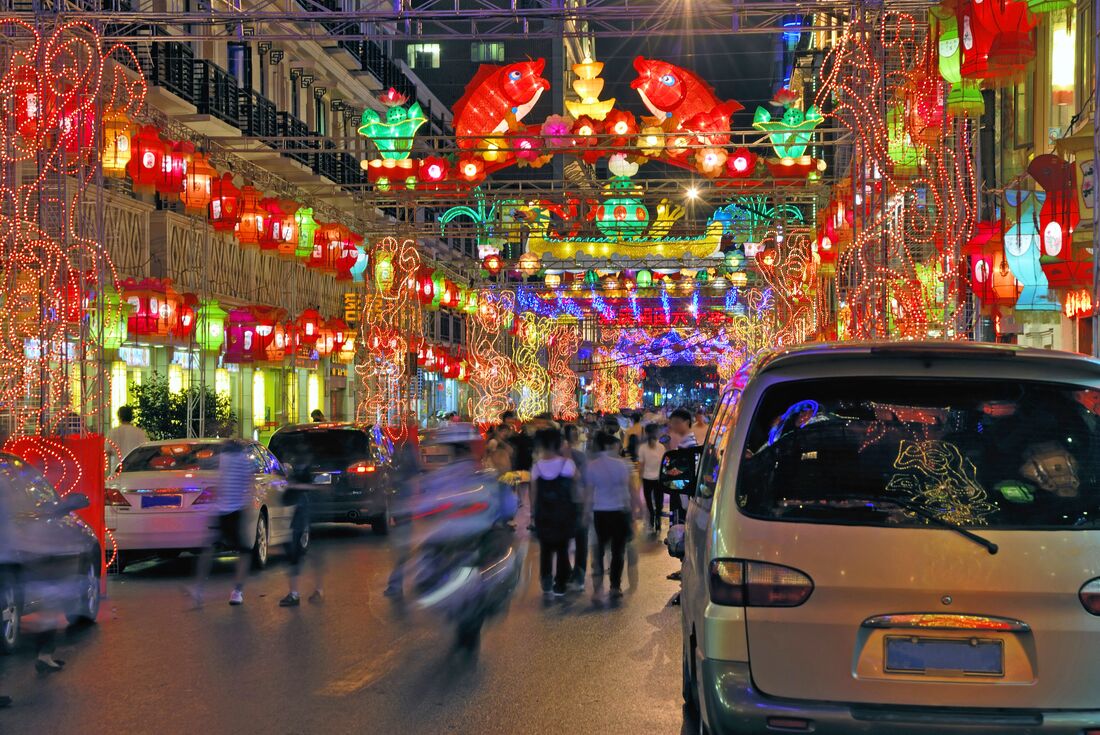
Nimen hao! Welcome to Shanghai. Your trip begins with a welcome meeting at 6 pm where you’ll meet your group leader and fellow travellers. After, the evening is free – maybe head to the crown jewel of Shanghai skyscrapers, Shanghai Tower, for a bird’s-eye view of the city or visit the Shanghai Propaganda Poster Art Center. You can also consider heading out for a group dinner to get to know each other – your leader will have a great recommendation.
Day 2: Shanghai
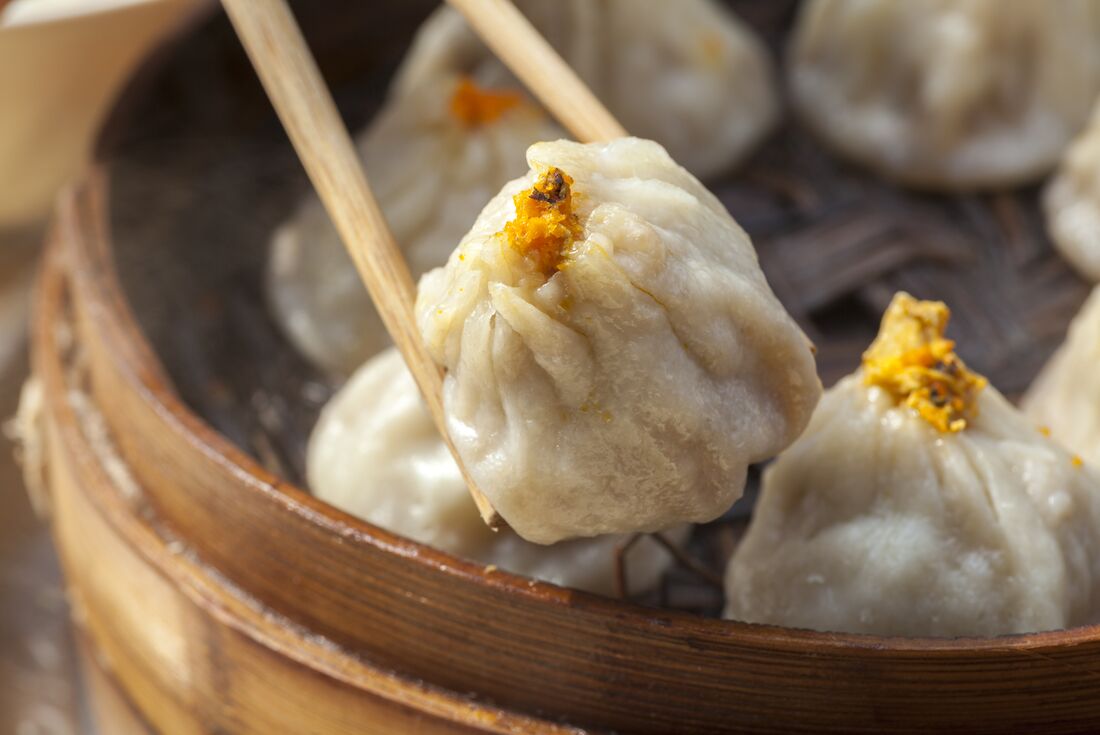
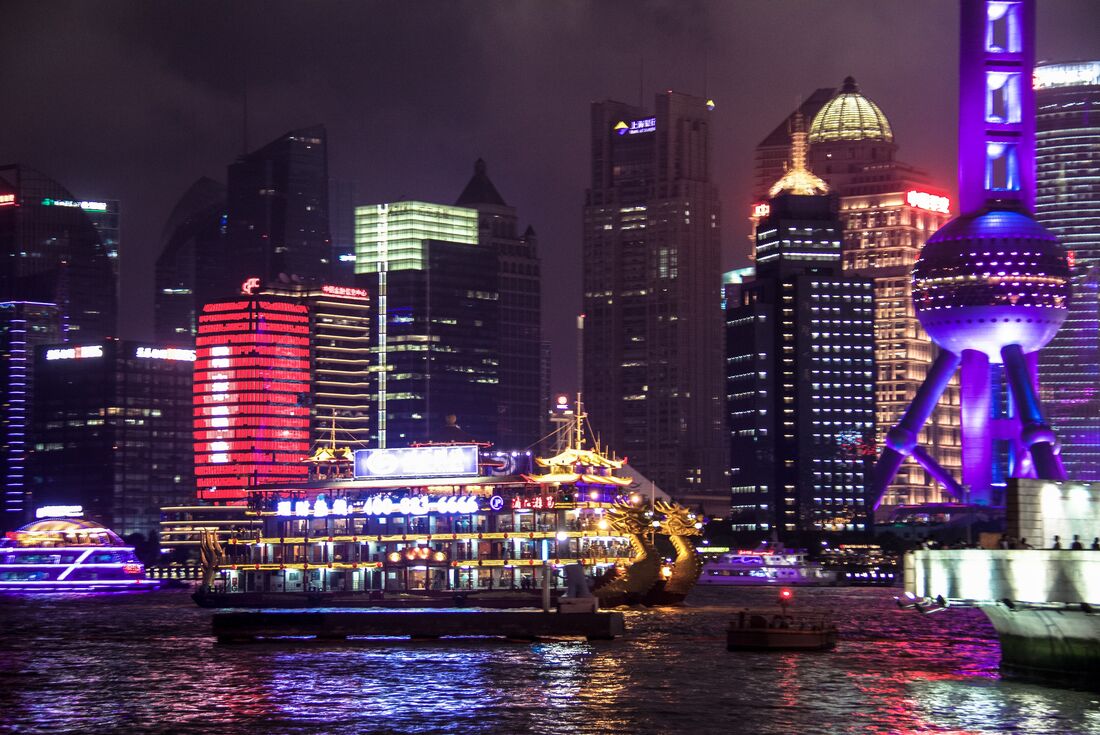
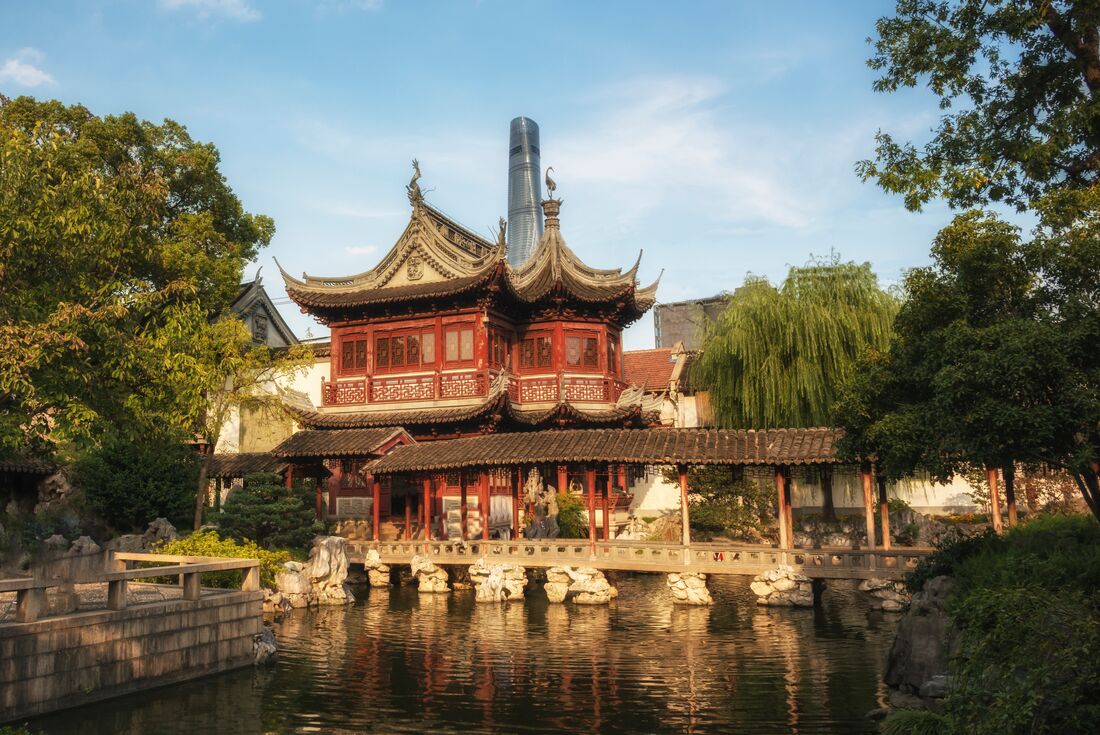
Join your leader for a walking tour through Shanghai. Get a taste of 1920s Shanghai at the Bund – a spectacular array of Art Deco-style buildings lining what was once the most important financial street in Asia. Take in the view of the Shanghai skyline stretching across the Huangpu River. Stop off at Yu Garden – crafted by Pan Yunduan in 1559, this hidden spot was designed to resemble a traditional Chinese botanical garden. The afternoon is free for you to explore at your own pace. Perhaps stroll the tree-lined streets of the French Concession, visit the Shanghai Museum or hit the observation deck at one of the skyscrapers in the Pudong area. This evening, rejoin your group for an included dinner. You might try some local specialties like hong shao rou (braised pork belly) or shengjian bao (pan-fried pork buns).
Day 3: Shanghai/Hangzhou
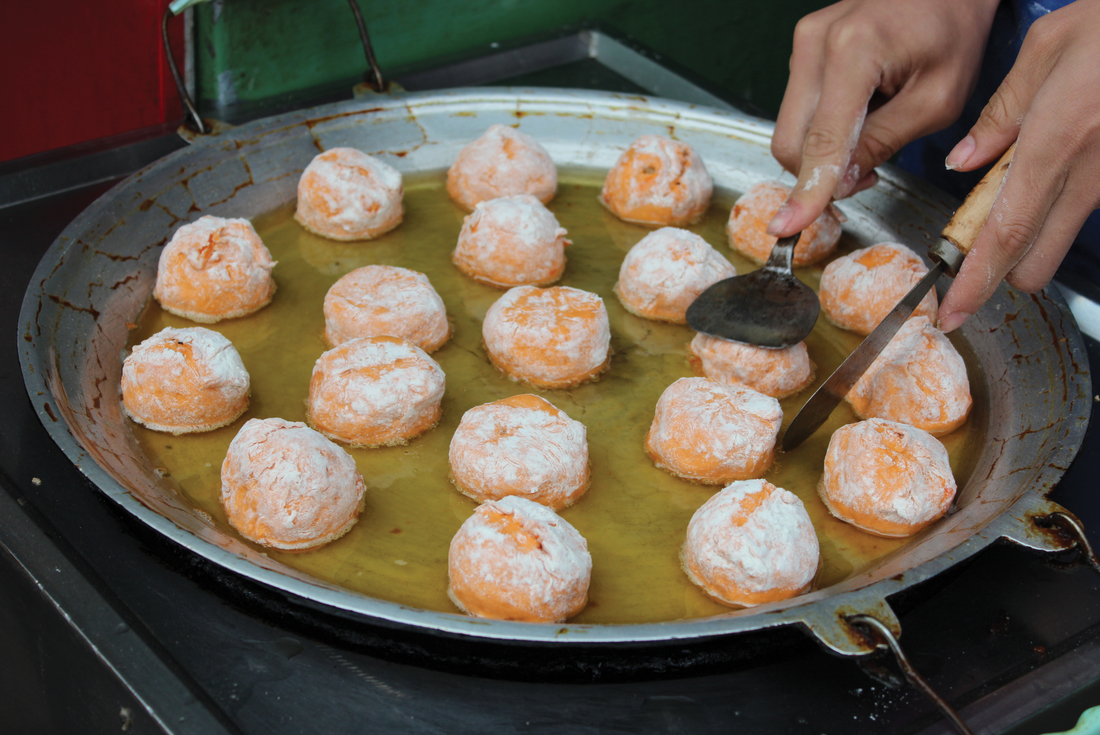
Enjoy a leisurely morning or catch some final Shanghai sights, like the Jade Buddha temple. In the mid-afternoon, hop on a train to Hangzhou – one of the seven ancient capitals of China. An ancient Chinese saying goes, ‘Just as there is a paradise in heaven, there are Suzhou and Hangzhou on earth.’ You'll see why the locals feel this way when you head to the West Lake with your leader – this spot has inspired Chinese artists for centuries. In the evening, why not wander Wulin Night Market in search of local snacks like cong bao hui (a traditional scallion pancake).
Day 4: Hangzhou
Start your day with a visit to a local tea farmer’s home in Longjing (aka ‘Dragon Well Village’), where some of the best green tea in China is produced. Sip a freshly brewed cup as you learn about tea growing in the area and wander through the tea plantation. If it’s harvest season, you might see a hands-on demonstration of how the tea is picked and processed. Then, head to Lingyin Temple, a Buddhist temple believed to have been founded in AD328. Sit down for a group lunch, then the rest of your day is free. Maybe take another walk around the West Lake, join a boat tour to the Grand Canal, visit Xixi National Wetland Park or stroll down Hefang Street.
Day 5: Hangzhou/Luoyang
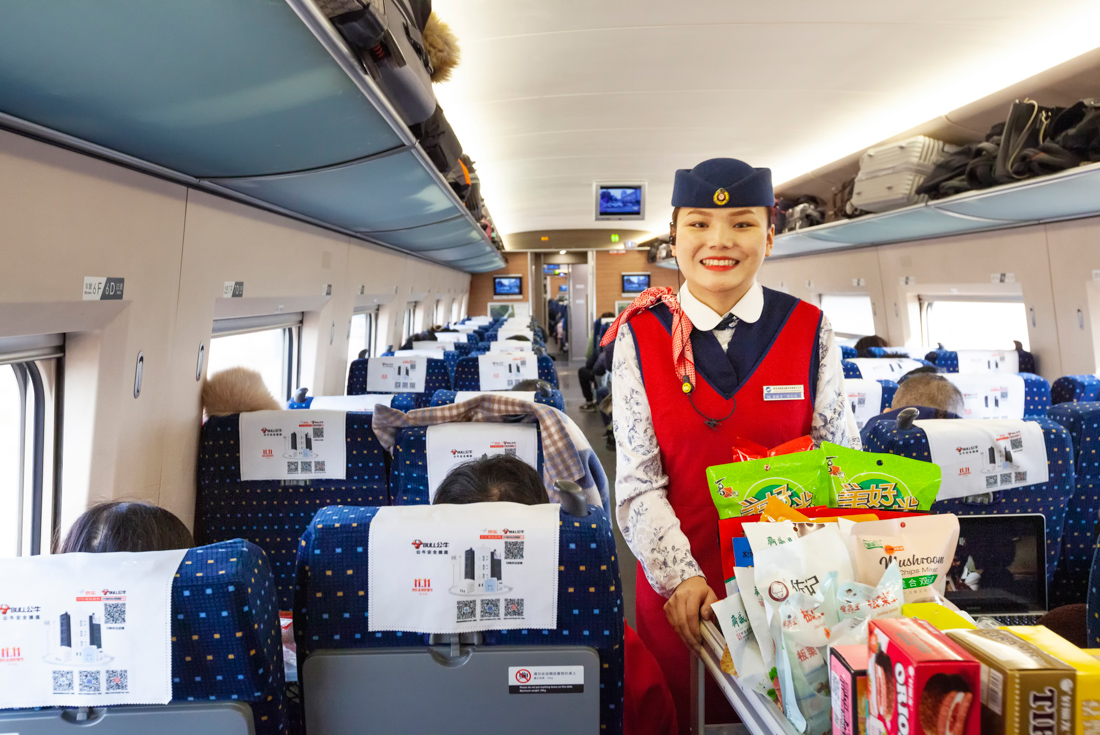
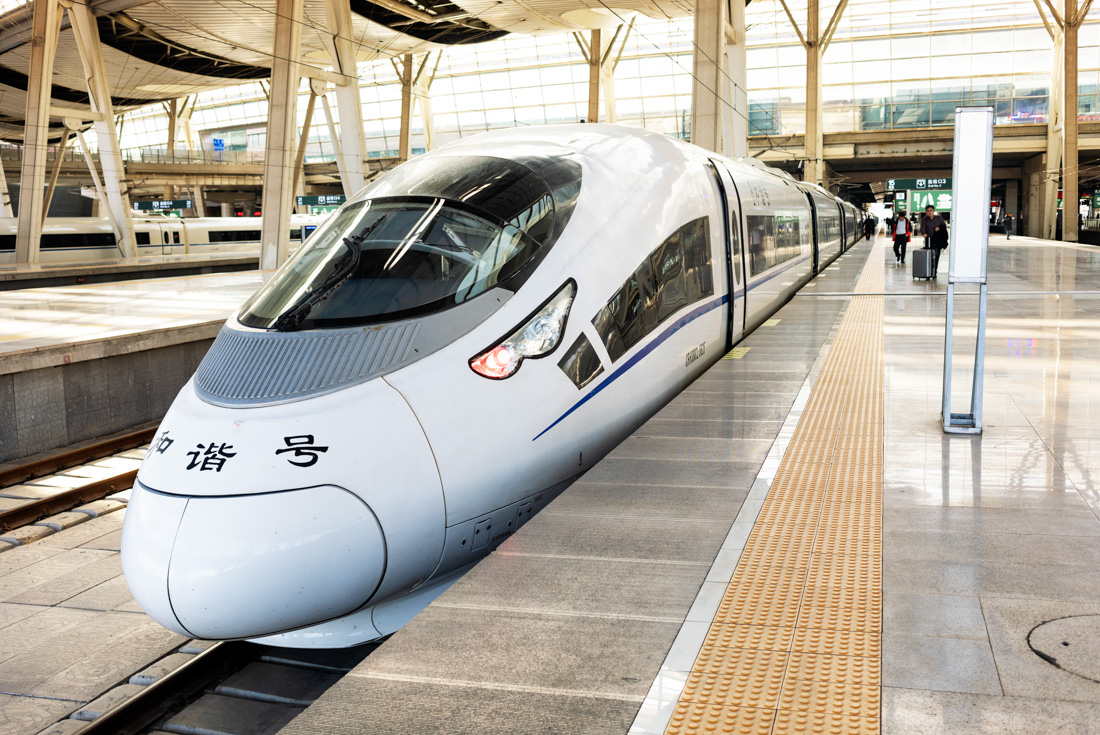
Jump back on the bullet train for an exciting ride to Luoyang this morning. Luoyang was ancient China’s prosperous capital for many dynasties and archaeological digs of the surrounding countryside have unearthed some fascinating ancient treasures. After settling into your hotel, head out with your leader for an orientation walk around the city, then maybe venture to the Old Town for dinner with the group.
Day 6: Luoyang
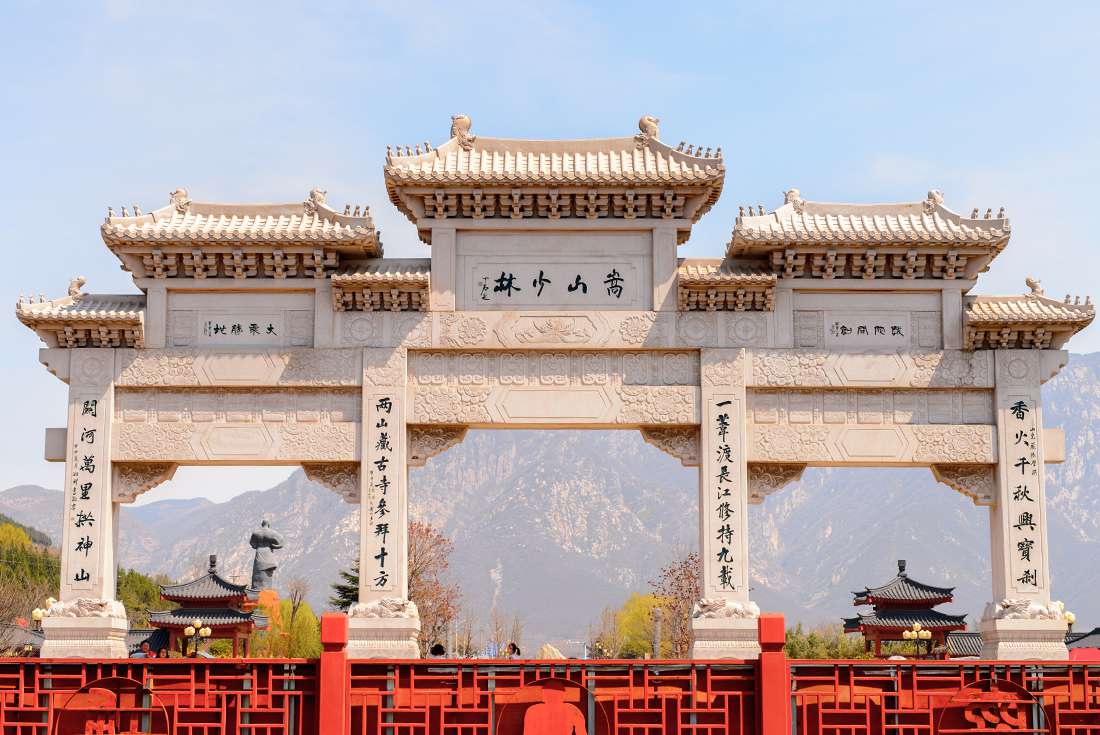
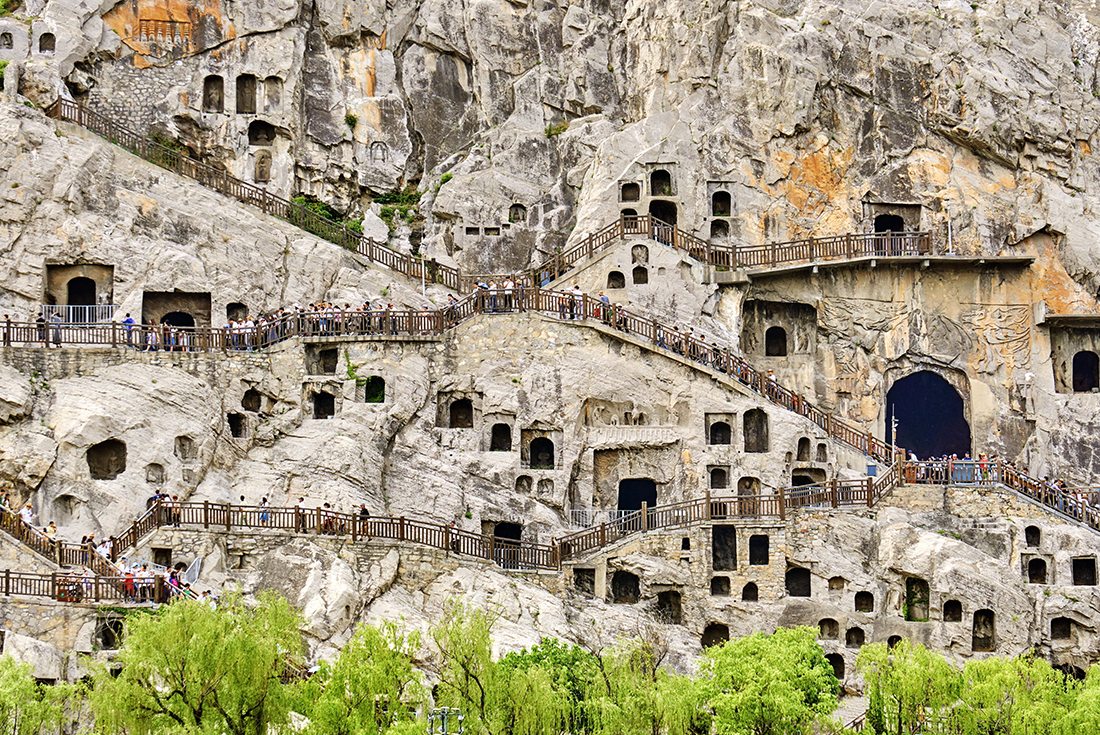
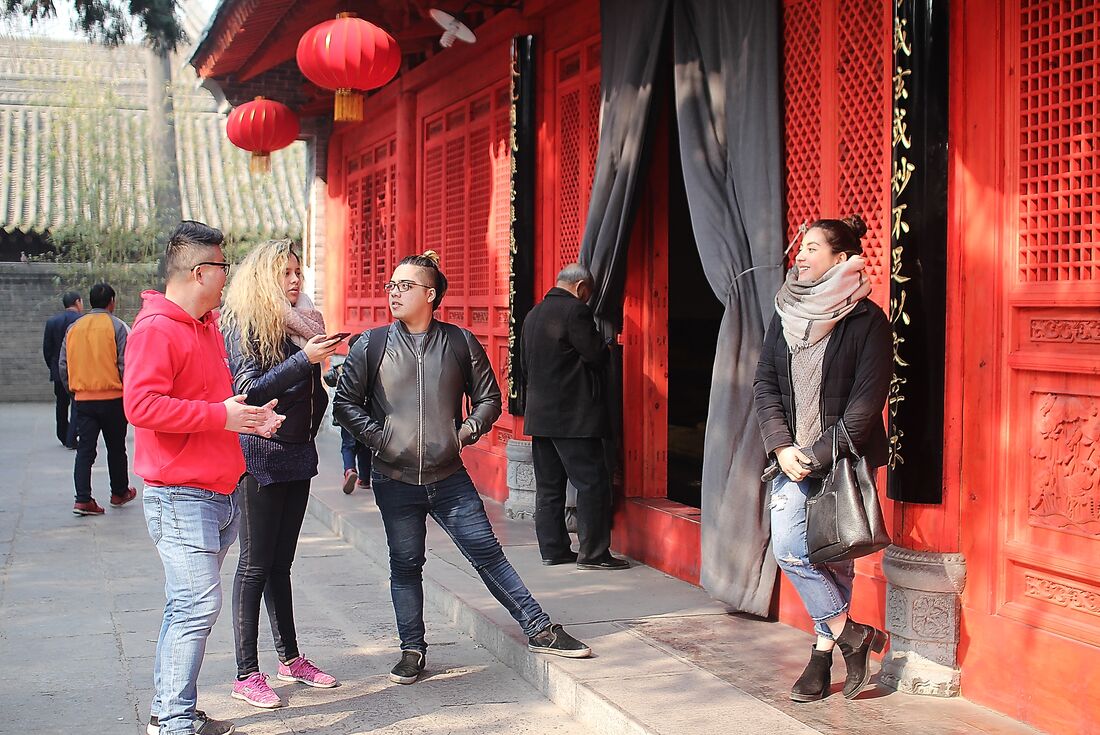
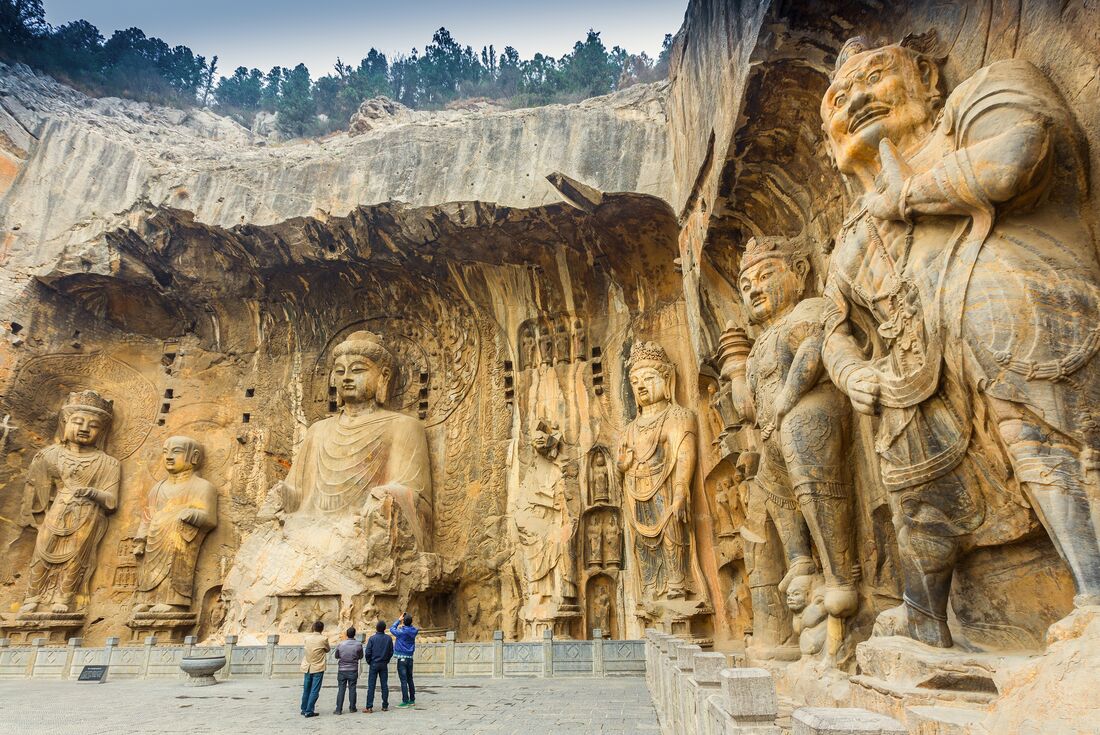
Today you’ll visit the Longmen Grottoes, where you’ll get to see incredible Chinese Buddhist art carved into the walls. Your leader will tell you more about the masterpieces at this UNESCO World Heritage site as you explore. Travel to the legendary birthplace of kung fu, the Shaolin Temple, and have a vegetarian lunch before exploring the monastery. Discover how the martial art of kung fu has changed over the centuries and watch an athletic kung fu performance. Then, wander through the Pagoda Forest, where respected monks have been laid to rest in towering tombs since AD791, before heading back to Luoyang.
Day 7: Luoyang/Xi'an
Hop on another bullet train today to Xi’an – a city that served as the capital for many dynasties and kingdoms over the last 2500 years. Hear about some of that rich history from your leader during your orientation walk – then you’re free to explore the city at your own pace. Maybe cycle around the ancient city wall or stop by the seven-storey Giant Wild Goose Pagoda. If you’re looking for a good spot for dinner this evening, consider visiting the Muslim quarter for delicious traditional dishes – your leader will have great recommendations.
Day 8: Xi'an
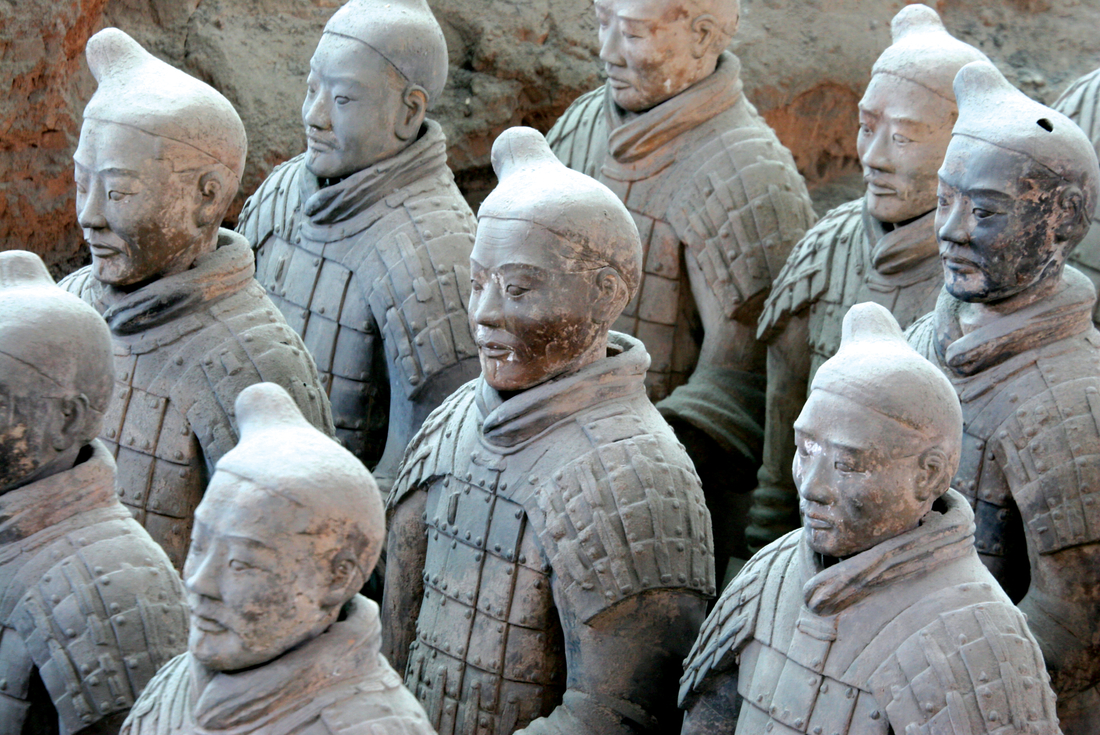
Take a bus this morning to Xi'an's most famous site – the Terracotta Warriors. When you arrive, you’ll hear all about this incredible archaeological find uncovered by farmers digging a well in 1976. These clay statues of soldiers, horses and chariots standing in battle formation are believed to be commissioned by the Qin dynasty emperor as part of his mausoleum to protect him in the afterlife. After, enjoy a home-cooked lunch nearby and return to the city centre in the afternoon.
Day 9: Xi'an/Beijing
Get the bullet train to Beijing this morning and arrive in China’s capital in the late afternoon. The rest of the day is free. Maybe check out 798 Art Zone – a collection of art galleries and cafes in an industrial complex – or Lama Temple, which was converted from Prince Yong’s residence to a Tibetan Buddhist temple. You can also check out Jingshan Park and walk to the summit of the hill for one of the best viewpoints of the city. When you start to feel hungry, perhaps check out Wangfujing Snack Street – a pedestrianised alley with stalls that offer an array of traditional Chinese delicacies, like fried scorpion and zhajiangmian (noodles with soybean sauce).
Day 10: Beijing
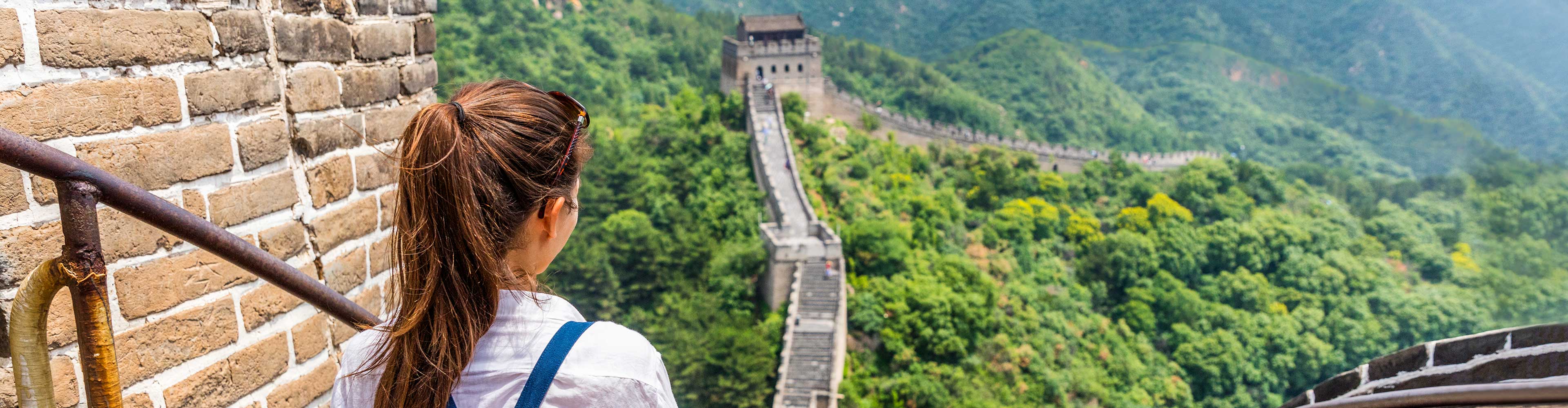
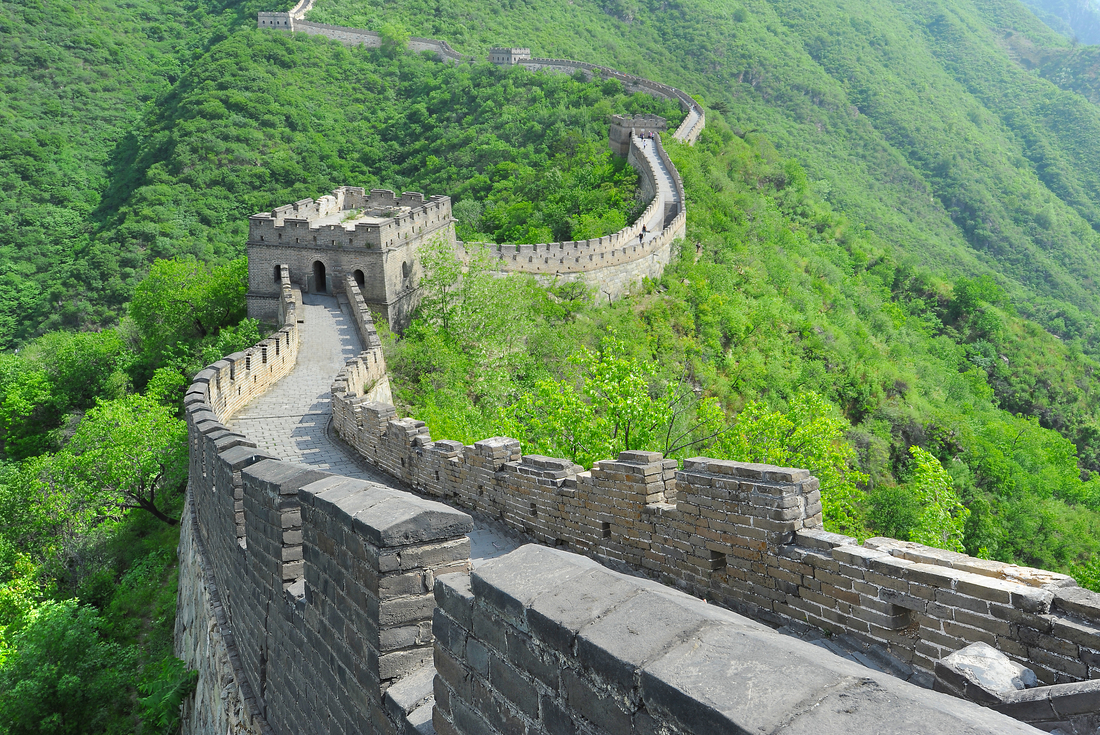
Today you get to tick something big off the bucket list – a walk along the legendary Great Wall, one of the Seven Wonders of the World. Take a private bus to the Mutianyu section of the wall, a well-preserved part that was reconstructed during the Ming dynasty to protect against invasions from northern tribes. Spend some time exploring the military stronghold, including the three guard towers (Zhengguantai Tower). When returning, you can walk, hop on a cable car or take a toboggan ride – the latter is highly recommended!
Day 11: Beijing
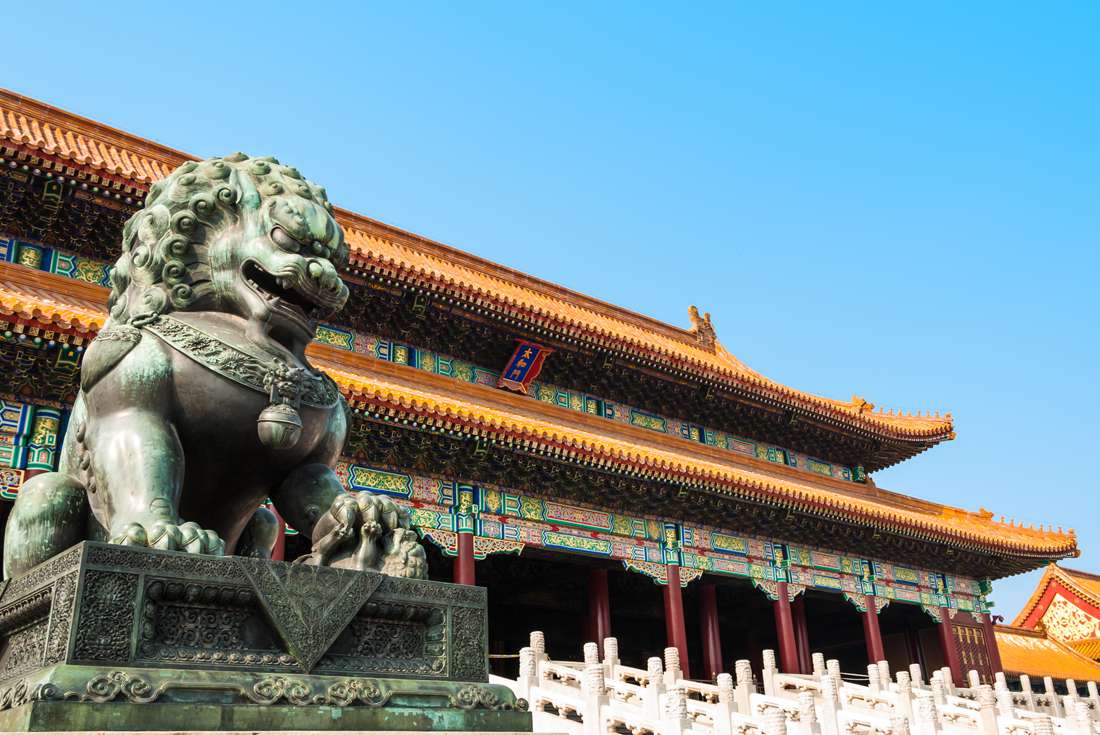
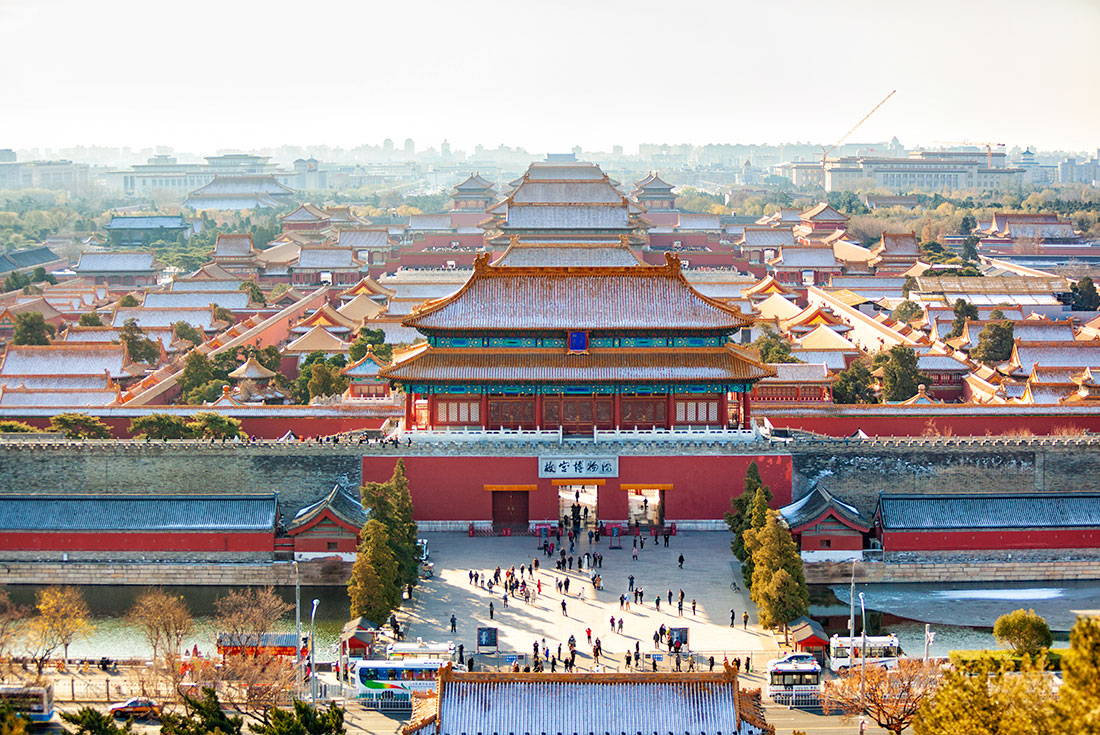
Visit Tiananmen Square this morning and take in all the different monuments dotted around the plaza, like the Monument to the People’s Heroes and Mausoleum of Mao Zedong. Walk through Tiananmen Gate and into the Forbidden City, former home of China’s imperial rulers, and discover its many palaces, gardens and courtyards. Then, head to the hutong area, where traditional houses line the narrow streets and alleys. This fascinating area preserves the spirit of old Beijing. Enjoy a classic dinner tonight with perhaps the most well-known of all the capital's dishes – Peking duck.
Day 12: Beijing
Your trip comes to an end this morning after breakfast. If you’d like to extend your stay in Beijing, reach out to your booking agent ahead of time to organise additional accommodation.