Day 1: Oslo
Hei! Welcome to Norway. Your adventure begins in the charming capital of Oslo. You’ll have a welcome meeting at 6 pm tonight, where you’ll meet your group leader and fellow travellers. If you arrive in Oslo early, maybe kickstart your exploration of the city by seeking out the famous painting, The Scream, at the Munch Museum, learning about Norwegian WWII history at the Resistance Museum, sailing through the beautiful Oslofjord or strolling through the Vigeland sculpture park. After your welcome meeting, why not seek out some traditional Norwegian fare for dinner with your group.
Day 2: Oslo
This morning, follow your leader on an orientation walk in the city. Then, you’ll have some free time in Oslo. Maybe go island hopping on Oslofjord, browse the Astrup Fearnley Museum of Modern Art on the harbourfront, taste local flavours at the Vulkan food hall, explore the immense Akershus Fortress or check out the cool shops in the Grunerlokka district. Ask your leader for recommendations if you need some pointers for planning your day.
Day 3: Bergen
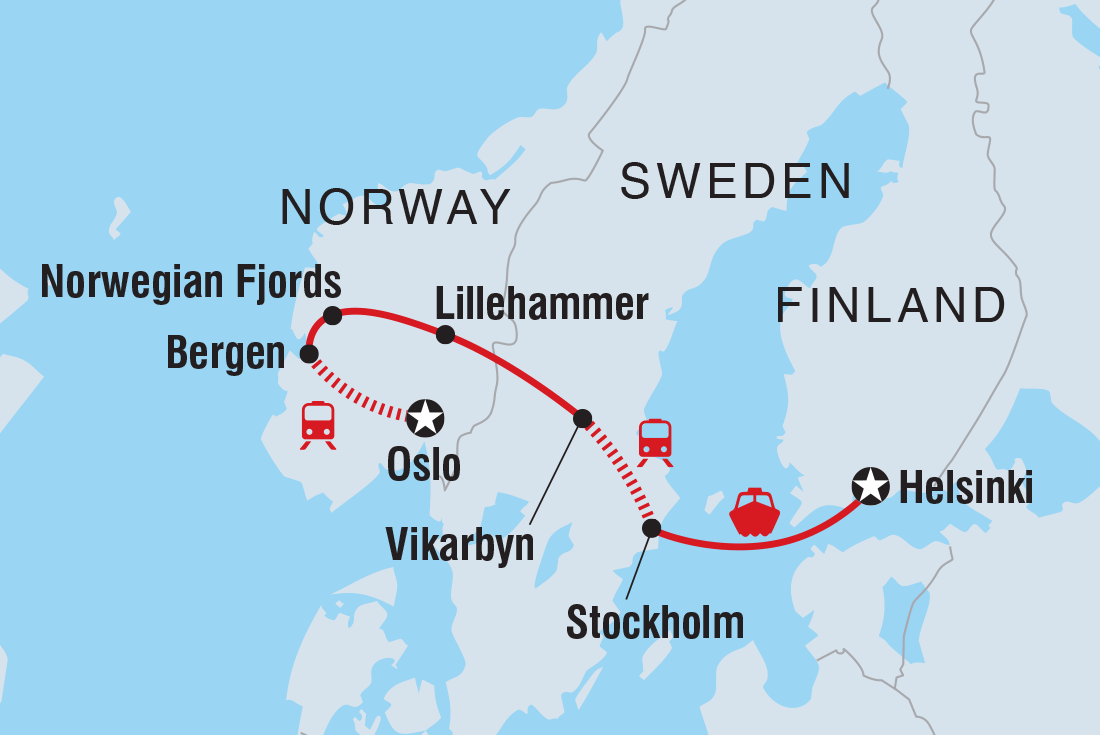
Leave Oslo behind and take the train across the stunning countryside of the Fjell region to Bergen. No other train ride between two cities in Europe is at a higher altitude than this one, and few can match the views passing by your window. Linking Norway's two main cities, this line offers some spectacular scenery of lush valleys, idyllic villages, dramatic mountains and picturesque lakes as it crosses the Hardangervidda Plateau. Today’s trip is long and you'll arrive in Bergen quite late – but don’t worry, you’ll have time to explore tomorrow. There are some great seafood restaurants in town, so maybe head out with the group for a bite to eat this evening.
Day 4: Bergen
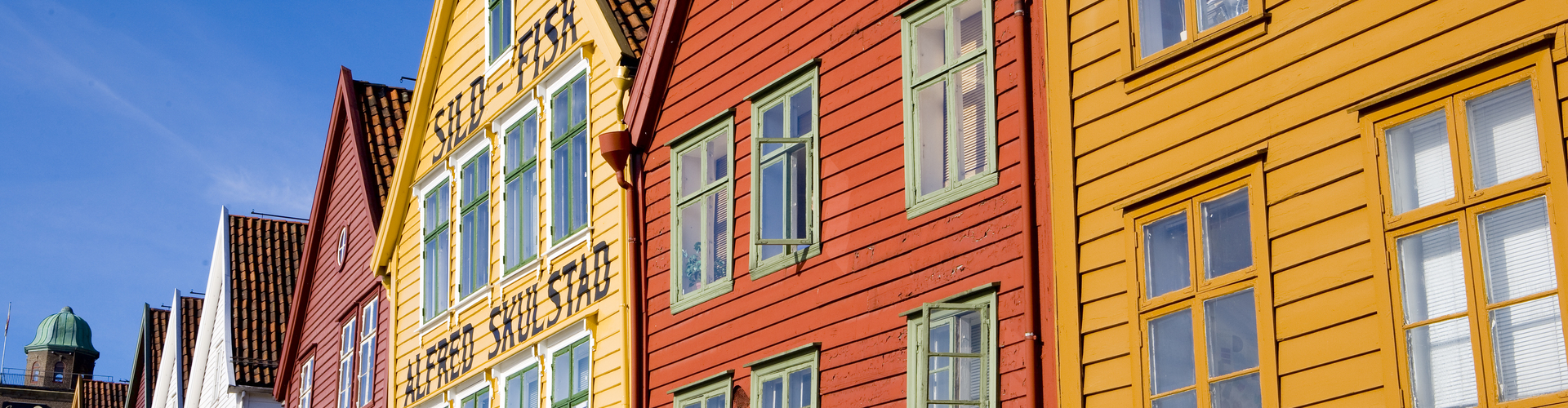
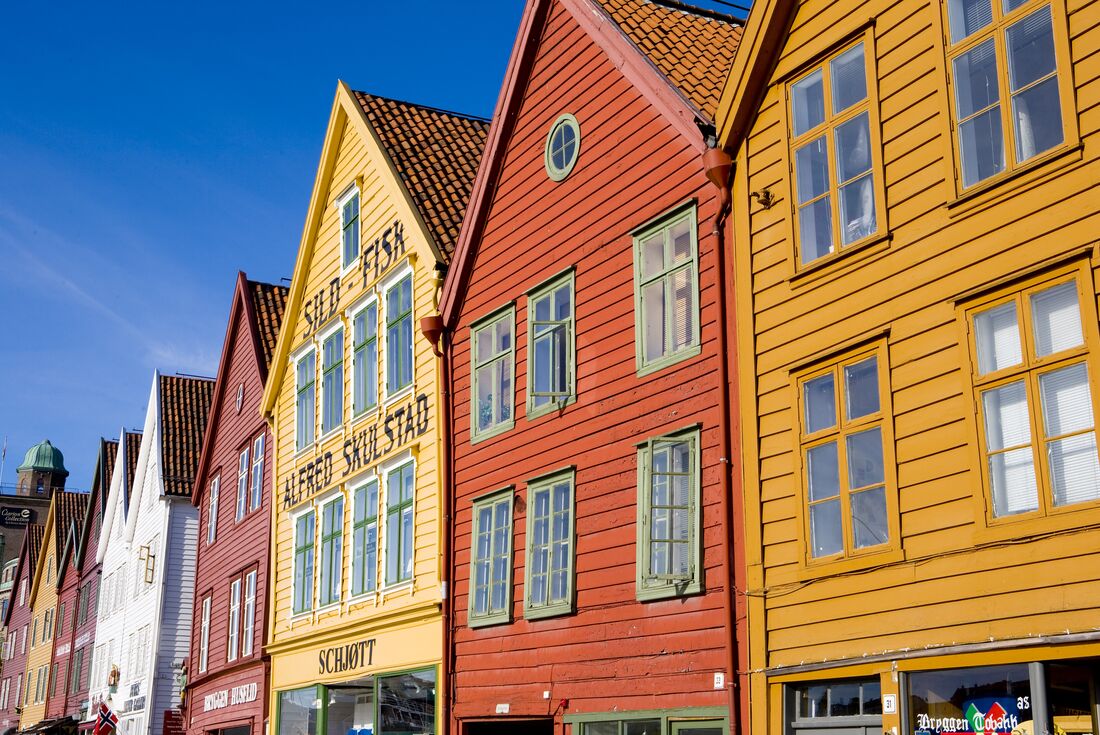
After breakfast this morning, join your leader for a ride on the Floibanen funicular. Taking you to 350 m (1050 ft) above the city in just seven minutes, this railway offers a bird’s eye view of the town and vistas of the sea. If you feel like getting active, you can continue exploring after riding the funicular by following one of the area’s hiking trails. You’ll have free time in the afternoon to explore however you like. Maybe visit the UNESCO World Heritage-listed Bryggen area and wander through the reconstructed medieval homes and warehouses. Or, you could visit the beautifully preserved wooden Hanseatic Museum (a former trade building) and explore the old Hanseatic port district – the Hanseatic merchant confederation dominated Baltic maritime trade between the 13th and 15th centuries.
Day 5: Norwegian Fjords
Leave Bergen after breakfast and travel by bus to the fjord region. The journey will take you through epic landscapes and remote regions, so have your camera at the ready. The typical Norwegian huts that you’ll stay in tonight are set in a beautiful landscape, surrounded by steep cliffs with an excellent view of the Kjelsfossen waterfall cascading from the top of the fjords. Gaze up at the sight of these giant, ancient geological formations. Your accommodation for the next two nights is located near the village of Gudvangen.
Day 6: Norwegian Fjords
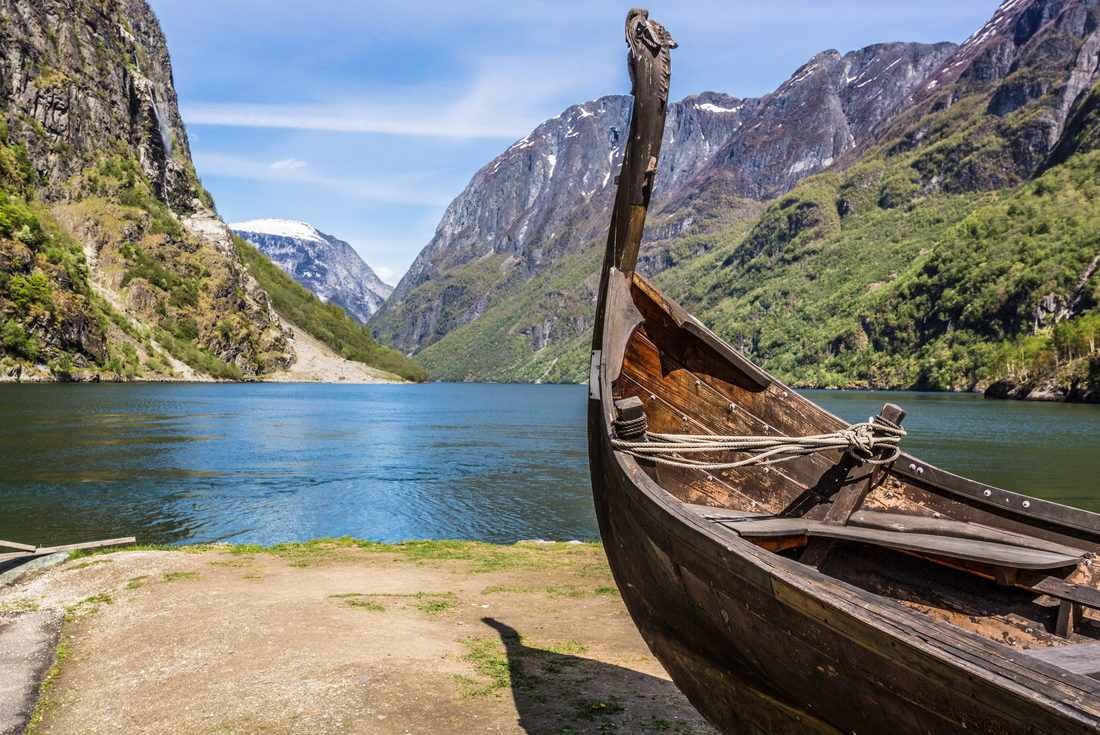
Today, take a boat trip and be captivated by the sight of mountain peaks reflected in the glassy waters of Naeroyfjord, a UNESCO World Heritage site. The name Naeroyfjord takes its origins from the Norse god of seafarers and the sea, Njord. The fjord itself, formed by glacial erosion of the surrounding bedrock, is 18 km long and only 250 m wide at its narrowest point, with its depth reaching up to 500 m. Surrounding mountain peaks rise up to 1400 m and waterfalls crash down sheer cliff faces. The boat cruise will finish in the fishing village of Flam, where you can ride the famous railway up to Myrdal (at extra cost). This is one of the most picturesque (and steepest) railway journeys in the country. Alternatively, you could explore on foot to discover nearby waterfalls and ancient moraines. Fishing enthusiasts will love the opportunity to throw a line in the crystal waters, sit back and soak up the serenity (a fishing licence is required and costs around 150 NOK). In the afternoon, catch the bus back to Gudvangen and spend the rest of the day as you please.
Day 7: Lillehammer
You have another long bus journey ahead of you after breakfast today, as you travel to the Alpine playground of Lillehammer. Cross vast plains and remote valleys and drive through the Laerrdal Tunnel – the world's longest road tunnel at 24.5 km. The tunnel is divided into four sections, broken up by ‘mountain caves’. These caves are 6 km apart and are equipped with special lighting to help drivers concentrate by giving off the illusion of driving into daylight. Lillehammer, which held the Winter Olympics in 1994, is situated on Lake Mjøsa. When you arrive, head out for a brief orientation walk to get your bearings in the laidback 19th-century town centre. Explore the main pedestrian street of Storgata, lined with wooden houses, boutiques and restaurants.
Day 8: Lillehammer
This morning, you’ll visit the Maihaugen Open Air Museum, home of the Garmo Stave Church, which tells the story of people in the Gudbrandsdalen Valley over the last 300 years. This museum includes farms, a town and a large residential area that gives you an insight into various periods of Norway's history. The afternoon is free for you to keep exploring. Consider conquering the misty mountains on a hike or visiting the Olympic Museum. Otherwise, Lillehammer is an ideal spot for many outdoor activities, which your leader can help you organise if you’re interested.
Day 9: Vikarbyn
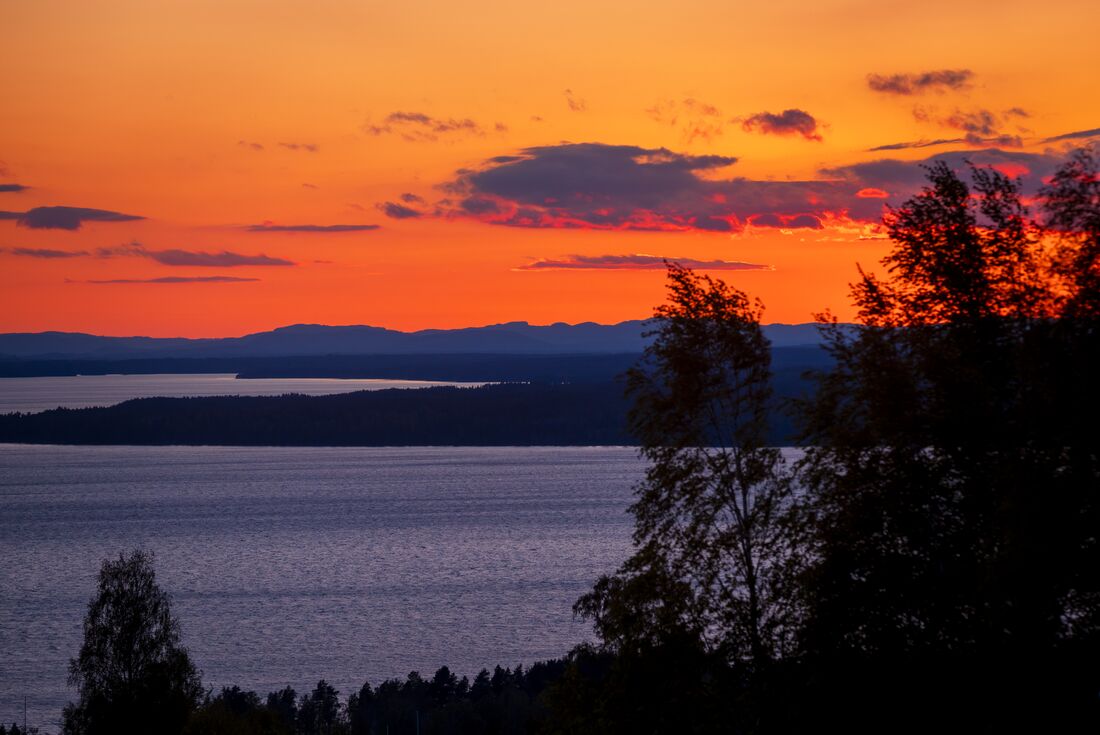
Board a private bus today and cross the border into Sweden. Head to the lakeside town of Rattvik – a laidback spot that sits on the shores of Lake Siljan. Rattvik is steeped in history and culture – it’s situated in Dalarna County in the heart of Sweden and is famous for the Dala wooden horse, which has become a Swedish national symbol. Tonight, you’ll stay in a peaceful spot located 7 km outside of Rattvik.
Day 10: Vikarbyn
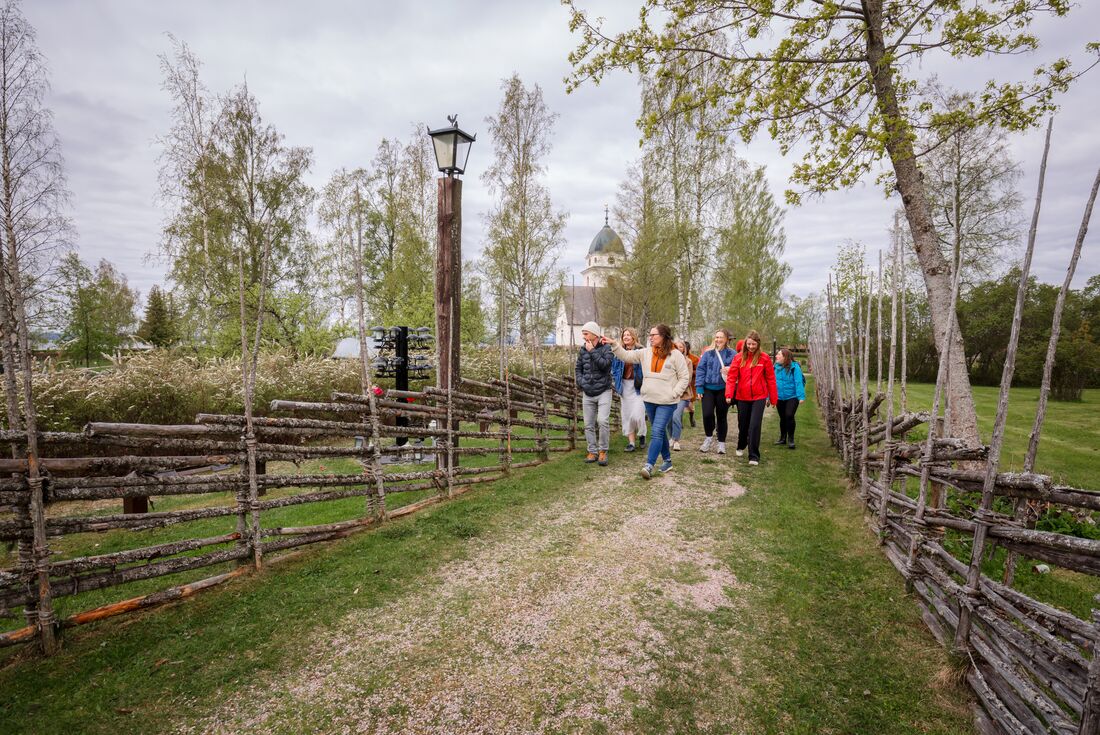
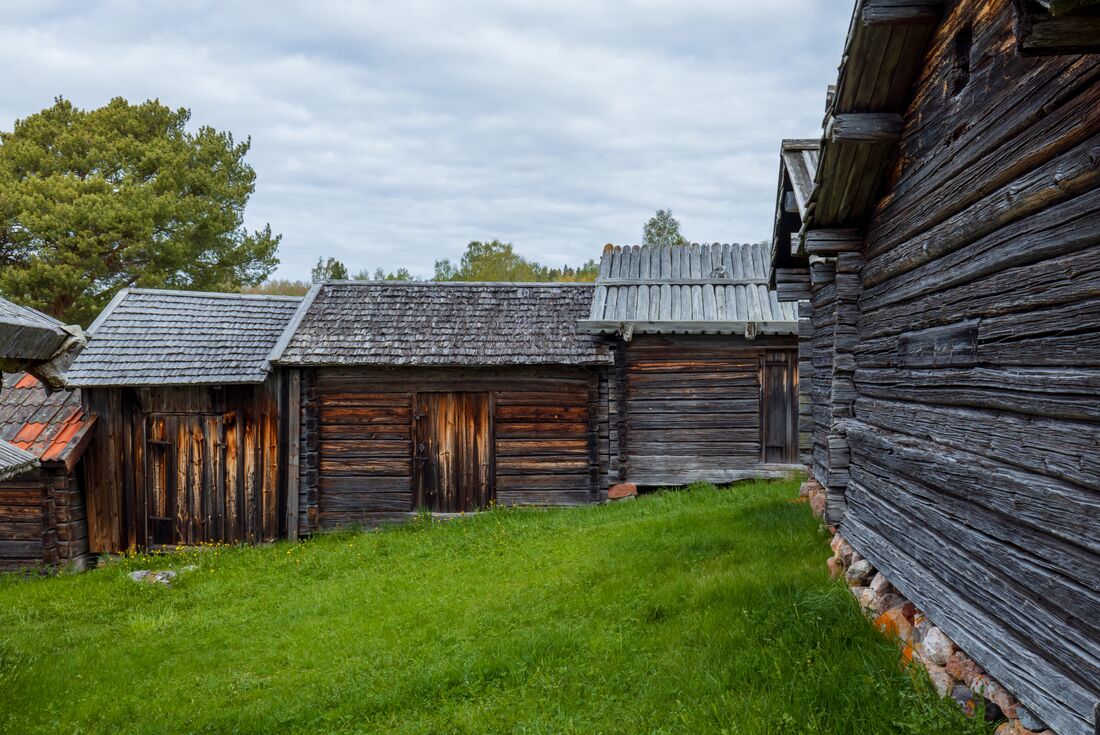
This morning, you'll get a chance to get under the surface of this region with a special guided village safari led by local experts. You'll get to know the history behind the villages and learn about the traditions of the area surrounding Lake Siljan. Discover the traditional local way of life and mingle with the villagers. Then, the rest of the day is free for you to explore the local area and its lakes. Maybe take a leisurely boat trip across the lake, do some fishing, go for a hike or browse the local shops selling artisanal wares.
Day 11: Stockholm
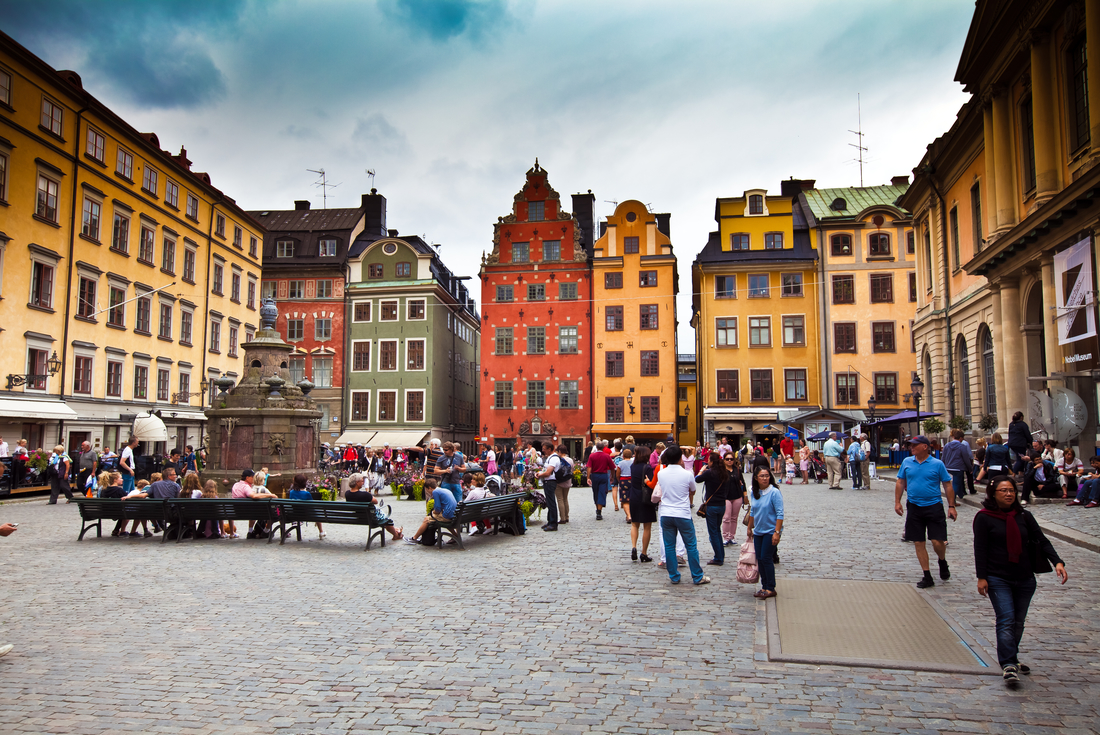
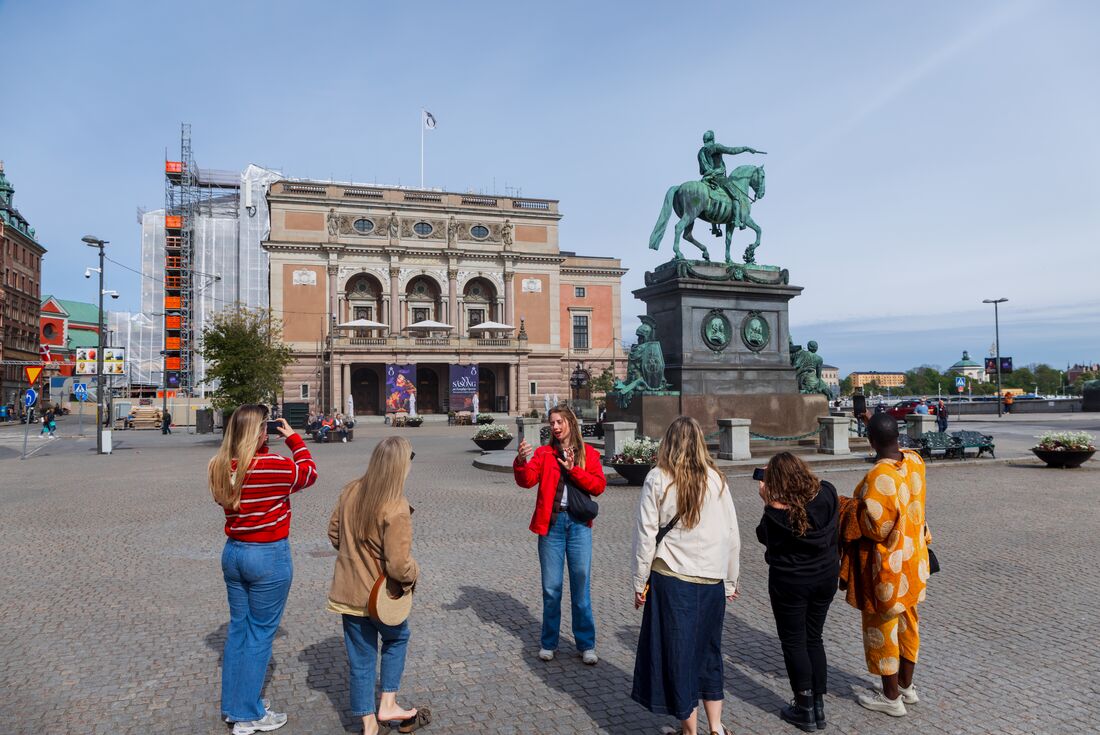
Leaving the Swedish lakes behind, head to the country's capital of Stockholm by train. Often referred to as the 'Venice of the North', Stockholm is full of impressive architecture, pristine parks and clear waters. After an introductory orientation walk, use the rest of your day to settle into your accommodation and explore the area around you. You could head underground for the world’s longest art exhibition – connecting the 14 islands of the city, the subway (Tunnelbana) system's 100 stations are like the longest modern art exhibition in the world, featuring artwork from more than 140 artists. Or, you could simply wander the narrow cobblestone streets and the colourful merchant houses. Why not soak up the culture and try a cinnamon roll in Stockholm’s oldest cafe – Sundbergs Konditori, located in Jarntorget square.
Day 12: Stockholm
After breakfast, visit the Vasa Museum on the inner-city island of Djurgarden. The 17th-century warship, Vasa, sank in Stockholm Harbour in 1628 on its first voyage. Its wreckage was recovered in 1961. One of the most visited sites in Sweden, the Vasa Museum collection consists of the Vasa itself and all the objects that were found within the ship. The rest of the afternoon is free for you to explore as you wish, so why not leave the city behind for a few hours and see the waterways of Stockholm on a cruise past tiny islets and along narrow waterways? Or consider taking a self-guided Millennium Trilogy Walking Tour or a visit to the Abba Museum. Alternatively, you could take a trip to Drottningholm Palace, the residence of the Swedish royal family. Tonight, maybe head to Stockholm's Sodermalm district – the inner-city island with the best nightlife, full of cool shops, bars and cafes. You might like to have dinner at one of the city’s renowned restaurants on the cobblestoned islet of Gamla Stan or on Kungsholmen.
Day 13: Stockholm / Overnight Ferry
Today is free for you to enjoy your last day in Sweden, so get out and about to explore any of the sites you haven’t gotten around to yet. In the evening, you'll board an overnight ferry for Helsinki, Finland.
Day 14: Helsinki
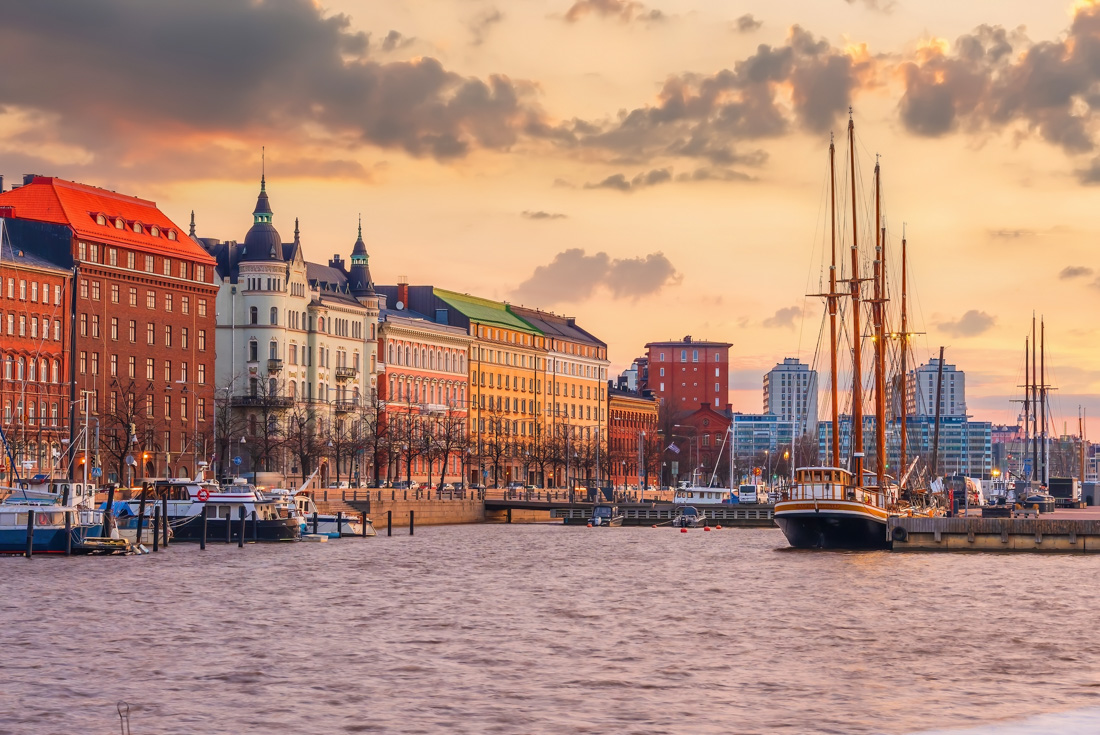
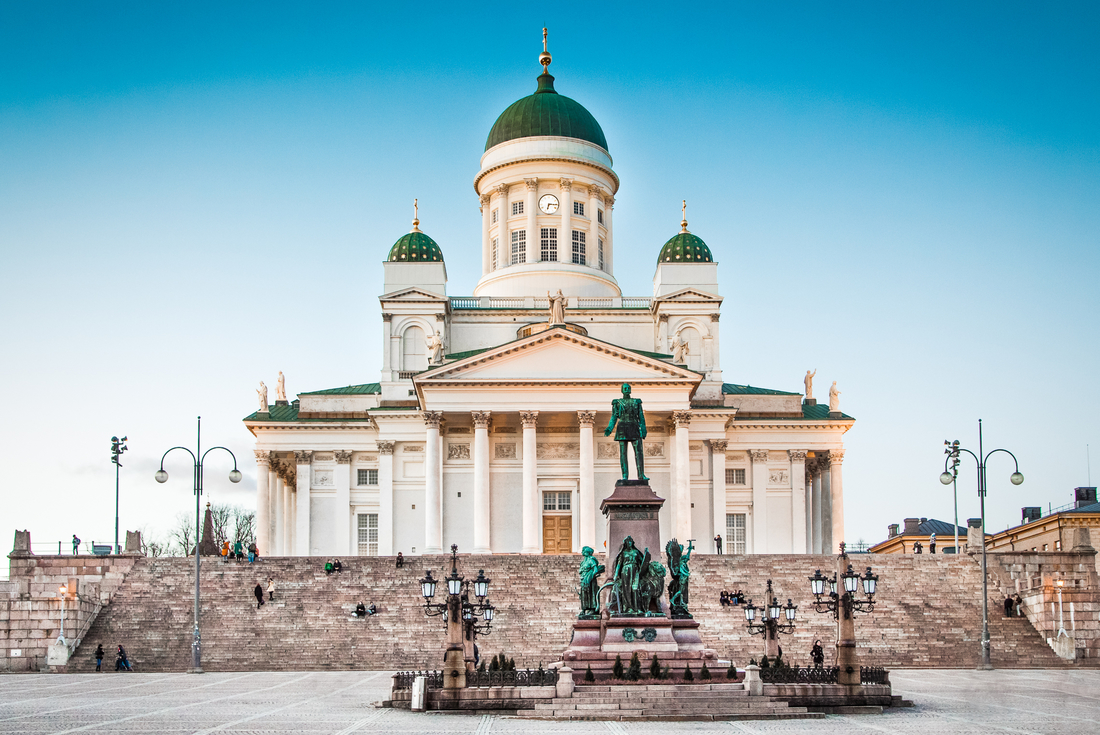
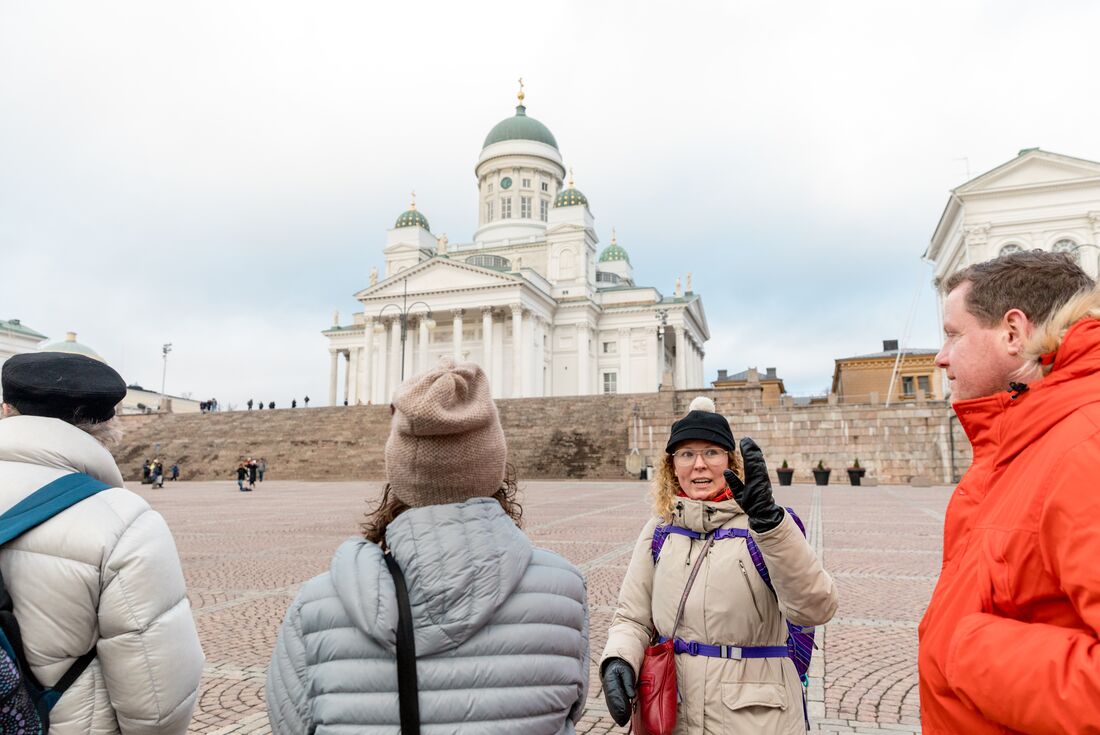
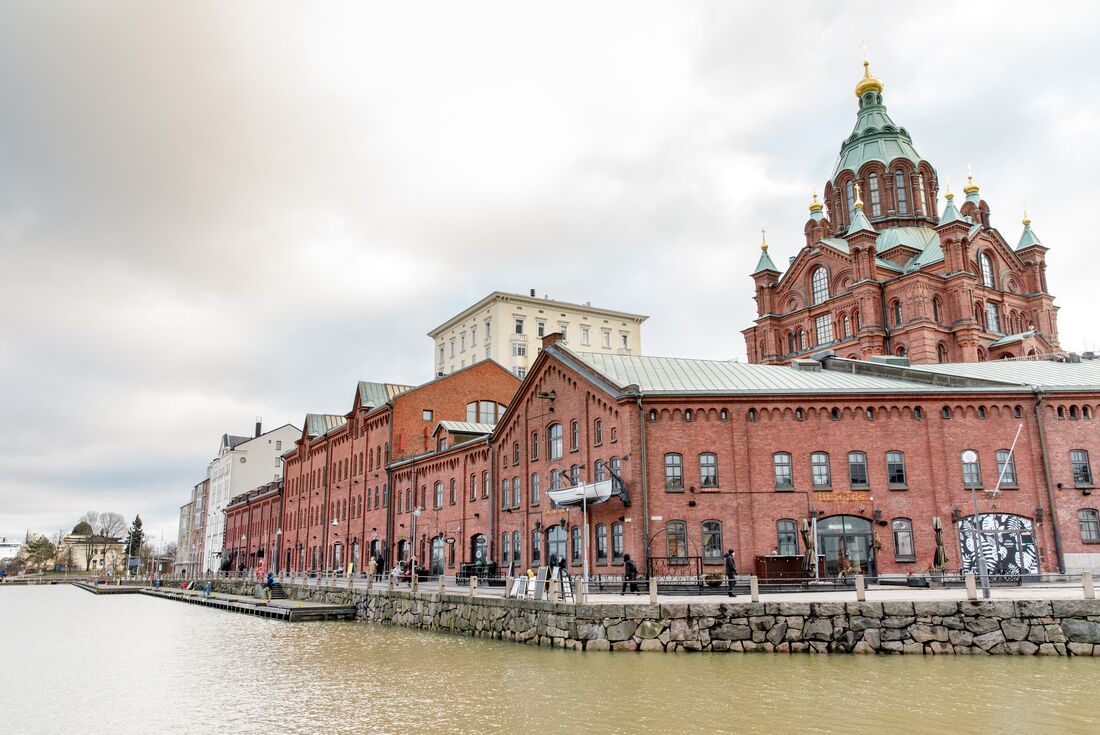
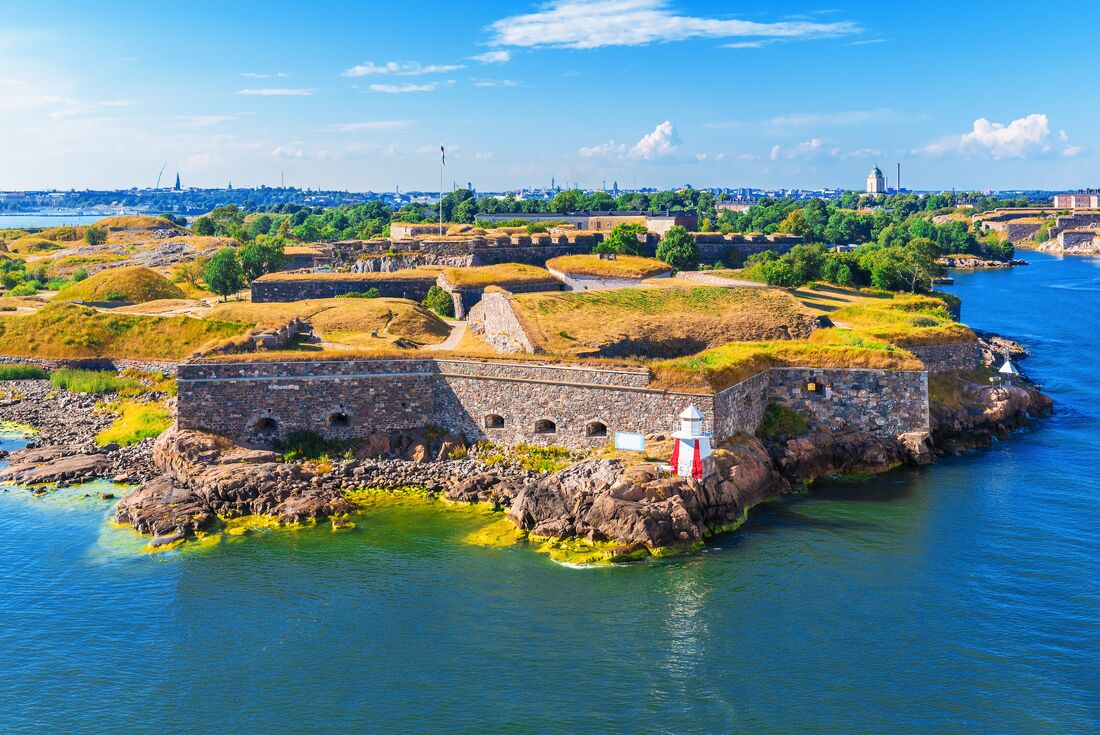
Arrive at Helsinki's port in the morning, then take public transport to your hotel. Join your leader for a short orientation walk to get to know the historical sites and gastronomic wonders of Helsinki, then the rest of today is free for you to explore the city however you like. You might like to visit the city's cathedral, the Design Museum, the waterfront market or the Old Market Hall for local delicacies. You could also take a short ferry ride to the UNESCO World Heritage-listed Suomenlinna sea fortress. Throughout its 450-year history, Helsinki has often been the buffer between the east and the west. This is shown in the local cuisine, with a mix of root vegetables, berries and fresh fish featuring heavily in many dishes. Consider heading out in the evening to try some traditional dishes at dinner with your group.
Day 15: Helsinki
With no further activities planned, your adventure comes to an end after breakfast today. If you would like to extend your stay in Helsinki, just speak to your booking agent ahead of time to organise additional accommodation.