Day 1: Tallinn
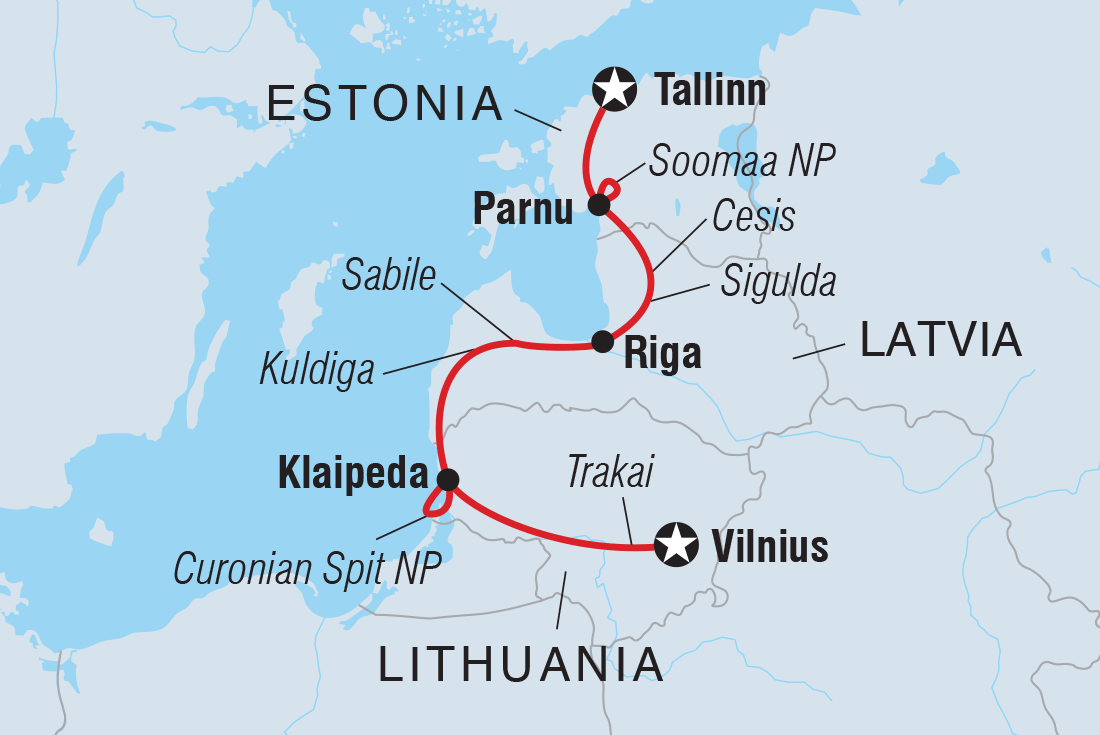
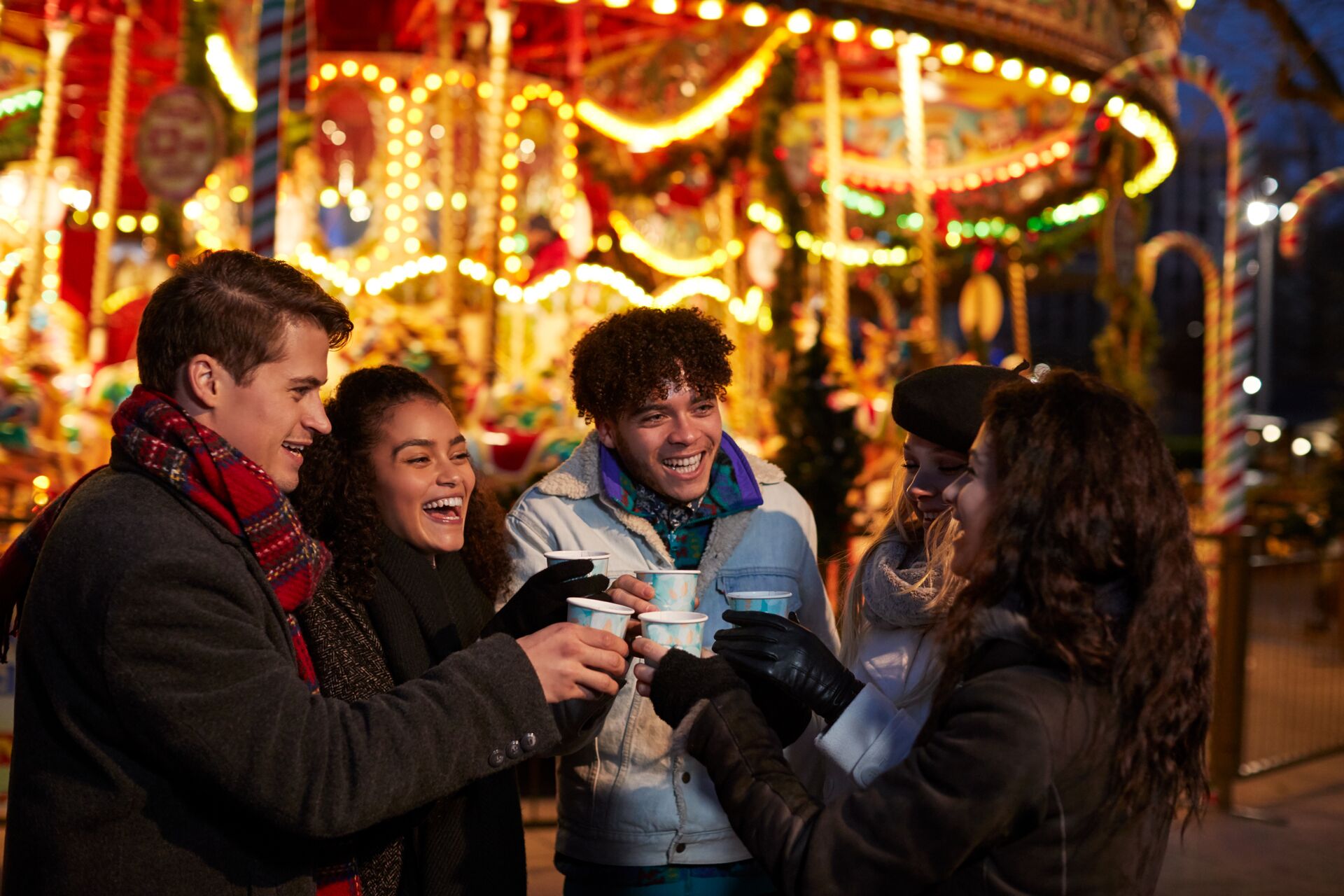
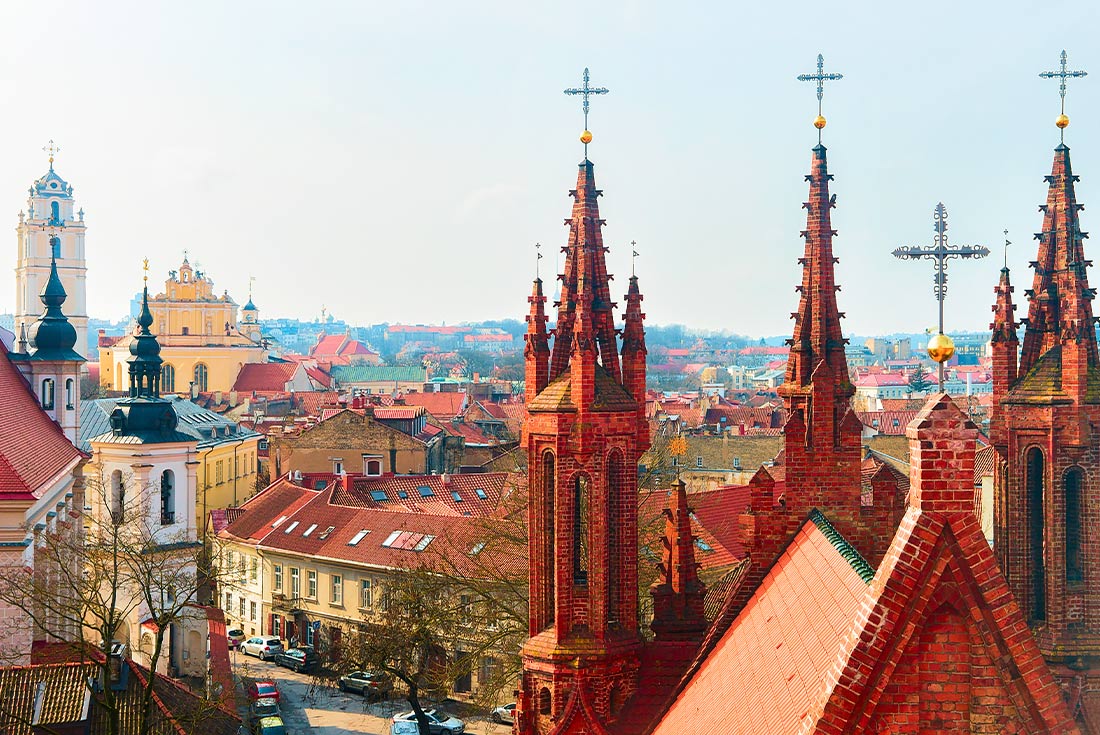
Tere tulemast! Welcome to Tallinn. When you arrive at the airport, you’ll be met by a local representative and transferred to your hotel in the heart of town. With its steep red roofs, spires, pastel-coloured buildings and new restaurants and bars, Tallinn is a treat to explore. If you arrive early, you might want to stretch your legs with a stroll around town before your welcome meeting at 6 pm tonight. Tallin’s Old Town was declared a UNESCO World Heritage site in 1997 and is especially atmospheric at night. After the meeting, head out for a fun medieval welcome dinner experience at Olde Hansa which will transport you back to the 15th century. Every detail of tonight’s meal is designed to transport you to the Middle Ages, from menu offerings like wild boar and forest mushroom soup and drinks like honey beer to immersive decor, costuming and live music by troubadours playing typical medieval instruments like the fiddle, flute and bagpipes. Get to know your new travel mates over this lively introduction to Tallinn!
Day 2: Tallinn
After breakfast, join a local guide for a walking tour around the Estonian capital that was once home to knights, landlords and soldiers. With many of the original buildings still intact, it’s like taking a virtual trip back to medieval times. Discover the old city fortifications, the last remaining Gothic town hall in northern Europe and St Olaf Church. Amazing views of Lower Tallinn and the spires of the town walls are also yours on this entertaining stroll. Along with seeing the 13th-century Toompea Castle, where Estonian Parliament sits, you’ll also tour the 19th-century Orthodox Alexander Nevsky Cathedral, admire the spectacular view of the city from the viewing platform and browse the area’s artisan studios. This afternoon is yours to explore at your own pace. Perhaps hire a bike or catch a tram and head out to Kadriorg Park, where many of the city’s museums are located.
Day 3: Parnu
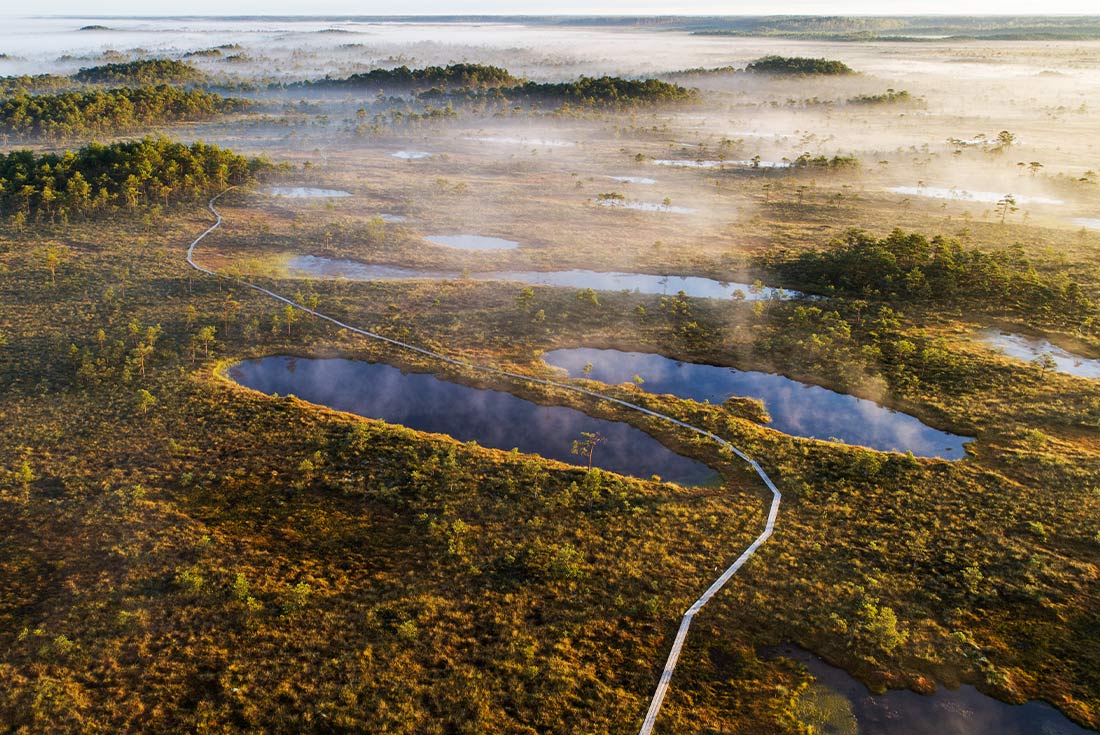
After breakfast, depart Tallin and travel to Soomaa National Park. Step into a restored family farm from 1868, which is now an organic apple orchard and small production facility. Raise a glass of local cider or organic soft drink with your fellow travellers. From here, you’ll travel to Parnu which is famous for being Estonia's summer capital and a hub for beach goers, vibrant nightlife and a thriving art scene. When you arrive, head out for an orientation walk with your leader, then spend the rest of the day exploring Parnu or relax at one of the many spas in town. You’ll spend tonight at your Feature Stay accommodation – a spa hotel which sits directly on the white sand of Parnu Beach. With spa access included in your stay, this is the perfect place for some rest and relaxation.
Day 4: Riga
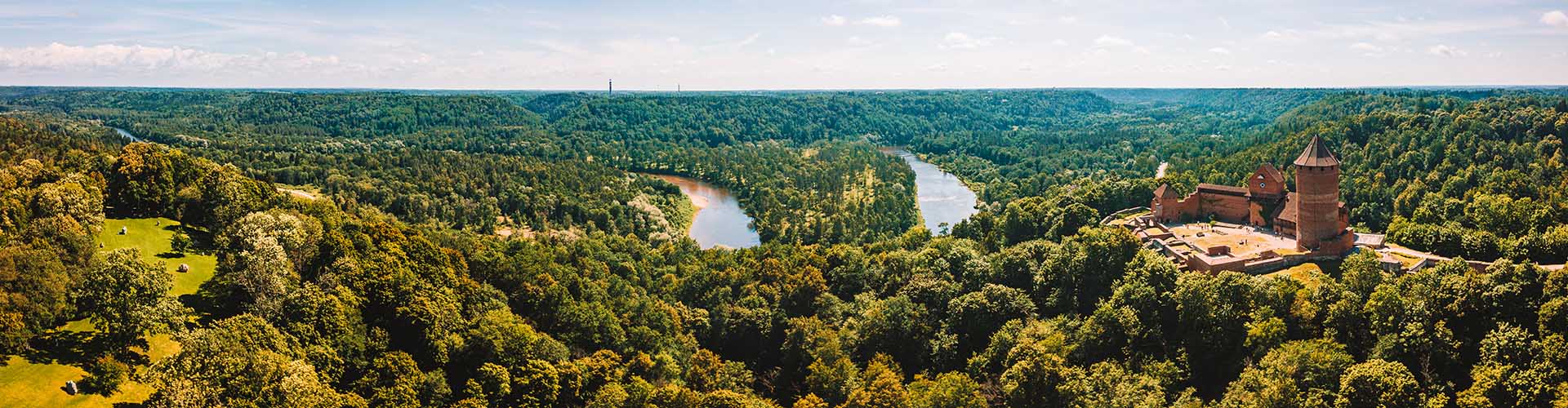
Today, you’ll explore more than 800 years of history in Cesis – one of the best-preserved medieval towns in the Baltics. It has remained almost unchanged despite the war and is famous for its medieval castle and park where summer concerts and festivals are held each year, its wooden architecture and a brewery that dates back to 1590. After exploring the town with your leader, continue to rural Ligatne to visit a once top-secret Soviet bunker. Built as shelter in case of nuclear war, it was so secret that locals were unaware of its existence for 30 years until the dissolution of the Soviet Union. From here, you’ll continue to Riga, the largest of the Baltic’s three capital cities. Tonight, you may like to head out with your group for dinner at one of the restaurants in the Old Town.
Day 5: Riga
After breakfast, discover the history of Riga on a walking tour of the Old Town. See all the major sights such as Riga Cathedral – the largest medieval church in the Baltics – St Peter’s church, the Swedish Gate and the Gunpowder Tower. On the way to Riga Market, one of the largest markets in Europe, you’ll pass the Freedom Monument which celebrates Latvia’s freedom, independence and sovereignty. Before you sit down for a traditional lunch, explore the market and taste a few local specialities like smoked fish and creamy Latvian cheese. After lunch, toast to your trip with Riga Black Balsam – a herbal liqueur that locals believe can cure anything and everything. This afternoon, you can explore Riga your way. Maybe visit a local museum or head to the neighbourhood known as the Quiet Centre to discover its Art Nouveau architecture, cafes, restaurants, bookstores and more.
Day 6: Klaipeda
Today you’ll raise a glass to the Guinness Book of World Records’ northernmost vineyard in the small town of Sabile. Before you visit the vineyard, stop in at a winery and sample unique local wines like sparkling apple wine, blackcurrant wine and cherry vermouth. From here, you’ll continue to Kuldiga which is known as Nordic Venice. Unlike other towns in the Baltic region, Kuldiga survived the great wars of the 20th century largely unscathed and modern urban developments were mostly built far outside its historic centre. The old town of Kuldiga is an outstanding example of a well-preserved urban settlement, representative of traditional Baltic architecture and urbanism from the 13th to early 20th century. Stop here for lunch, then take a stroll along the main pedestrian street to Ventas Rumba viewpoint. After a day spent exploring Western Latvia, cross the border to Lithuania and spend a relaxing evening in Klaipeda.
Day 7: Klaipeda
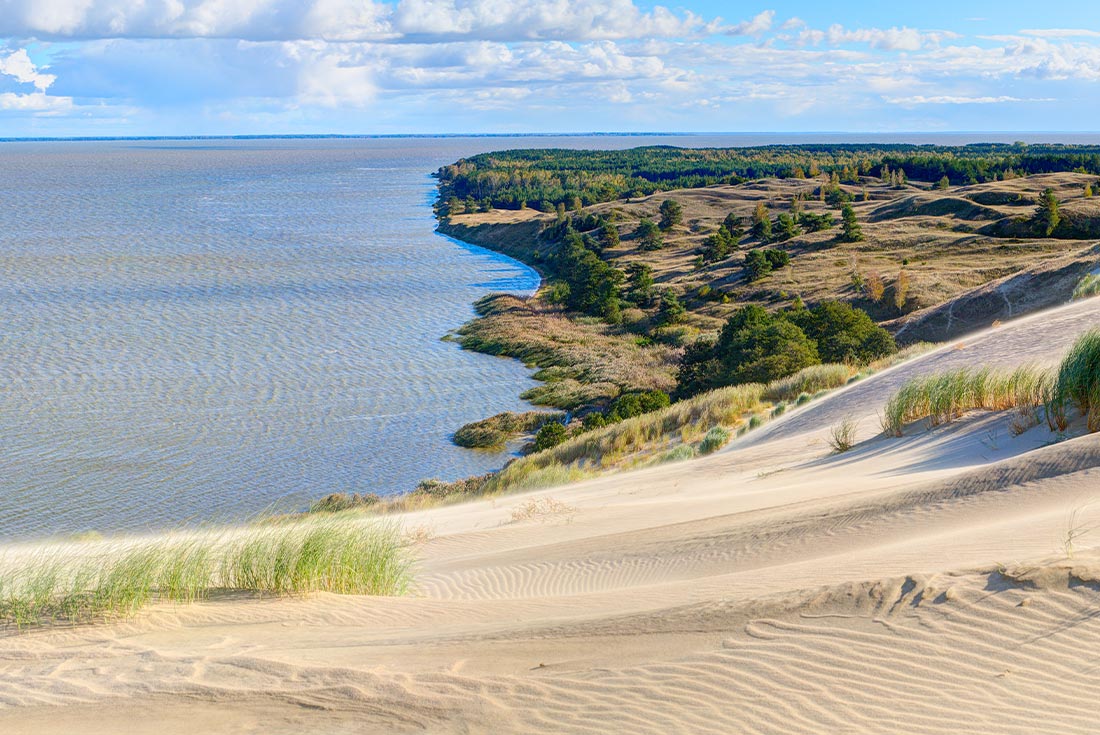
After breakfast, take a day trip to explore UNESCO World Heritage-listed Curonian Spit National Park – the second-oldest national park in the former Soviet Union. After a quick ferry ride across the lagoon, spend your day exploring fisherman villages, sand dunes and forests – while you still can! Whole villages have been slowly swallowed by the constantly shifting sands. Each village has its own unique design and today, you’ll visit Juodkrante, famous for its lush forest filled with nearly 100 carved wooden sculptures that illustrate Lithuanian folk tales. Look in the distance to see the Russian border as you learn about the amber which has been mined in the National Park since the 19th century. Visit a local amber museum and discover the beauty of this culturally significant stone which locals believe has mystical properties. Learn how amber is processed and try an amber drink. After a day spent surrounded by nature, head back to Klaipeda for dinner at a local restaurant.
Day 8: Vilnius
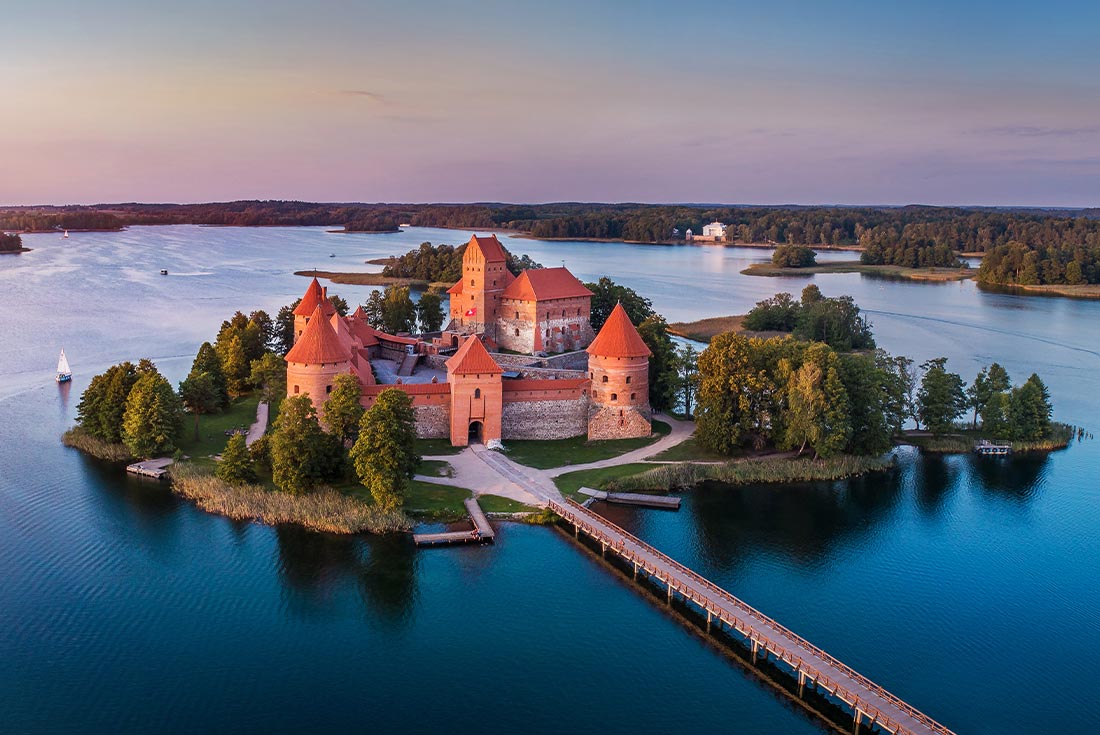
Leave the Baltic coast behind and travel across Lithuania to Trakai, which is home to the impressive 14th-century Trakai Island Castle. Set on a small island in the middle of Lake Galve, this is the only castle in Eastern Europe that is built on an island. Your visit will get off to a delicious start as you learn how to make perfect kybyns – the traditional Lithuanian pastries the area is famous for. After filling up on the hearty pastries filled with mutton and onion and a bowl of hearty soup, head over to the castle grounds to explore. After, you’ll continue to your hotel in Vilnius for the night.
Day 9: Vilnius
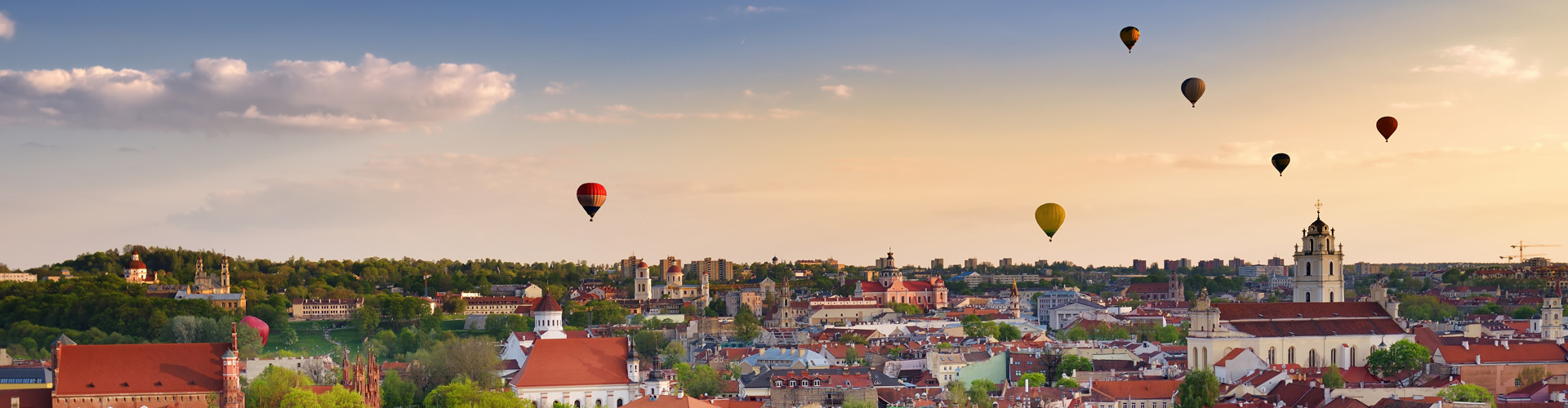
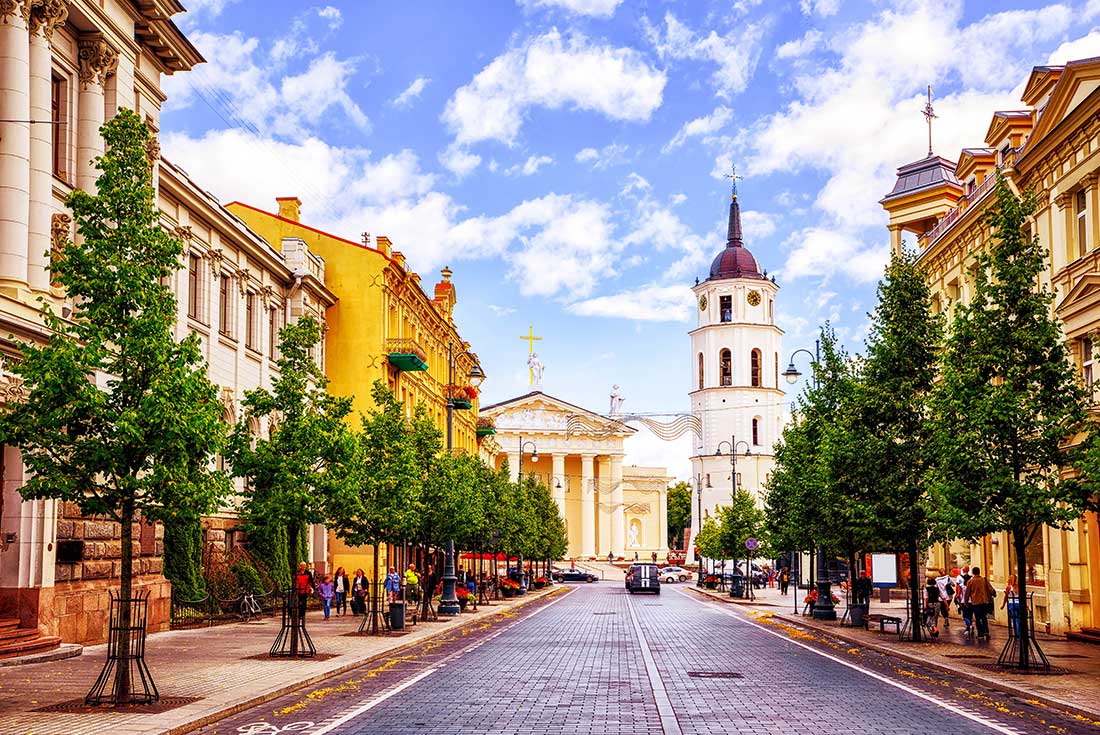
After breakfast, join an expert guide for a city tour of Vilnius. Having once been occupied by Sweden, Poland, France and Russia, each country has influenced this city. Pass through Cathedral Square and the Old Town and learn about the famous Grand Duke Gediminas, the legend of Vilnius' creation and the prestigious history of Vilnius University. The afternoon is yours to spend as you wish. Maybe visit the Museum of Occupation and Freedom Fights located in a former KGB headquarters building. Or, admire the views from the lofty TV Tower – Lithuania’s tallest building and the location of a history-making event on 13 January 1991, when Lithuania gained independence from the USSR. If you’d like a break from Vilnius’ historic monuments, you can take a walk through some of the charming gardens around the city. Maybe visit the self-proclaimed ‘republic’ of Uzupis, Vilnius's bohemian and artistic district. This evening, join your group for a farewell dinner to remember. Sit down to a seven-course fine dining experience at a family-run, Michelin-listed restaurant set in a historic building in town. This menu will take you on a journey through Lithuania’s culinary history, from the 18th-century Enlightenment to the Renaissance, the Baroque period and the Middle Ages. Raise a glass and toast to the memories you’ve shared!
Day 10: Vilnius
After breakfast, your Baltic adventure comes to an end. If you would like to extend your stay, just get in touch with your booking agent ahead of time.