Day 1: Vienna
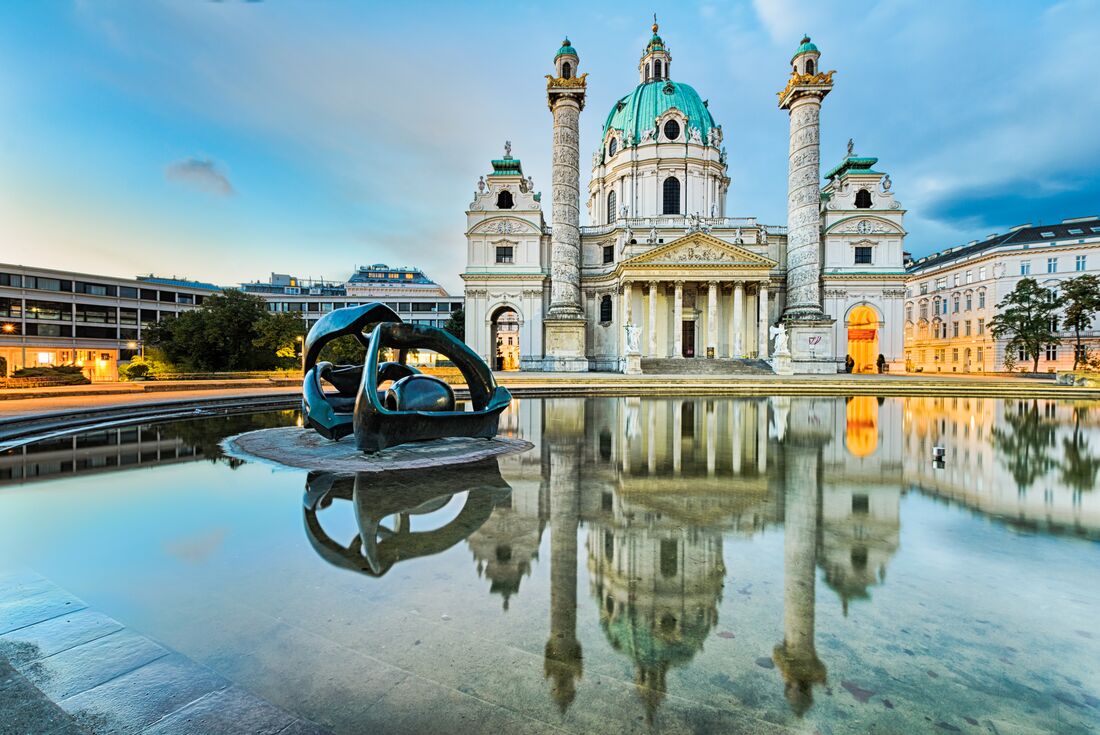
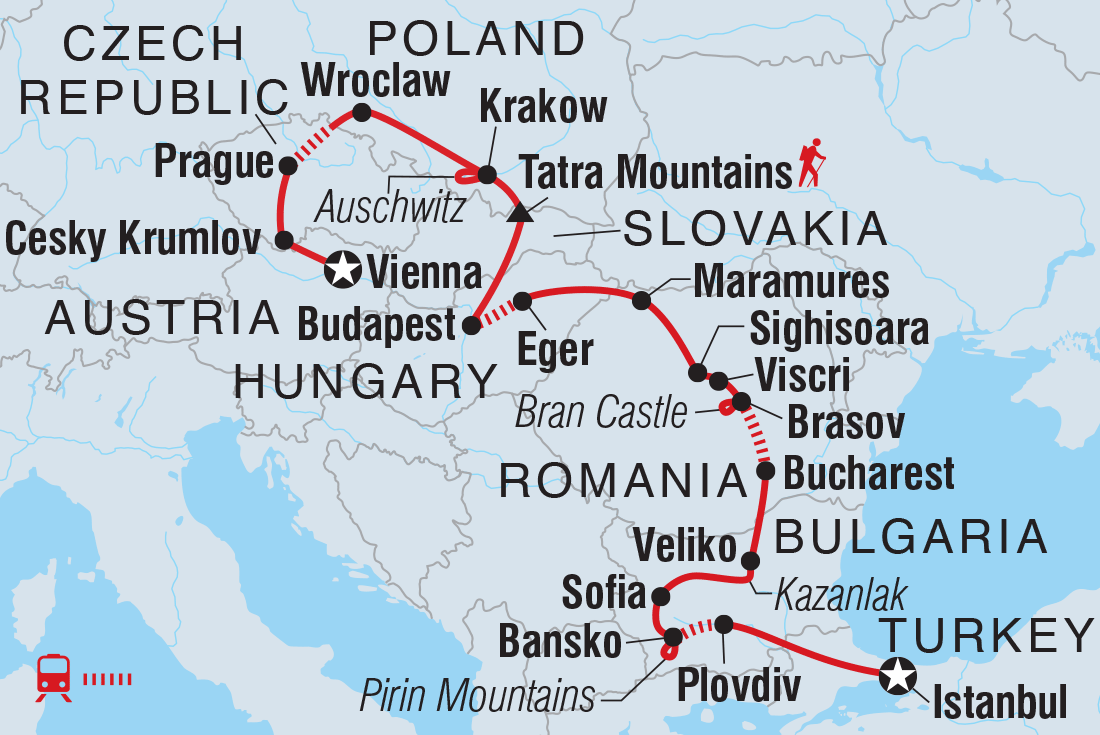
Guten Tag! Welcome to Austria. Your adventure begins in Vienna with a welcome meeting at 6 pm tonight. If you arrive early, why not walk around to get your bearings or, better yet, take a spin on the famous Prater Ferris Wheel nearby for a bird’s eye view. Make sure you stop for kaffee and kuchen (coffee and cake) for a break from your exploring. Vienna is known for its coffeehouse culture – so much so that UNESCO lists it as an example of ‘intangible cultural heritage’. After the meeting, why not use tonight to get to know your new travel pals over dinner. Your leader will have all the best recommendations for where to try local specialties like goulash or Wiener schnitzel – maybe save some room for a slice of sachertorte (chocolate cake filled with apricot jam) for dessert.
Day 2: Vienna
Join your leader for a walk through the city's compact centre this morning. Stop at the gothic St Stephen’s Cathedral, wander past the neo-classical Graben and have a look at the Hofburg Palace. Continue along the Ringstrasse and then finish your orientation walk of the city at the State Opera House – one of the world's most important opera houses and the heart of classical Viennese culture. Then you’re in for a real treat! Stop for kaffee and kuchen at Vollpension – a local cafe that empowers older members of the community by providing them with employment and purpose, while bridging the gap between the staff and the younger patrons who visit the cafe. This afternoon is free for you to keep on checking out the sights of the city.
Day 3: Cesky Krumlov
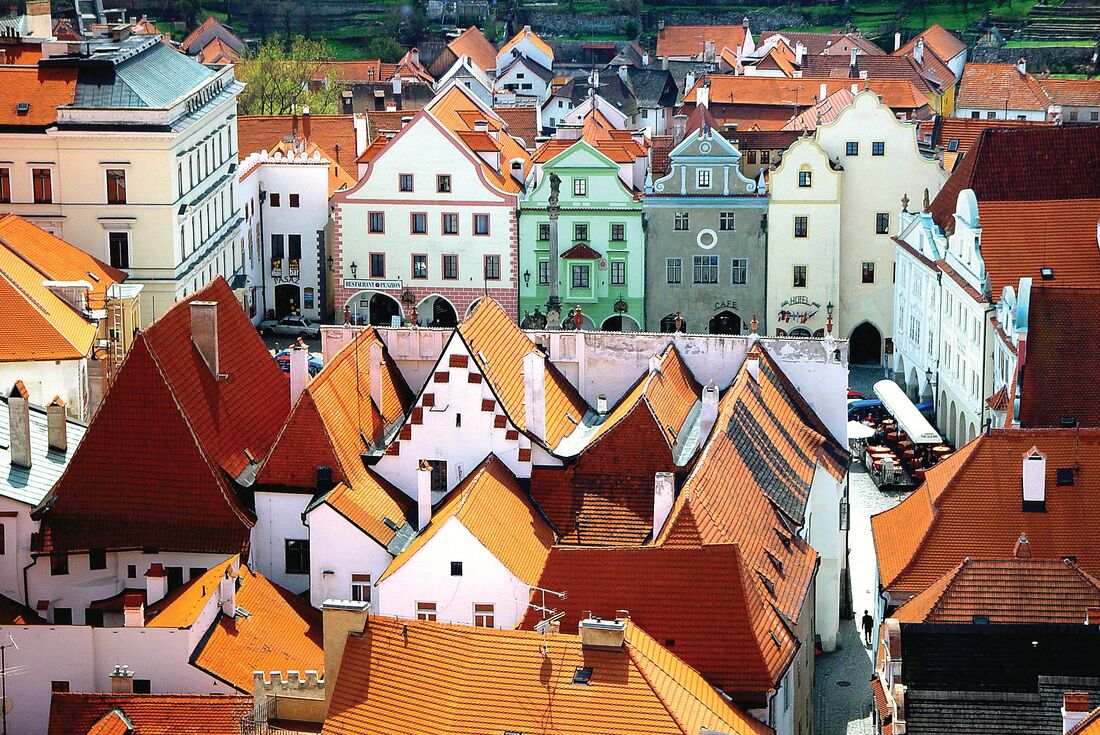
Depart Vienna by bus this morning and cross the border into the Czech Republic. Your next stop is the southern bohemian town of Cesky Krumlov. This picturesque medieval town dates back to the 13th century and looks like it’s straight out of a fairy tale. Cesky Krumlov means crooked meadow, because it sits on a tight bend of the Vltava River. When you arrive, set off on a guided tour of the town with a local guide, starting in the main square. Wander through the Old Town, see the city's oldest pharmacy then arrive at the Cesky Krumlov Castle. See the royal gardens from above and enjoy the panoramic views of the town below.
Day 4: Cesky Krumlov
Today is free for you to enjoy as you please. Maybe take an optional guided castle tour, which lets you in on the mysteries that lie behind every corner of this stronghold dating back to 1253. For those who want a bit more culture, you could visit the Egon Schiele Art Centrum and browse the gallery that's dedicated to the Austrian painter. If you’re after something more active, jump into a canoe and check out the town from a different perspective – on the Vltava River.
Day 5: Prague
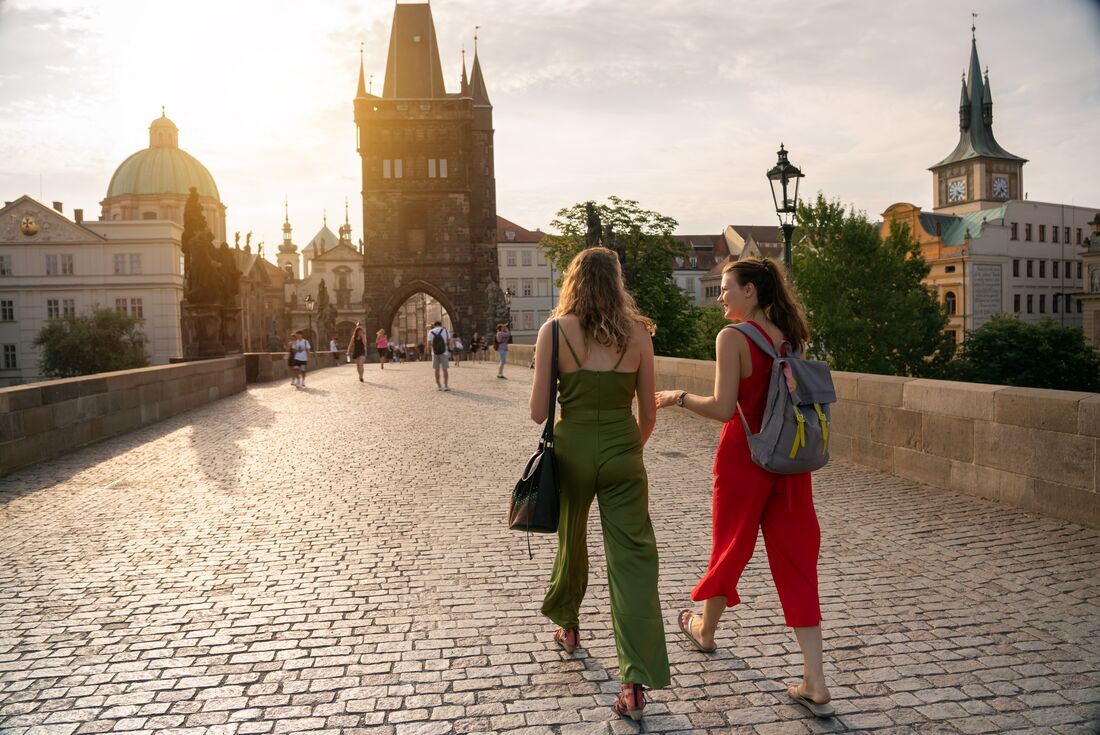
Leave Cesky Krumlov and travel by bus to Prague. When you arrive, head out on an orientation walk with your leader so you can get your bearings of the local neighbourhood. For your free afternoon and evening, why not discover another great side of Prague – its music! The city has one of the longest-standing and respected jazz scenes in Europe, with jazz clubs playing into the early hours of the morning. Otherwise, maybe along Charles Bridge or Old Town Square for some great photo opportunities.
Day 6: Prague
Today is free for you to explore Prague. The city offers endless possibilities – maybe take a walk around the Jewish Quarter and pay your respects at the Gothic-inspired Old Jewish Cemetery. This is Europe’s oldest surviving Jewish cemetery, with 12,000 tombstones and 100,000 graves. Tonight, be sure to meet back up with your group and maybe organise dinner and drinks at one of the city’s renowned beer halls.
Day 7: Wroclaw
This morning, you'll take a local train and private bus across the border into Poland before continuing to Wroclaw. Wroclaw is the cultural centre of southwest Poland, sitting on the banks of the River Oder for over 1000 years and shaped by Czech, German and Polish influences. On the way, stop in Swidnica – a town known for its fascinating Lutheran Church of Peace. Arrive in Wroclaw in the early afternoon and settle into your hotel, then follow your leader on an orientation walk around this city that feels as though you’ve stepped back in time. The rest of today and tomorrow are free for your own discoveries.
Day 8: Wroclaw
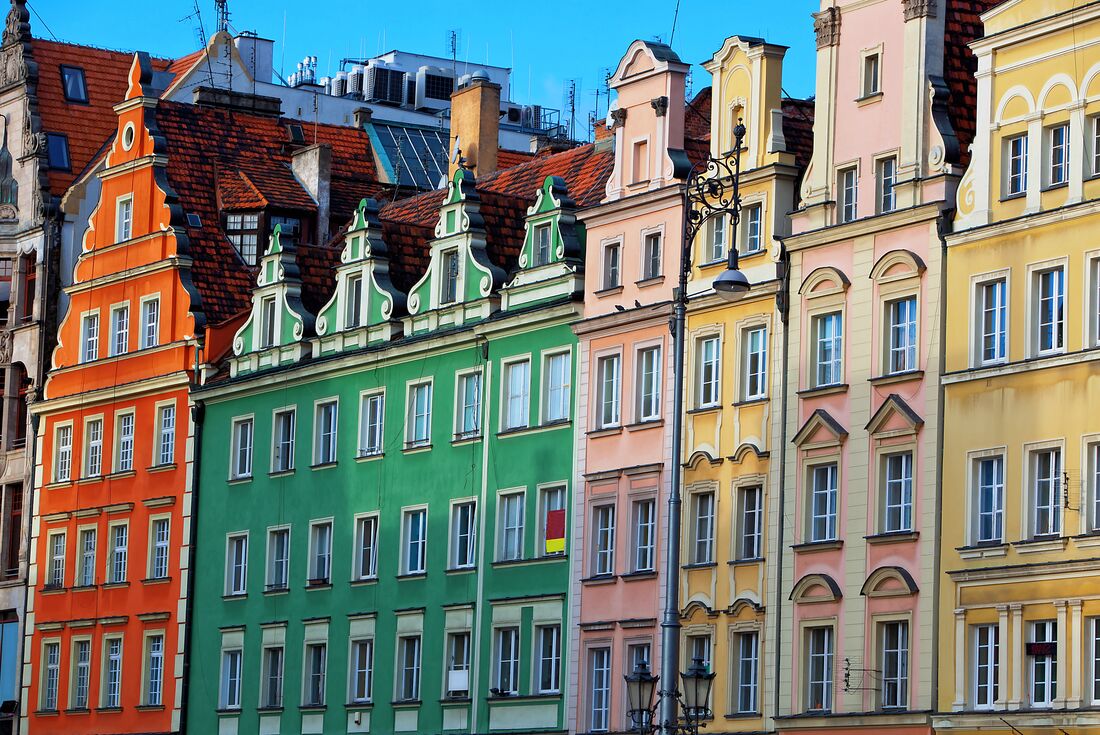
Spend today exploring Wroclaw however you’d like! Maybe explore Ostrow Tumski (Cathedral Island), the Old Town Square and the Four Denominations District, where the city’s incredible architecture and history is on full display. Don’t miss out on appreciating Wroclaw from River Oder or experiencing the vibrant cultural scene – your local leader will be on hand to give recommendations on local hotspots.
Day 9: Krakow
Hop back on a local train to Krakow. Possibly the best known of all Poland's cities, Krakow was the residence of Polish kings from the 11th to the 17th centuries, and its Old Town is a UNESCO World Heritage-listed site. Join your local leader on an orientation walk around the city, then maybe head to one of the biggest medieval squares in Central Europe. You could also visit Wawel Royal Castle, which sits on a hill next to the Vistula River, or check out the 13th-century town square of Rynek Glowny and get a glimpse inside St Mary's Basilica. This city is also home to the second oldest university in Central Europe – Jagiellonian University, which boasts Copernicus and Pope John Paul II among its alumni. Tonight is again all yours to do as you please – maybe make your way to the Jewish Quarter for laidback vibes and good food.
Day 10: Krakow
Today, travel to Oswiecim. When you arrive, you’ll join a guided tour of the Auschwitz-Birkenau State Museum. Back in Krakow in the afternoon, spend some more time exploring in your own time. Or, if you can tear yourself away from Krakow, head out to the Wieliczka Salt Mines – a network of tunnels and chambers some 135 m below the ground. This is a salt mine that was in operation for over 700 years and is a UNESCO World Heritage-listed site. At night, pull up a pew and indulge in a plate of pierogi and a few beers to say cheers to another adventure.
Day 11: Tatra Mountains
Say farewell to Krakow today and travel by local bus through southern Poland to Tatranska Lomnica, a small alpine resort in Slovakia.Your accommodation sits at the base of the Vysoke Tatry (High Tatra) Mountains – the highest range of the Carpathians – which stretch for about 60 km across the Polish-Slovakian border and are a hiker’s dream. This evening is free for you to enjoy as you please – maybe sit back, relax and soak up the atmosphere of this beautiful mountainous region.
Day 12: Tatra Mountains
This morning, head out on an included hike in the High Tatra Mountains. Parts of it will involve travelling by funicular, gondola and electric train. During the walk, you may notice that some parts of the forest have been destroyed. This was the result of a tornado-like storm in 2004 that decimated approximately 10,000 hectares of timberland. In the afternoon, head back to the accommodation and enjoy the remainder of the day in this beautiful location.
Day 13: Budapest
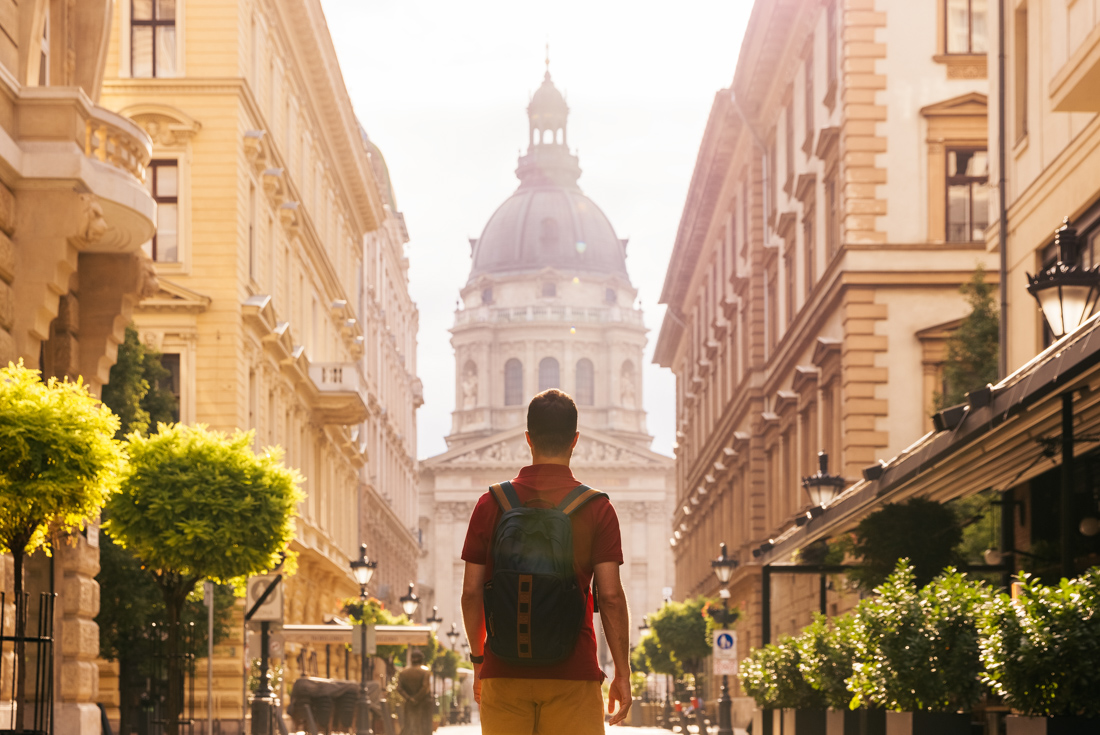
You have an early start today for the journey to Budapest. Today is a bit of a long travel day, so it's a good idea to get stuck into your book or favourite podcasts. As there won't be too much free time to explore, maybe check into the accommodation and then go for a brief walk around the neighbourhood to get your bearings. The grand architecture and boulevards, cafe culture and interesting laneways make this one of the truly great cities of Europe. Take the evening as an opportunity to relax after a long day of travelling. Visiting one of Budapest's many restaurants or eclectic ruin bars in the Jewish Quarter is a sure-fire way to have a good night out with your crew.
Day 14: Budapest
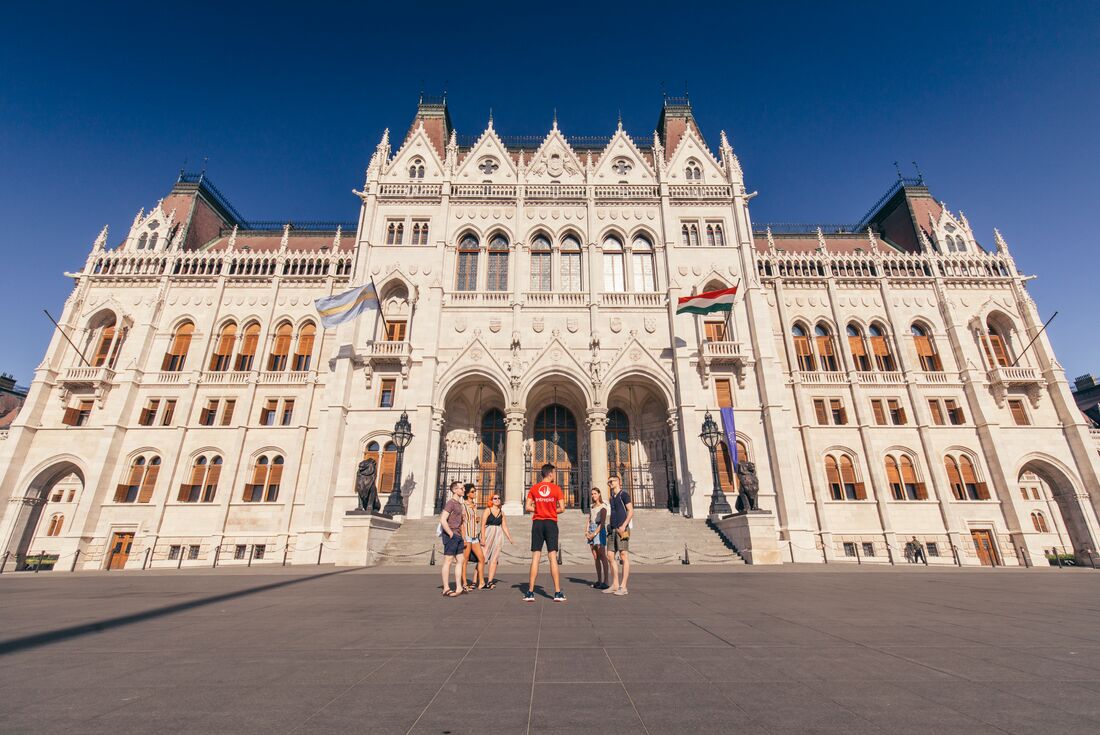
Today is free for you to explore Budapest at your own pace. Known as 'The Pearl of the Danube', Budapest is a great city to enjoy from the water. Maybe take a boat trip along the river or catch a funicular up to Buda Castle for spectacular views of the Parliament Building and the Pest side of the city. One unmissable activity is to soak in Budapest's hot thermal baths. The pools vary in temperature, and some even feature whirlpools or seats where you can enjoy a game of chess. You might also like to take part in one of our Urban Adventure day tours. Tonight, maybe head out for dinner with your group to celebrate a trip well-travelled!
Day 15: Budapest
Today is free for you to enjoy at your own pace.
Day 16: Eger
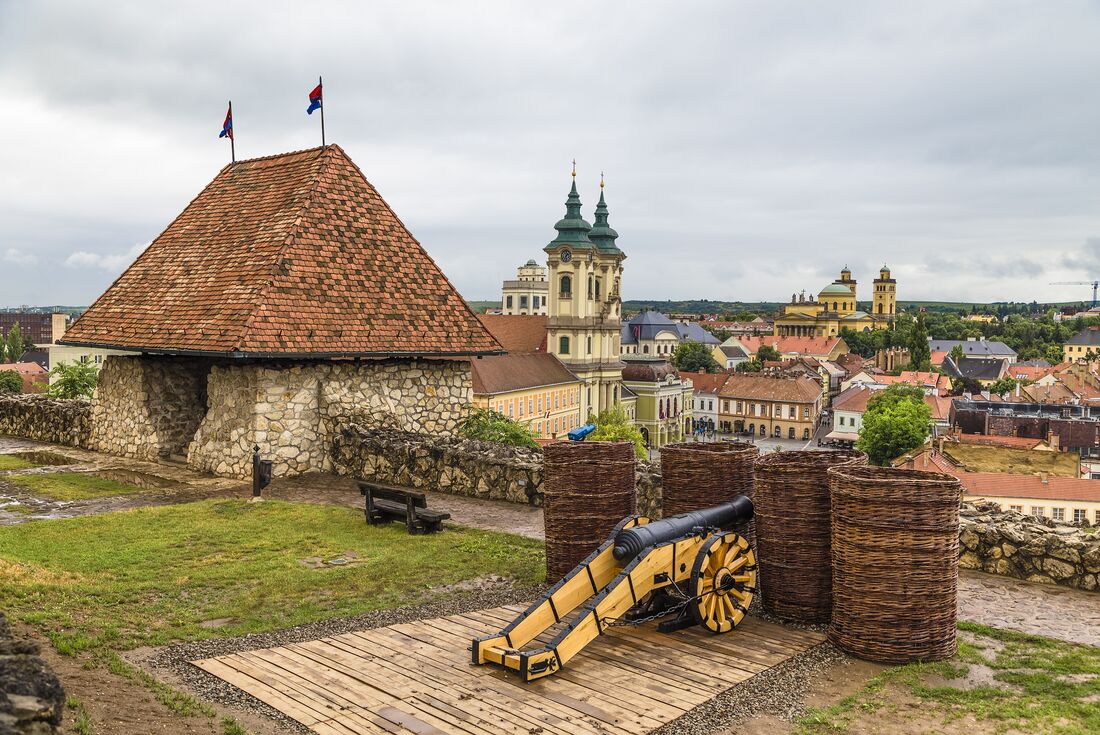
This morning, take a train east to Eger. This beautifully preserved Baroque town is surrounded by hills and is home to some of the most renowned vineyards in Eastern Europe. Visit the wine cellars of the Valley of the Beautiful Women to sample some of the town's famous Bull's Blood red wine, which supposedly gave the Hungarian army supernatural strength during their battle against the Ottoman Empire. In your free time, maybe explore Eger's 13th-century castle – the site of the historic siege that thwarted the Ottoman Empire's advance into Western Europe. Here, you can visit the Gothic Palace, view a gallery of fine Hungarian art and tour underground passageways filled with archaeological finds. You may also like to check out the town's 19th-century cathedral, climb the northernmost medieval minaret in Europe for views of the city or visit the Minorite Church in Dobo Square.
Day 17: Maramures
After breakfast, travel to Debrecen. While here, you'll have time to explore Deri Square’s fountains, colourful buildings, museums and the golden Great Church. Continue by private vehicle across the central plains into Romania’s Maramures (mah-ra-moo-resh) region. This area may be modernising, but among the traditional wooden houses, churches, music and forests, you can still find parts of life unchanged since medieval times. When you arrive, settle into your room – your accommodation for the night is run by a local family. Sit down for a home-cooked dinner with your group and get to know the locals, their stories and their way of life.
Day 18: Maramures
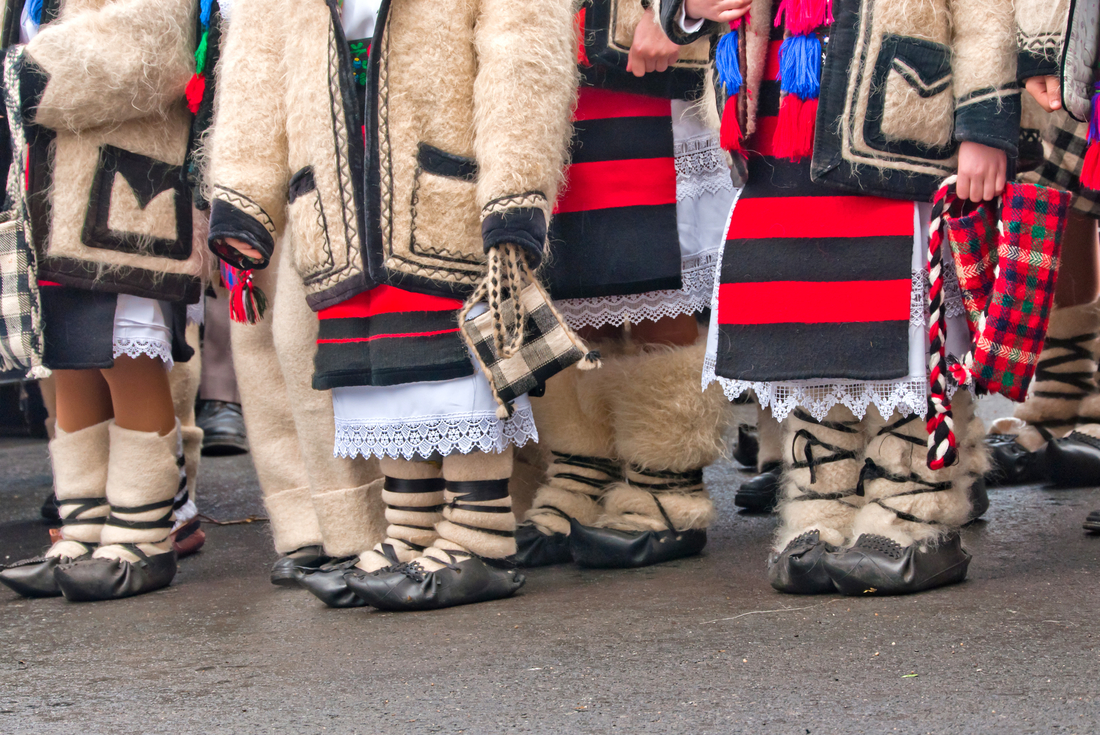
Today, you’ll discover more about the region of Maramures. Rich in tradition and folklore, the music, costumes, festivals and ancient superstitions of one of the last peasant cultures in Europe continue to thrive here. Maramures is particularly famed for its wooden churches, many of which are World Heritage-listed. Set out on a guided group tour to explore the region, visiting the unique Merry Cemetery in Sapanta, where the life stories of the deceased are displayed on colourful wooden crosses. You’ll also see other traditional villages, including the village museum in Sighetu – an assembly of beautiful local wooden architecture.
Day 19: Sighisoara
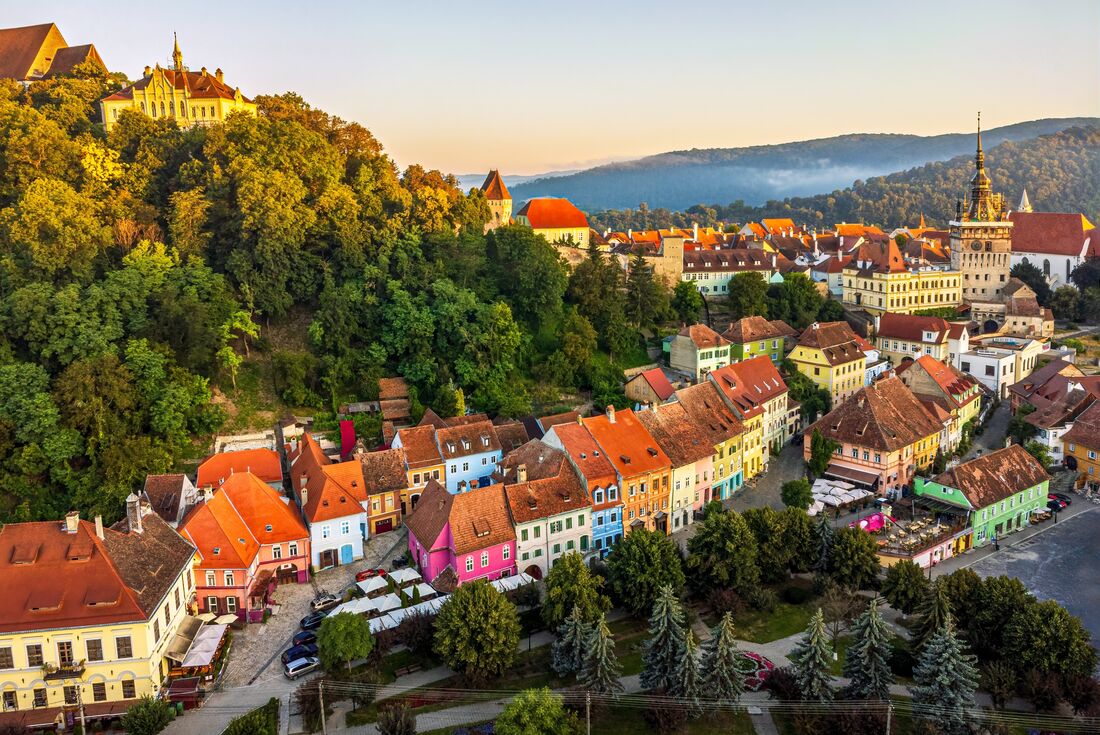
Begin the day with a scenic drive to Sighisoara – while the name may conjure up images of haunted castles, gothic churches and vampires, this is only a small part of what makes Transylvania such an enchanting and exciting destination. Another UNESCO World Heritage site, the town was first settled by the Romans but flourished under the Saxons from the 12th century. Take a walk around the Old Town, which coils up a narrow hill surrounded on all sides by fortified walls, and explore the 64 m tall clock tower that dominates the citadel. The town is famed as the birthplace of Vlad Dracul III, better known as Vlad the Impaler, whose name inspired Bram Stoker’s iconic Count Dracula. Vlad III is revered as a folk hero by Romanians for driving off the invading Ottoman Turks, whose victims are said to have numbered as many as 100,000. Tonight, maybe sit down for a traditional Romanian dinner at one of local restaurants.
Day 20: Viscri
This morning, you have some free time in Sighisoara. After lunch, take a short drive to the village of Viscri – a small Transylvanian village originally inhabited by Saxons from the Luxembourg area. This village of red-tiled roofs is a UNESCO World Heritage site, virtually unchanged for 900 years. When you arrive, you’ll visit the town's fortified church, thought to be the oldest in Transylvania. After, sit down to a home-cooked dinner prepared by a local family, sampling fresh produce, homemade wines and schnapps. Tonight, stay in rustic houses that the locals rent out to visitors.
Day 21: Brasov
This morning, visit the famed Bran Castle, said to be the inspiration for the home of Bram Stoker's Dracula. Perched on a high cliff and surrounded by pine trees, you’ll explore the castle with your local leader and group. After, travel to Brasov and enjoy some free time to explore at your own pace – maybe visit the ornate churches, townhouses and squares surrounded by gingerbread-roofed merchants' houses. If you're looking for a bit of nightlife tonight, Brasov has plenty of funky bars and restaurants to enjoy once darkness falls.
Day 22: Brasov
Today is a free day to explore Brasov at your own pace. Also known by its German name, Kronstadt, the town is flanked by mountains and was once a major medieval trading centre. When you arrive, maybe explore the town's main attraction – the Gothic Black Church (Biserica Neagra), which took its name from its blackened appearance after a fire in 1689. Later, you might stroll along Strada Republicii, take a cable car up to Mt Tampa or or hike one of the forested trails that start right from the edge of town.
Day 23: Bucharest
Take a train to Bucharest today – the city is increasingly known for its cosmopolitan vibe and energy. Romania's capital also likes big things and is home to one of Europe's largest squares. The Palace of Parliament is also the second largest building in the world! When you arrive, set off on a guided walking tour around town to help you get your bearings. The rest of the afternoon is then free for you to choose your own adventure. Maybe explore some of the sights further or enjoy traditional home-cooked Romanian food with your fellow travellers – a great way to celebrate a trip well-travelled!
Day 24: Bucharest
Today is free for you to enjoy at your own pace.
Day 25: Veliko Tarnovo
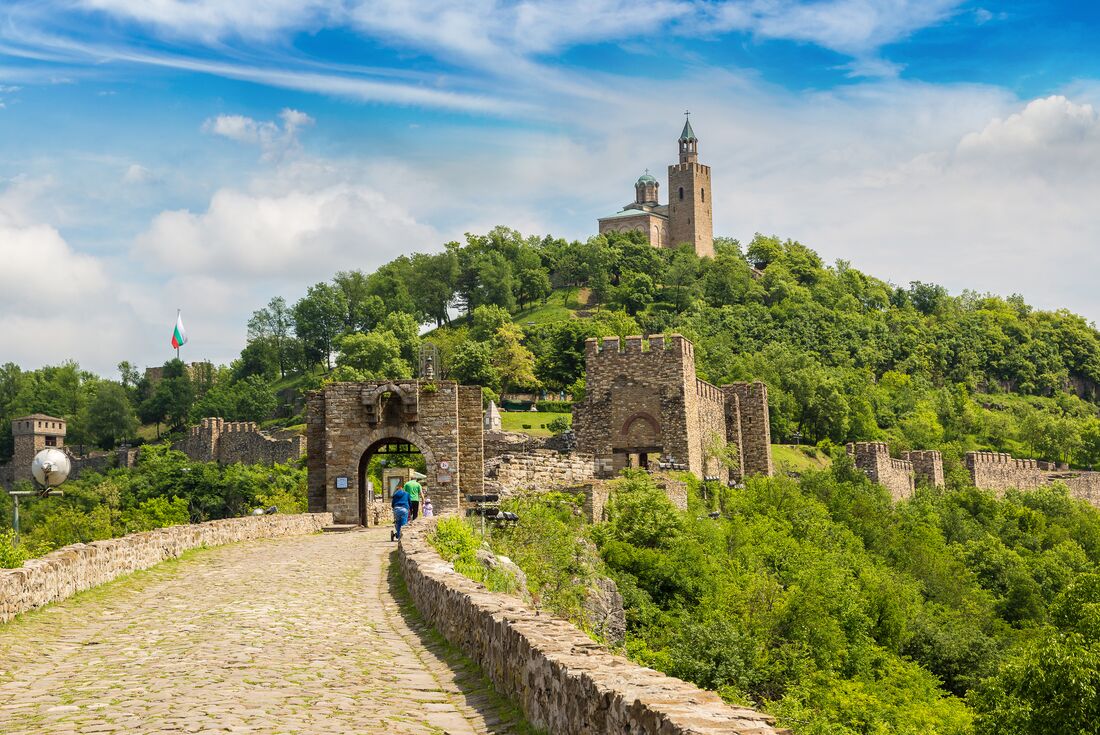
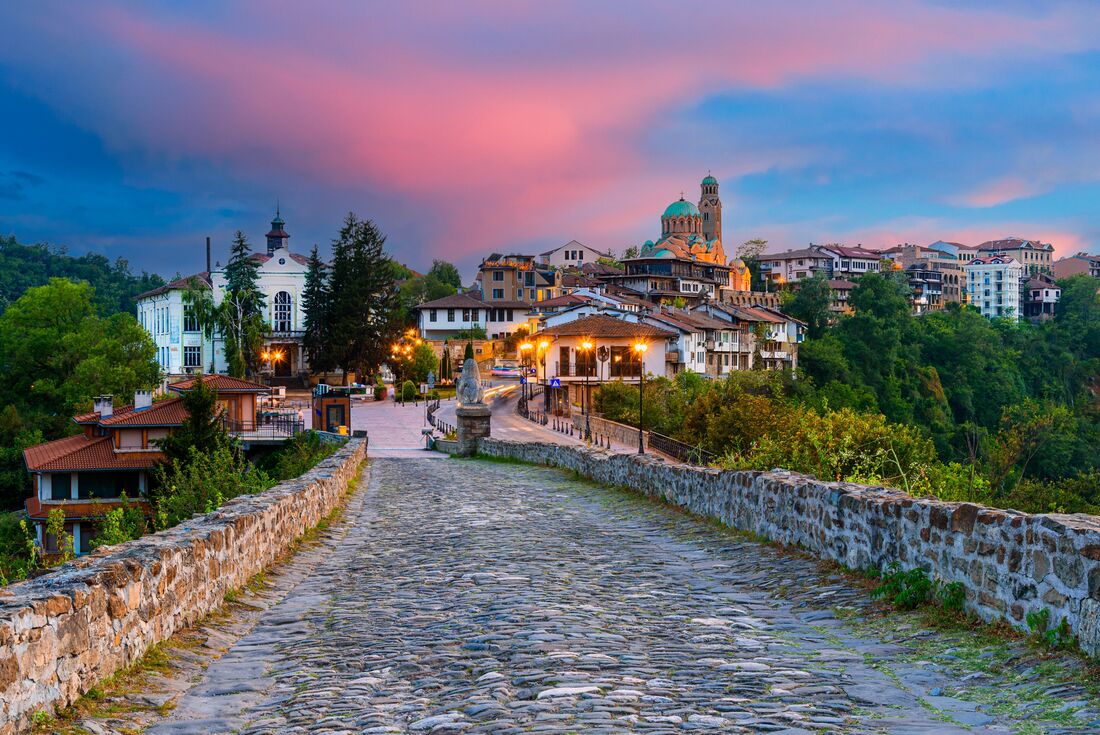
Travel across the Friendship Bridge into Bulgaria and on to the town of Veliko Tarnovo – founded in 4500 BC by the Neolithic people, the Romans later built the first fortress walls. In the 6th century, a Byzantine capital was established on Tsarevets Hill by Emperor Justinian. After the foundation of the second Bulgarian empire, it became the second most important city in the region (after Constantinople) and trade and culture flourished for the next 200 years. In 1393, the town fell to the Turks who held the city until the Russians liberated it in 1877. When you arrive, head out with your leader for an orientation walk, finishing in the Old Town at a family-owned establishment. Here, a local chef will invite you to an authentic and interactive experience that will showcase the rich history of Bulgarian cheese and wine making. The menu includes tasty items such as truffle cheese, cold cuts and locally produced wine – what could be a better introduction?
Day 26: Veliko Tarnovo
This morning, visit Veliko Tarnovo's imposing Tsarevets Fortress, which overlooks the city. This once-magnificent fortress was built in the 7th century, and the ruined citadel is the perfect spot to wander. The rest of the day is free for you to explore the City of Tsars. Maybe wander through the Old Quarter, with its preserved Renaissance houses and handicraft workshops or relax in one of the town's cafes or vinarnas (wine bars).
Day 27: Sofia
In the morning, hop on a transfer to Sofia – Bulgaria's capital is a cosmopolitan city with wide tree-lined boulevards and parks. Along the way, stop at Kazanlak Valley, also known as the Valley of Roses. This valley is famous for the growing of the Damascena rose, which is used to produce rose oil – a key ingredient in the perfume industry. After, wander through Etno Village – an open-air museum showcasing Bulgarian culture and crafts from the 18th and 19th centuries. From here, visit the Family Rose Distillery and learn about the distillation process and history of rose oil production. Your last stop is at Thracian Tombs – a UNESCO World Heritage site, known for its well-preserved murals from the Hellenistic period, depicting burial rituals and Thracian culture. Later, continue to Sofia, where you’ll spend the next two nights.
Day 28: Sofia
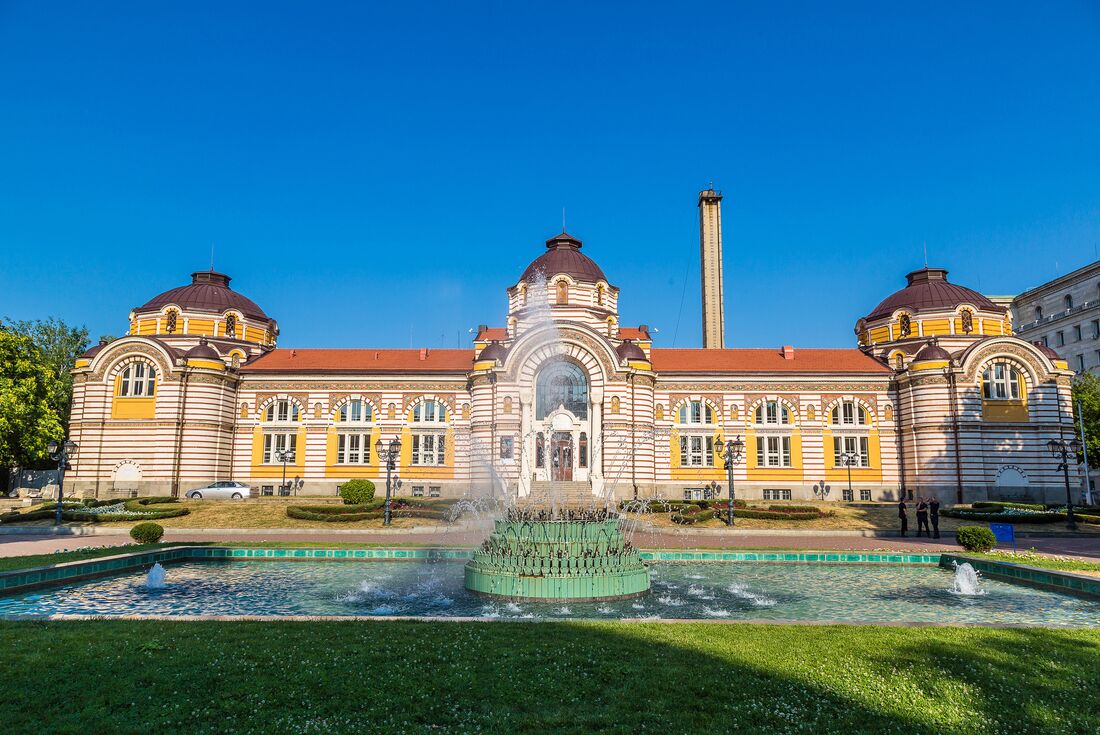
Today is a free day for you to explore at your own pace. Maybe browse around the cured meats and cheese at the Central Market Hall, then walk through the city and see the gold-domed Alexander Nevski Church. This afternoon, maybe sate your cultural curiosity at the National History Museum, discover artefacts at the National Archaeological Museum or spend a couple of hours staring at the local artworks in the National Art Gallery.
Day 29: Bansko
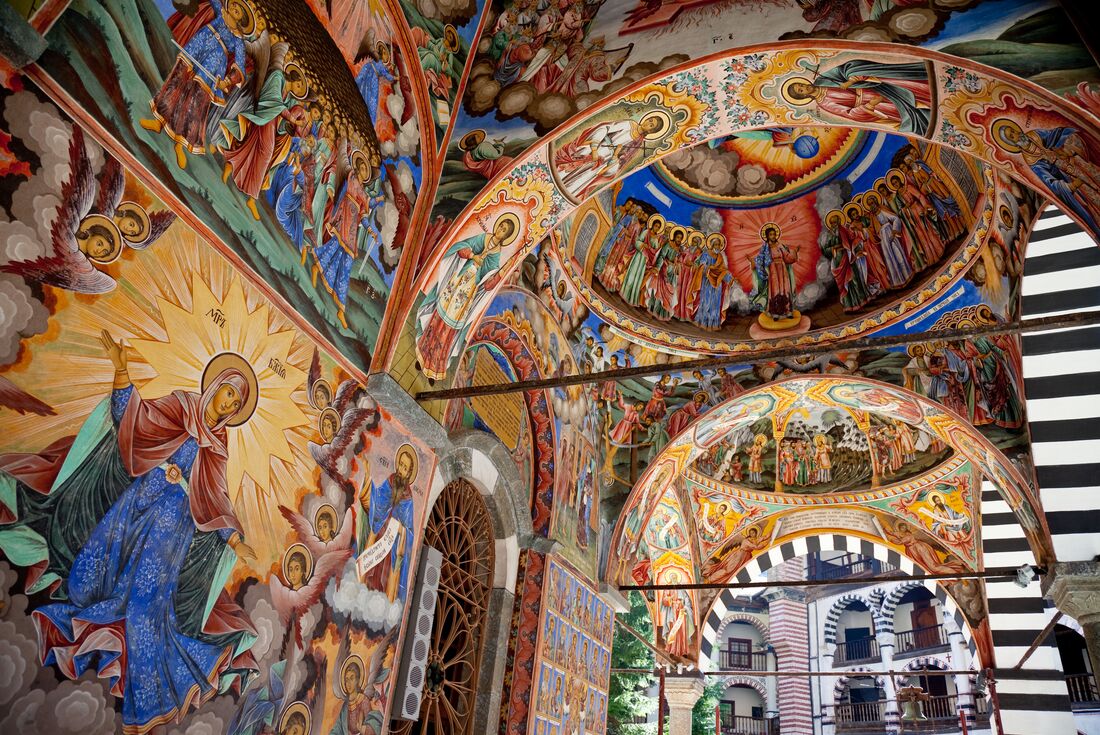
Today, journey into the Rila Mountains, where you'll visit the Rila Monastery. Tucked away in a valley, this UNESCO World Heritage site is the largest and holiest of Bulgaria's orthodox monasteries. Founded in 927, the entire complex is a work of art in itself. Check out murals, the 14th-century Hrelyo Tower, the five-domed Birth of the Blessed Virgin Church and the original 19th-century monastery kitchen. Then, carry on to Bansko. Set at the base of the Pirin Mountains, Bansko is home to more than 150 cultural monuments and many of its stone houses have been transformed into mehanes (taverns). Wander through Vazrazhdane and check out the frescoes of the Church of Sveta Troitsa or the paintings in the Rilski Convent. Tonight, indulge in some local cuisine and try filet elena (spicy cured meat) or kapama (simmered meat, rice and sauerkraut), washing it down with some delicious melnik (dark red wine).
Day 30: Plovdiv
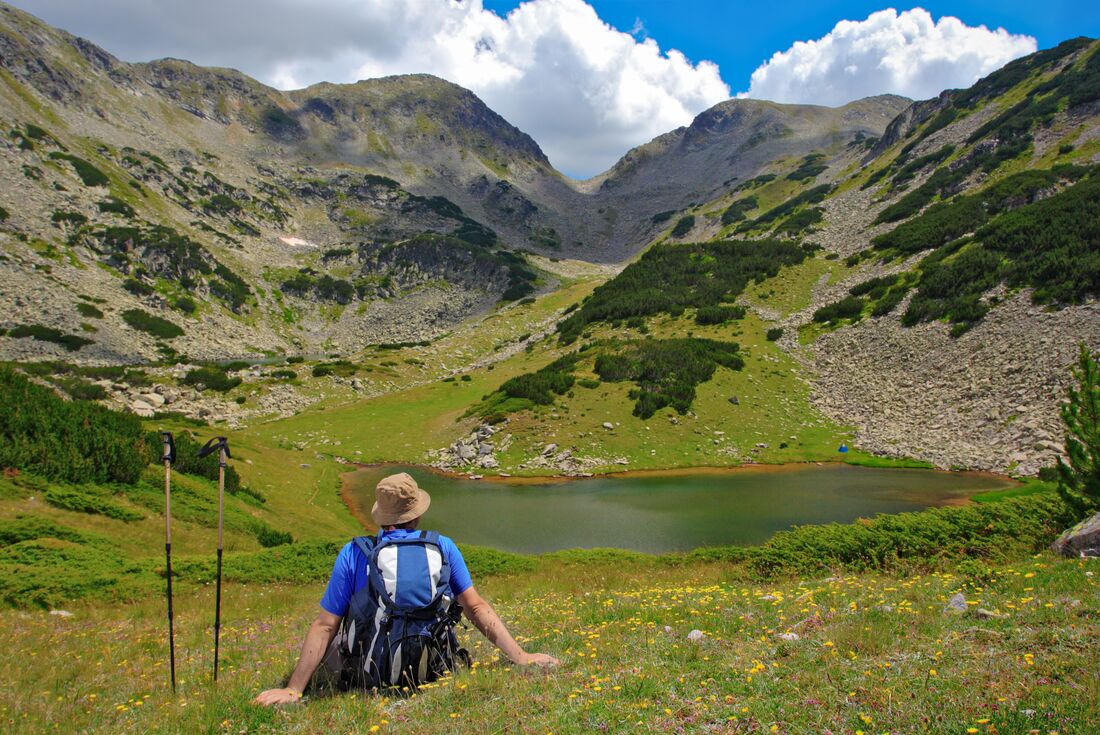
Drive to Vihren Chalet – the starting point of today’s hike in the Pirin Mountains. You’ll head to the small but picturesque Okoto Lake for panoramic views over the valley – you might even be able to see the range’s highest peak, Mt Vihren. From here, maybe continue to Banderitsko Lake or opt to stay in Bansko and visit the thermal baths. This afternoon, board the only operational gauge line in Bulgaria – Rhodope Railway. After the scenic ride, you’ll continue to Plovdiv – on the Maritsa River, this city was once the meeting point of two ancient transportation routes. In the evening, maybe wander the bustling city streets and try some of the local grilled meats and vegetables on skewers.
Day 31: Plovdiv
This morning, join a local guide for a tour of the main sights of Plovdiv. The most remarkable being the ancient Roman theatre, accidentally discovered after a landslide exposed the site in the early 1970s. Built in the 2nd century BC during the reign of Trajanus, the theatre seats about 6000 people and is now back in use! From here, wander up to the site of the former hilltop fortress of Nebet Tepe, where you can enjoy excellent views of the city. Head back down to visit the 15th-century Dzhumaya Mosque, which is still in use today. Then, enjoy a free afternoon to explore the city at your own pace – maybe explore the street art and cafes of the Kapana Creative District or learn about Bulgarian culture and traditions at the Ethnographic Museum.
Day 32: Istanbul
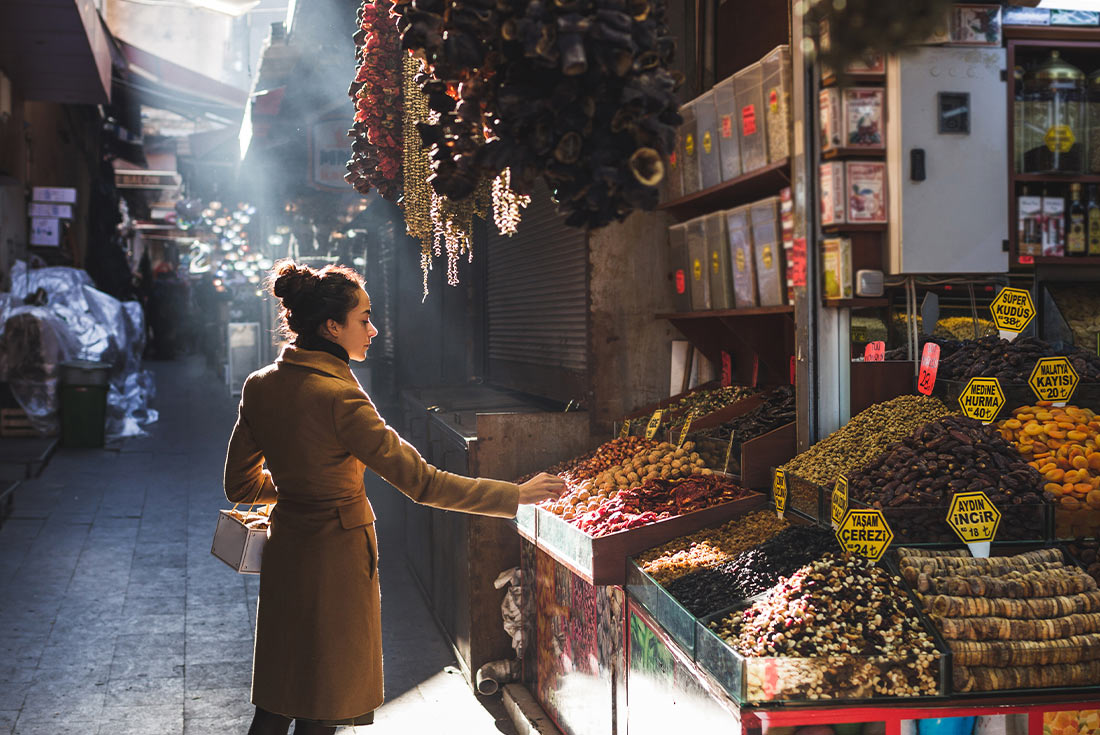
Get ready for a long day of travel today that takes you from Europe to Asia. Grab a window seat if you can and watch the scenery pass you by or get stuck into a good book. You'll be travelling how the locals do – on a bus along the Tsarigrad Road, also named the Road to Istanbul. When you arrive in the continent-straddling metropolis that the Greeks, Romans, Byzantines and Ottomans have called home, you'll have some free time to settle in. Tonight, maybe head out for dinner with your group and indulge in a real Turkish kebab (yum!).
Day 33: Istanbul
With no further activities planned, your adventure officially comes to an end. If you would like to extend your stay in Istanbul, and it’s recommended that you do, just get in touch with your booking agent ahead of time.